 Car News
 CarExpert Podcast
 Car Reviews
 Owner Car Reviews
 Car Comparisons
 Showroom
 Car Chooser
 Car Specifications


Damion Smy
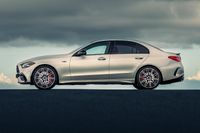
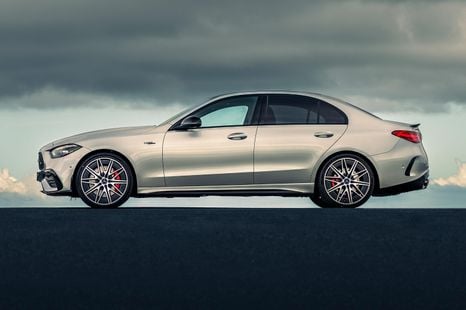
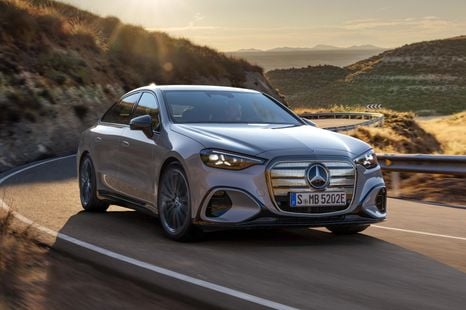
2026 Mercedes-AMG C43 4MATIC Edition R+ brings lairier looks for less
A new special-edition version of the warmed-up C43 adds an AMG styling kit for the first time, but reduces the price tag by more than $4000.
2 Days Ago

Contributor
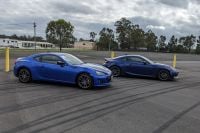
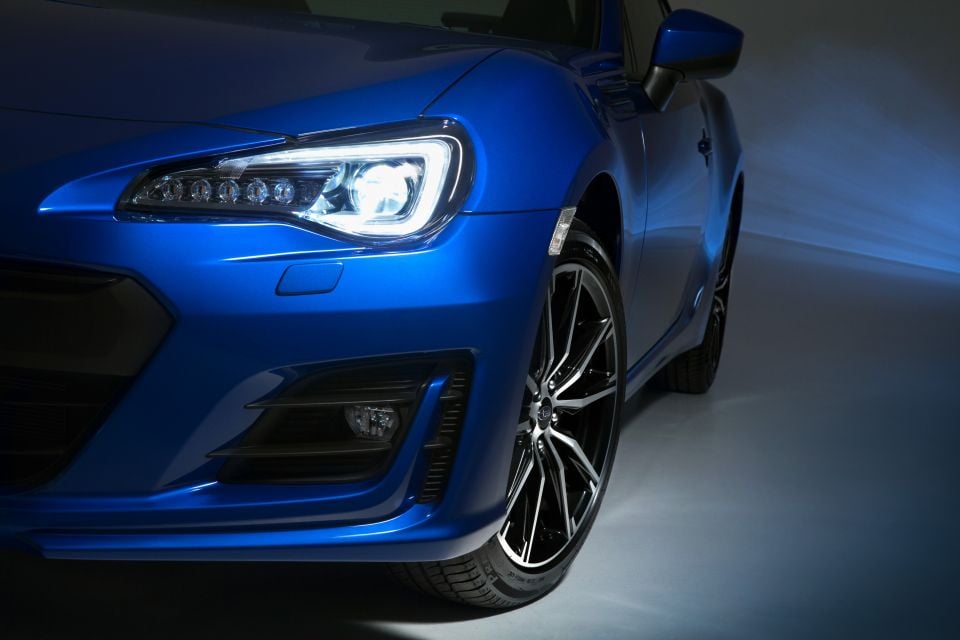
Subaru offers three models in the BRZ line-up, with a distinctly more premium bent than the Toyota 86 with which it shares its chassis and engine.
Pricing starts at $35,270 before on-road costs for the base BRZ and runs to $41,190 before on-roads for the range-topping BRZ tS.
As is often the case with sports cars, demand for the BRZ was strong at launch and has gradually tapered off. But that hasn’t deterred Subaru and Toyota from committing to a second-generation car, likely to lob in 2021.
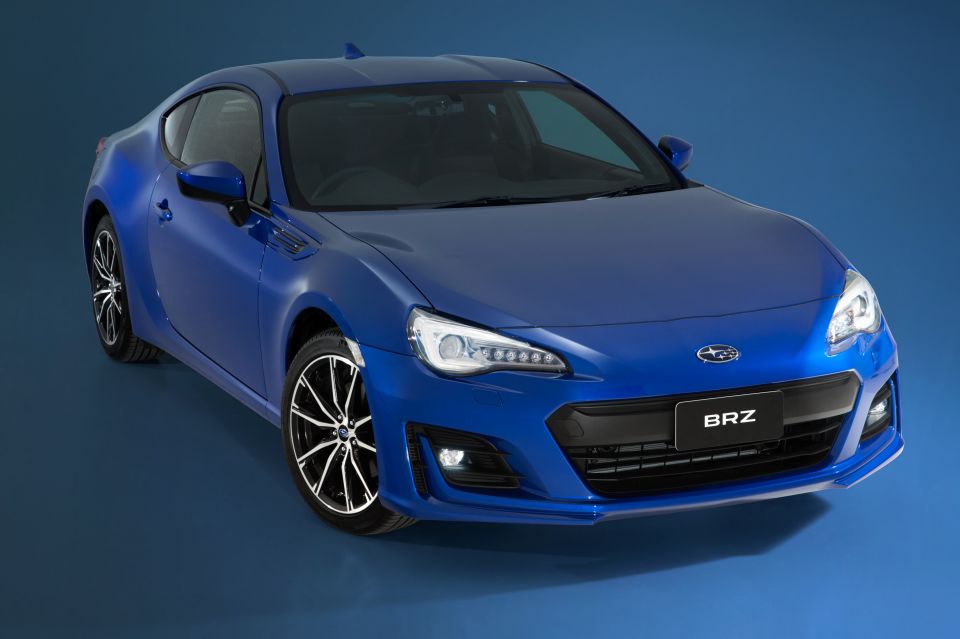
There’s only one engine available in the BRZ: a 2.0-litre naturally-aspirated four-cylinder boxer, which outputs 152kW and 212Nm.
Buyers can choose between a six-speed manual or six-speed automatic transmission, and the entire range is rear-wheel drive.
Subaru says the BRZ will use 8.4L/100km on the combined cycle with the manual, or just 7.1L/100km with the six-speed automatic.
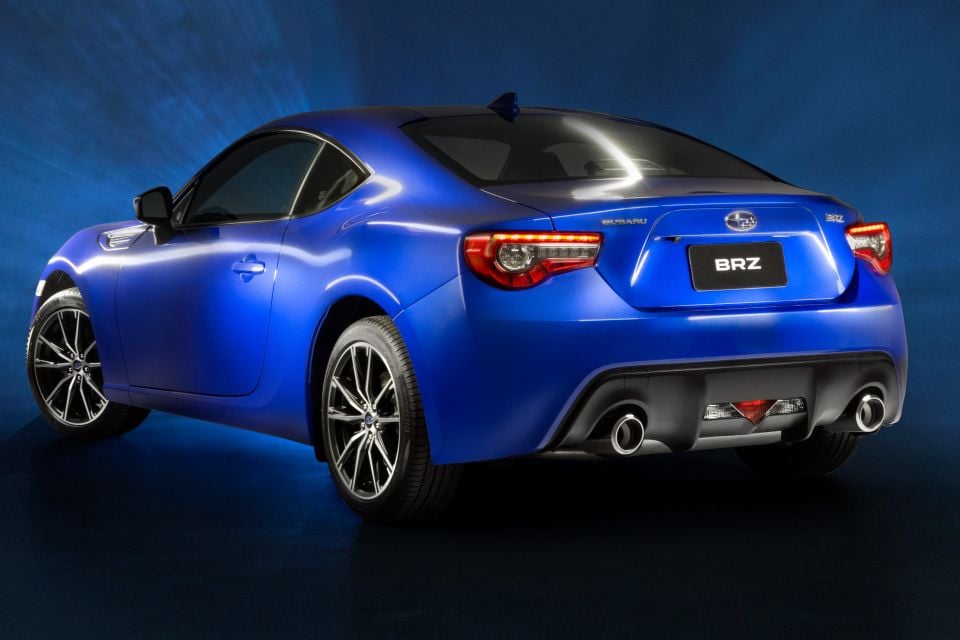
The BRZ has a five-star safety rating from ANCAP, based on testing carried out in 2012.
Were it to be tested today, the lack of active safety equipment such as autonomous emergency braking would cap its rating at four stars.
Compared to the current crop of hot hatches and similarly priced sports cars, the BRZ lacks adaptive cruise control, lane-keeping assist, and autonomous emergency braking.
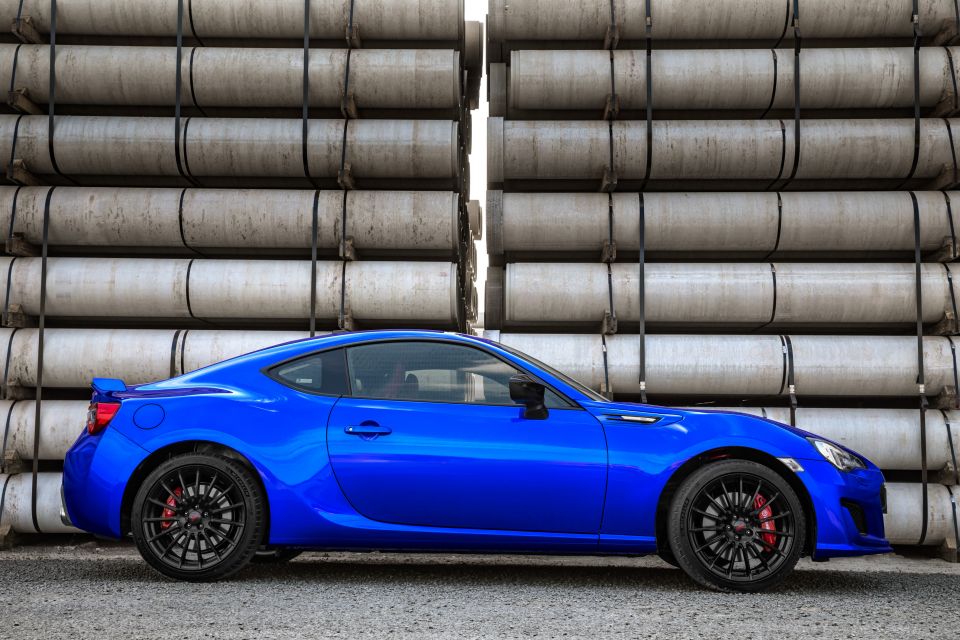
The 2020 Subaru BRZ measures 4240mm long, 1775mm wide and 1325mm tall, with a 2570mm wheelbase.
Boot space is listed at 218L.
Standard equipment in the 2020 Subaru BRZ includes:
Moving to the BRZ Premium adds:
The BRZ tS takes a more performance-oriented approach with:
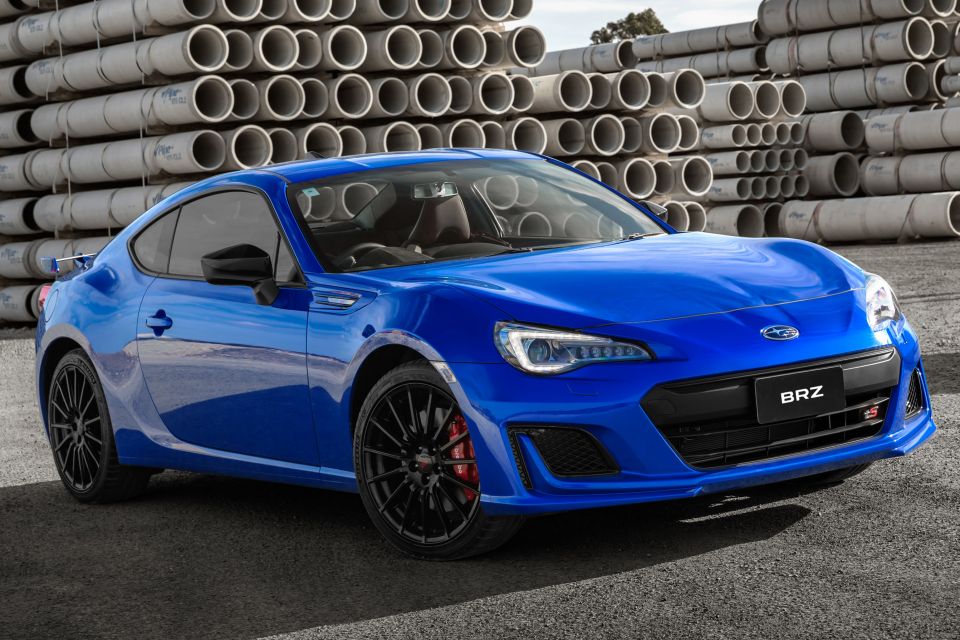
Servicing is required every nine months or 15,000km – whichever comes first.
Your first seven services will cost $3291 under Subaru’s capped-price service plan. As with the rest of the range, the BRZ is backed by a five-year, unlimited-kilometre warranty.
Go deeper on the cars in our Showroom, compare your options, or see what a great deal looks like with help from our New Car Specialists.
Scott Collie is an automotive journalist based in Melbourne, Australia. Scott studied journalism at RMIT University and, after a lifelong obsession with everything automotive, started covering the car industry shortly afterwards. He has a passion for travel, and is an avid Melbourne Demons supporter.
Damion Smy
2 Days Ago

Ben Zachariah
10 Days Ago

Marton Pettendy
11 Days Ago
Damion Smy
12 Days Ago
Damion Smy
12 Days Ago
Damion Smy
15 Days Ago
Add CarExpert as a Preferred Source on Google so your search results prioritise writing by actual experts, not AI.