

Max Davies
2026 GWM Tank 300 PHEV review
GWM's Tank 300 PHEV is a logical addition to the off-road SUV range, but we can't help but feel it needs a touch more polish.
4 Hours Ago
GWM's Tank 300 PHEV is a logical addition to the off-road SUV range, but we can't help but feel it needs a touch more polish.
Marketplace Journalist
Marketplace Journalist
Marketplace Journalist
Marketplace Journalist
CarExpert brings together reviews, research tools and trusted buying support, guiding you from research to delivery with confidence.
The GWM Tank 300 has now been with us for nearly four years, and now the popular large off-road SUV has joined the Chinese brand's rank of plug-in hybrid vehicles (PHEVs).
Joining the existing plugless hybrid, petrol and diesel versions of the Tank 300, the two new range-topping PHEV variants follow other GWM models like the Cannon Alpha ute in offering a chargeable hybrid powertrain, and they're more expensive than all other variants in the Tank 300 lineup.
There have otherwise been no major updates to the smaller of GWM's two Tank-badged off-road SUVs (the other being the larger Tank 500), despite a new interior having been revealed in China for the Tank 300. The brand's local arm has confirmed this won't be coming to Australia, citing potential about its new column-mounted shifter.
Though it remains a five-seater, the Tank 300 is a competitor for large ladder-frame SUV stalwarts like the top-selling Ford Everest and Toyota Prado, while rivals with PHEV power from its homeland also continue to arrive. These include the recently launched B5 PHEV from BYD's luxury export brand, Denza.
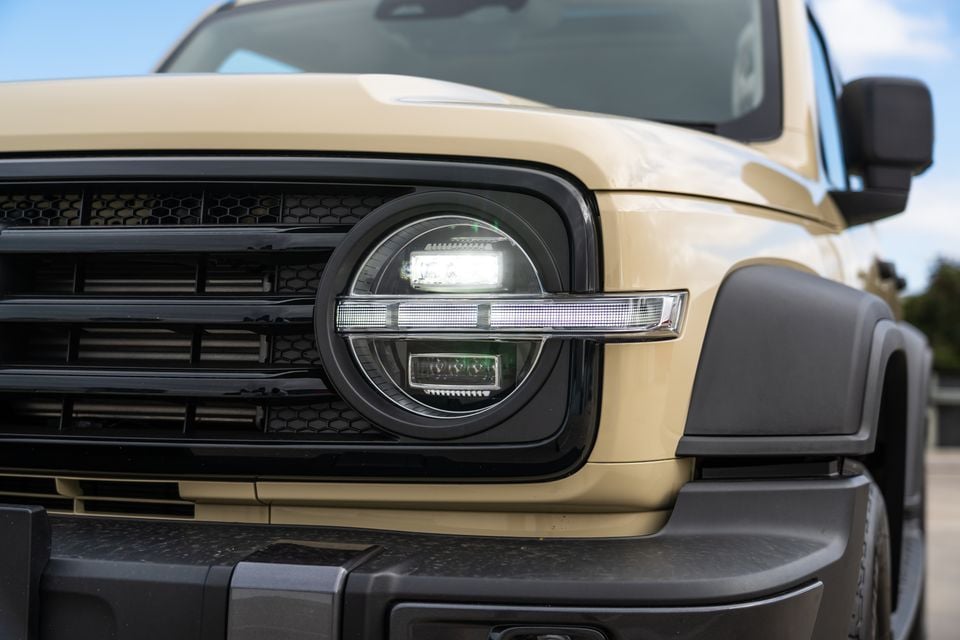
On test here is the flagship 2026 GWM Tank 300 Ultra PHEV. Is it a worthy addition to the Tank 300 lineup?
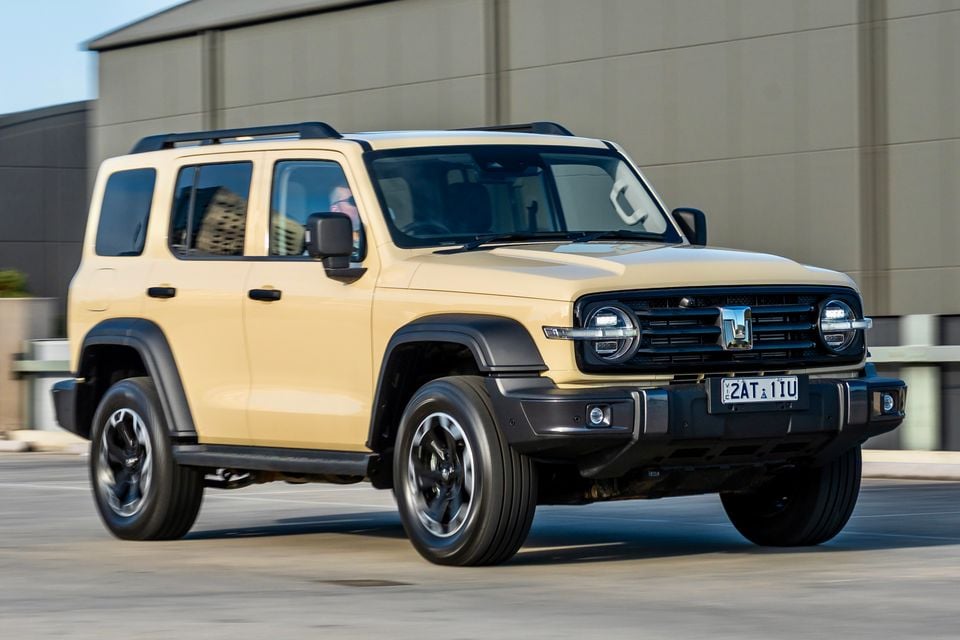
The new PHEVs sit at the top of the Tank 300 range, with the flagship Ultra priced at $61,990 drive-away.

Model | Drive-away pricing |
|---|---|
2026 GWM Tank 300 Lux diesel | $47,990 |
2026 GWM Tank 300 Ultra petrol | $49,990 |
2026 GWM Tank 300 Ultra diesel | $51,990 |
2026 GWM Tank 300 Ultra Hybrid | $56,990 |
2026 GWM Tank 300 Lux PHEV | $57,990 |
2026 GWM Tank 300 Ultra PHEV | $61,990 |
Despite being the most expensive Tank 300 on offer, the Ultra PHEV is cheaper than the entire Prado range. Toyota's off-roader starts at $73,200 before on-roads.
It's also more affordable than the base-spec Ford Everest (once on-road costs are applied), which starts at $58,990 before on-roads, and like the Prado isn't available with PHEV power.
There's also the more luxury-oriented Denza B5, which starts at $74,990 before on-roads.
To see how the GWM Tank 300 stacks up against the competition, use our comparison tool
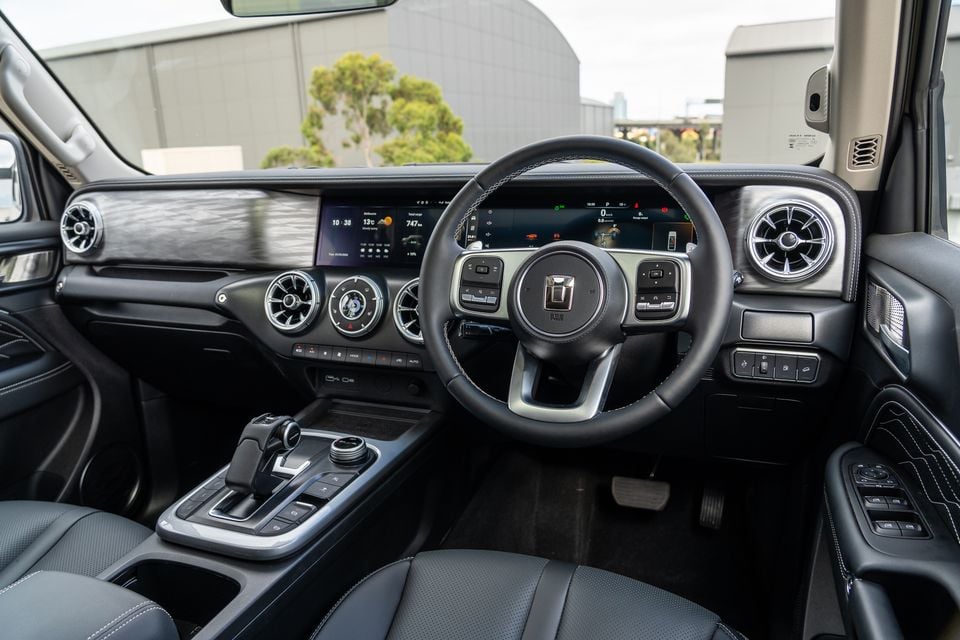
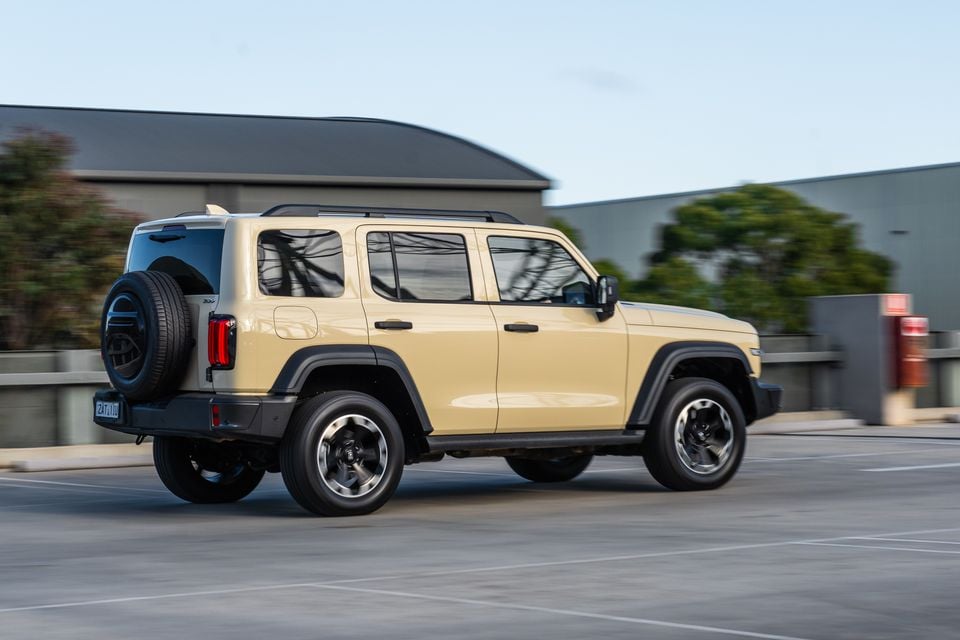
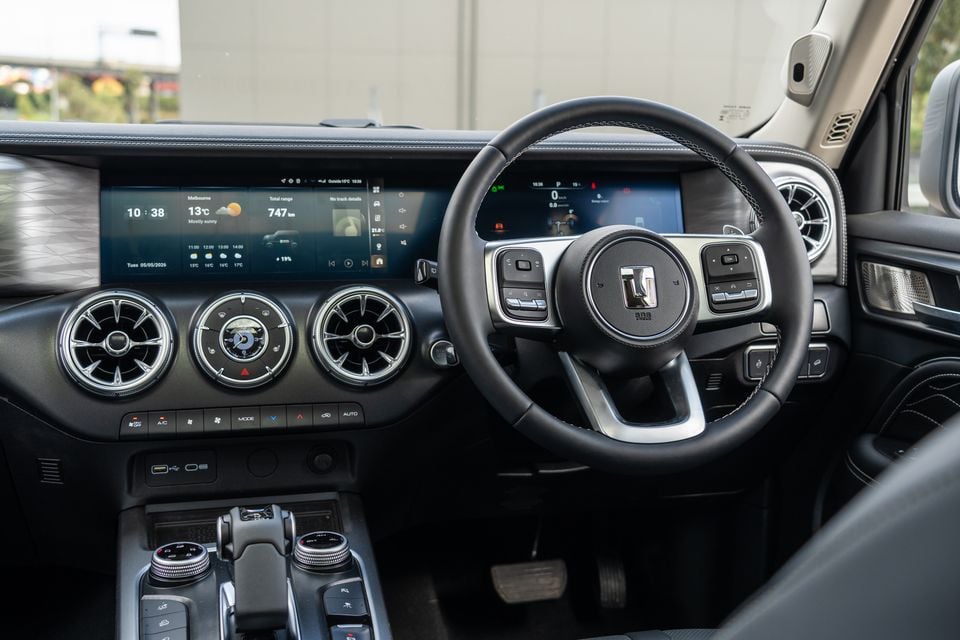
The Tank 300 no doubt looks and feels the part, and there's more physical substance to its interior than you might expect. It's even bordering on premium, at least on the surface.
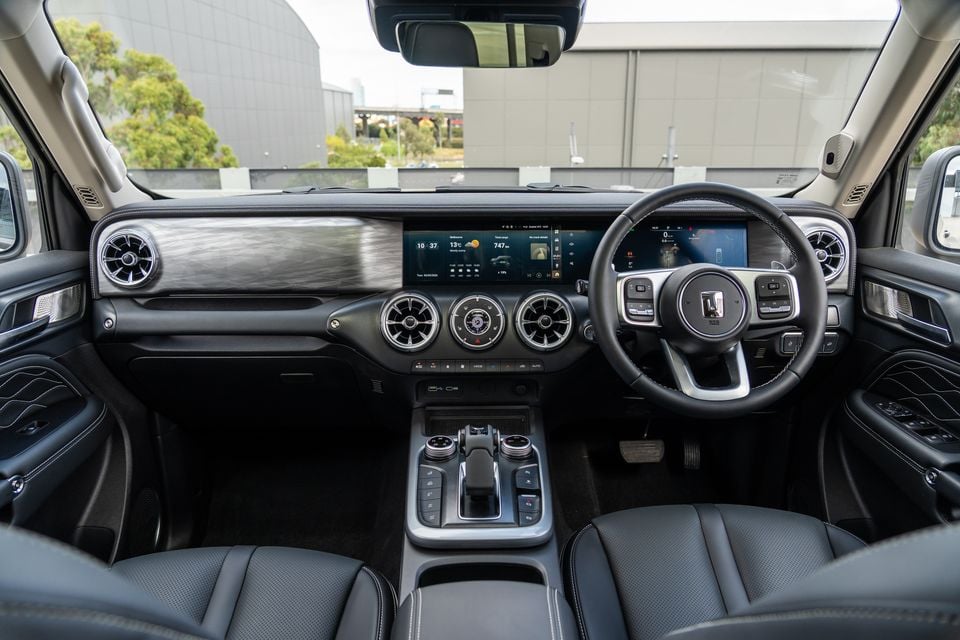
The large metallic-look surfaces on the dashboard and centre console are a big part of that, while there's a vaguely G-Wagen-esque quality to fittings like the air vents. In fact, even the dashboard's slab-like design resembles that of the iconic Mercedes-Benz off-roader.
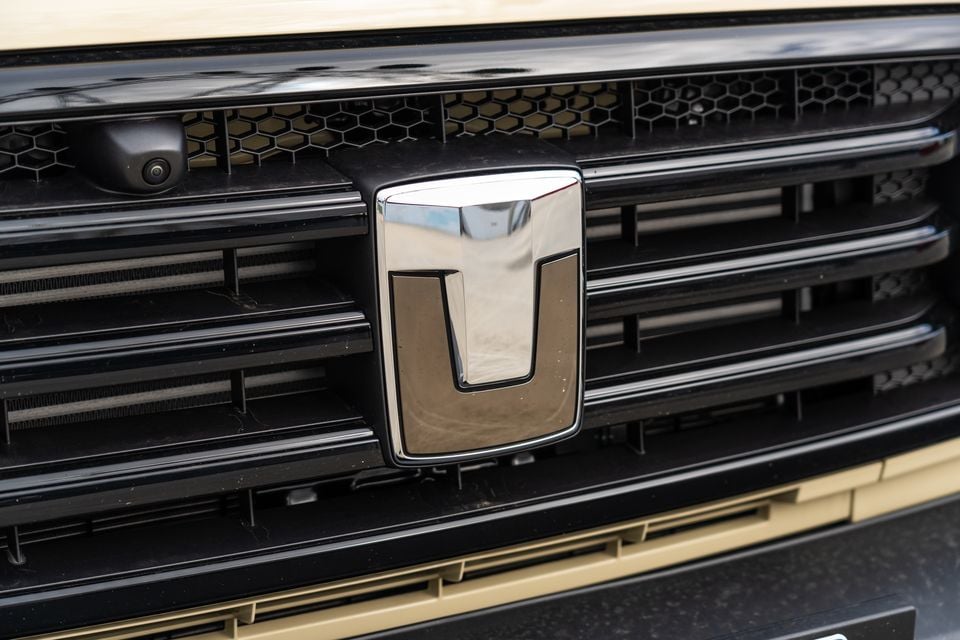
Other items, like the leather-wrapped steering wheel, leather-trimmed seats and door card accents, and the few chrome elements also appear tasteful. The only thing that doesn't seem to fit is the aviation-style gear selector, which is a little too try-hard.
Of course, none of this is different to non-PHEV versions of the Tank. That's to be expected, but it is a shame that some quirks still haven't been ironed out from when I last drove a 300 two years ago.
A notable one is the 12.3-inch infotainment touchscreen in the middle. Its graphics are fine and it's sheltered within the dashboard, but it isn't the easiest to use. We immediately noticed how far away it felt, and even I have to lean forward to reach it despite my relatively forward seating position.
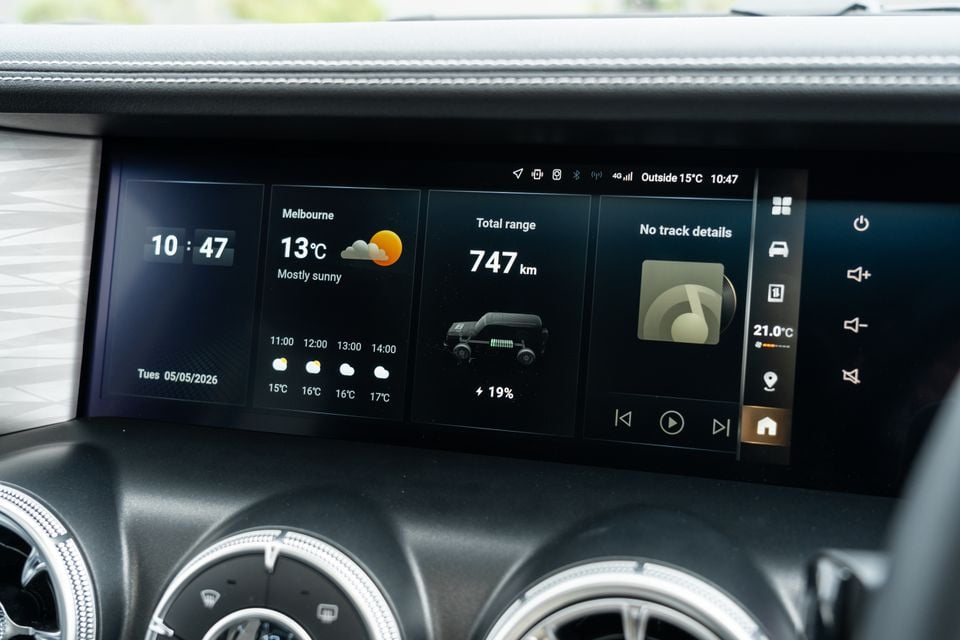
But more concerning is that it's blindingly difficult to navigate. The vast majority of vehicle functions are buried in various menus, and there are a hell of a lot of them to go through before you find what you're looking for.
Even functions that have dedicated shortcuts on the right-hand ribbon are still tedious to operate when you're leaning forward out of your seat. This is true for basic things like climate control and safety-tech tweaks.
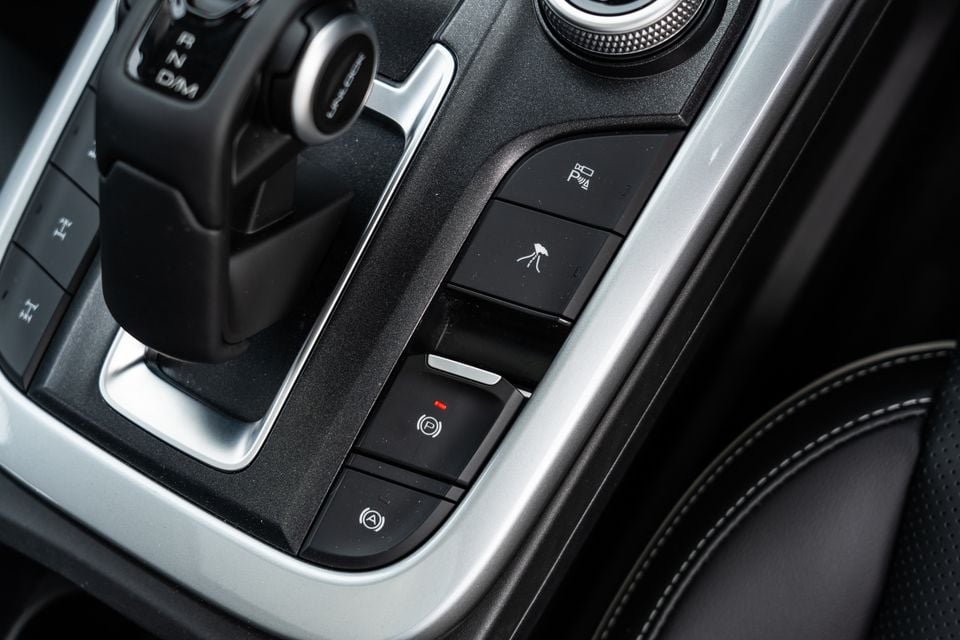
What's most disappointing is that on-screen menus are also the go for PHEV-specific controls. The fact the Tank 300 PHEV has no dedicated button to switch between electric and petrol driving seems like a major oversight.
A clear 'EV/HEV' button on the centre console should be a non-negotiable in any PHEV, and GWM knows that given the Cannon Alpha PHEV ute has one. Instead, the Tank 300 forces you to dive through two separate menus on the screen while you're driving.
You have to do the same if you want to adjust other things, like regenerative braking strength, which is something typically simplified by the inclusion of paddles on the steering wheel. The Tank 300 PHEV does have paddles, but they're for shifting gears, not adjusting regen strength. At least that's helpful for holding gears while off-road or towing.
It's the last five per cent where this SUV's interior is lacking. All the fundamentals are there – the touchscreen is responsive and looks good, the aesthetics are on point, and all of the touchpoints feel nice – but it's just missing those final few touches that would significantly improve its user-friendliness.
But there are positives to many of the Tank 300's cabin features, such as the wireless Apple CarPlay working seamlessly and reliably with the touchscreen during our week with the car, and the inclusion of a plethora of surprisingly nuanced controls to fiddle with if you know where to look.
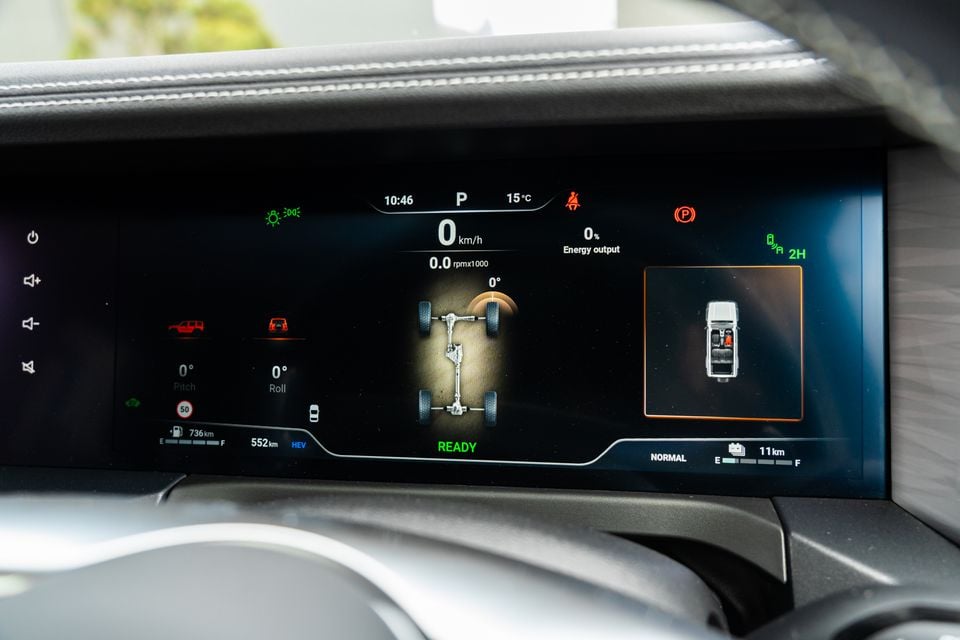
The rest of the cabin looks and operates as it should. There's another 12.3-inch screen in front of the steering wheel for the driver's instrument cluster, which gets the job done with very little fuss. It'll just take a second to figure out which steering wheel buttons are used to flick through the various info displays.
Those buttons are all large and robust, and finished almost exclusively in dull plastic that should withstand constant use. Some could still be labelled more clearly, as the 'directional' buttons on the right are incredibly vague until you press them.
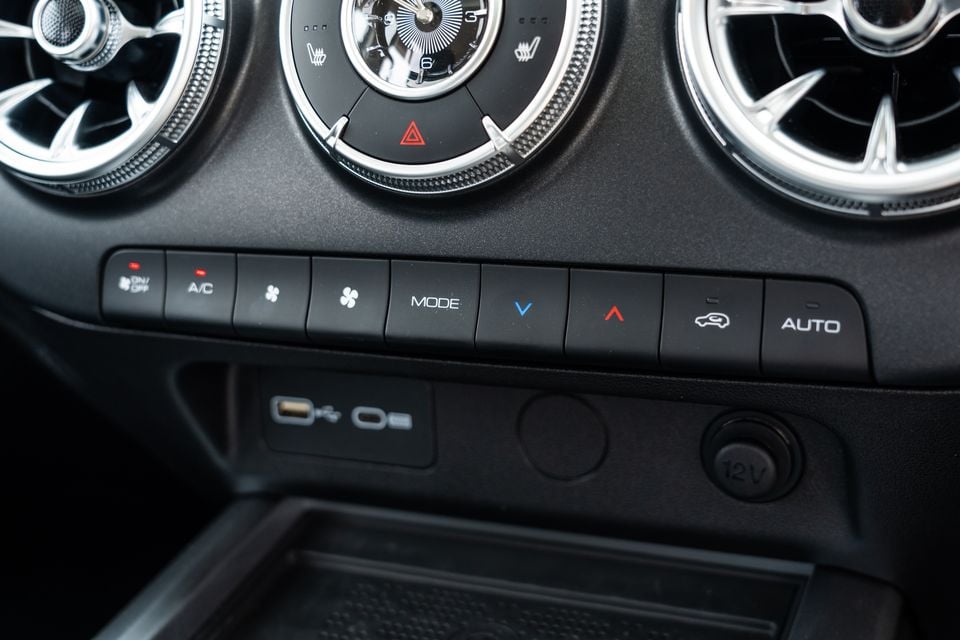
There's a wide array of buttons on the centre console, encompassing drive modes and all sorts of off-road modes, and there's plenty of space here to squeeze in an EV/HEV button for PHEV vehicles.
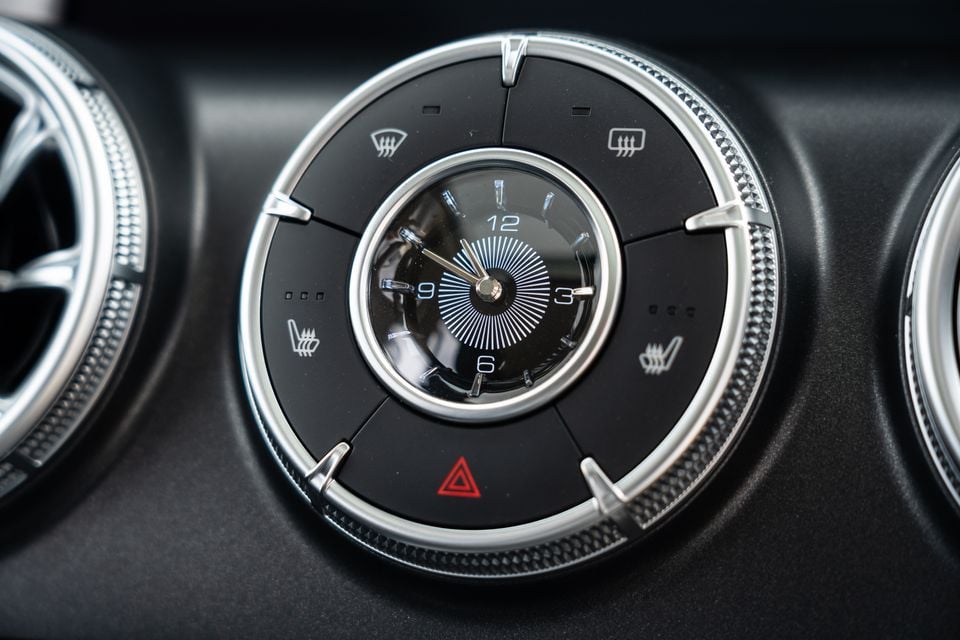
Otherwise, you'll find basic climate controls on the centre stack, below a circular panel with seat heating buttons and a quirky analogue clock, and above a wireless phone charging pad and two USB ports.
Storage is somewhat limited despite the Tank's size. There are two small, removable cupholders that sit deep in the centre console ahead of a standard-sized central bin. The door bottle holders can only fit small bottles, and there are no additional trays or cubbies for discreet oddments stowage.
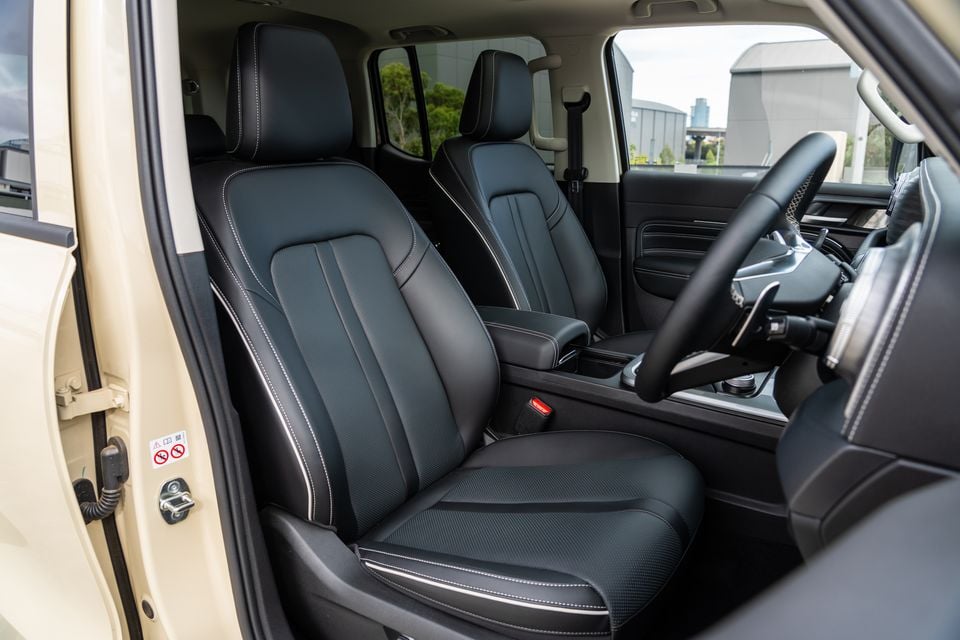
The front seats are fairly comfortable and offer a wide range of power adjustment. Heating is standard and our Ultra tester also had a massaging driver's seat, which feels like it gives you a vague push in the back rather than an actual massage, but still.
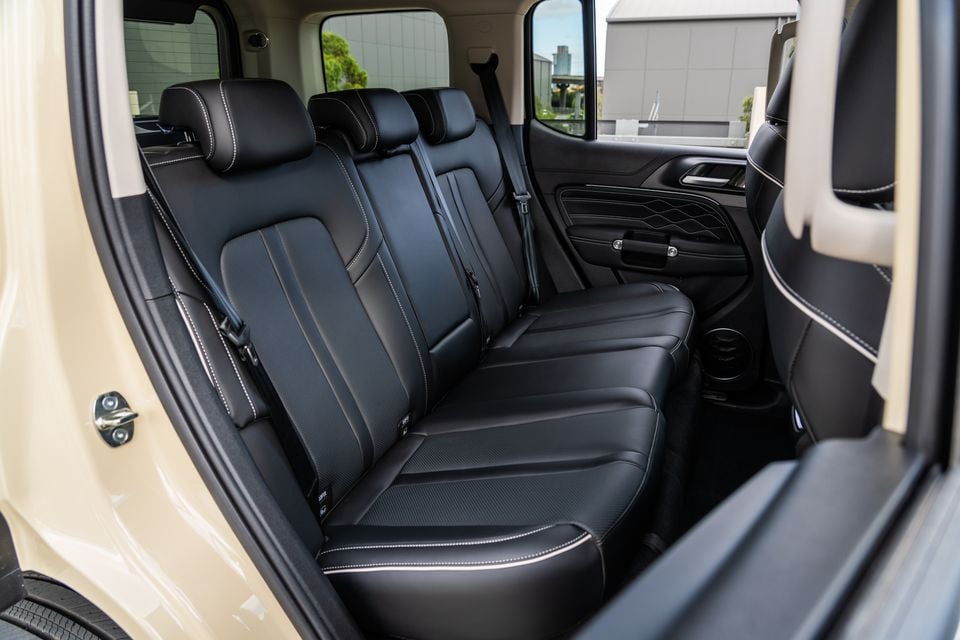
The back seats aren't treated to the same amenities, but they're nonetheless a comfortable place to be. The rear bench is well cushioned, and there's plenty of space all around thanks to the 300's boxy body.
It's quite a step up to get into any seat in the high-riding Tank 300, though second-row occupants can make use of large grab handles on the B-pillars. In fact, the only seat without a handle to pull yourself in is the driver's – presumably in part because of the A-pillar-mounted driver attention monitoring camera.
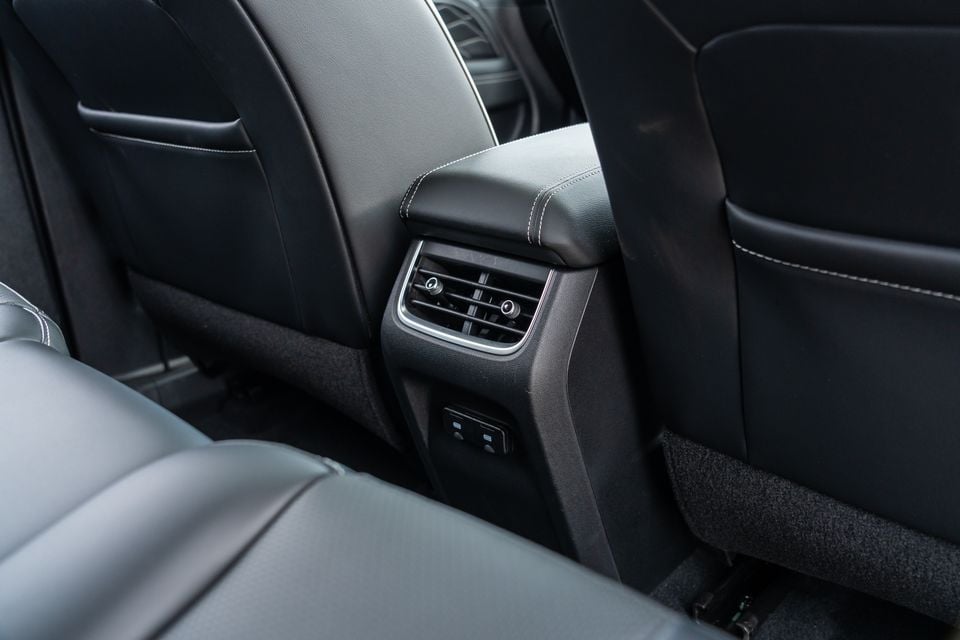
There are side steps running the length of the cabin, and the rear doors open wide enough for people of all sizes, but fitting child seats might be a squeeze. Passengers back here can also make use of two USB-C ports, rear-facing air vents, and a fold-down central armrest with cupholders.
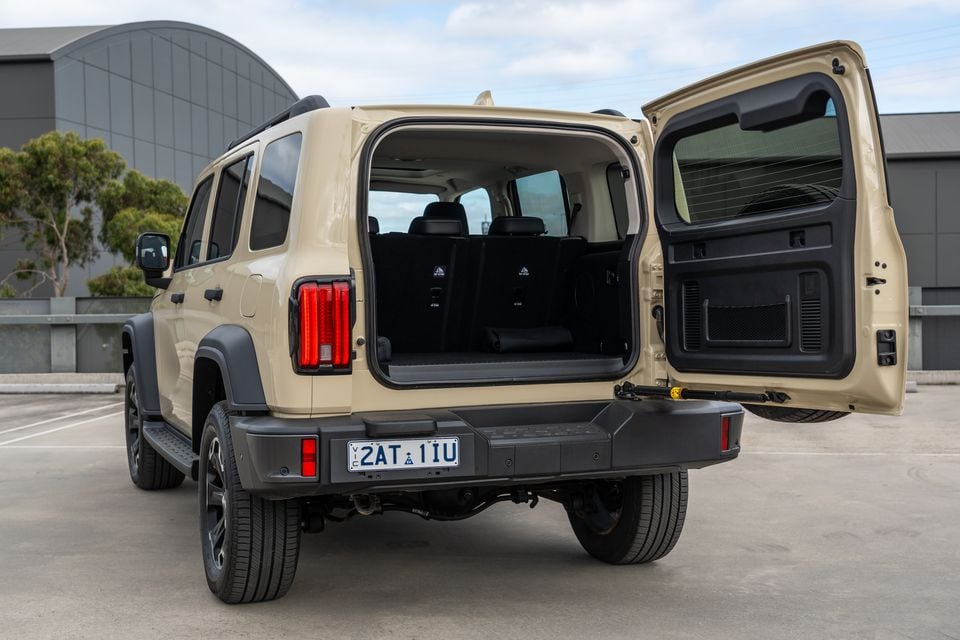
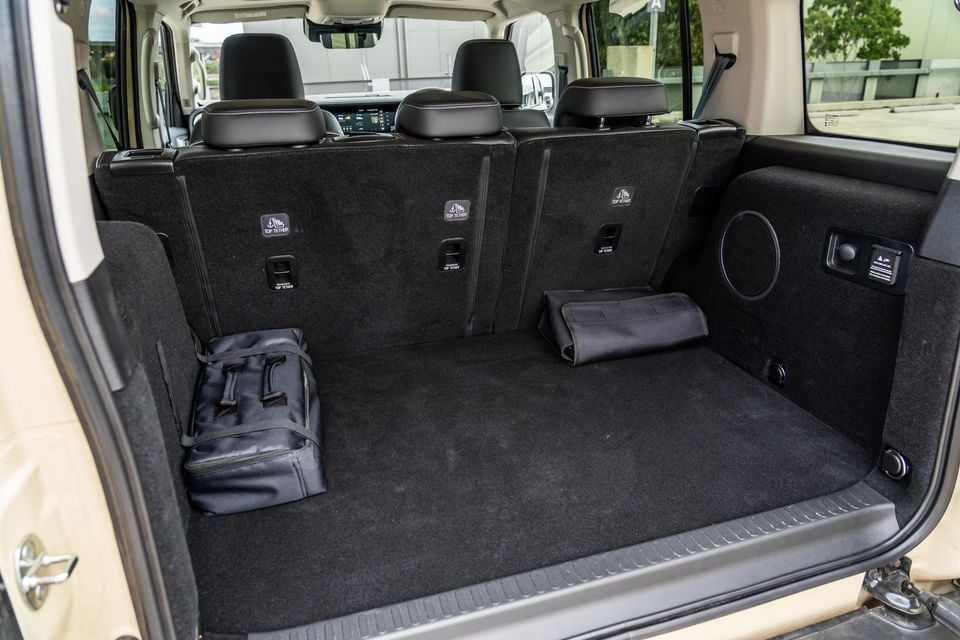
The side-hinged tailgate opens from the correct side (the left/kerb side for Australians) to reveal a modest-sized boot, which is quoted at 360 litres of capacity with the rear seats in place. For context, that's much less than a Toyota Prado (954L behind the second row in five-seat GX and Altitude variants, and 906L for the seven-seaters), though the Tank does claw back a total of 1520L behind the front seats, compared to at least 1829L for the Prado.
However, it's more usable in the metal because the GWM doesn't have a noticeably raised load floor. There isn't anything fancy going on back here, but the Tank 300's cargo area does sit at a comfortable height for loading and unloading.
You get a couple of tie-down points scattered around, and the square, flat floor makes packing easy.
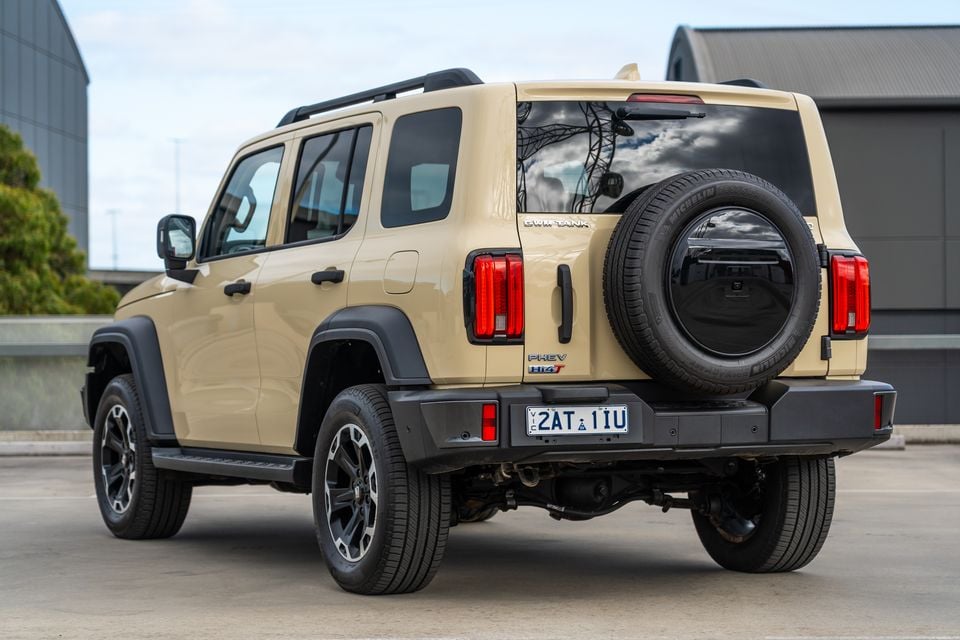
A full-size spare wheel is also standard, mounted on the outside of the tailgate.
Dimensions | GWM Tank 300 PHEV |
|---|---|
Length | 4760mm |
Width | 1930mm |
Height | 1903mm |
Wheelbase | 2750mm |
Cargo capacity | 360L (rear seats up) |
To see how the GWM Tank 300 stacks up against the competition, use our comparison tool
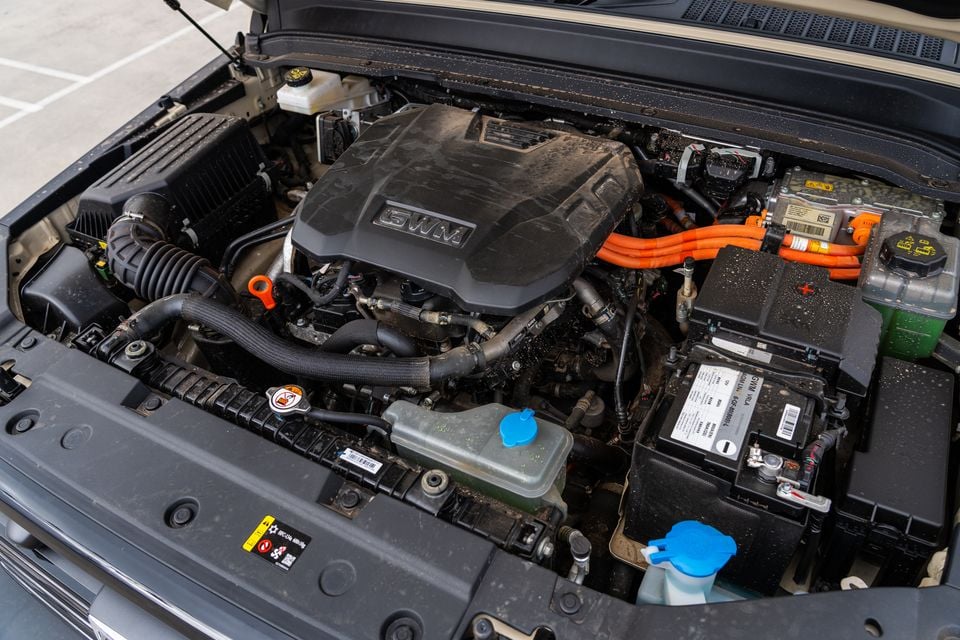
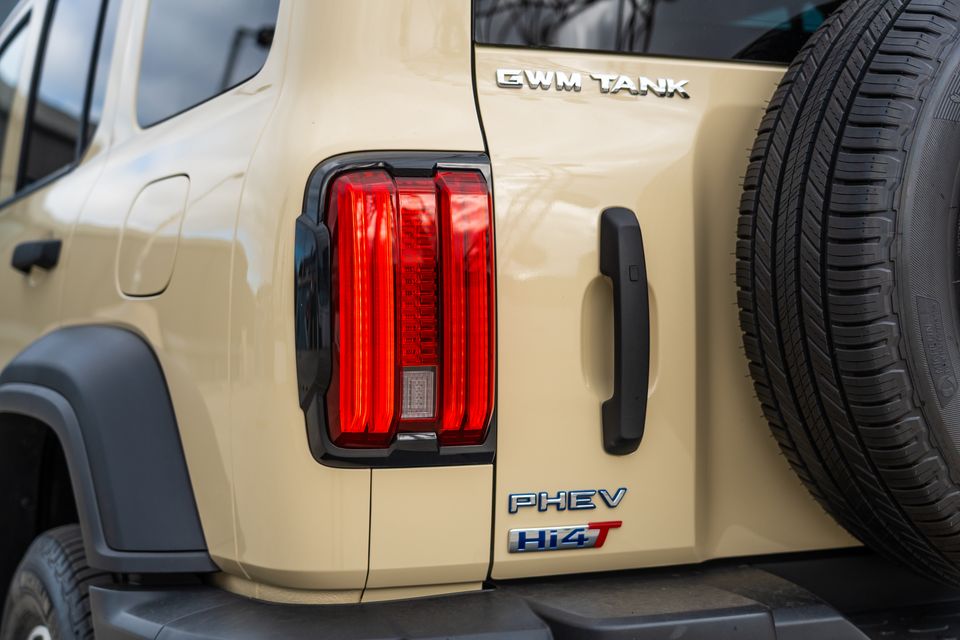
At the heart of the Tank 300 PHEV is a 2.0-litre turbocharged four-cylinder petrol engine producing 180kW of power and 380Nm of torque, mated to an electric motor producing 120kW and 400Nm. Total outputs are quoted at 300kW and 750Nm.
Specifications | GWM Tank 300 PHEV |
|---|---|
Engine | 2.0L 4cyl turbo-petrol |
Engine outputs | 180kW / 380Nm |
Electric motor outputs | 120kW / 400Nm |
System outputs | 300kW / 750Nm |
Battery | 37.1kWh NMC |
Transmission | 9-speed Hybrid Transmission |
Drive type | Part-time 4×4 |
0-100km/h (claimed) | 6.3s |
Fuel economy (claimed) | 1.9L/100km |
Fuel economy (as tested) | 9.4L/100km |
Energy consumption (claimed) | 27.2kWh/100km |
Energy consumption (as tested) | 8.7kWh/100km |
Electric driving range (NEDC) | 115km |
Fuel tank capacity | 75L |
Fuel requirement | 91-octane regular unleaded |
CO2 emissions | 43g/km |
Emissions standard | Euro 5 |
Kerb weight | 2615kg |
Payload | 610kg |
Braked tow capacity | 3000kg |
Gross vehicle mass (GVM) | 3225kg |
Gross combination mass (GCM) | 6261kg |
Max. DC charging speed | 50kW (24min 30-80 per cent) |
Drive is then sent to a part-time four-wheel drive system via a dedicated nine-speed hybrid transmission. The PHEV variants have the most powerful Tank 300 powertrains available, surpassing the 258kW/648Nm outputs of the plugless hybrid.
Our week with the car involved highway commuting and country driving. Much of it was with a relatively low battery charge, hence the low energy consumption, and average fuel consumption that came close to GWM's 'low charge' claim but isn't all that frugal.
It's also worth noting that there were some issues charging the Tank 300, as it often took multiple attempts to actually get it charging, including plugging in and unplugging several times before the electricity began to flow.
To see how the GWM Tank 300 stacks up against the competition, use our comparison tool
Fundamentally, the Tank 300 PHEV does a lot right.
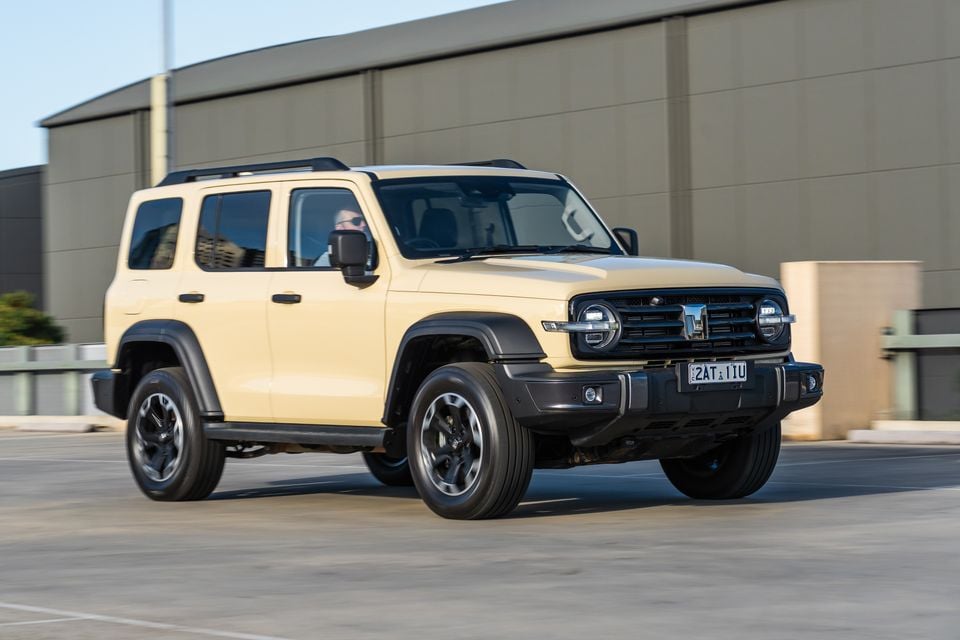
Its powertrain is generally smooth and well-sorted. It'll happily chug along in EV mode with no engine assistance, or behave somewhat like any other plugless hybrid depending on the circumstances.
You can get it to behave in certain ways by adjusting the drive settings, which is done by sifting through the infotainment screen as mentioned above. There are three options available: HEV, which uses the engine and electric motor equally; EV, for electric-only driving; and Intelligent.
The latter is the one we enjoyed most, as it drives the car in hybrid mode while also using the engine to keep the battery charged to at least 25 per cent. If you're coasting, it'll shut off the engine to save fuel.
If you need more power, it'll use the engine and motor in combination for the full monty. The only issue when doing so is there's quite a delay, especially from a standstill.
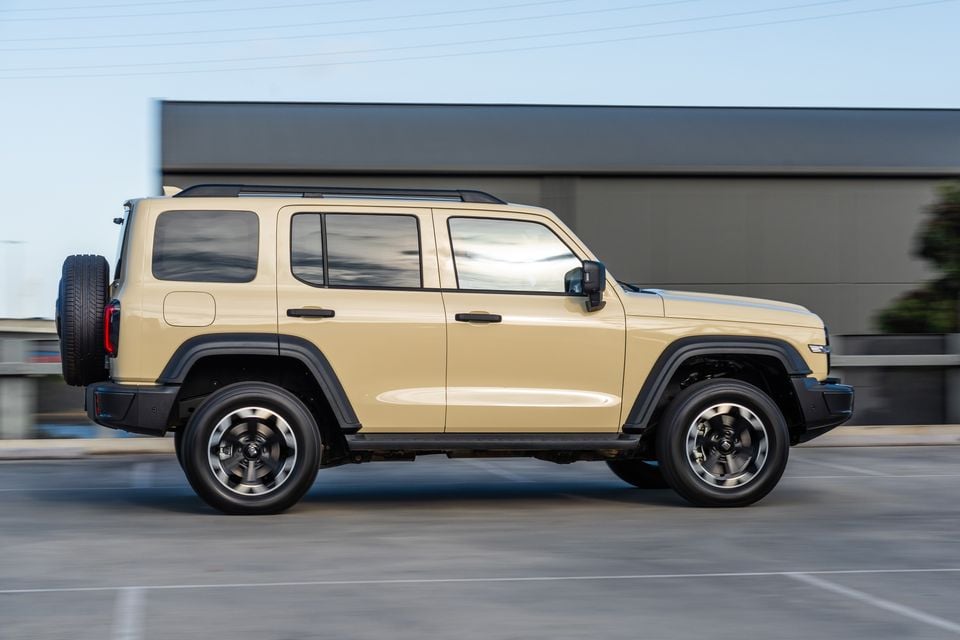
After you plant the throttle, it's as if the car says "okay, you want more power, let me first fire up the engine, then I will select the correct gear, and then we will be good to go". It just takes a second too long to wake up if you're pulling out onto a high-speed road, but it's plenty sharp once you're already rolling.
When you do have full power, it's easy to break traction at the rear-end. That's nothing a lighter right foot won't fix, but it's worth taking care on a wet road.
The transmission is at least sensible and smooth, and never truly made itself known during our week with the car. You do have the advantage of paddle shifters if you want to take control yourself, but we never felt like the gearbox didn't manage things well enough on its own.
The braking performance also feels conventional, which is something that isn't guaranteed in all hybrid vehicles given their tendency to combine friction and regenerative braking. There are a handful of regenerative strengths to choose from, but they're annoyingly toggled exclusively via the touchscreen.
CarExpert brings together reviews, research tools and trusted buying support, guiding you from research to delivery with confidence.
The stronger settings didn't feel particularly natural to us either, so we stuck with the weakest regen mode, which feels a lot like the engine braking effect in a non-hybrid automatic car. Despite its size, it's 'normal' elements like these that make the Tank 300 PHEV less intimidating to drive.
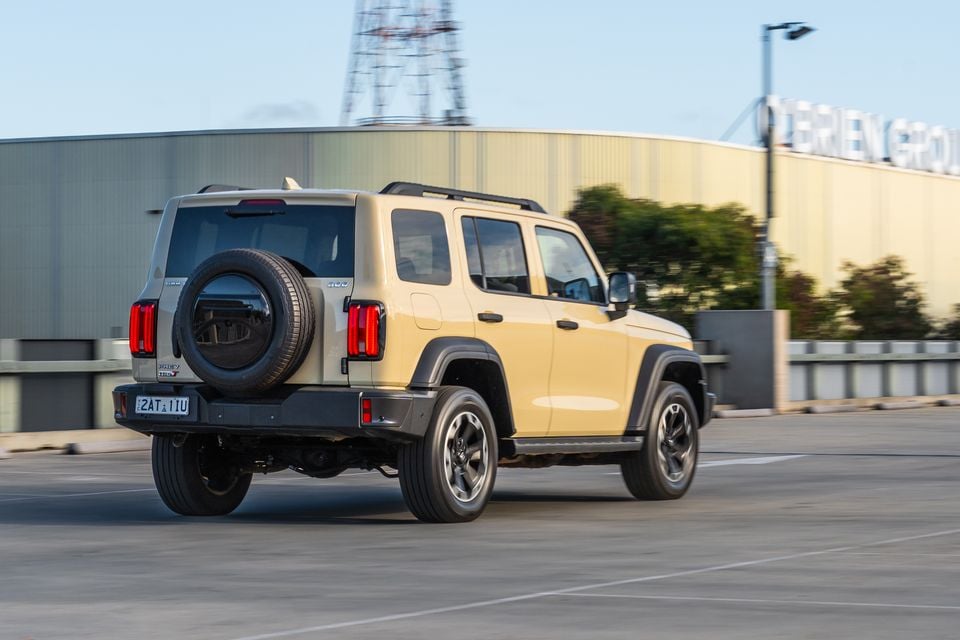
But the Tank 300 PHEV's biggest strength is its ride and refinement. It is incredibly comfortable by ladder-frame SUV standards, and its ride quality exceeds that of most body-on-frame rivals like the Prado. Regardless of whether that's due to GWM's local chassis tuning or the extra weight of the PHEV battery, it's refreshingly good.
That makes it easy to spend long stints behind the wheel, and even rough Victorian backroads can't do much to unsettle this Tank. Occupants may still notice some roughness, particularly those seated in the back, but that's to be expected of any ladder-frame vehicle.
As for refinement, the PHEV is obviously smoother than the diesel, with practically no vibration transmitted into the cabin, and road noise is also impressively muffled. That's exactly what you want in a car that can be driven as a whisper-quiet EV, and it's certainly a highlight of the Tank 300 PHEV.
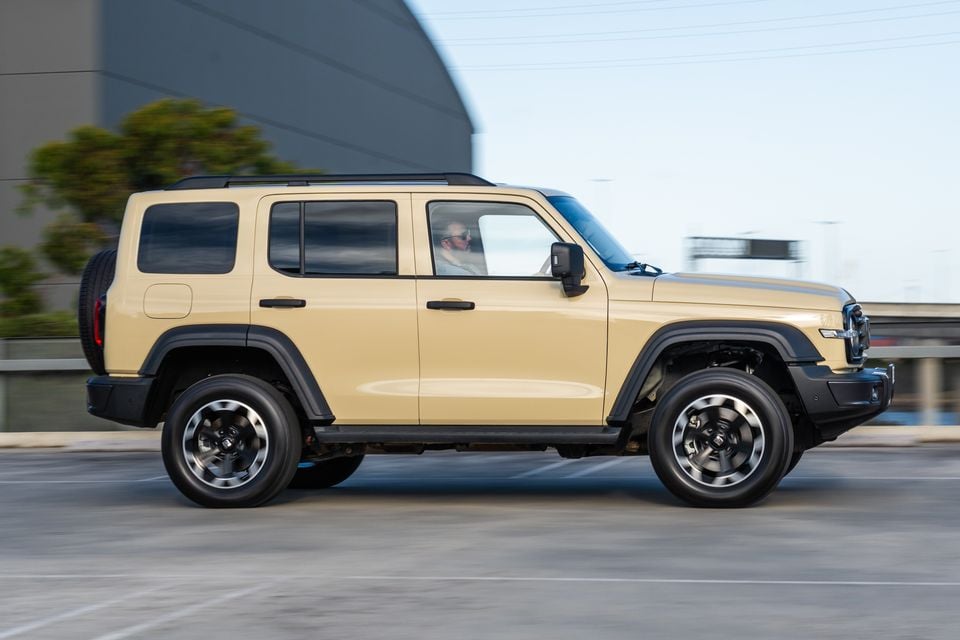
The steering feels appropriate if unexceptional. It's not particularly communicative or direct, even for a big off-road SUV, but it's just heavy enough to suit the character of the Tank.
Unfortunately, there are still some infuriating tech-related safety issues in the Tank. Though the lane-keeping system still exhibits its old trait of 'locking' the steering wheel if it thinks you're driving too close to a solid white line, it's been dialled way back to being barely noticeable. That's a huge relief.
However, a new issue made itself known. Despite behaving well for most of the week, I drove it after having it parked up for a day, only for a voice to pipe up telling me I had exceeded the posted speed limit.
It also told me to "please drive carefully" every time I approached a mildly tight bend, which was every 15 seconds on that particular drive through regional Victoria. Turning off the traffic sign recognition and winding the voice alert volume all the way down had no effect.
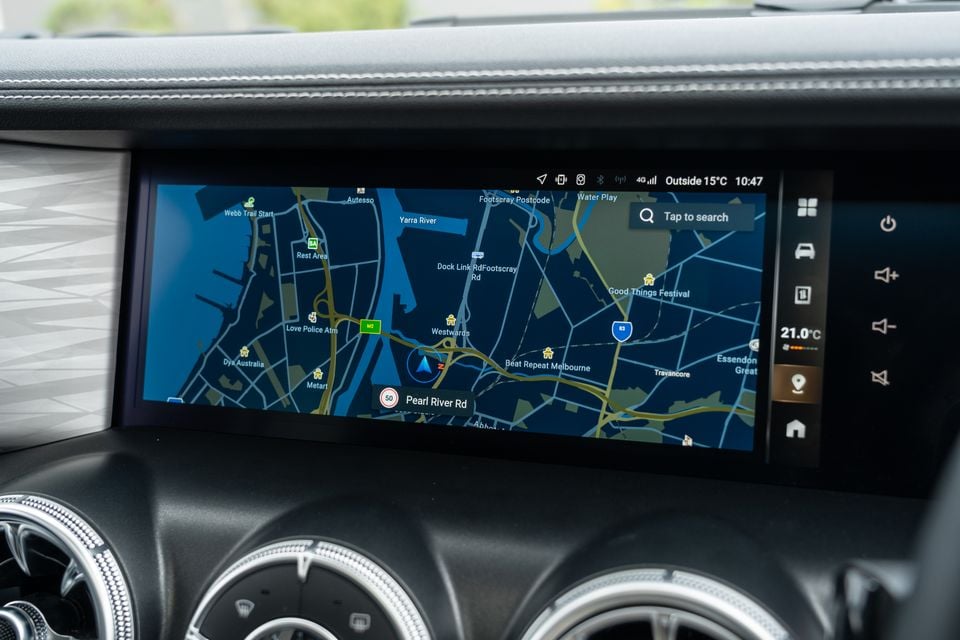
It was only once I muted the car's native sat-nav system that it shut up. That was mind-boggling, partly because I had no navigation active, but mostly because I didn't even have the app open – I was using Apple CarPlay as I normally do. At least it could be completely muted.
Another smaller gripe has to do with the car's surround-view monitor. Camera views will appear when reversing, as usual, but when you get close to something behind, it'll shift from a rearward view to a top-down view with a 'transparent' chassis, which makes it impossible to accurately gauge distance.
These things aren't the end of the world, but they are disappointing in a new model variant of a model that has been on sale for nearly four years. Once again, we're sure some software tweaks could remedy a lot of these issues.
As a PHEV, though, the Tank 300 drives quite well. Once you've figured out what safety settings work best for you, it's actually an enjoyable SUV to drive.
Off-road dimensions | GWM Tank 300 PHEV |
|---|---|
Track front and rear | 1608mm |
Ground clearance | 222mm |
Approach angle | 32º |
Departure angle | 33º |
Ramp breakover angle | 22º |
Wading depth | 700mm |
To see how the GWM Tank 300 stacks up against the competition, use our comparison tool
Despite the multitude of powertrains, only two trim levels are available for the GWM Tank 300.
2026 GWM Tank 300 Lux equipment highlights:
Tank 300 Ultra adds:
The Ultra petrol removes DAB+ digital radio, satellite navigation, and wireless smartphone mirroring.
To see how the GWM Tank 300 stacks up against the competition, use our comparison tool
The GWM Tank 300 has a five-star ANCAP safety rating based on testing conducted in 2022.
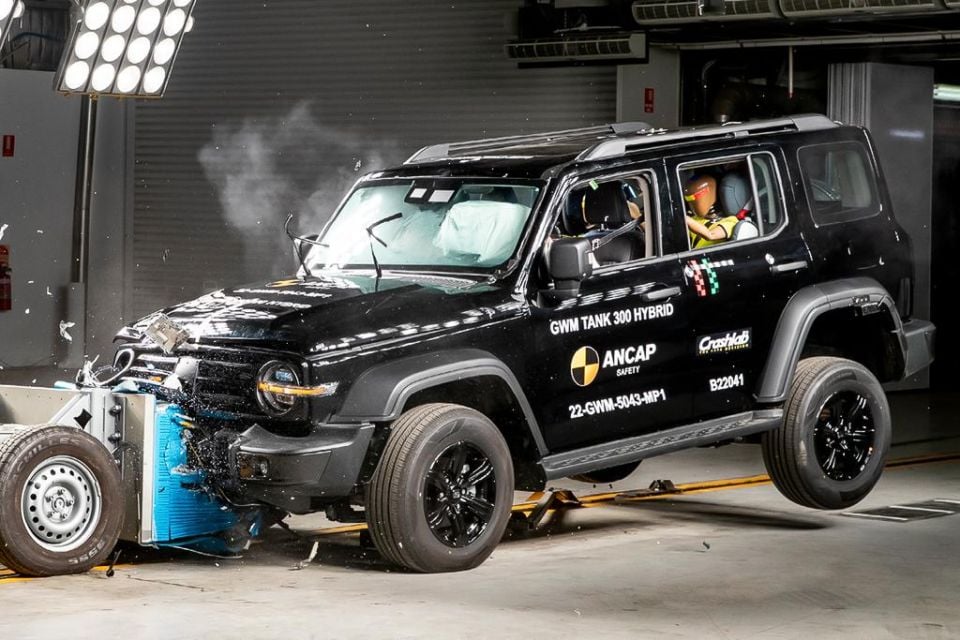
Category | GWM Tank 300 |
|---|---|
Adult occupant protection | 88 per cent |
Child occupant protection | 89 per cent |
Vulnerable road user protection | 81 per cent |
Safety assist | 85 per cent |
Standard safety equipment highlights:
Tank 300 Ultra Hybrid, Lux PHEV, and Ultra PHEV add:
To see how the GWM Tank 300 stacks up against the competition, use our comparison tool
GWM Australia backs its range with a seven-year, unlimited-kilometre warranty, and its hybrid and PHEV batteries with eight-year, unlimited-kilometre coverage. Servicing for the Tank 300 PHEV is first required after 12 months or 10,000km, with subsequent services stretching to 15,000km intervals.
Servicing and Warranty | GWM Tank 300 PHEV |
|---|---|
Vehicle warranty | 7 years, unlimited kilometres |
High-voltage battery warranty | 8 years, unlimited kilometres |
Roadside assistance | 7 years |
Service intervals | 12 months or 10,000km first, then 15,000km |
Capped-price servicing | 7 years |
Average annual service cost | $579.26 |
Total capped-price service cost | $4055 |
GWM Australia's individual service prices are detailed below:
Service | Price |
|---|---|
12 months, 10,000km | $320 |
24 months, 25,000km | $460 |
36 months, 40,000km | $460 |
48 months, 55,000km | $685 |
60 months, 70,000km | $685 |
72 months, 85,000km | $1075 |
84 months, 100,000km | $370 |
To better compare it against rivals, the first five years of Tank 300 PHEV maintenance totals $2610, while the Toyota Prado costs more than that at $3950 over the same period.
The Ford Everest is covered by a $1596 five-year service plan, while the Denza B5 costs $3220. While that means the Tank 300 PHEV's service pricing is competitive over five years, we can't ignore the sixth service that'll sting you $1075.
To see how the GWM Tank 300 stacks up against the competition, use our comparison tool
The GWM Tank 300 PHEV is a great idea in concept, but imperfect in execution.
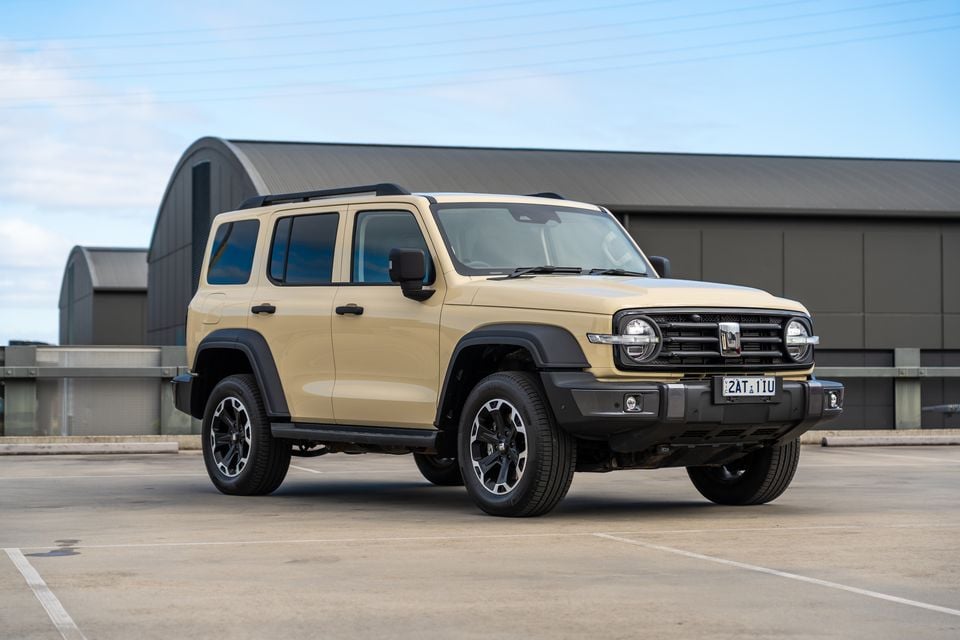
As a plug-in hybrid, it offers solid performance, noticeable efficiency benefits, and a smooth and quiet drive, just as it should. It also avoids the tendency of some PHEVs to feel a little unusual once you're on the move.
Its interior is as plush as other Tank 300s, and it's certainly a nice place to spend time. It's just that once you actually start using the vehicle and living with it, its flaws become a touch too hard to ignore.
The fact there are no dedicated physical buttons to configure this capable PHEV is a real shame, and suggests the PHEV system was bolted into a non-PHEV vehicle with little thought to accompanying user-facing elements. Buttons buried in a screen are not a suitable alternative.
It's the same thing with climate and safety settings, even if they're evergreen complaints with a vast array of modern vehicles.
But it's less forgivable when there are software-related safety bugs like the ones we experienced, and more minor things like the charging hesitancy also sap some confidence. Getting a vehicle to charge using the old-school 'turn off and on again' method doesn't scream $60,000.
It's clear the bones of a great vehicle are here, and the addition of a PHEV powertrain is certainly a benefit, albeit for a reasonably hefty price premium. We'd just like to see a bit more PHEV-specific integration in the cabin, and some more work to iron out some of the software bugs.
When everything's working as it should, the Tank 300 PHEV presents great value, even in top-spec guise. GWM has also shown this platform to be properly capable off-road, and we've seen its PHEVs make it up the infamous Beer O'Clock Hill.
So while our first impressions of the new PHEV-equipped Tank 300 were influenced by some hiccups, some more time in the oven could make this electrified off-roader a value-packed game-changer.
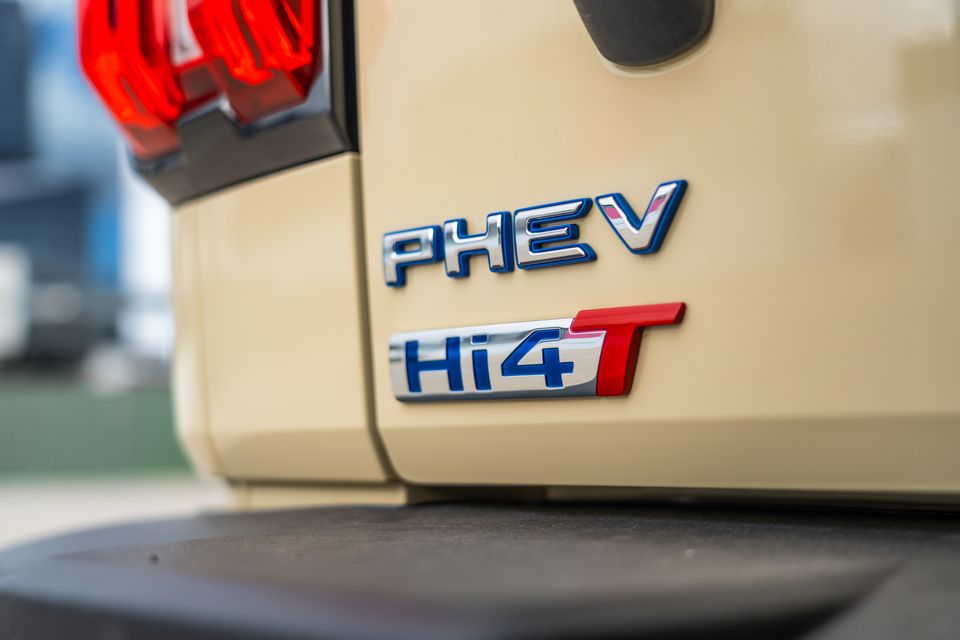
CarExpert can save you thousands on a new GWM Tank 300. Click here to get a great deal.
Click the images for the full gallery
CarExpert brings together reviews, research tools and trusted buying support, guiding you from research to delivery with confidence.
Quickly see how this car stacks up against its competition. Select any benchmark to see more details.
GWM Tank 300
GWM Tank 300 Sales rolling 12-months#
*Based on VFACTS and EVC data
Looking for complete GWM Tank 300 price history?
Our GWM Tank 300 Pricing Page shows exactly how prices have changed over time.
2025
$47,990
2025
$49,990
2026
$57,990
2026
$61,990
Max Davies is a CarExpert journalist with a background in regional media, with a passion for Japanese brands and motorsport.
Add CarExpert as a Preferred Source on Google so your search results prioritise writing by actual experts, not AI.
Max Davies
4 Hours Ago

Andrew Maclean
2 Days Ago

James Wong
5 Days Ago
James Wong
5 Days Ago
James Wong
5 Days Ago
Max Davies
8 Days Ago
Add CarExpert as a Preferred Source on Google so your search results prioritise writing by actual experts, not AI.
# Based on VFACTS and EVC data
† Displayed prices are based on the drive-away price of the vehicle, which includes delivery charges, registration fees, number plates, and applicable road taxes, based on a Sydney location. However, prices may vary between states and territories, and additional costs such as compulsory third party (CTP) insurance, dealer delivery fees, and optional extras are not included. These prices are subject to change without notice and may not reflect current market pricing or dealer offers.
 Automotive Vehicle Spec Data & 4K images Powered by JATO Dynamics Ltd