By now you’ve almost certainly seen the news of the Mitsubishi ASX now being sourced from Europe.
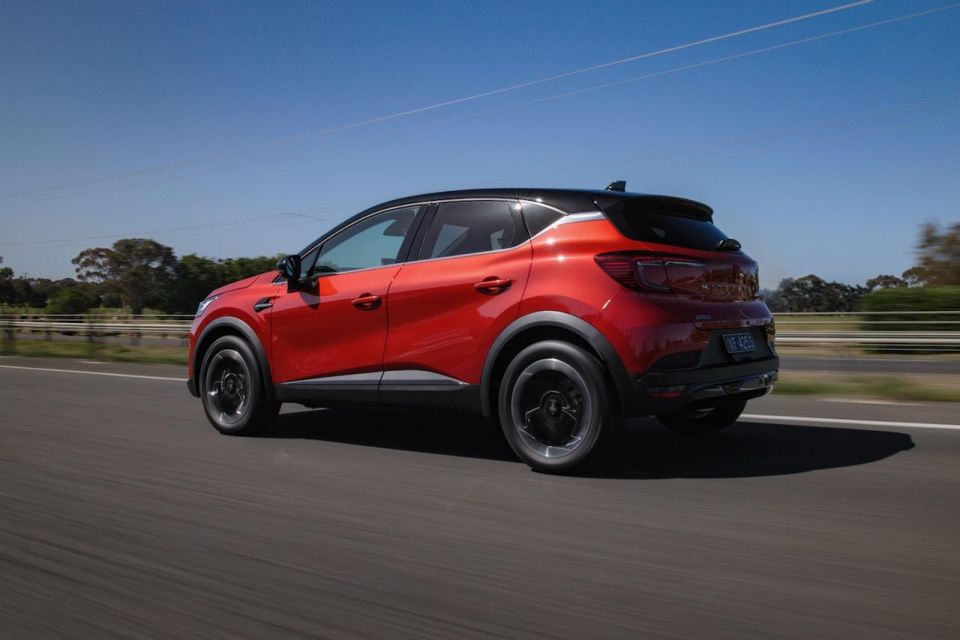
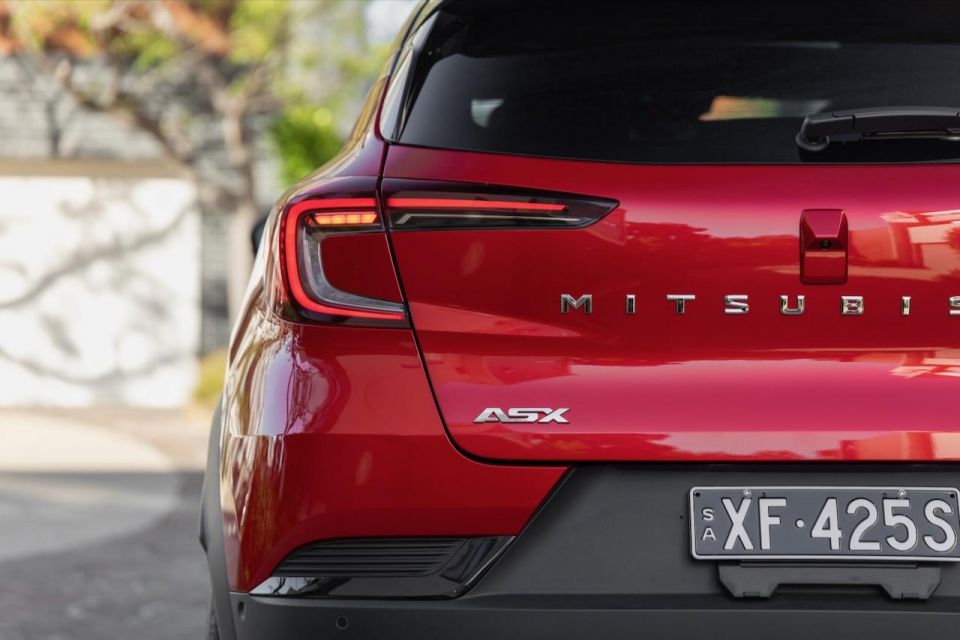
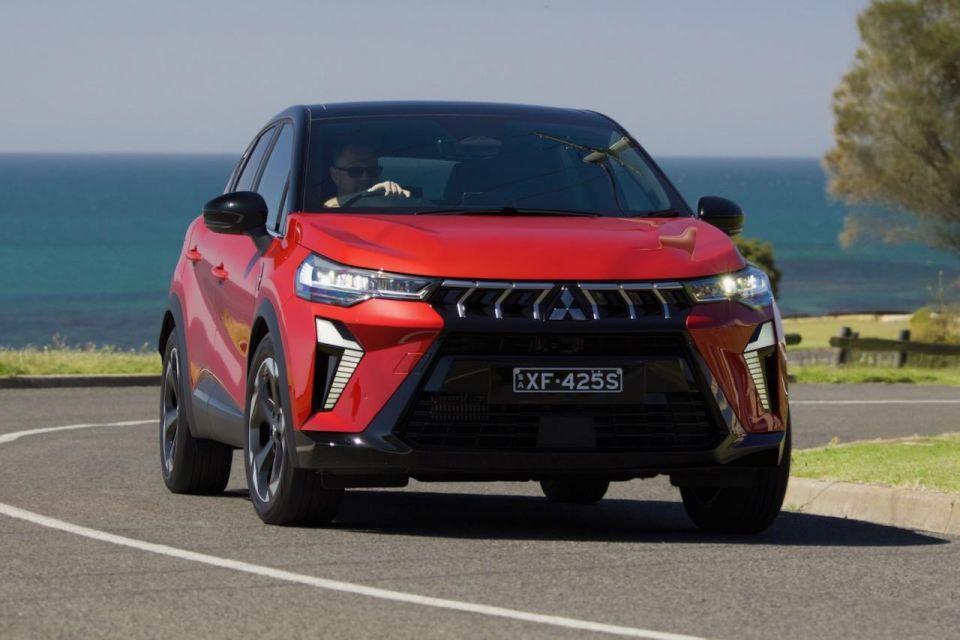
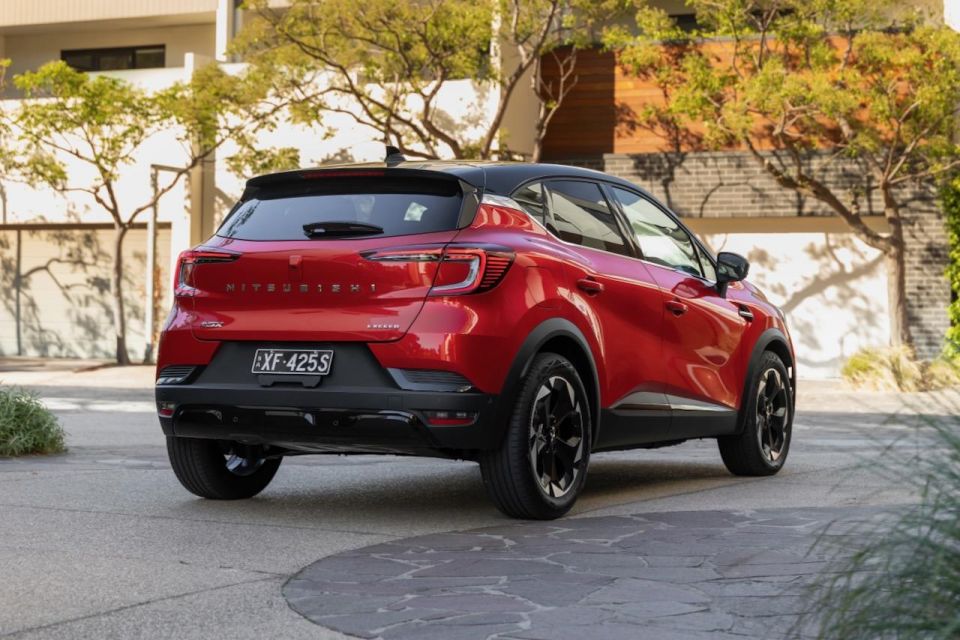
After 15 years on sale in Australia, the much-loved small SUV from Mitsubishi has finally changed to an all-new model – with this one essentially being a rebadged Renault Captur.
It’s all part of the ‘Renault-Nissan-Mitsubishi Alliance’, which allows the three companies to share models and platforms.
On the one hand, we’re losing the reliability and simplicity we’ve come to expect from the Japanese ASX. On the other, the French are known for making cars that are fun to drive.
While it’s easy to be a cynic and think you’re getting a European car without the badge rights, I prefer to think of it the other way around: you’re getting a European car with the warranty of a Mitsubishi – which is more or less the best in the game.
Arguably, the ASX was a strong seller for the brand because of two things: its simplicity, and its price.
The latest model has seen Mitsubishi slim down the ASX range, meaning the now entry-level ASX LS is $7000 more expensive than the previous equivalent – but the cheapest ASX is $13,000 more than before. Heady numbers, indeed.
CarExpert was among the first Australian publications invited to test the new Mitsubishi ASX for the day. This is an important car for Mitsubishi, with the company reduced to just three models on sale: the ASX, the Triton, and the Outlander. Everything else is gone.
So, can the new ASX live up to the success of its predecessor? Let’s find out.
How much does the Mitsubishi ASX cost?
There are now just three grades of ASX available: the entry-level LS, the mid-spec Aspire, and the range-topping Exceed.
| Model | Price before on-road costs |
|---|
| 2026 Mitsubishi ASX LS | $37,740 |
| 2026 Mitsubishi ASX Aspire | $42,690 |
| 2026 Mitsubishi ASX Exceed | $46,490 |
As mentioned, the most affordable new Mitsubishi ASX is now $13,300 more expensive than the previous version. However, comparing variants, the price of the ASX LS has gone up by $7250.
Find your perfect new car with CarExpert
Either way you slice it, it’s not a small price jump for a small SUV – though Mitsubishi would argue it’s a generation newer, and buyers are getting a lot more tech for their money.
To see how the Mitsubishi ASX lines up against the competition, check out our comparison tool
What is the Mitsubishi ASX like on the inside?
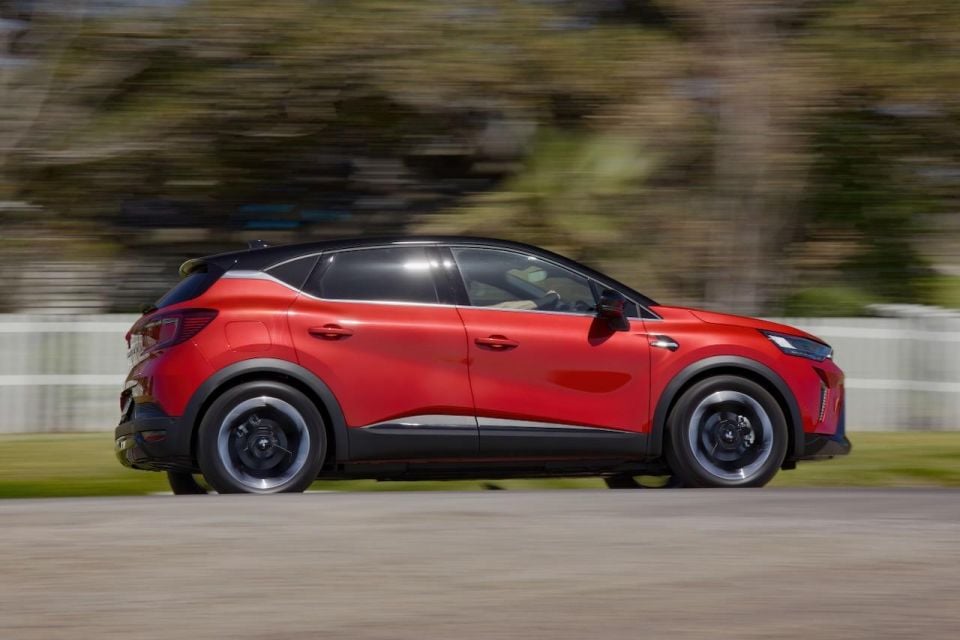
While every other car seems to get bigger and heavier with each new generation, the all-new ASX has actually gotten smaller and lighter.
However, according to Mitsubishi, the ASX has far better cabin packaging, giving the interior greater space than before.
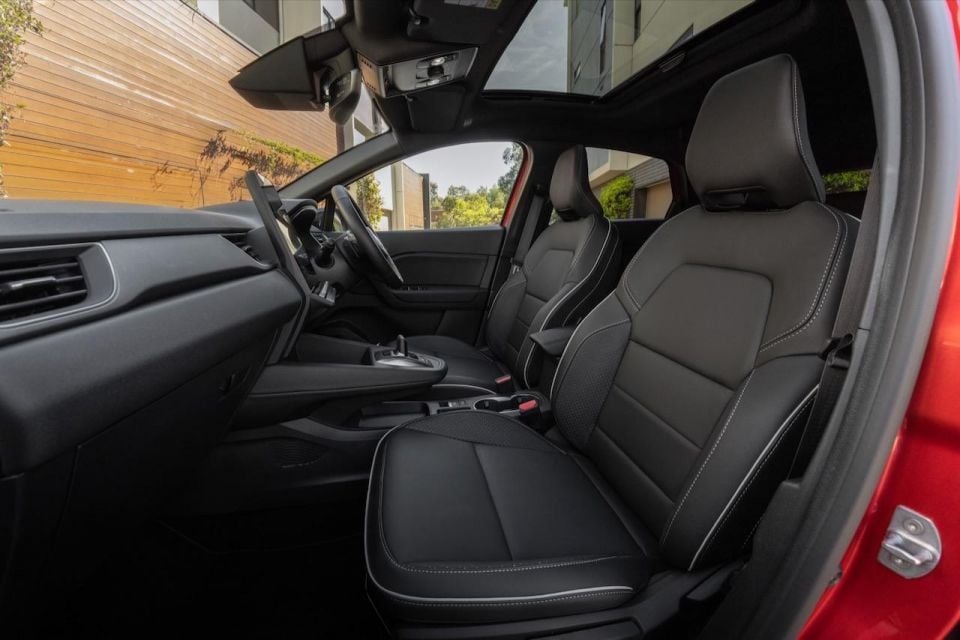
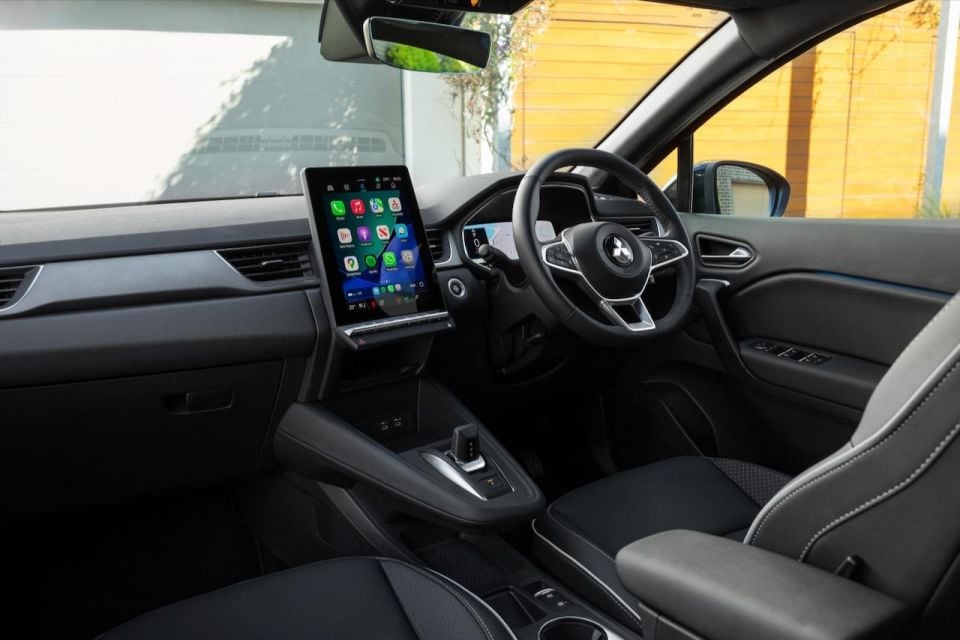
That certainly seems to be the case for front-row occupants, with more than enough room to be comfortable on either short trips to the shops or longer drives in the country.
One thing that struck me as being slightly weird though: there are no grab handles above the doors. So best not to drive like a loon, then.
Unfortunately, we didn’t have access to the entry-level LS variant, but I personally preferred mid-spec ASX Aspire compared to the range-topping Exceed.
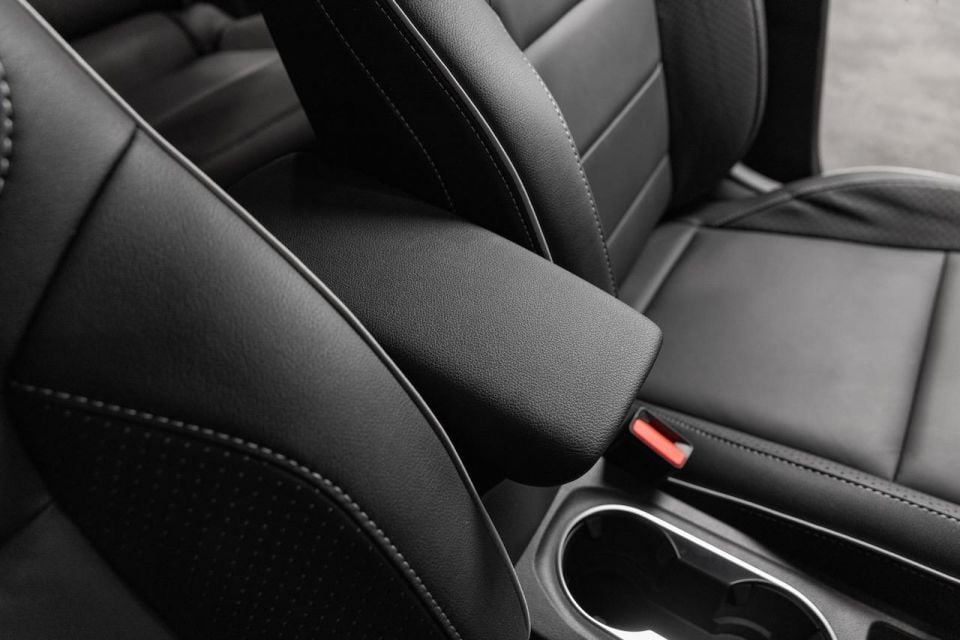
This is subjective, but the light grey cloth upholstery felt more hardy and luxurious than the leather interior, with the lighter shades helping to give the space an airier feel, matching the car’s character.
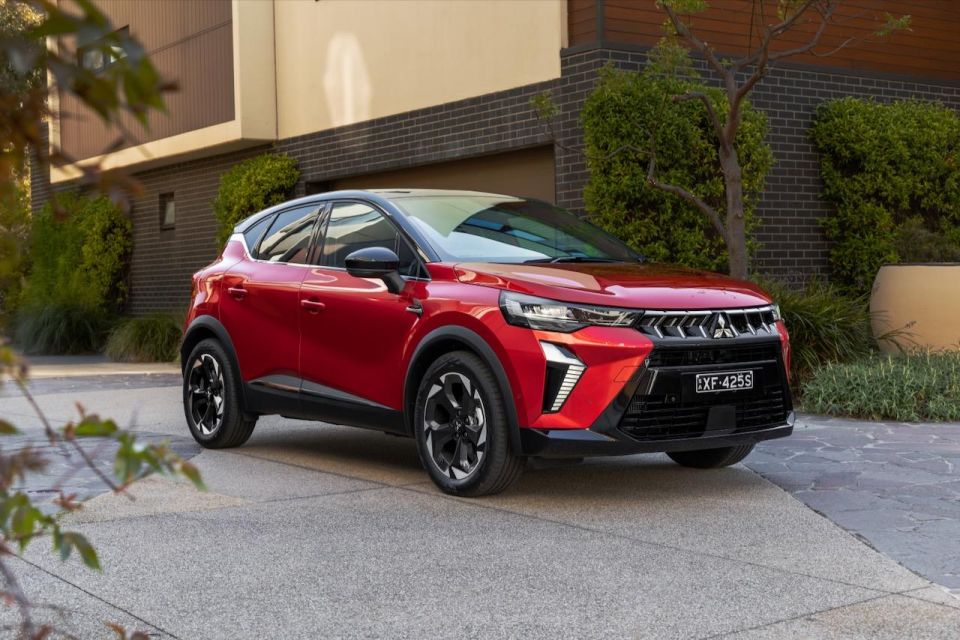
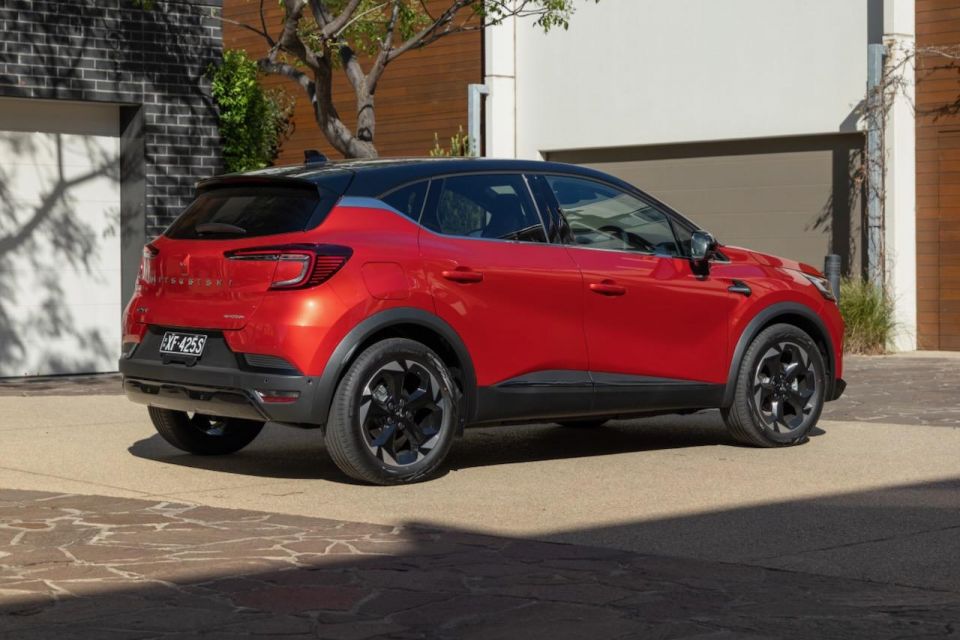
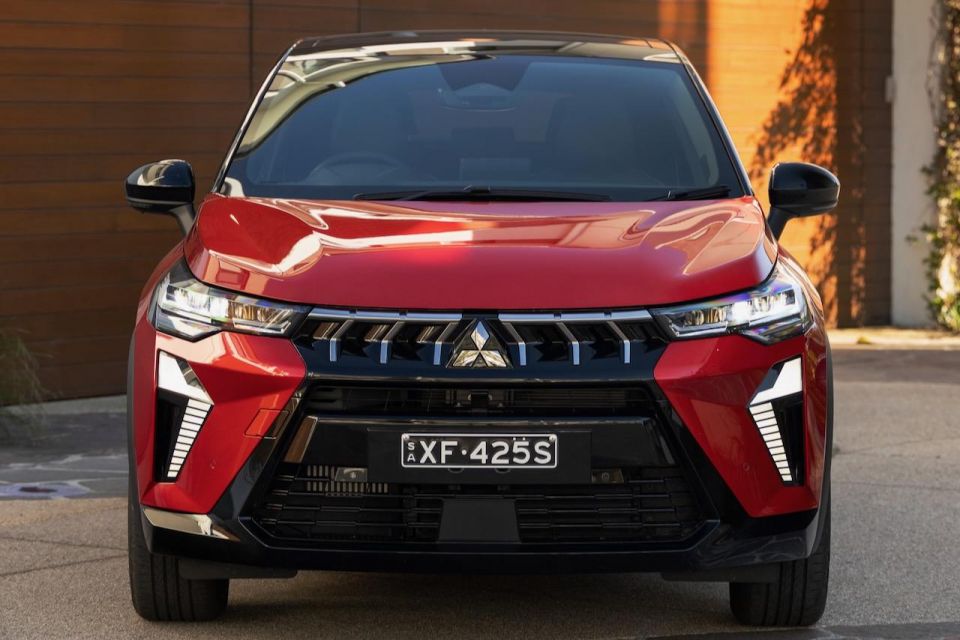
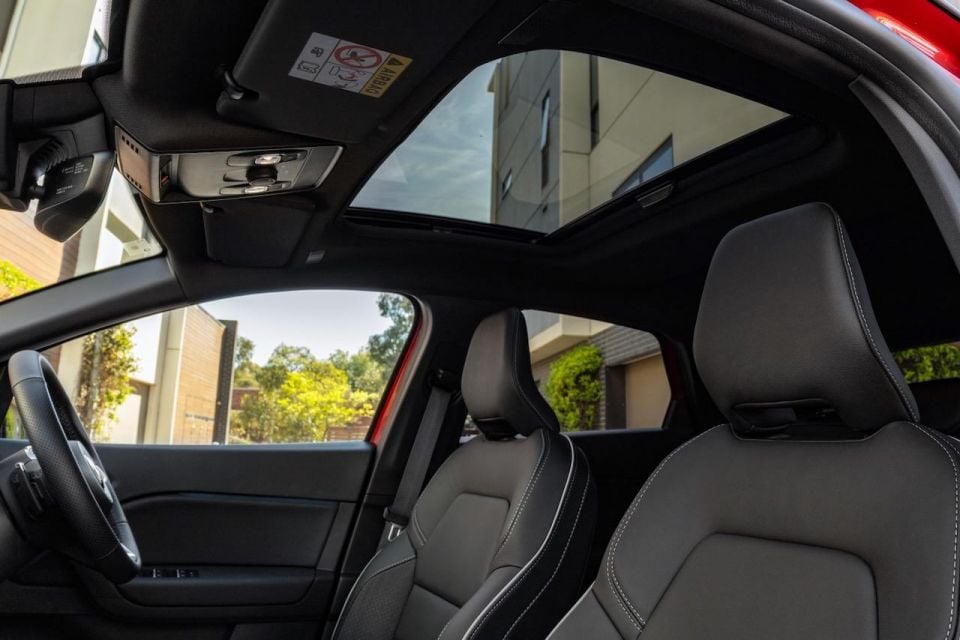
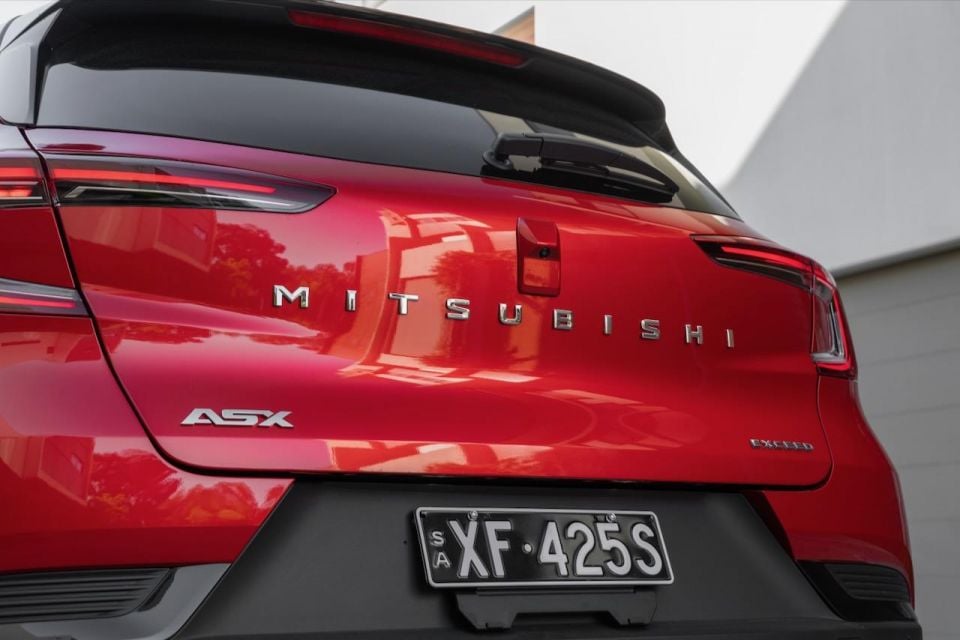
As is usually the case, the images – provided on this occasion by Mitsubishi – only show the more expensive ASX Exceed.
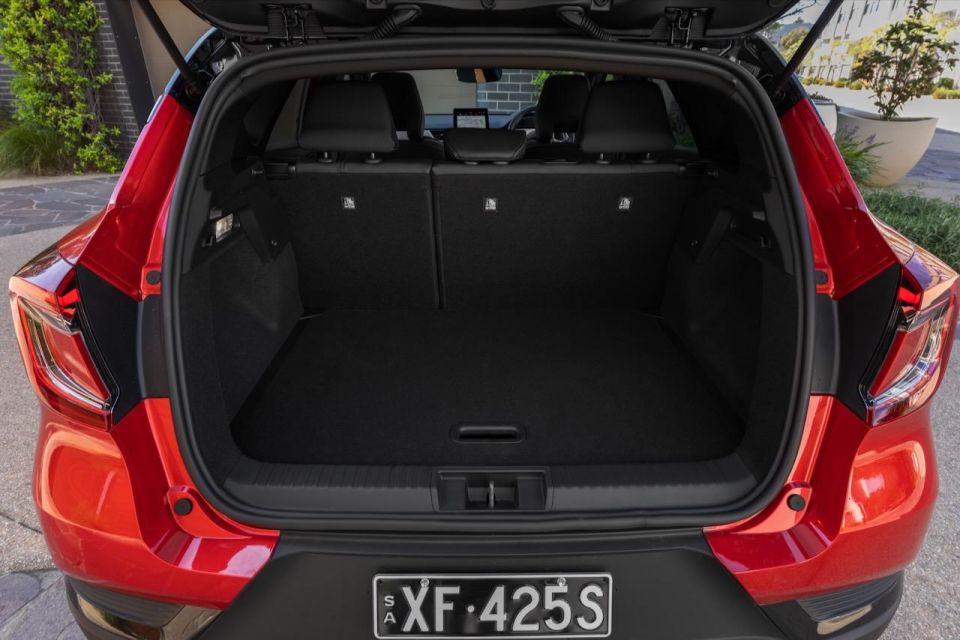
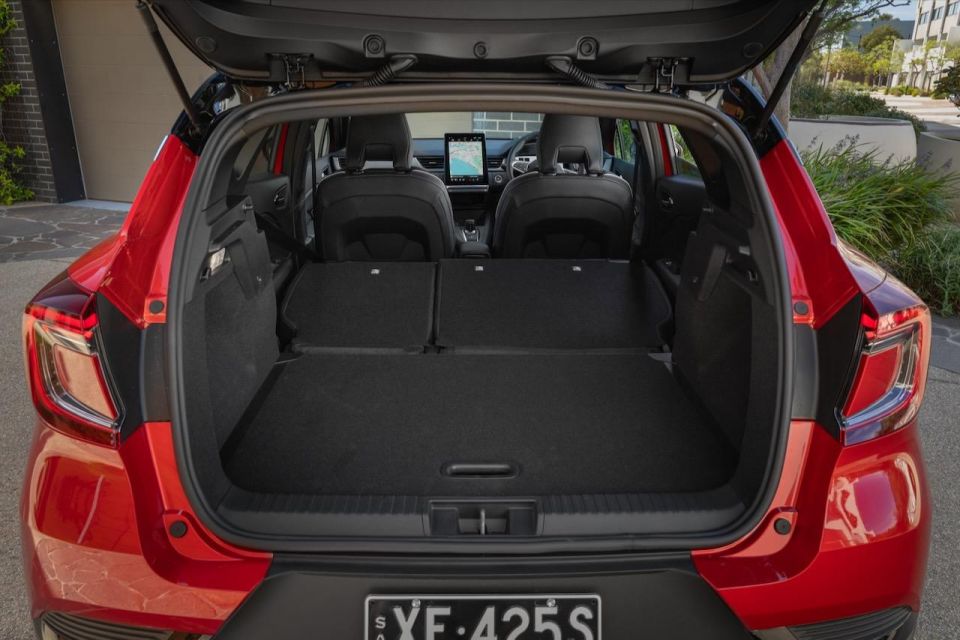
There’s also real usable space in the luggage area, with a false floor providing an additional hidden storage compartment above the spare wheel well – eqauting to 484 litres of boot space, compared to 393L in the old ASX.
Fold the seats down, and there’s 1596L of space to play with – up from 1143L in the last model. Buyers can also option a spare wheel from their dealership if it’s something they need.
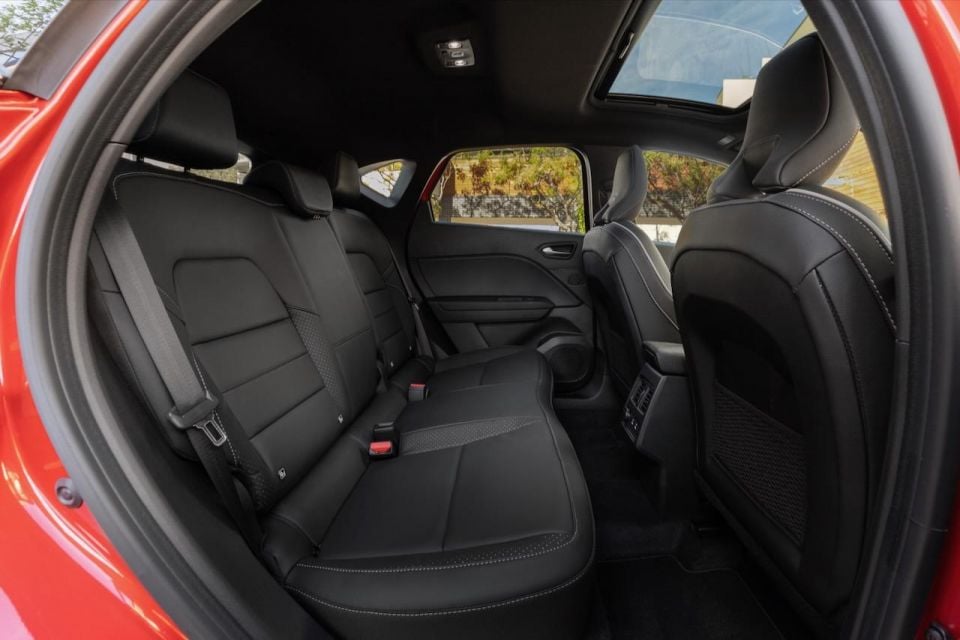
Slide into the back seat, and the C-pillar curves inward, providing little headroom for adults. While rear legroom is decent for a small SUV, it’s not exactly a car for crossing the continent in with a full load of passengers – probably best kept for transporting people on short trips.
However, the ability to slide the rear bench forward or back also allows you to either increase space for passengers or maximise storage space in the boot.
Compared to the front row, the back seat area is quite a dark space – even with the lighter grey cloth of the Aspire – though that isn’t always a bad thing, especially if you’re transporting little ones.
While the previous ASX was very old by passenger-car standards – having been on sale for 15 years – the fact that it was from a previous generation was also part of its charm to some.
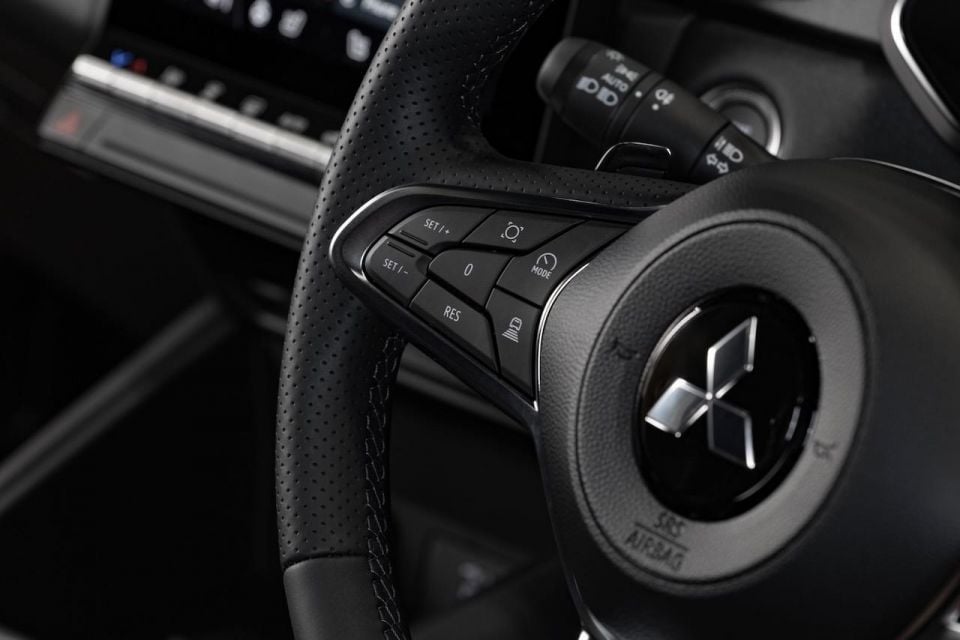
Many new-car buyers would have been stepping out of much older cars and been scared off by the industry’s trend of swapping buttons for big screens and coming up with the least intuitive automatic transmission shifters possible.
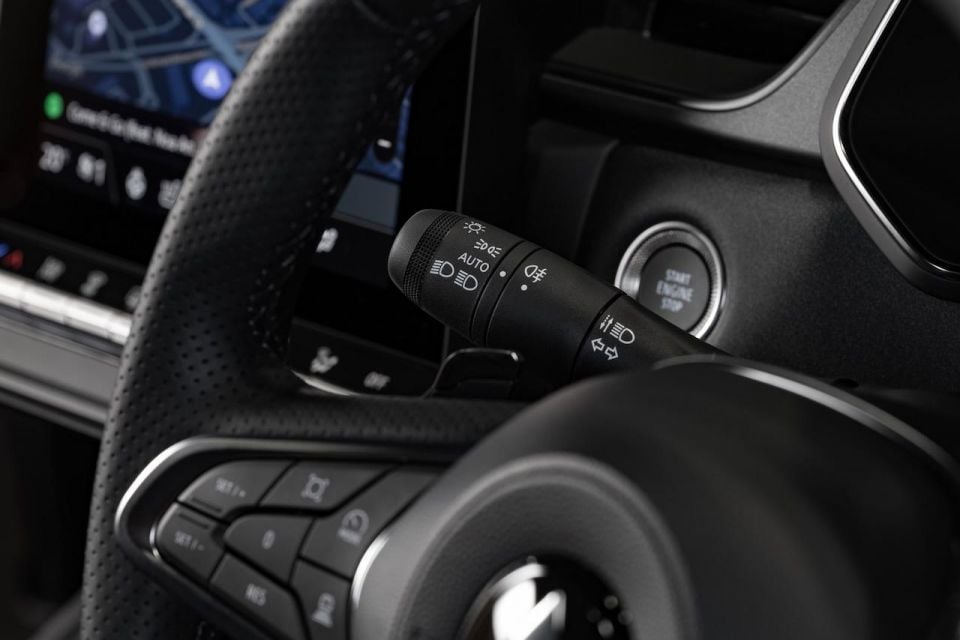
The previous ASX was simple, offering a small screen for infotainment duties along with buttons and stalks exactly where you would expect them.
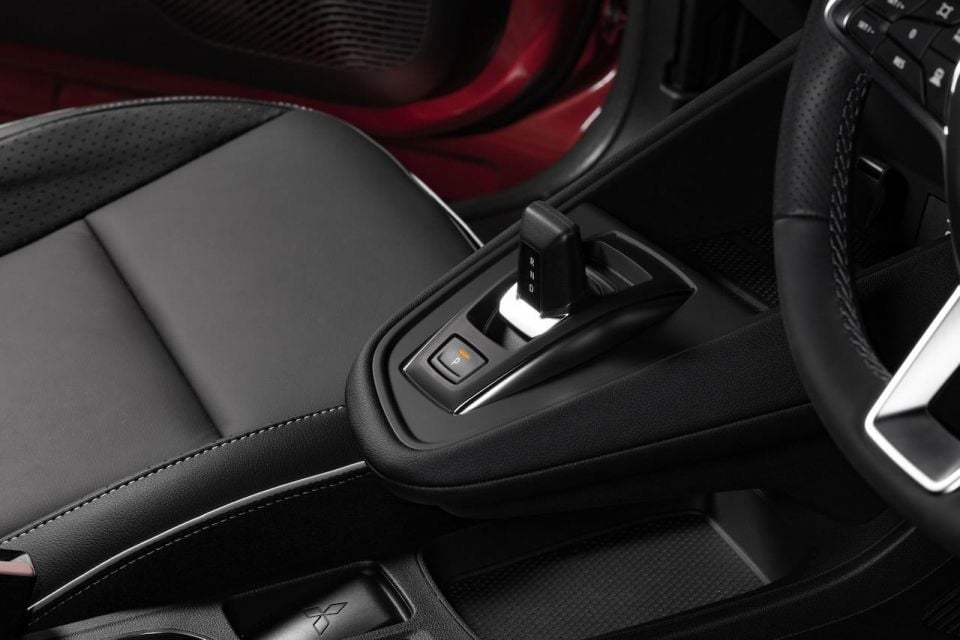
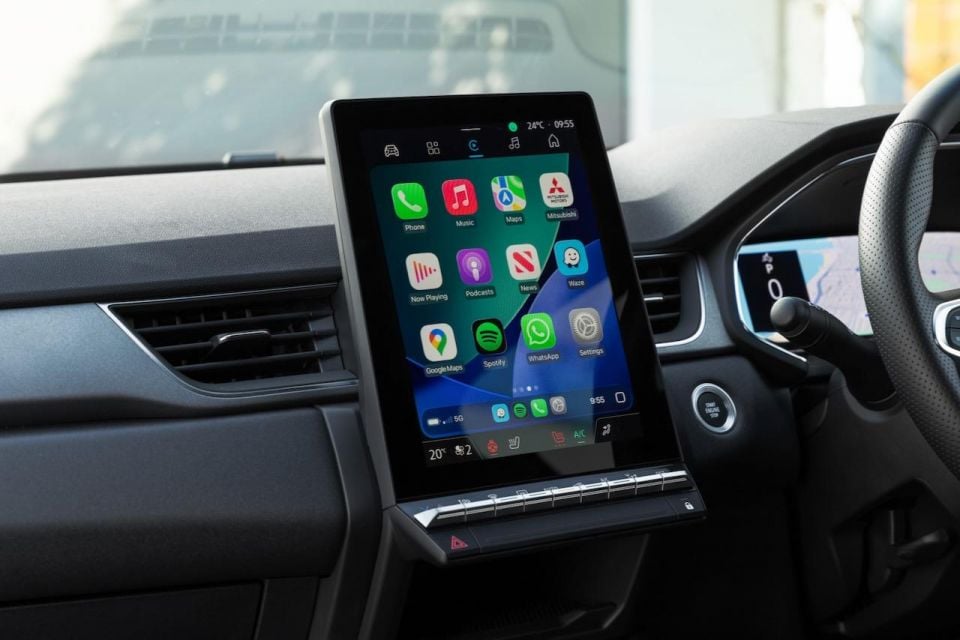
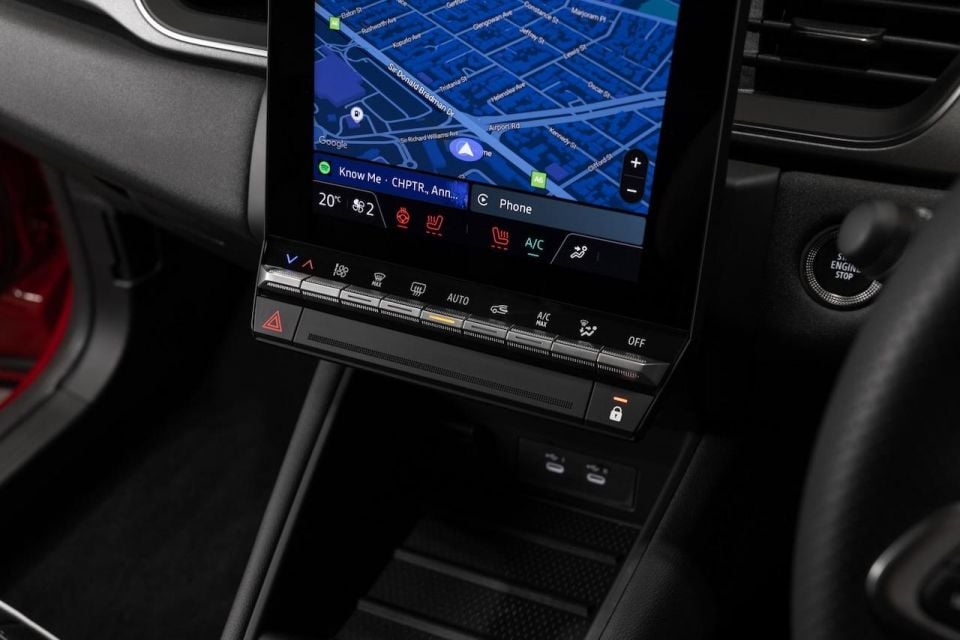
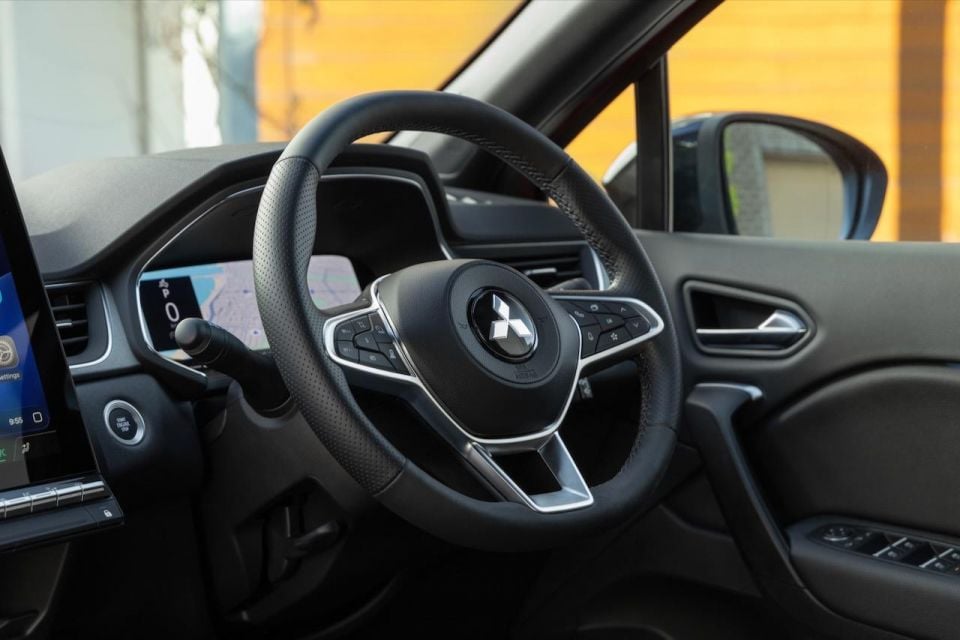
The new ASX has adopted the trend to some extent, now fitted with a large portrait touchscreen that is the car’s central hub, and a little stubby gear shifter on the Aspire and Exceed.
Anything less would have meant it was falling behind the competition, but I fear it will also turn away many older buyers who value simplicity and familiarity.
It’s not class-leading by any means, but the infotainment system is relatively quick and has a good user interface, and the audio system should keep most folks happy.
While it’s still nice to have, the reverse camera is just barely one step above a potato. For the extra money being asked for the new ASX, it’s a little disappointing to see – however, this was one of my very few gripes with the ASX overall.
| Dimensions | Mitsubishi ASX |
|---|
| Length | 4238mm |
| Width | 1797mm |
| Height | 1585mm |
| Wheelbase | 2639mm |
| Cargo capacity | 484-1596L |
To see how the Mitsubishi ASX lines up against the competition, check out our comparison tool
What’s under the bonnet?
Gone are the 2.0-litre and 2.4-litre non-turbo four-cylinder petrol engines – instead, at launch, there’s only one option available: a 1.3-litre turbocharged four-cylinder petrol engine making 113kW of power and 270Nm of torque.
| Specifications | Mitsubishi ASX |
|---|
| Engine | 1.3L 4cyl turbo-petrol |
| Power | 113kW @ 6000rpm |
| Torque | 270Nm @ 1800rpm |
| Transmission | 7-speed dual-clutch automatic |
| Drive type | Front-wheel drive |
| Weight | 1276-1294kg |
| Fuel economy (claimed) | 6.4L/100km |
| Fuel economy (as tested) | 6.6L/100km |
| Fuel tank capacity | 48L |
| Fuel requirement | 91-octane unleaded petrol |
| CO2 emissions | 142g/km |
| Emissions standard | Euro 6e |
| Braked tow capacity | 1200kg |
The new engine more or less matches the power output of the old 2.0-litre petrol engine, yet offers a 21 per cent increase in torque over the larger 2.4-litre engine.
Gone is the uninspiring CVT automatic from the previous model, with a new seven-speed dual-clutch automatic transmission now sending power to the front wheels.
To see how the Mitsubishi ASX lines up against the competition, check out our comparison tool
How does the Mitsubishi ASX drive?
Despite the previous ASX being popular among buyers, the vehicle was widely criticised by motoring journalists due to its age and the way it drove.
I never quite understood the hate. A few years ago I spent a week in Tasmania in an ASX, and while I didn’t love the CVT automatic, I grew an appreciation for the car. It was easy to jump into and drive, had a hardy interior, and did an admirable job of whatever was asked of it.
The 2026 Mitsubishi ASX is exactly that, but even better. Its trademark French footprint means the wheels are pushed out to the corners, not only improving cabin space, but making ride and handling pretty decent… for a small SUV.
It’s not a sports car, but a trip through some winding roads wasn’t a chore by any stretch, and the vehicle’s Sports button actually helped add to the enjoyment.
Dynamically, it’s pretty good without being amazing, but is probably one of the best among its peers in the segment.
As well as a bump in torque, the new ASX is also about 150kg lighter than the previous model, weighing in at 1276kg for the LS, and 1294kg for the Aspire and Exceed – all of which helps acceleration, handling, and fuel consumption.
Drivers can now select from several driving modes: Eco, Comfort, Sport, and ‘My Perso’, which allows you to configure your own engine, steering, and ‘vehicle dynamics’ into a single custom setting.
The engine, too, does a good job of getting the car moving without being either over- or under-powered – helped by the excellent dual-clutch automatic transmission.
Dual-clutch transmissions – which are essentially manual gearboxes with a robot controlling everything – can be hit or miss. But while we’d like a bit more time with the ASX in city traffic, our limited experience found it to be smooth on take-offs and gear changes, even to the point where it felt superior to similar transmissions from Volkswagen.
The ASX has a combined fuel consumption figure of 6.4 litres per 100 kilometres, which isn’t especially great to begin with, but the rating for urban driving is 8.7L/100km – where the car will likely do most of its driving – is pretty ordinary by today’s standards.
Our day of driving on mostly country roads returned 6.6L/100km, but we’re looking forward to getting some proper seat time in the ASX to see where the real-world fuel economy figures land.
To see how the Mitsubishi ASX lines up against the competition, check out our comparison tool
What do you get?
The entry-level ASX LS is relatively basic, even to the point where it has a traditional shift knob, rather than the stubby lil’ selector that comes on the Aspire and Exceed.
From expert reviews to the right deal
CarExpert brings together reviews, research tools and trusted buying support, guiding you from research to delivery with confidence.
While the range-topping Exceed comes with niceties like heather leather seats, the pick of the range seems to be the ASX Aspire – offering both tech and style upgrades without breaking the bank.
2026 Mitsubishi ASX LS equipment highlights:
- 10.4-inch Smartphone-link Display Audio (SDA)
- Combination meter cluster with 7.0-inch display
- 17-inch alloy wheels
- Electrically adjustable, heated door mirrors
- Centre console with armrest
- Manual dimming rear-view mirror
- Cloth seat trim (textile black and grey)
- Height-adjustable driver’s seat
- Soft-touch steering wheel
- Vanity mirrors for driver and front passenger
- Instrument panel decoration – silver paint
- Cruise control with speed-limiter
- Eco drive mode
- Rear parking sensors
- Gloss black door mirrors
- Climate control air-conditioning
- Paddle shifters
- Smart card
- Electric parking brake with auto hold
- Dusk-sensing headlights
- Rain-sensing wipers
ASX Aspire adds:
- 10.4-inch Smartphone-link Display Audio (SDA)
- Satellite navigation
- Google built-in, featuring:
- Google Assistant
- Google Maps
- Google Play
- Full TFT combination meter cluster with 10-inch display
- 18-inch alloy wheels
- Privacy glass
- Electric folding door mirrors
- Floating front console with e-shifter
- Ambient interior lighting
- Auto-dimming rear-view mirror
- Cloth seat trim (grey)
- Height-adjustable driver and passenger seat
- Heated steering wheel
- Illuminated vanity mirror (driver and passenger)
- Wireless phone charging
- Instrument panel decoration – gloss black
- Drive modes, including:
- Eco, Comfort, Sport and ‘Perso’ profiles
- Front, rear and side parking sensors
ASX Exceed adds:
- Panoramic sunroof
- Two-tone exterior paint
- Frameless auto-dimming rear-view mirror
- Instrument panel decoration – velvet granite paint
- Leather seat trim (black)
- Heated front seats
- Power driver’s seat
To see how the Mitsubishi ASX lines up against the competition, check out our comparison tool
Is the Mitsubishi ASX safe?
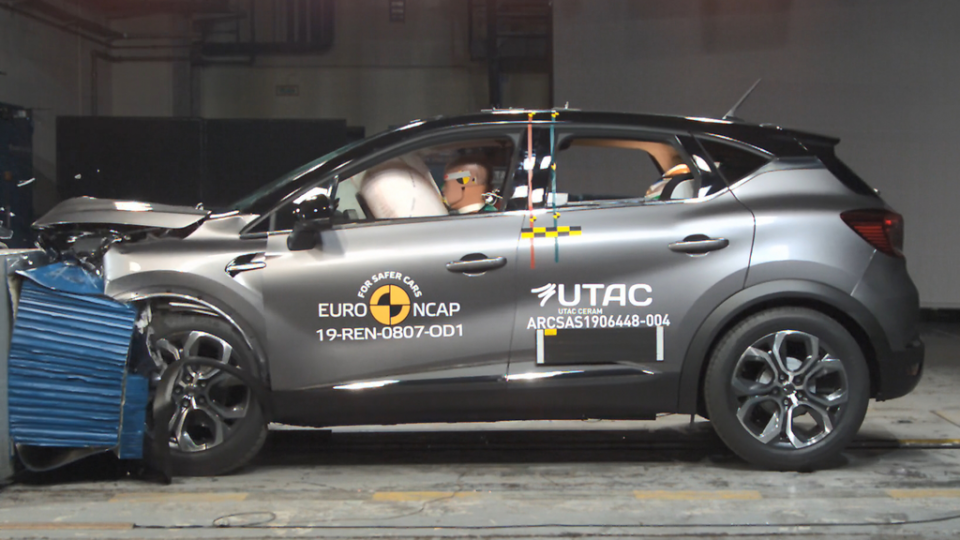
Australia’s own vehicle testing organisation, ANCAP, has yet to announce a rating for the 2025 Mitsubishi ASX.
However, over in Europe, where the ASX has been on sale for a lot longer, Euro NCAP – which uses slightly different test protocols than ANCAP – awarded the Mitsubishi a four-star rating, based on crash tests conducted with the Renault Captur.
2026 Mitsubishi ASX LS safety features:
- Front, side, and curtain airbags
- Forward Collision Mitigation (AEB) with pedestrian detection
- Driver Attention Alert (DAA)
- Emergency Lane Assist (ELA)
- Lane Departure Prevention (LDP)
- Lane Departure Warning (LDW)
- Safe Distance Warning (SDW)
- Driver break alert
- Emergency brake assist
- Traffic sign recognition
- Adjustable speed-limiter
- Brake auto hold
- Rear parking sensors
- Reversing camera
- 3x ISOFIX anchors (2nd row)
ASX Aspire and Exceed add:
- Lane Keep Assist (LKA)
- Adaptive Cruise Control (ACC)
- Traffic Jam Assist (TJA)
- Mi-Pilot
- Semi-autonomous driving: LKA + ACC + TJA
- Blind Spot Warning (BSW)
- Rear Cross Traffic Alert (RCTA)
- Safe Exit Assist (SEA)
- Front parking sensors
To see how the Mitsubishi ASX lines up against the competition, check out our comparison tool
How much does the Mitsubishi ASX cost to run?
The Mitsubishi ASX comes with a five-year, 100,000km warranty – however, this doubles to 10 years and 200,000km if the vehicle is serviced on time within Mitsubishi’s dealership network.
| Servicing and Warranty | Mitsubishi ASX |
|---|
| Warranty | 10 years, 200,000km |
| Roadside assistance | 12 months |
| Service intervals | 15,000km/12 months |
| Capped-price servicing | 10 years/150,000km |
| Average annual service cost | $568.60 |
| Total capped-price service cost | $5686 |
As with all Mitsubishis, the ASX comes with 10 years of capped-price servicing at the brand’s dealerships. Service intervals are every 12 months or 15,000km.
Over five years, this will add up to a total of $2545, but will cost owners $5686 in total over 10 years.
Major services occur at 60,000km and 120,000km, costing $999 and $1099 respectively – with Mitsubishi replacing spark plugs, drive belt, coolant, brake fluid, and the car’s 12-volt battery.
To see how the Mitsubishi ASX lines up against the competition, check out our comparison tool
CarExpert’s Take on the Mitsubishi ASX
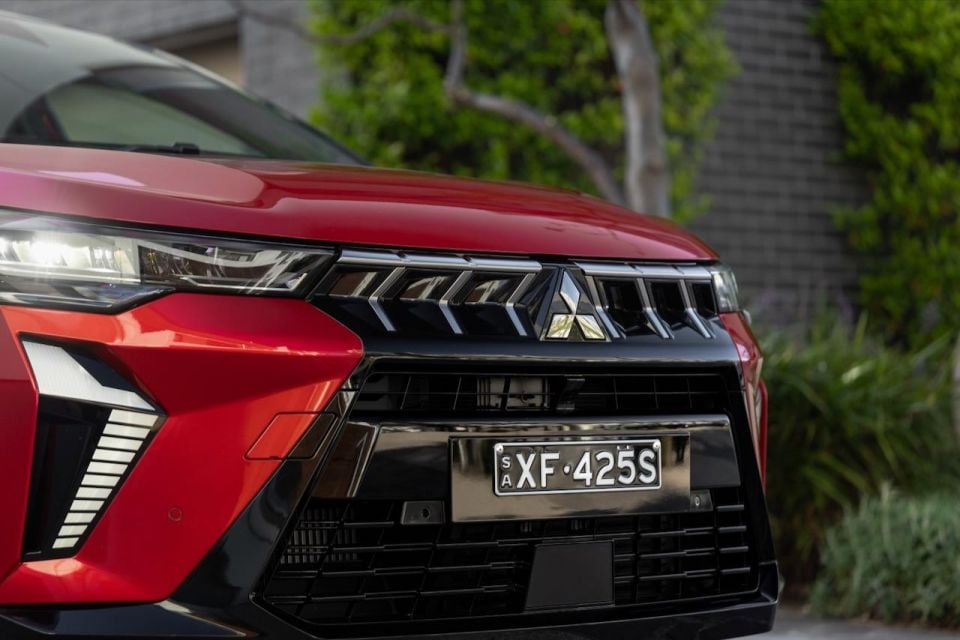
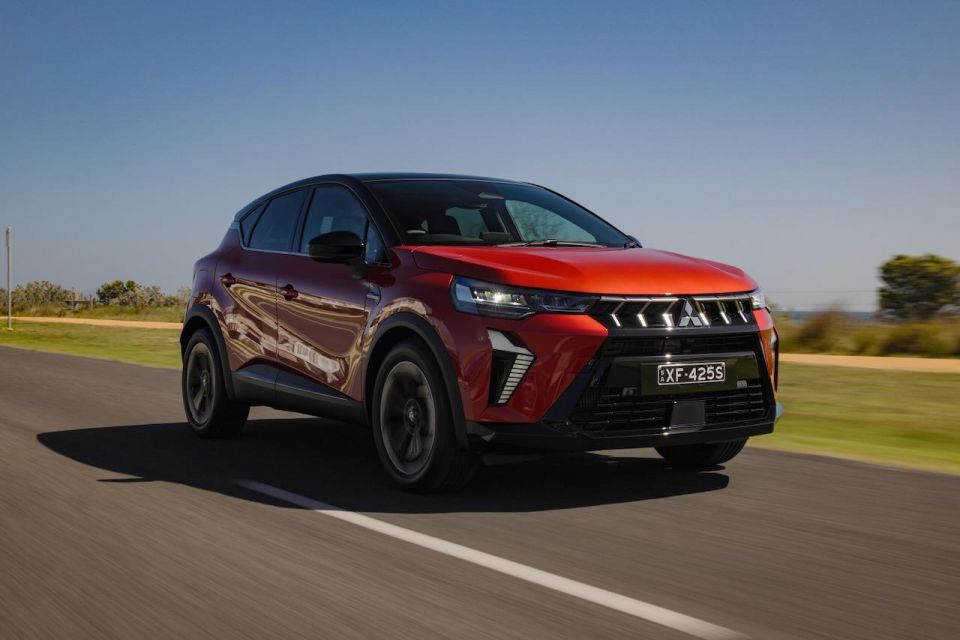
The all-new Mitsubishi ASX might be something of a stop-gap, but it feels like a winner for the car company.
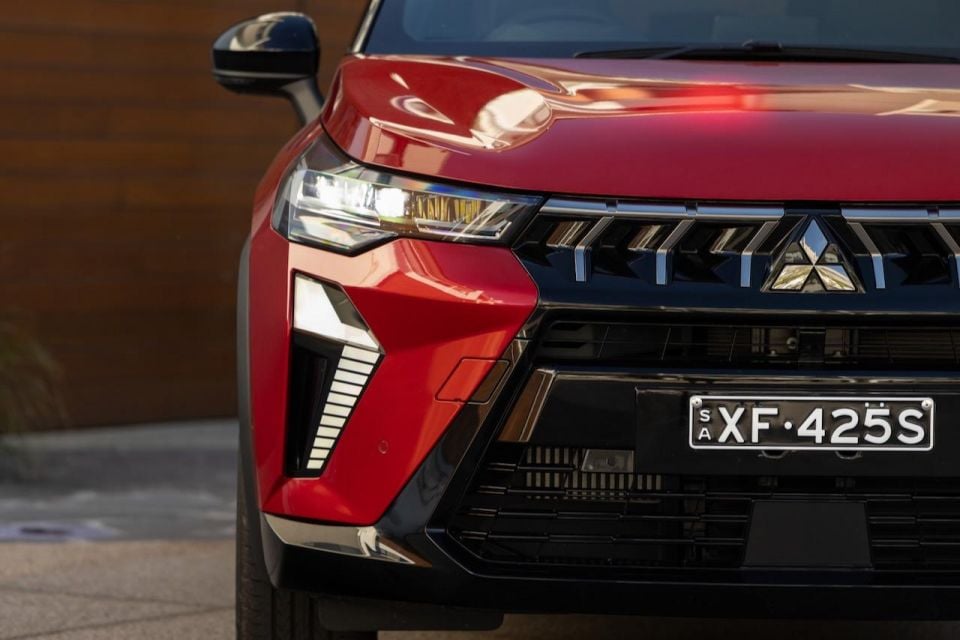
There’s a lot to like. Good looks, nice interior, decent powertrain – if you ignore the fuel consumption – and reasonably entertaining on-road dynamics.
Increasing competition from cut-price Chinese and Indian automakers are probably the biggest factors working against the ASX – especially following the price rises – but the Mitsubishi has a lot to offer buyers regardless.
Just sitting in it proves there’s more to this car than the spec-sheet suggests.
Liking the new ASX or not will depend on whether you’re a half-glass-full or half-glass-empty type of person.
If cost is important, then the price rise and the uncertainty around a French car with a Japanese badge will be a turn-off. If driving a fun European car under the radar sounds appealing, the ASX might be a good shout.
It’s fair to say the ASX exceeded my expectations, but maybe that shouldn’t have been the case. After all, we know Renault knows how to make a good car.
Whether unfounded or not, French cars have somewhat of a reputation for a lack of reliability, but Mitsubishi is offering its 10-year warranty with the ASX – allowing you to have the benefits of a small European SUV, without the concern.
If you ignore the media noise, and you’re just after a small, comfortable SUV without too many complications – that’s good fun to drive – then the 2026 Mitsubishi ASX is certainly worth looking at.
CarExpert can save you thousands on a new Mitsubishi ASX. Click here to get a great deal
Click the images for the full gallery
MORE: Explore the Mitsubishi ASX showroom

 Car News
 CarExpert Podcast
 Car Reviews
 Owner Car Reviews
 Car Comparisons
 Showroom
 Car Chooser
 Car Specifications







 Automotive Vehicle Spec Data & 4K images Powered by JATO Dynamics Ltd