
Andrew Maclean
2026 Chery Tiggo 9 vs Kia Sorento vs Toyota Kluger comparison
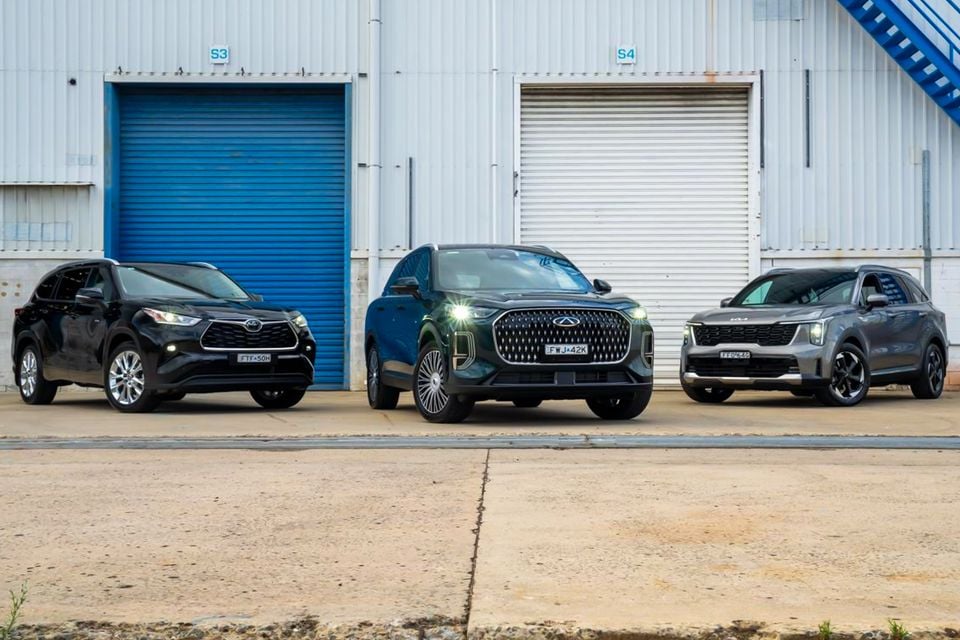
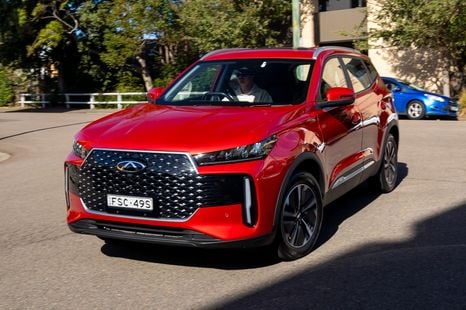
China's newest seven-seat SUV, the Chery Tiggo 9, faces off against popular rivals in the Kia Sorento and Toyota Kluger.
4 Hours Ago
China's newest seven-seat SUV, the Chery Tiggo 9, faces off against popular rivals in the Kia Sorento and Toyota Kluger.
Contributor
Contributor
Australians have never had as much choice when it comes to picking the perfect family runabout.
A generation ago, suburban driveways were littered with either sedans or station wagons, but today we’re seeing all shapes and sizes of SUVs – and even dual-cab utes – fill that same role.
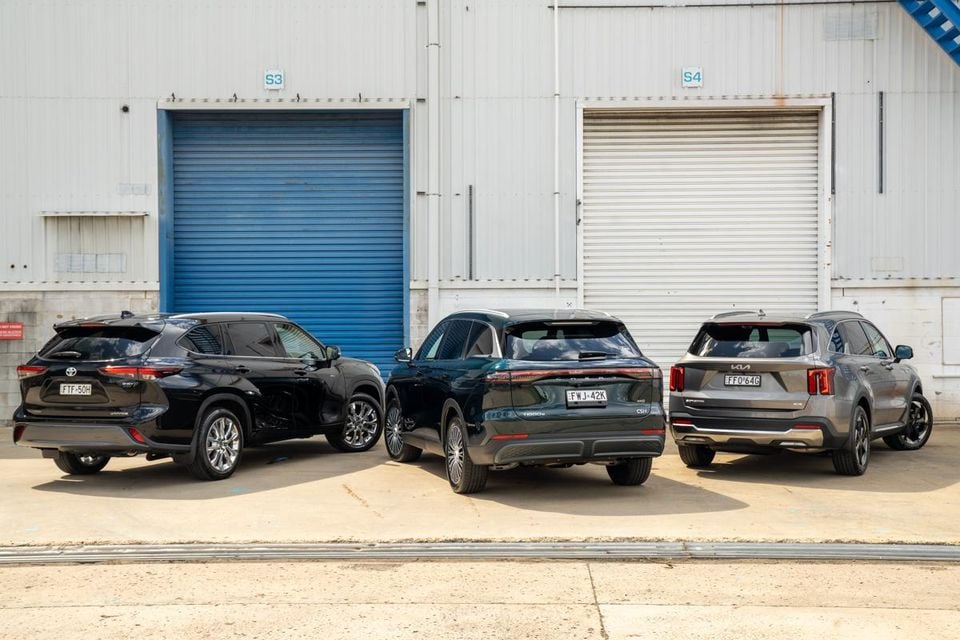
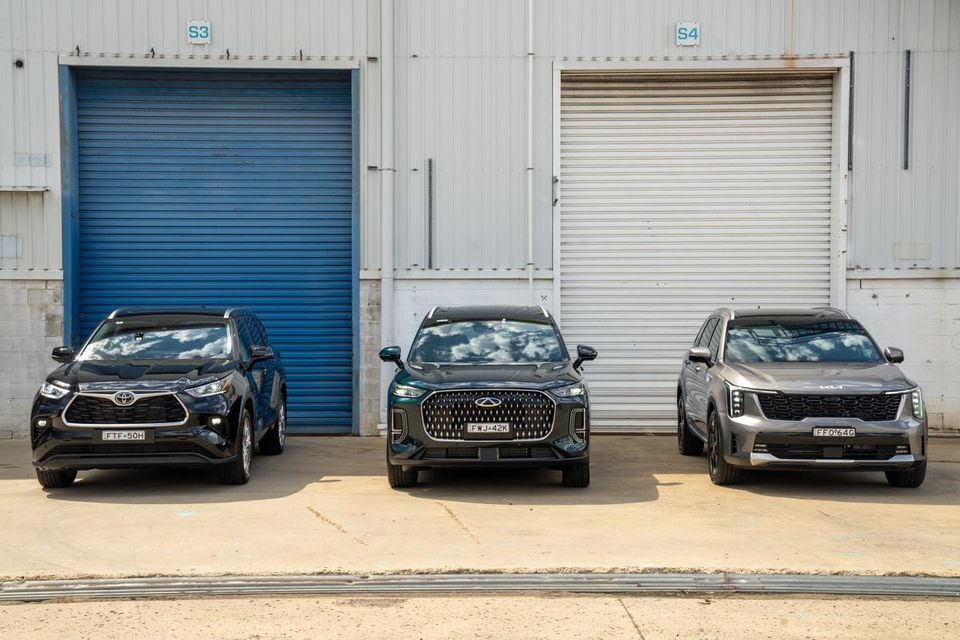
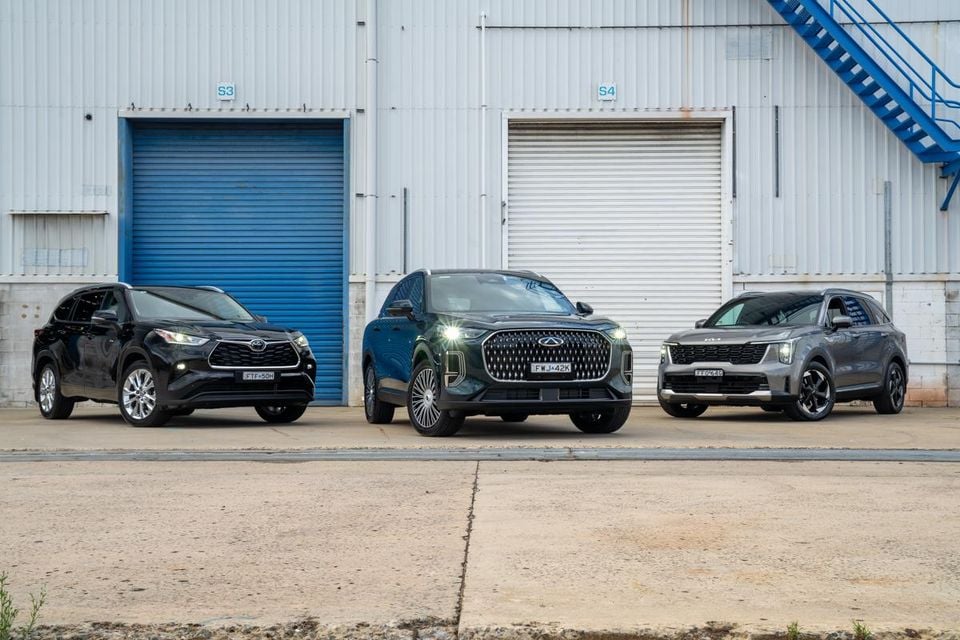
For most growing or larger families, however, there’s really only one path to take and that’s a seven-seat 'soft-roader' SUV like the three we have assembled here: the evergreen Toyota Kluger, the multi-award-winning Kia Sorento and the new kid on the block, the Chery Tiggo 9.
This trio is a perfect reflection of how imported vehicles have re-shaped the local automotive landscape over the last 50 years, first from Japan, then South Korea and more recently from China.
So, let’s see how they stack up now.
Chery lands the first punch in this comparison with the Tiggo 9 Super Hybrid Ultimate – one of two variants available – priced at $59,990 before on-road costs.
| Model | Price before on-road costs | Drive-away price (NSW indicative) |
|---|---|---|
| 2026 Chery Tiggo 9 CSH Ultimate | $59,990 | $65,430 |
| 2026 Kia Sorento GT-Line Hybrid AWD | $74,540 | $78,490 |
| 2026 Toyota Kluger Grande | $85,135 | $92,395 |
Both Kia and Toyota also offer multiple model grades of the Sorento and Kluger respectively, with the South Korean seven-seater available in front- and all-wheel drive configurations and the choice of petrol, diesel, hybrid and plug-in powertrains, while the popular Japanese soft-roader is exclusively powered by a petrol-electric hybrid setup with all-wheel drive.
As such, Kia provides a more affordable entry point with its base-spec, petrol-powered, two-wheel drive Sorento S starting at $51,630 plus on-roads, but you’re going to pay considerably more for the comparable flagship GT-Line Hybrid we’re testing here, which costs $74,540 plus on-roads. And more than $10k extra for the plug-in hybrid version.
Similarly, there’s also a premium to pay for the Kluger, which starts at $62,410 plus on-roads for the entry-level GX, while the range-topping Grande in this comparison test will set you back $85,135 plus on-roads.
Because all three vehicles we’re testing here sit at the top of their respective model lineups, they all come equipped with a generous level of standard equipment.
Shared equipment highlights:
But each of them also have some unique touches.
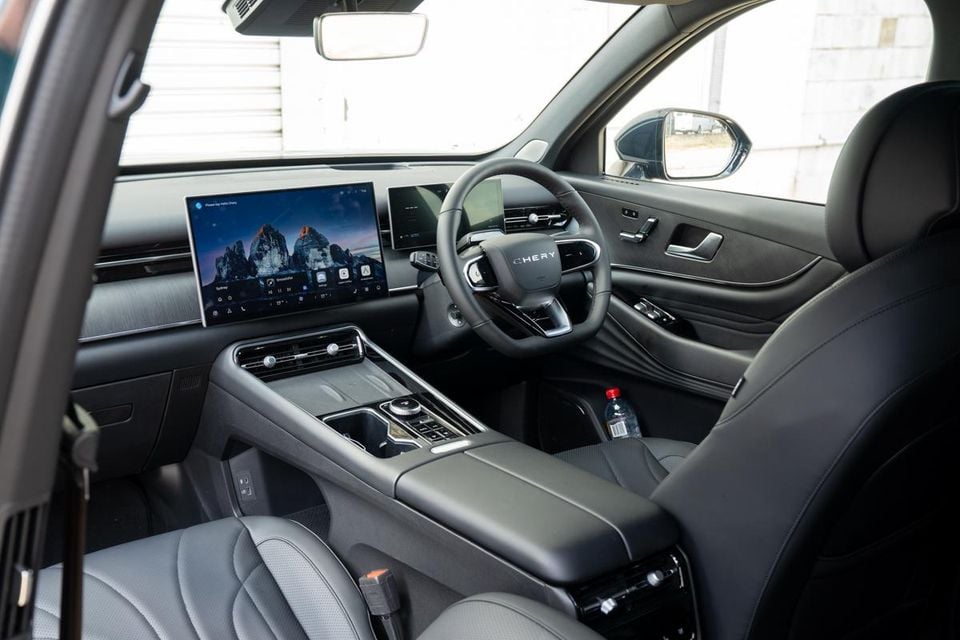
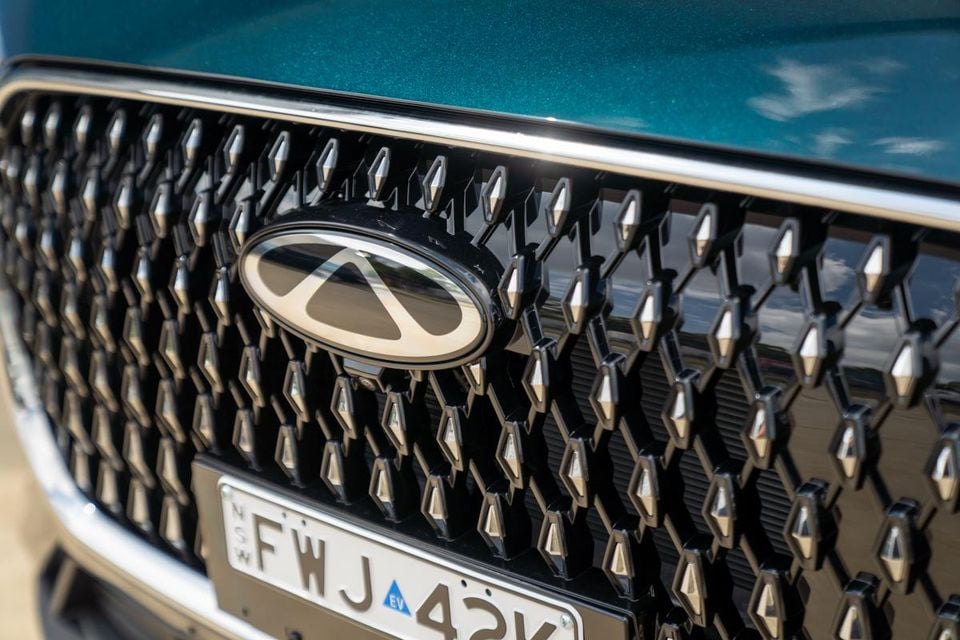
The Tiggo 9, for starters, is the only SUV here to have wind-cheating pop-out door handles, and a massage function for the driver and front passenger, and its 15.6-inch central infotainment touchscreen is significantly larger than the others. But its 10.25-inch digital instrument cluster is the smallest among this trio.
Both the Sorento and Kluger have twin 12.3-inch digital displays and all three have embedded navigation and wireless Apple CarPlay. But the Kia is the only one that also offers wireless Android Auto.
All are fitted with premium audio systems: a 10-speaker Bose system in the Sorento, an 11-speaker JBL system in the Kluger, and a 12-speaker Sony system in the Tiggo, with added speakers in the driver’s head restraint.
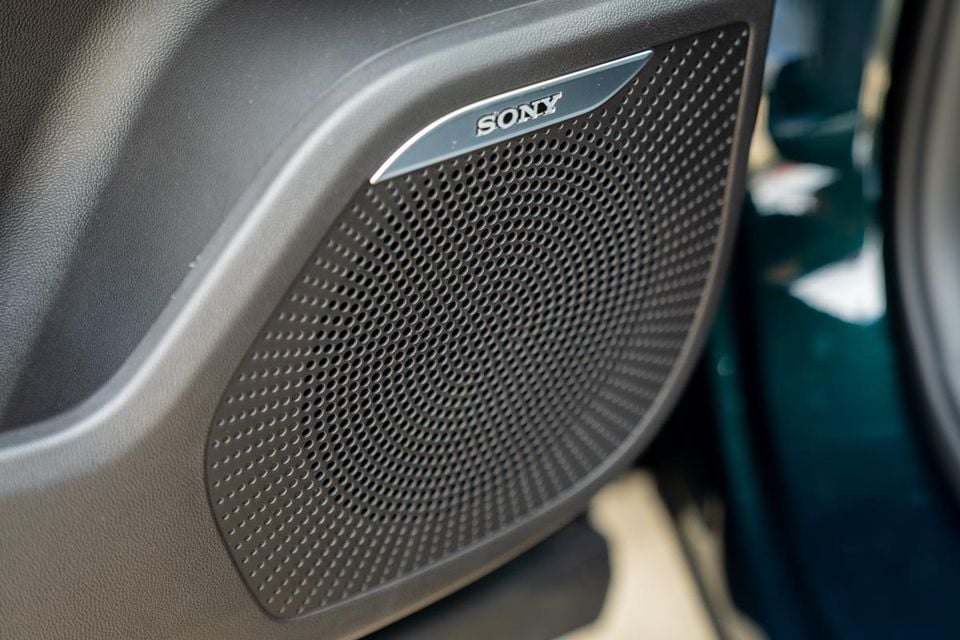
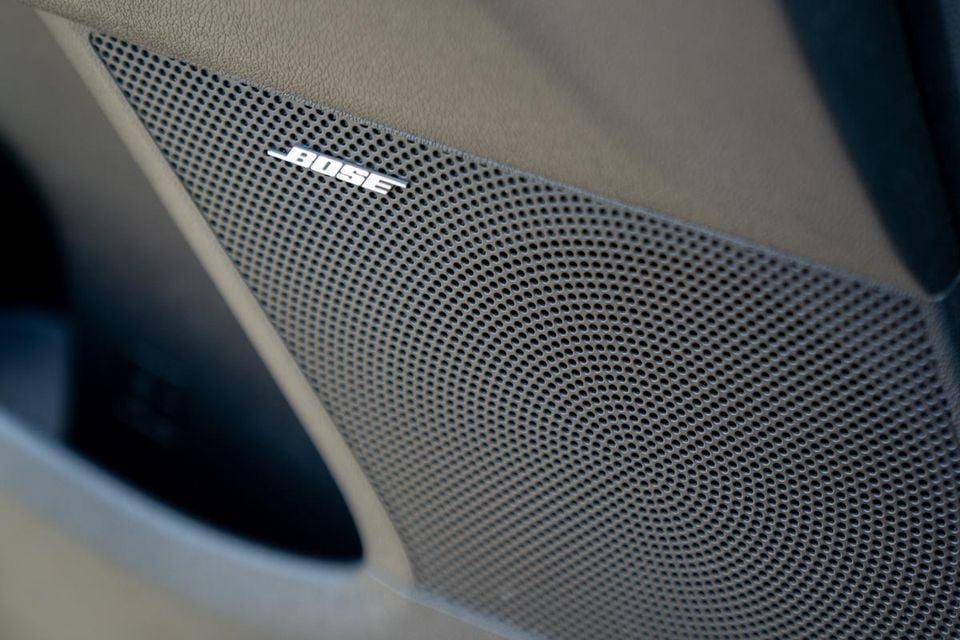
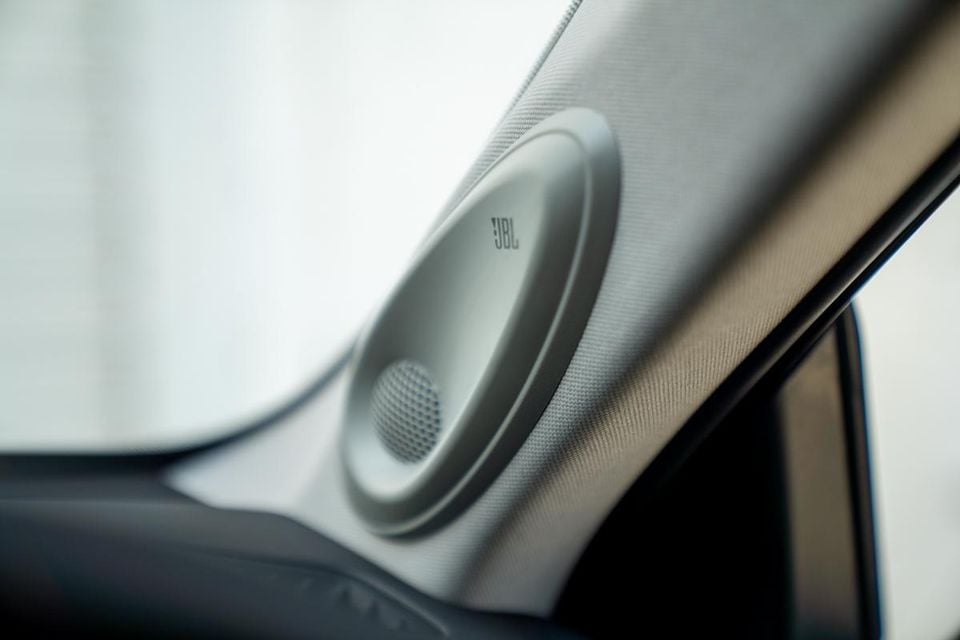
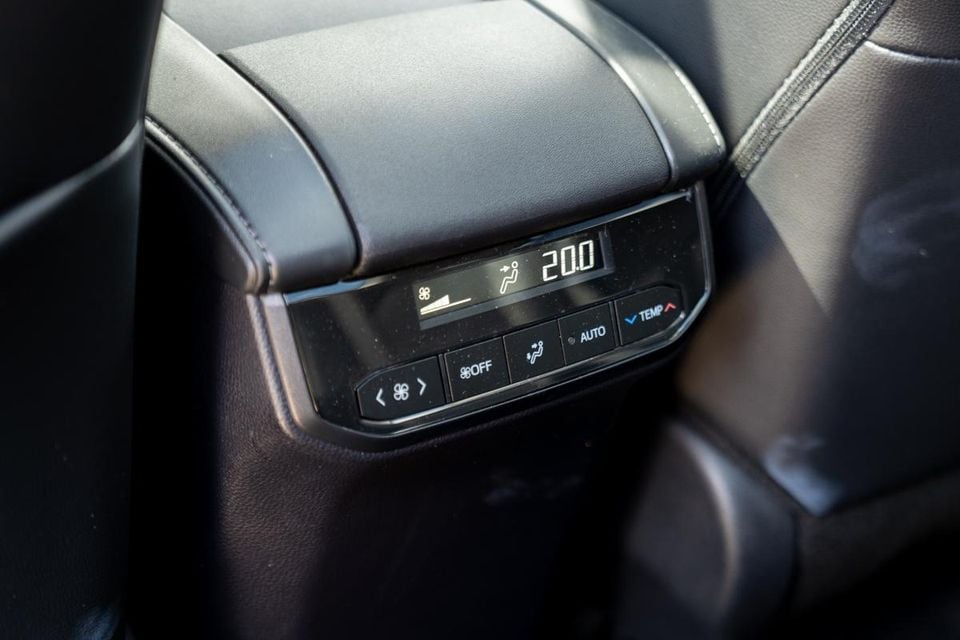
While all three have heated and ventilated front seats, the Kluger misses out on heated outboard rear seats, which are fitted in both the Tiggo and Sorento. However, the Toyota is the only one with a three-zone climate control system that allows middle-seat occupants to adjust the temperature separately.
On that note, both the Kluger and Sorento have air vents for third-row occupants, but the Tiggo doesn’t.
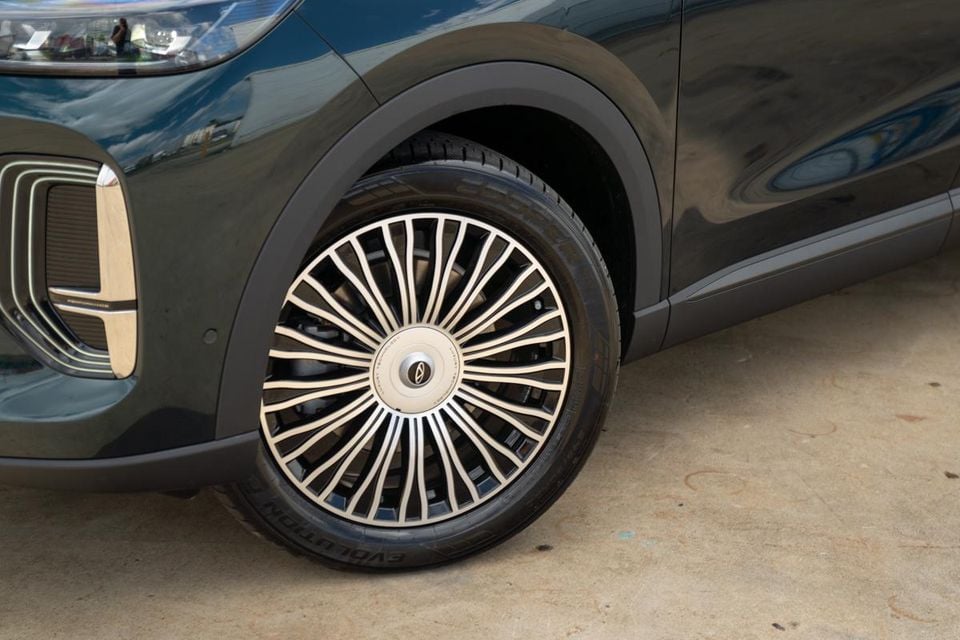
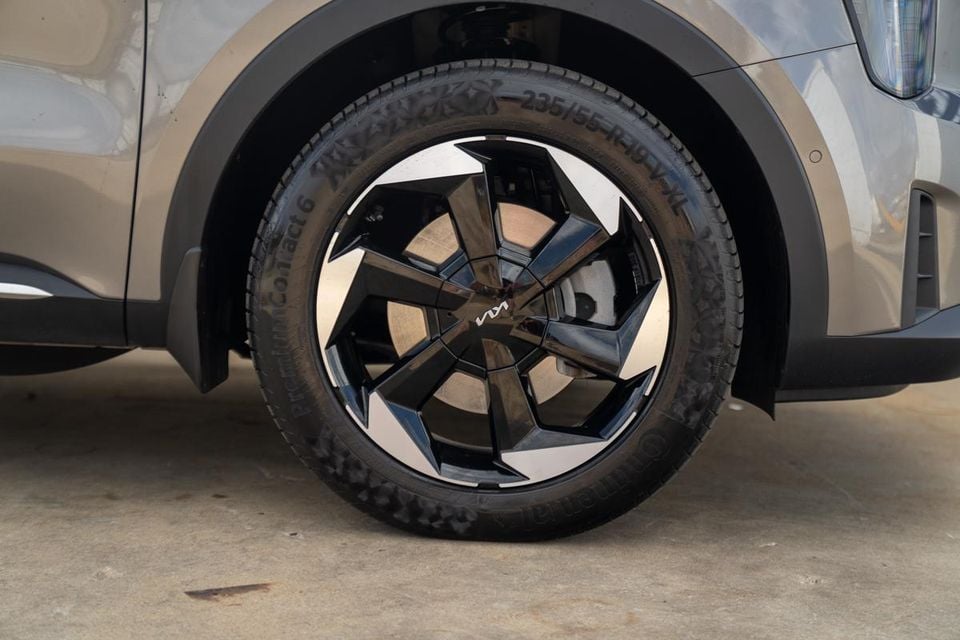
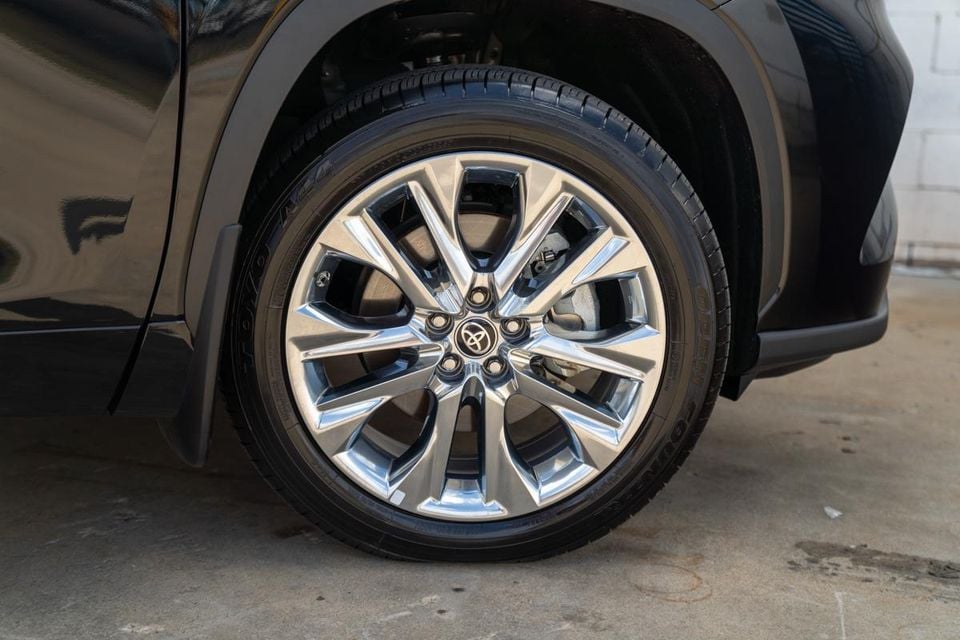
Lastly, the Chery and Toyota ride on 20-inch alloy wheels, while the Kia’s are a size smaller at 19-inch.
Considering that each of these three cars are primarily aimed at families, it's no surprise they are all equipped with a comprehensive array of advanced driver aids and crash-avoidance systems.
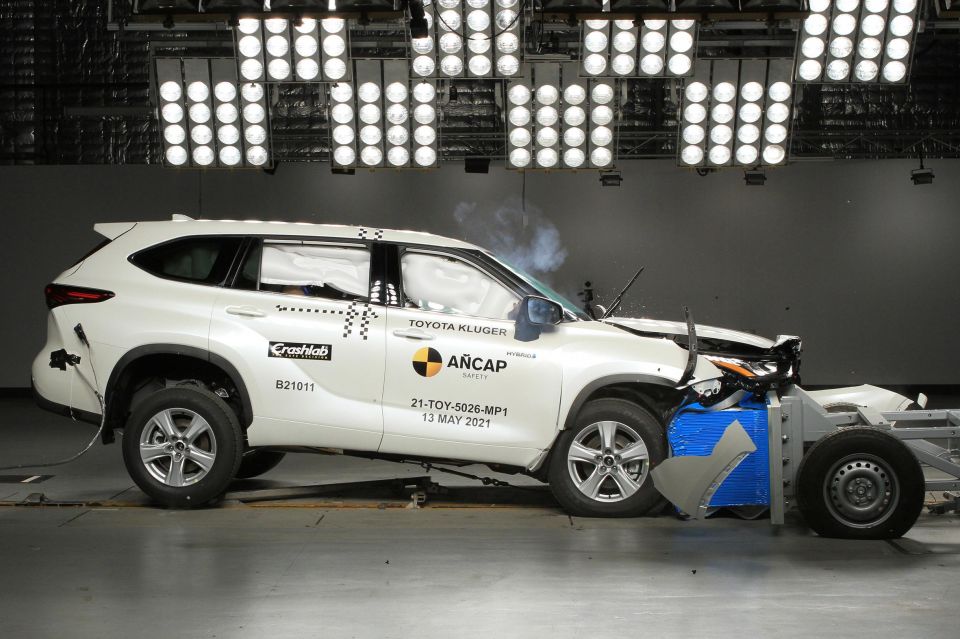
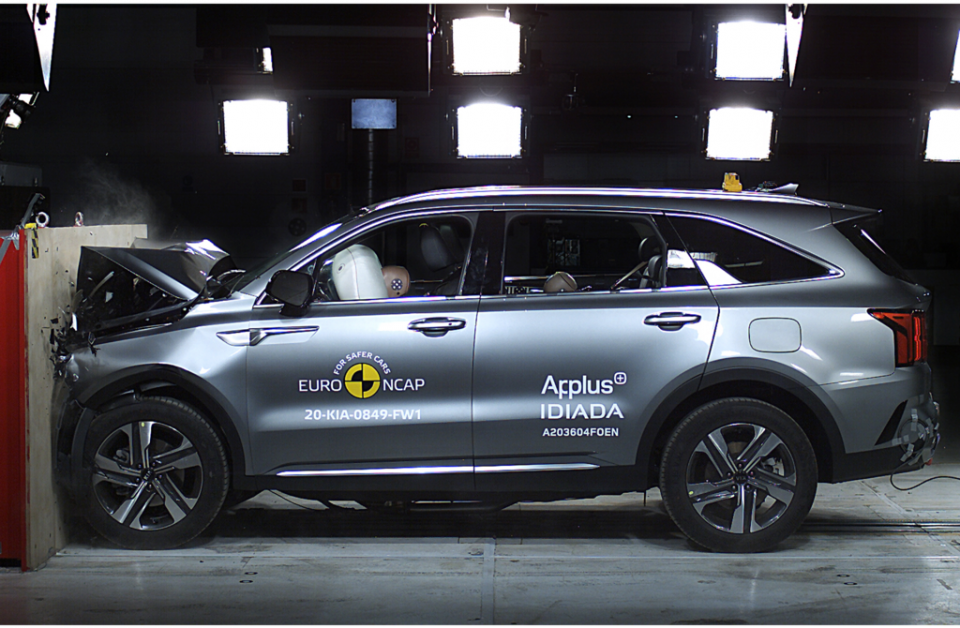
| Category | Chery Tiggo 9 | Kia Sorento | Toyota Kluger |
|---|---|---|---|
| Adult occupant protection | – | 82 per cent | 90 per cent |
| Child occupant protection | – | 85 per cent | 88 per cent |
| Vulnerable road user protection | – | 63 per cent | 76 per cent |
| Safety assist | – | 89 per cent | 82 per cent |
Shared standard safety features include:
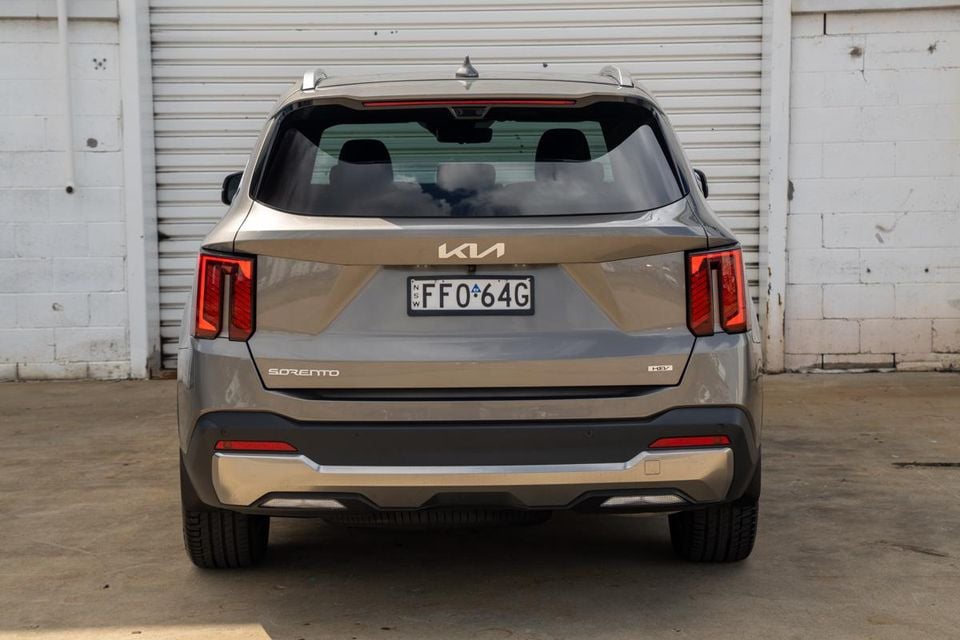
Despite the Sorento being the oldest model here, first introduced in 2020, it is the only one with a digital rear-view mirror.
The newer Tiggo has more airbag coverage, with a total of 10 including a driver’s knee airbag and a centre airbag between the front occupants. Both the Kia and Toyota have seven airbags, with the former featuring a centre airbag and the latter a driver’s knee airbag.
They also score a maximum five-star ANCAP safety rating (from 2020 for the Sorento and 2021 for the Kluger), while the Tiggo has yet to be tested.
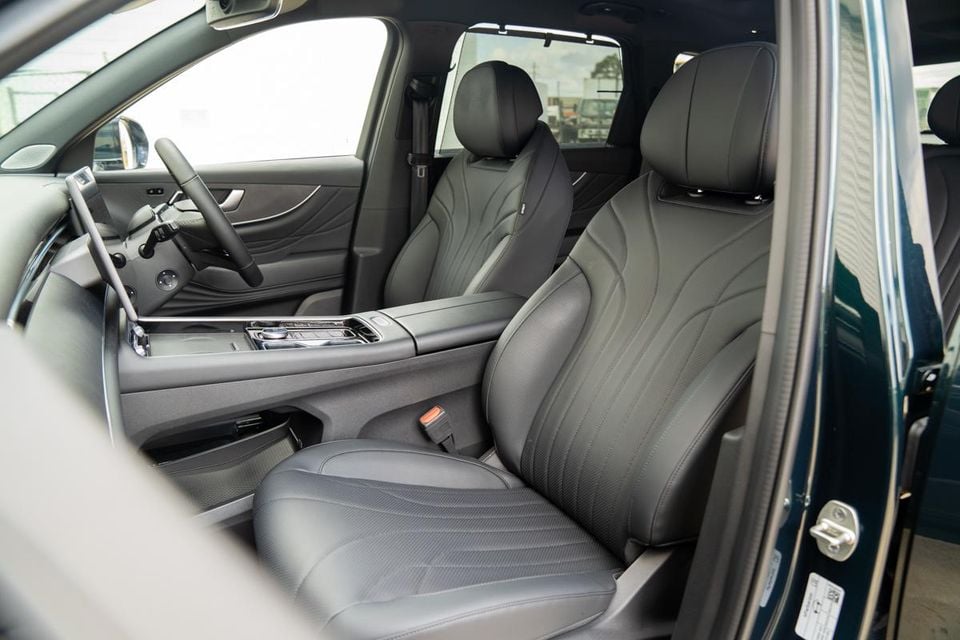
As the newest vehicle here, the Chery Tiggo 9 presents the most modern interior design.
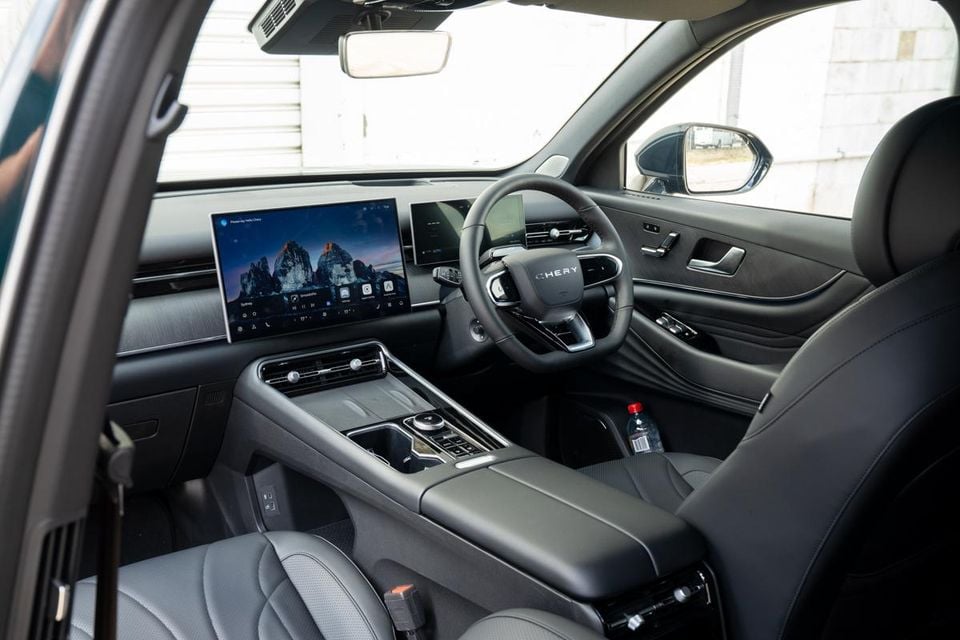
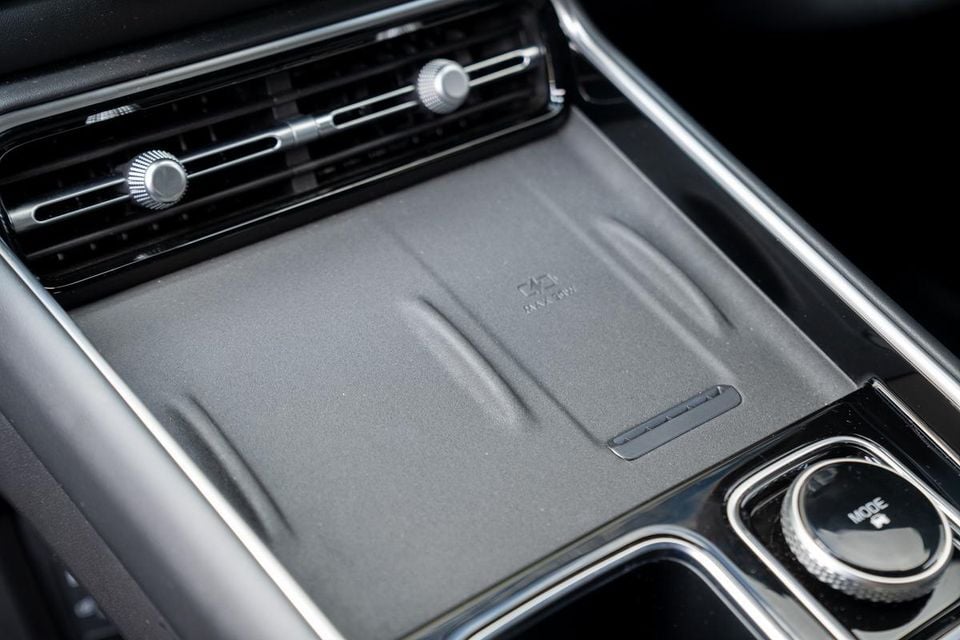
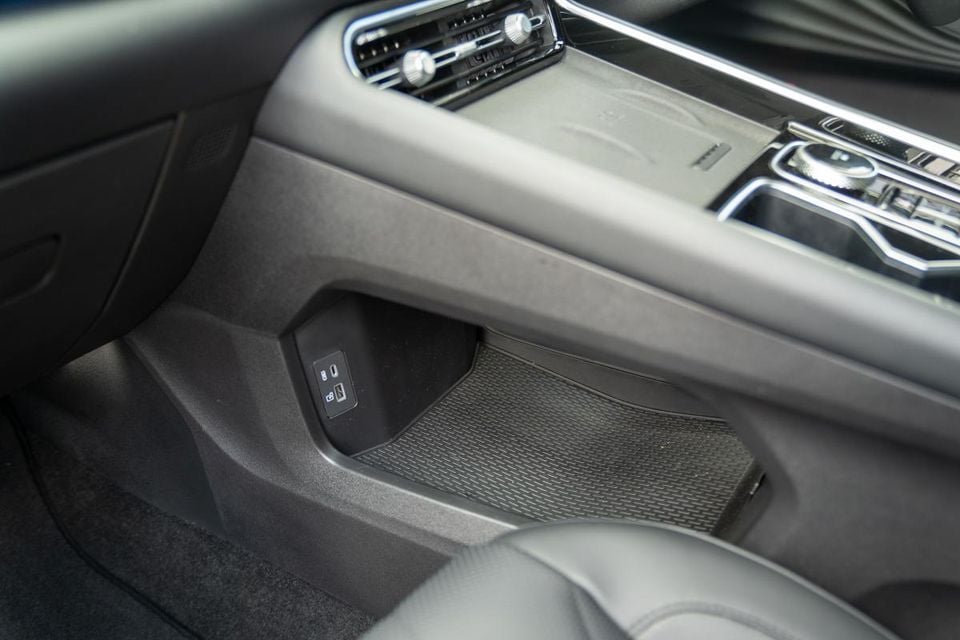
On face value, it looks good with its large central screen dominating the dashboard and plenty of practical storage spaces, from the felt-lined tray with a wireless phone charger to the large, lidded bin between the seats, plus an extra, hidden area large enough for a small handbag underneath.
While the overall colour palette is mostly dark, there are some interesting textures and materials that stand out and give it a genuinely premium ambience, like the brushed grey metal panel that flows across the centre section, burled alloy knobs and the organic sweeping stitched patterns in the door cards and on the seats.
The digital instrument cluster displays all the relevant information in a logical layout, but it is prone to glare under direct sunlight.
And the large infotainment screen houses all the vehicle controls, which can take some time to navigate.
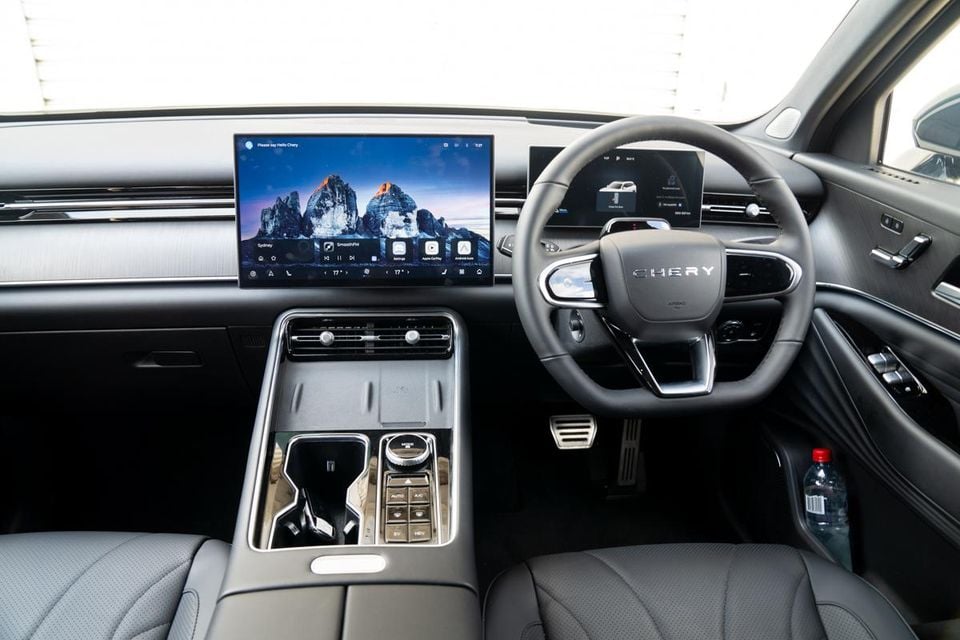
Annoyingly, it includes basic functions like the ventilation system which means – particularly when Apple CarPlay is activated – rifling through a series of commands to adjust the temperature or fan speed.
The front seats are comfortable and offer good side bolstering, but the bottom cushion feels a little too short and doesn’t have the same level of under-thigh support as the Sorento.
Middle-row occupants have a commanding view and plenty of legroom, but not as much comfort across the relatively flat bench seat.
However, there are built-in sun blinds, heated and ventilated outboard seats, adjustable air vents, and a fold-down armrest with cupholders.
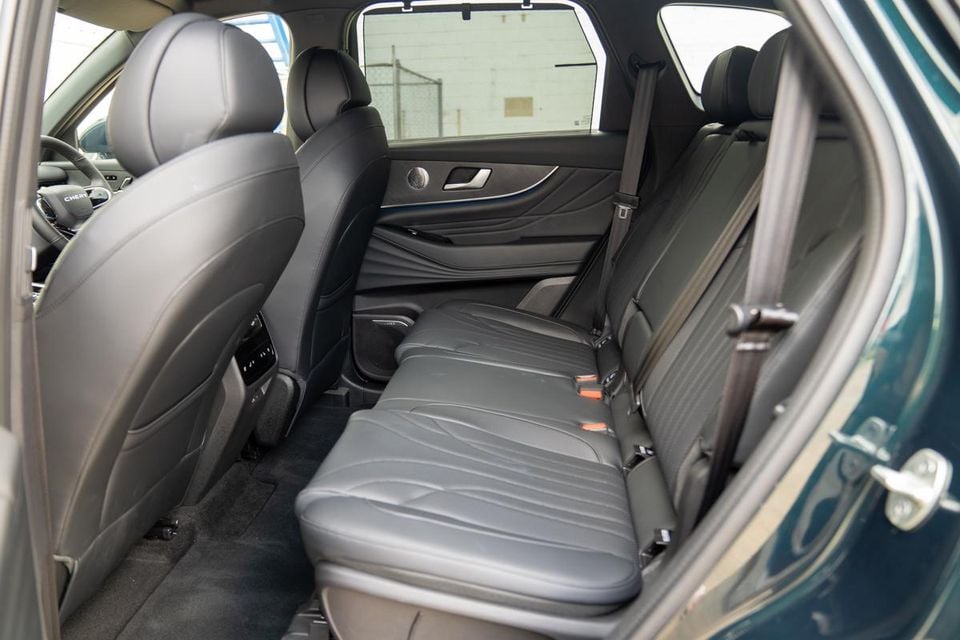
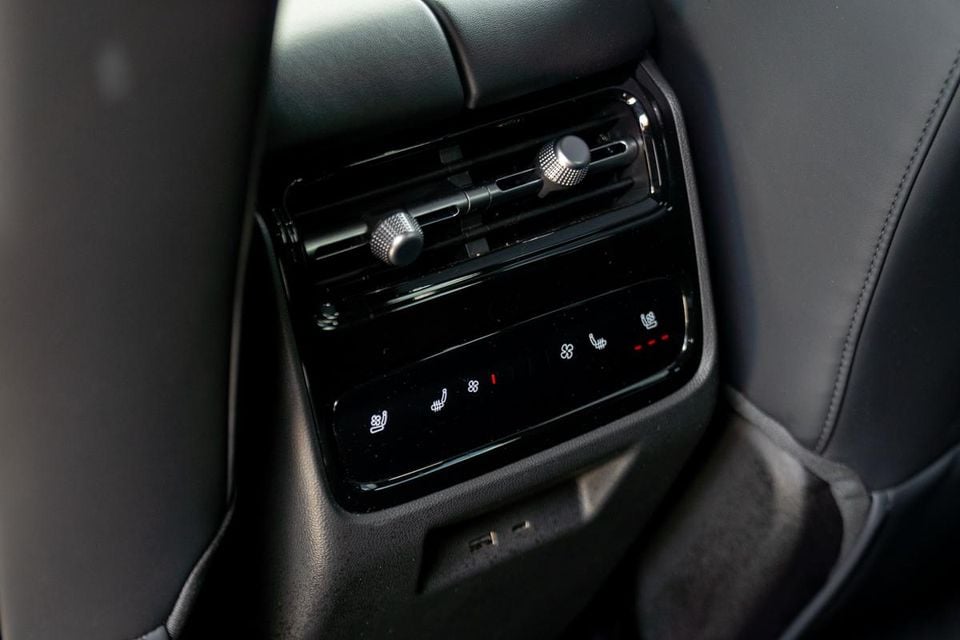
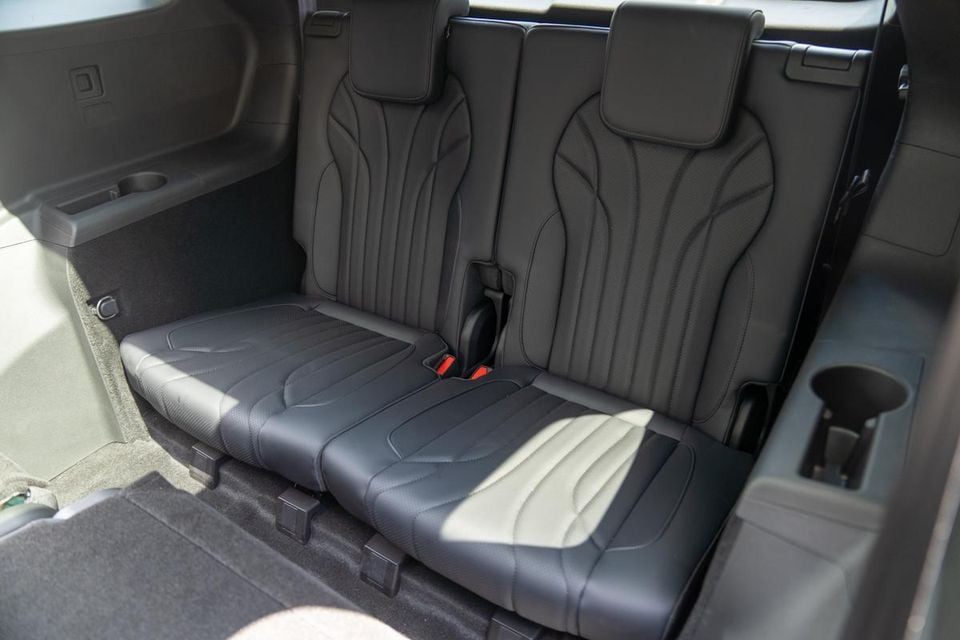
Access to the third row is a two-stage process in the Chery, requiring you to flip down the second-row backrests first via a handle on the side, then slide the base forward separately, while both the Sorento and Kluger have much easier one-step solutions.
The rearmost seats are decent, but still really only suitable for small kids. Third-row occupants score cupholders and reading lights, but no additional air vents.
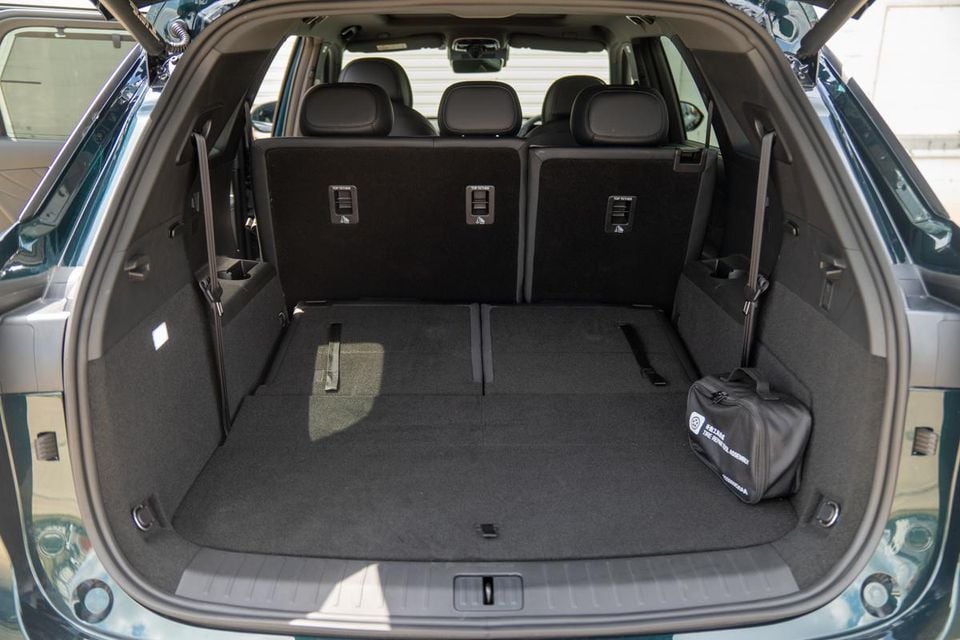
Cargo capacity in the Tiggo 9 is 143 litres with all seven seats in place, 819L as a five-seater, and over 2000L when the middle row is folded flat.
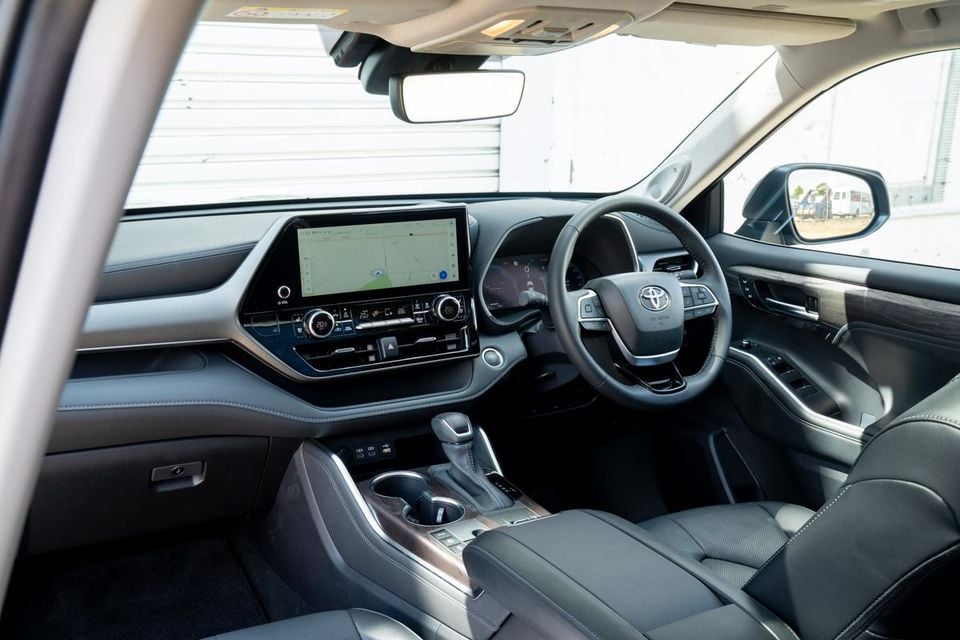
If the Tiggo’s cabin looks the most modern, then the Kluger's is at the opposite end of the spectrum.
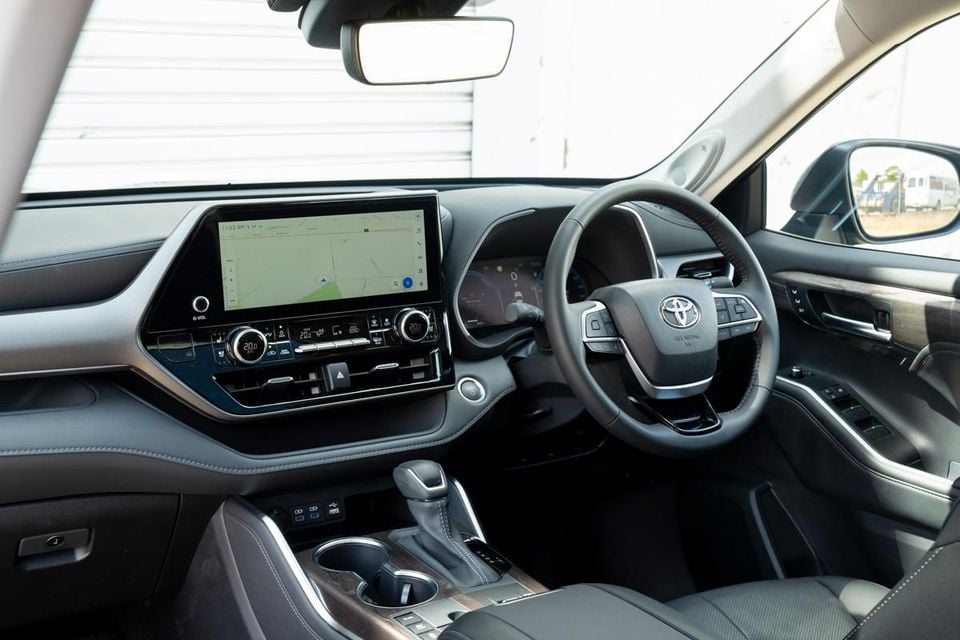
Sure, it’s got all the same gizmos and gadgets – twin digital screens, heated and cooled front seats, leather trim, a full-length sunroof and more – but the dashboard design is chunky, and the mix of materials is clunky, particularly the fake woodgrain highlights in the centre console and door trims.
There’s a plethora of physical buttons for the ventilation system in the middle, which makes access to functions simpler and more convenient, but it looks messy and a little overwhelming.
And the volume control knob for the audio is all the way to the left of the 12.3-inch widescreen infotainment touchscreen, which means it is a long reach away for the driver.
But the Kluger has some great practical touches like the recessed cubby holes with non-slip rubber under the ventilation controls and in front of the passenger, massive door bins with partitions for three water bottles, and a wireless phone charger hidden under the lid of the deep, lidded bin between the front seats.
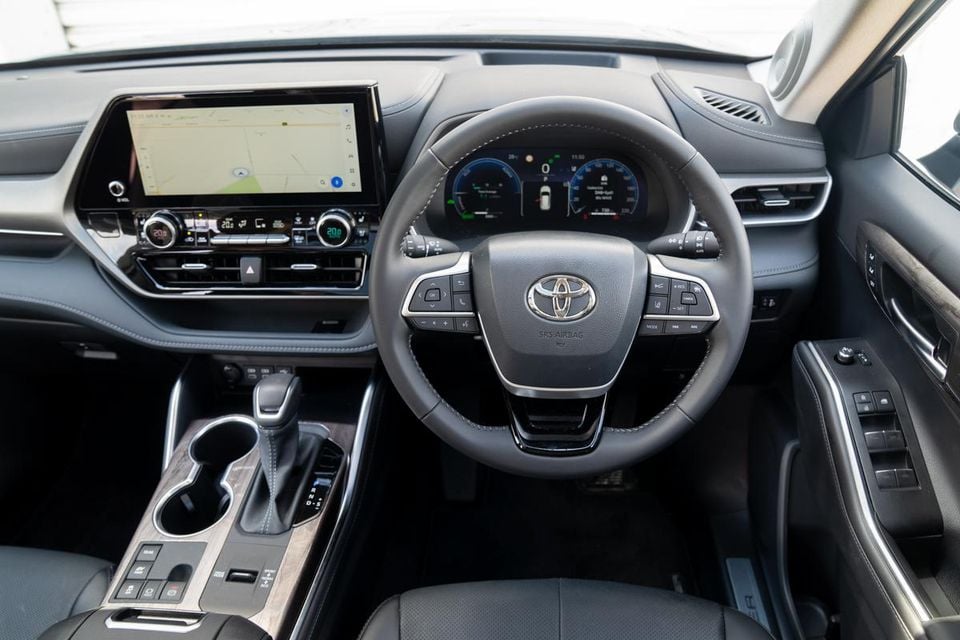
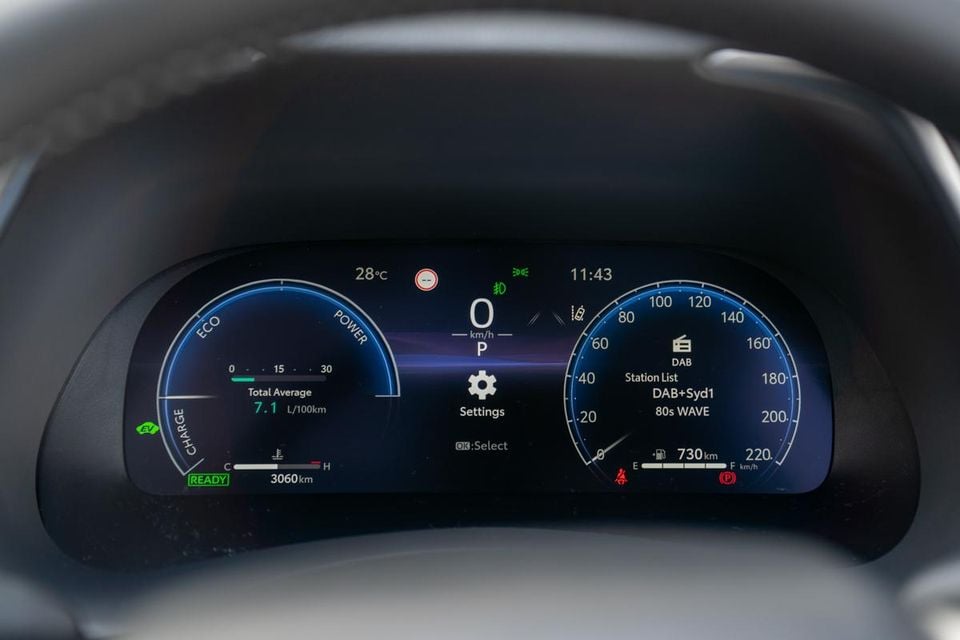
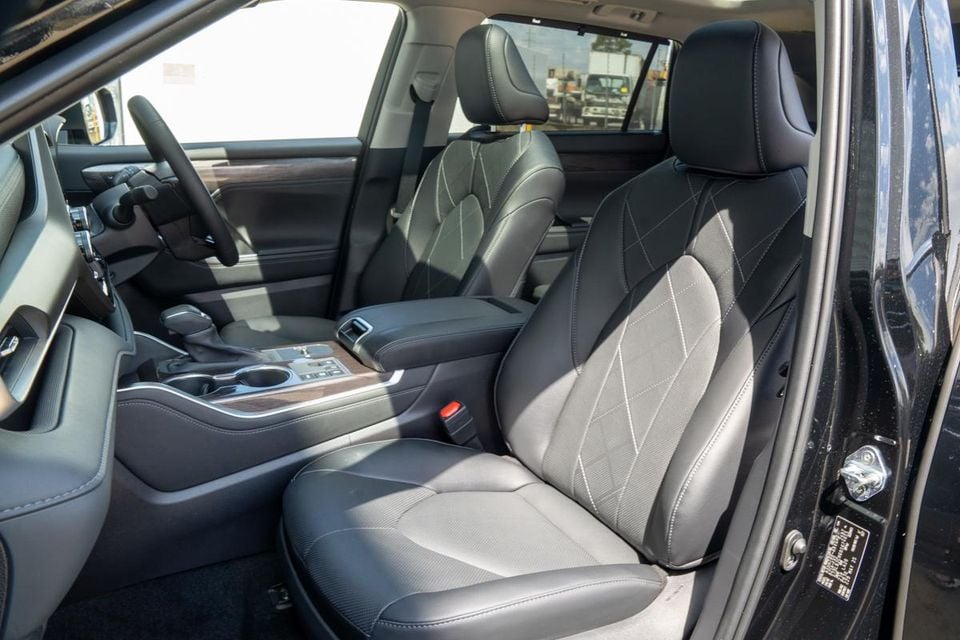
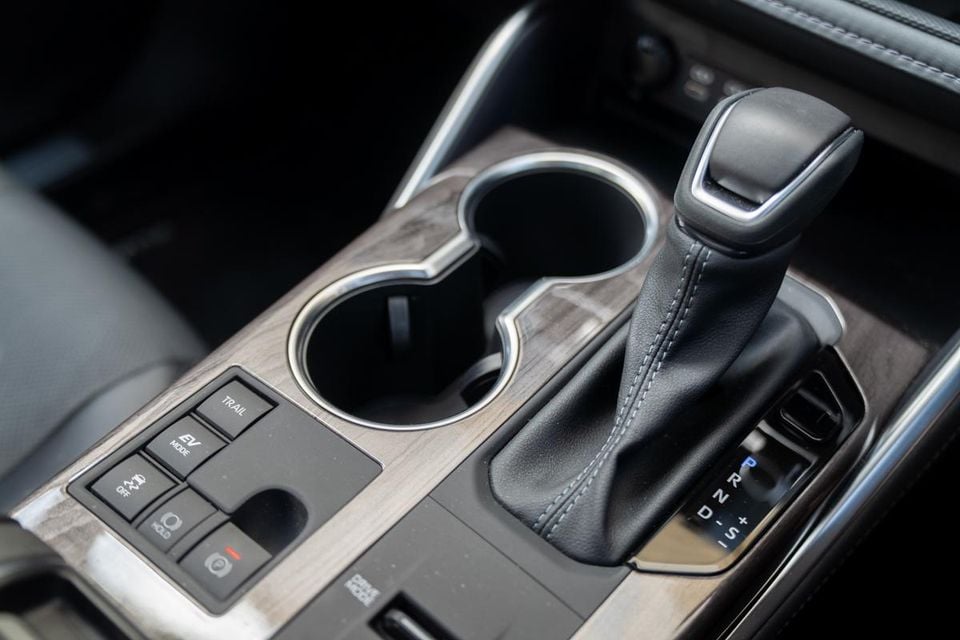
It also feels exceptionally well built.
The front seats are wide and soft and sit higher than those in both the Sorento and Tiggo, providing a commanding view of the road ahead. But rearward vision is the worst of this three when the rear seats are in place.
Middle-row occupants are treated to the most rear legroom when the three-person bench is slid as far back as possible, and have separate temperature and fan controls, plus sun blinds, two USB-C power outlets, and a fold-down centre armrest with cupholders.
The third-row seats are flatter and less comfortable than in the Sorento and Tiggo, and they're still only suitable for small kids.
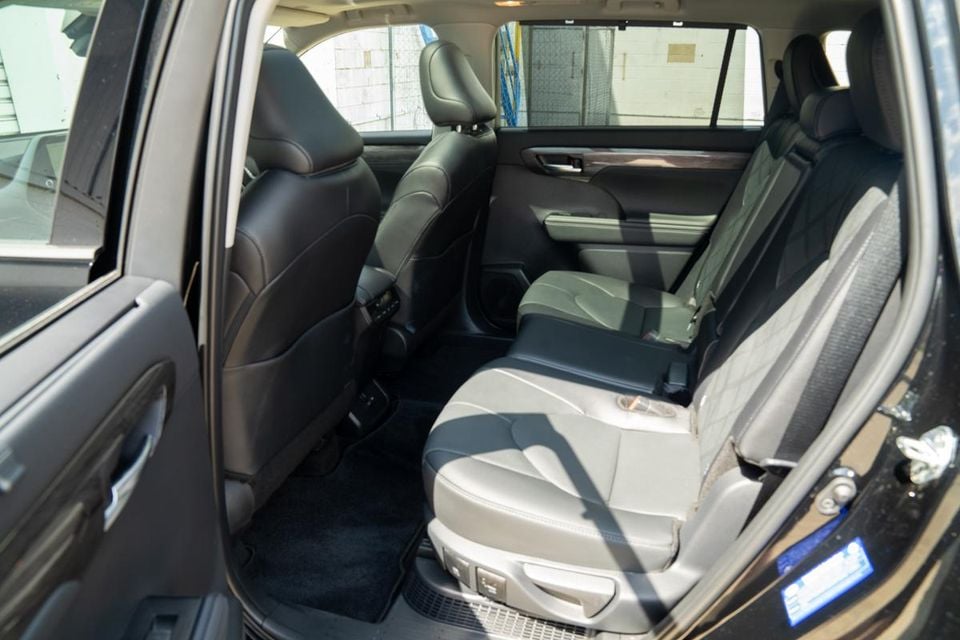
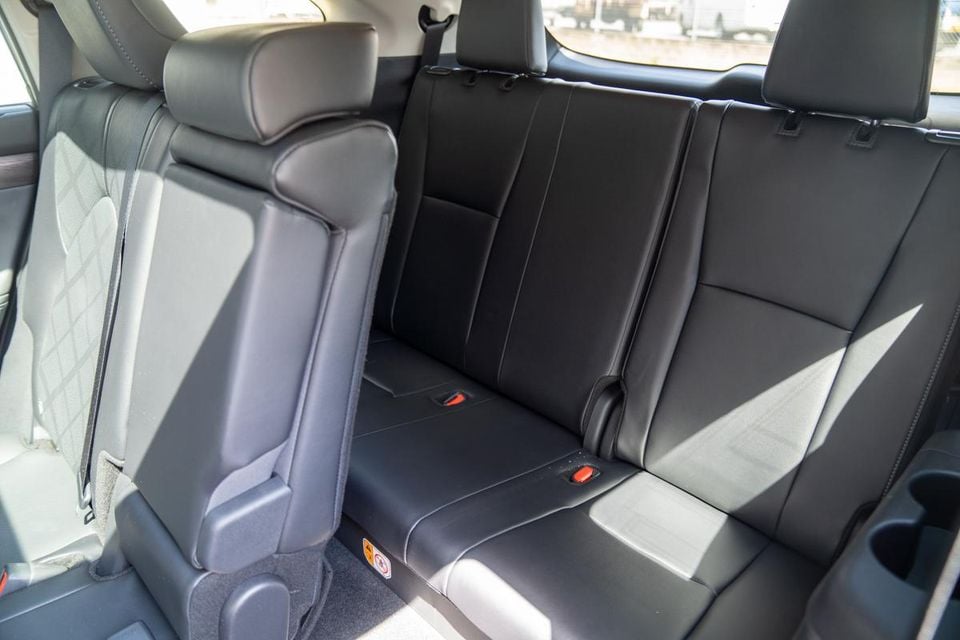
They also look base-grade spec without the same pattern as the front and middle rows, but there are additional air vents in the roof and twin cupholders on each side.
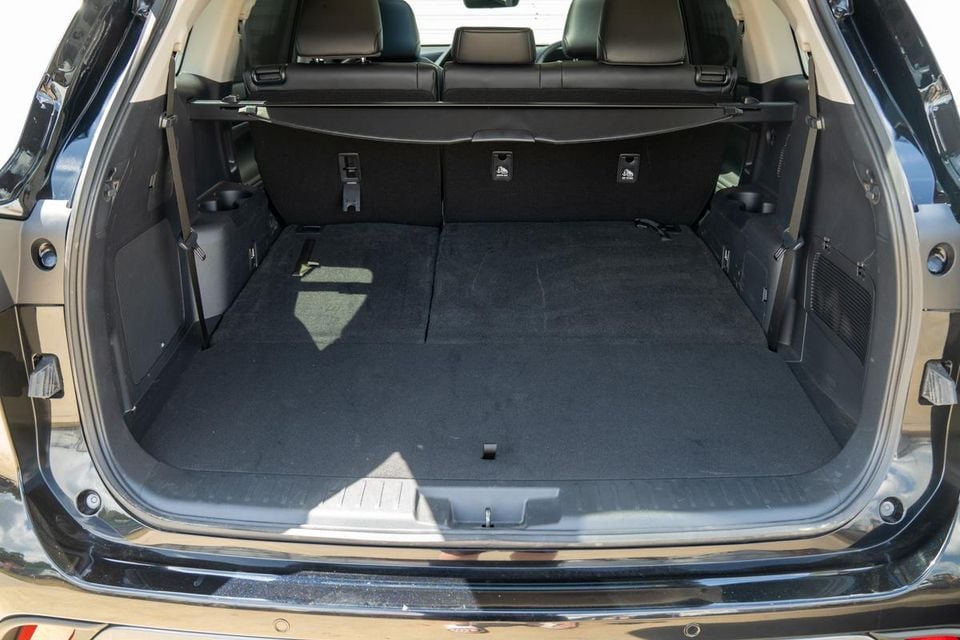
The Kluger has the most boot space in seven-seat configuration with 241L of cargo carrying capacity, but the least as a five-seater at 552L, and 1150L when both the middle and third rows are folded flat.
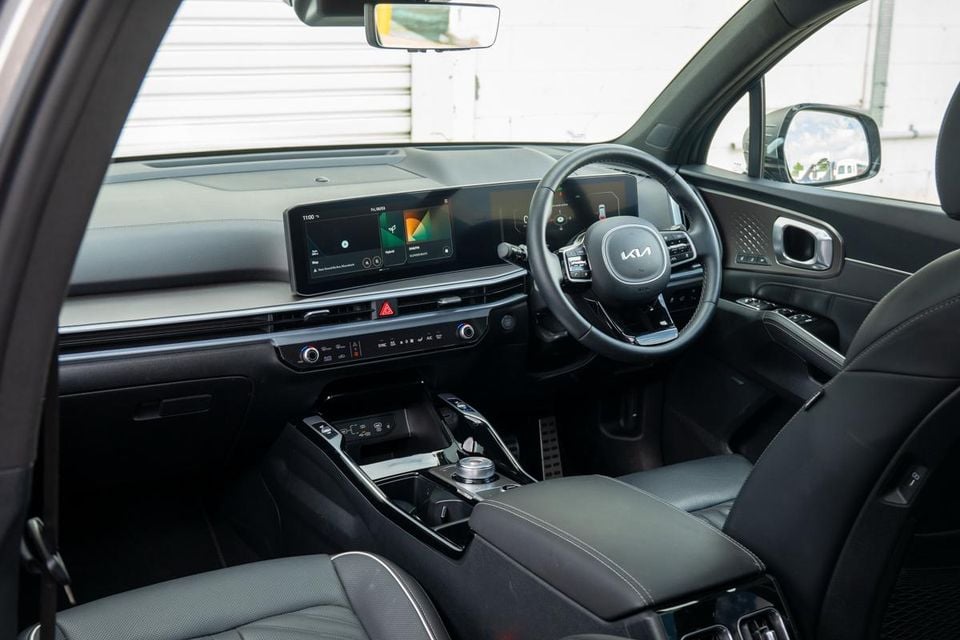
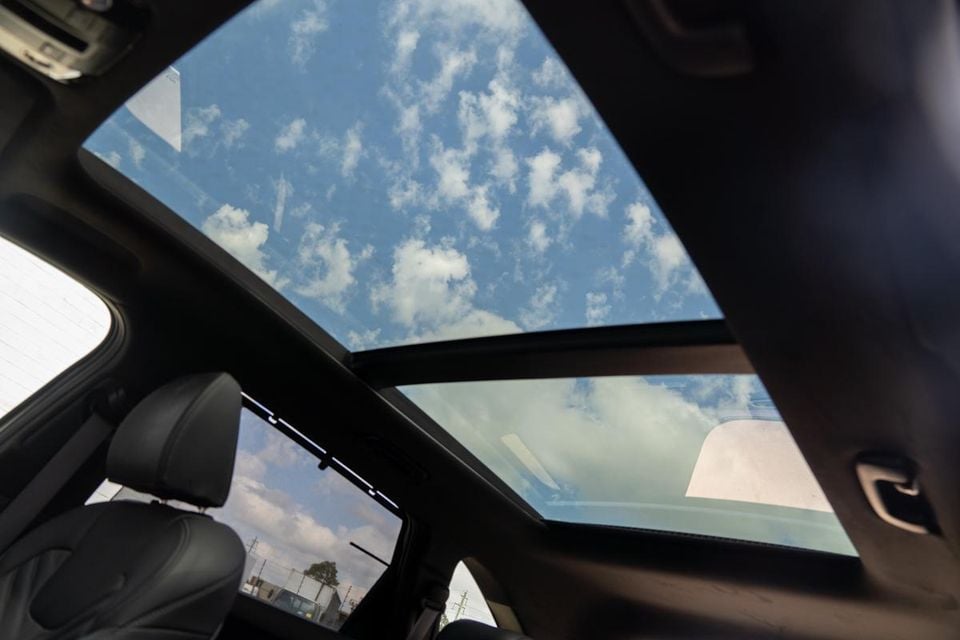
The Sorento is, undoubtedly, the Goldilocks of this trio. The cabin’s overall aesthetic is both modern and practical and matches the Toyota for build quality.
The low-set dashboard, first of all, brings an added element of space to the interior as well as improved vision for the driver through the expansive glasshouse.
And the Sorento has the best rear vision, although the digital rear-view mirror does flatten out your depth perception and can take some time to get familiar with. Luckily, at the flip of a switch, it can transfer back to a conventional mirror.
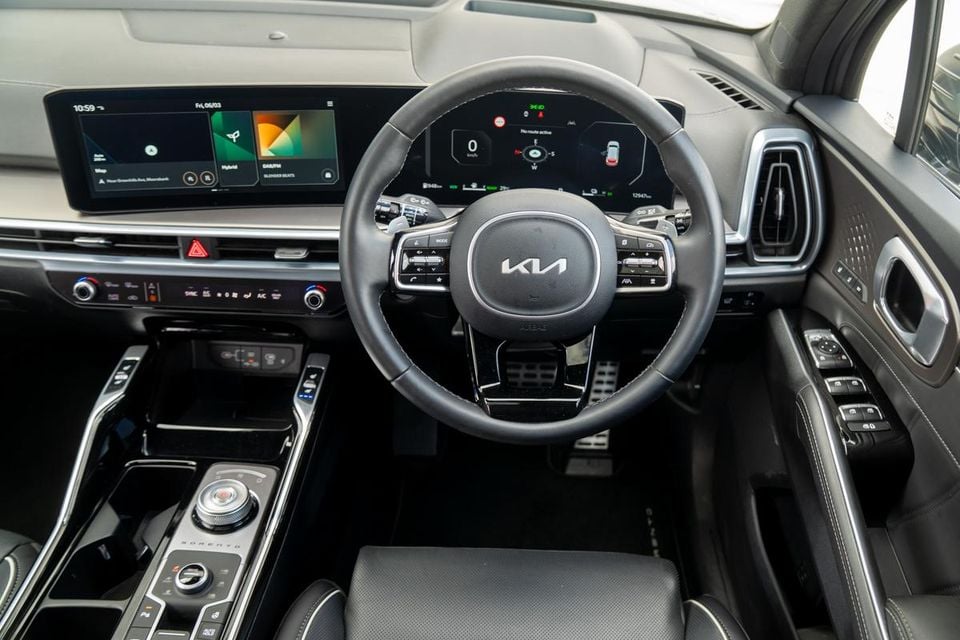
The Sorento’s curved twin digital display not only looks high tech but is bright and has the easiest menu structure to navigate through its myriad of functions.
The Bose audio system is also the best of this bunch in terms of clarity and staging.
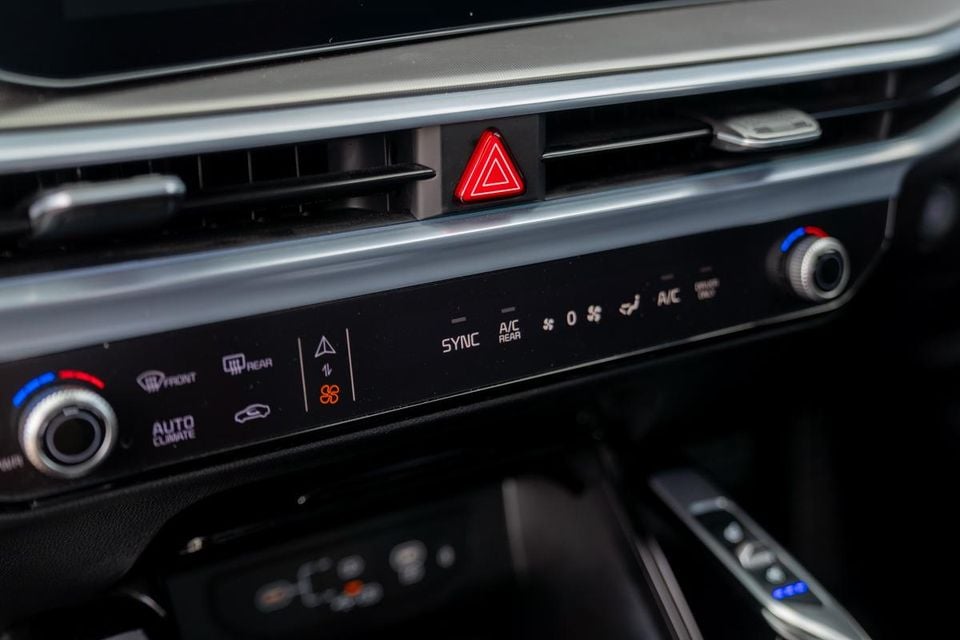
Similarly, the haptic ventilation controls are clearly set out and simple to use, and the centre console has plenty of small-item storage spaces with a deep tray at the front, twin cupholders, an extra cubby, and a large, lidded bin between the seats.
CarExpert brings together reviews, research tools and trusted buying support, guiding you from research to delivery with confidence.
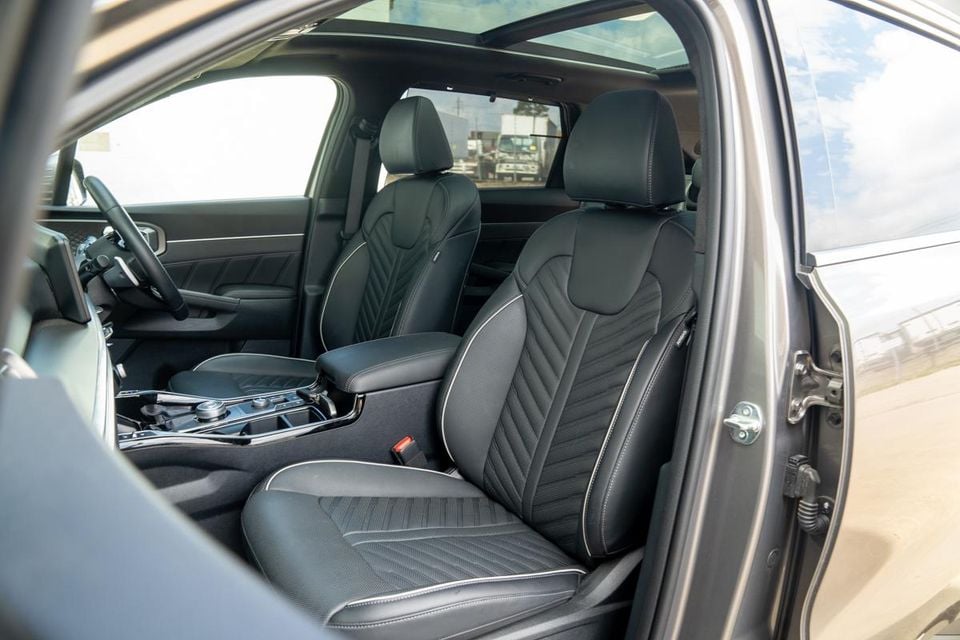
Speaking of which, the Sorento’s front pews offer the perfect blend of comfort and support, and look the best with their arrowhead pattern in the cushion and white piping.
It’s the same in the middle row too, with the outboard seats offering the most sculpted support of this trio.
There’s nearly as much rear legroom as there is in the Kluger, as well as sun blinds, adjustable rear vents, USB-C power outlets in the side of the front seats, and a flip-down centre armrest with extra cupholders.
Access to the third row is easiest in the Sorento courtesy of a one-touch, flip-and-fold function via a button on each side of the middle seat. And the two seats back there don’t look as third-class as they do in the Kluger, thanks to the same level of sumptuous trim and more sculpting.
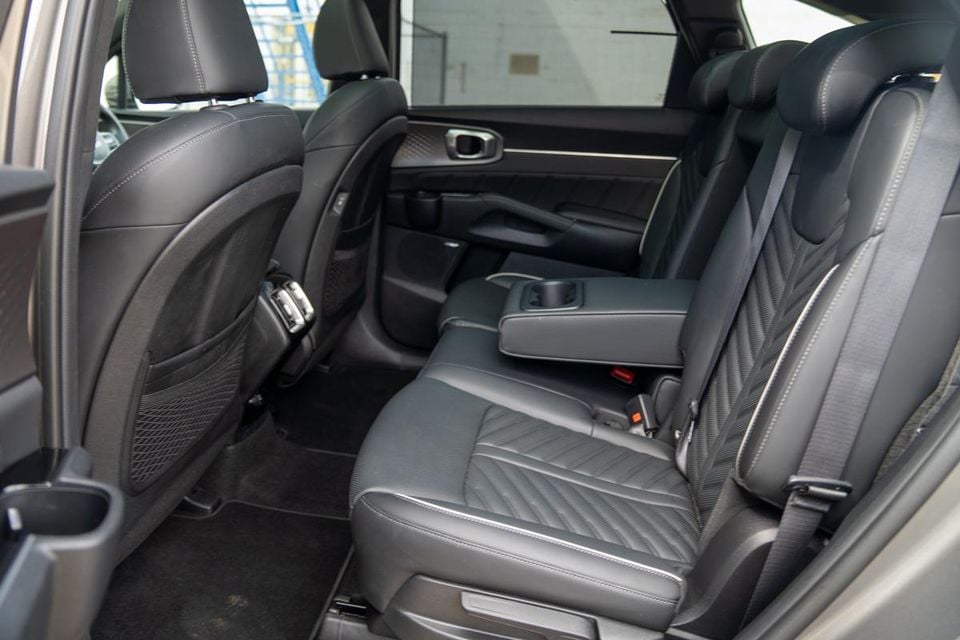
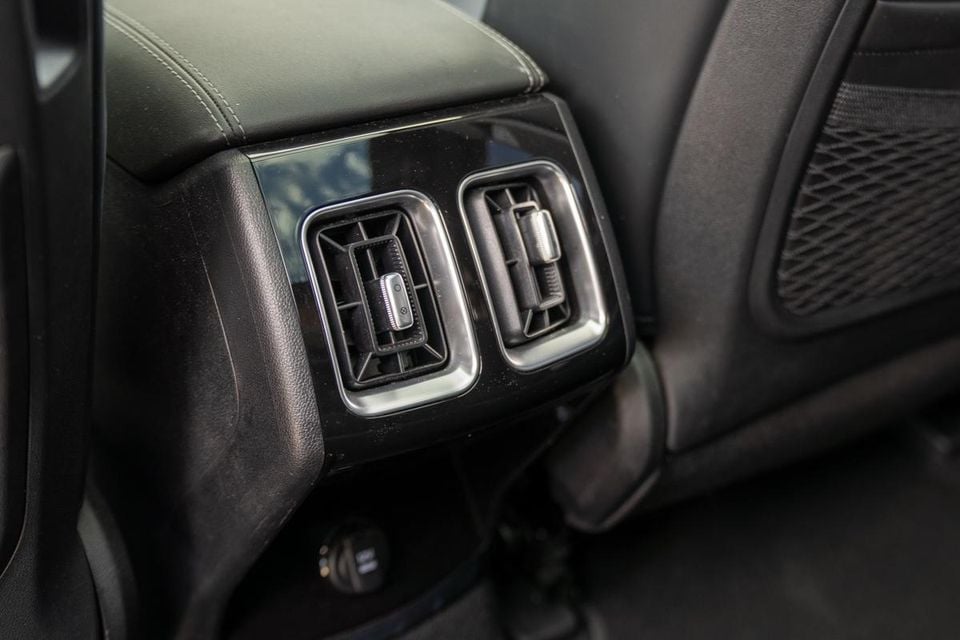
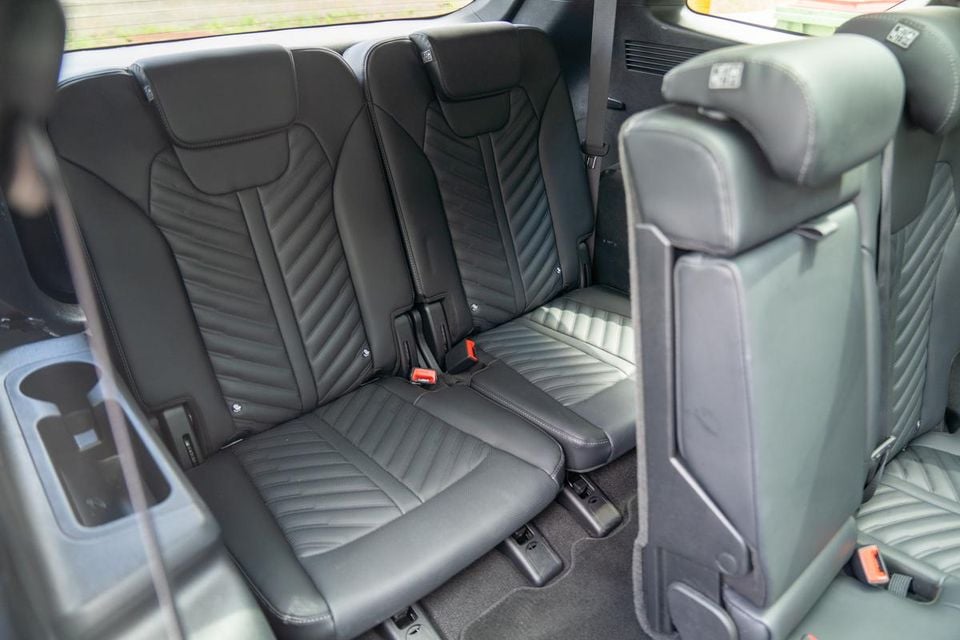
The Sorento is the only vehicle here to offer USB power outlets in the third row, plus face-level air vents, large storage bins, cupholders on each side, and separate fan controls.
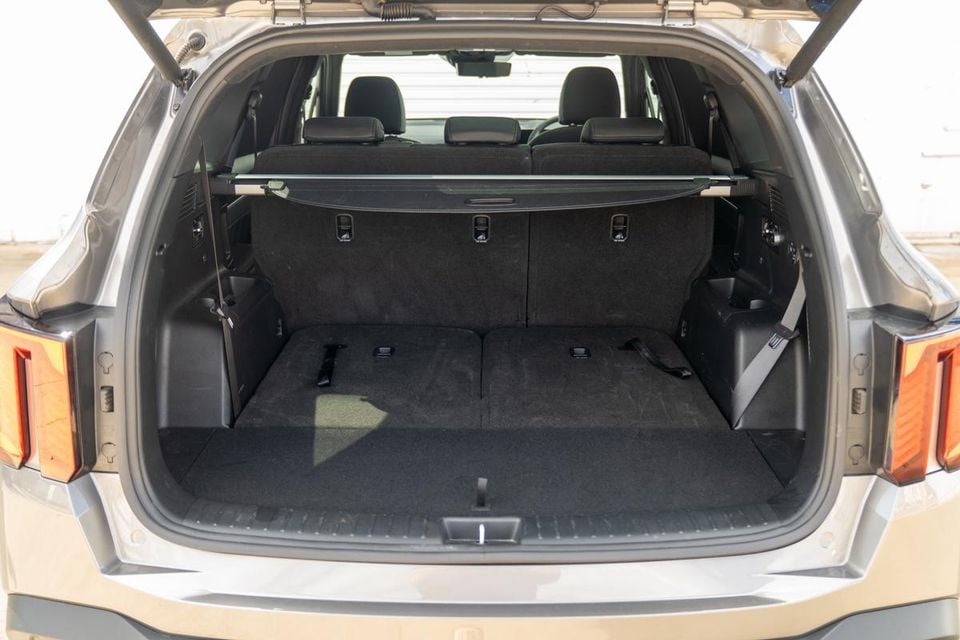
As for boot space, it sits between the Kluger and Tiggo with 175L of cargo capacity in seven-seat configuration, 604L as a five-seater and 1988L behind the front seats.
| Dimensions | Chery Tiggo 9 | Kia Sorento HEV | Toyota Kluger |
|---|---|---|---|
| Length | 4800mm | 4815mm | 4966mm |
| Width | 1930mm | 1900mm | 1930mm |
| Height | 1730mm | 1700mm | 1755mm |
| Wheelbase | 2750mm | 2815mm | 2850mm |
| Cargo capacity | 143L – all seats up 819L – 3rd row folded 2065L – 2nd and 3rd rows folded | 175L – all seats up 604L – 3rd row folded 1988L – 2nd and 3rd rows folded | 241L – all seats up 552L – 3rd row folded) 1150L – 2nd and 3rd rows folded |
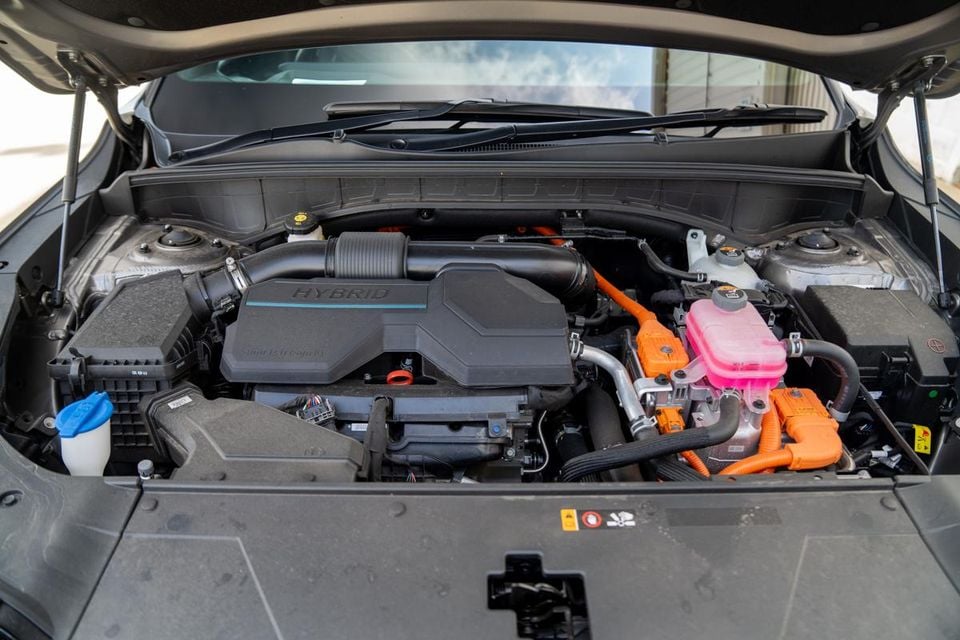
All three vehicles here link a conventional petrol engine to an electric motor in order to increase performance and therefore reduce fuel consumption, but that’s about where any similarities start… and finish.
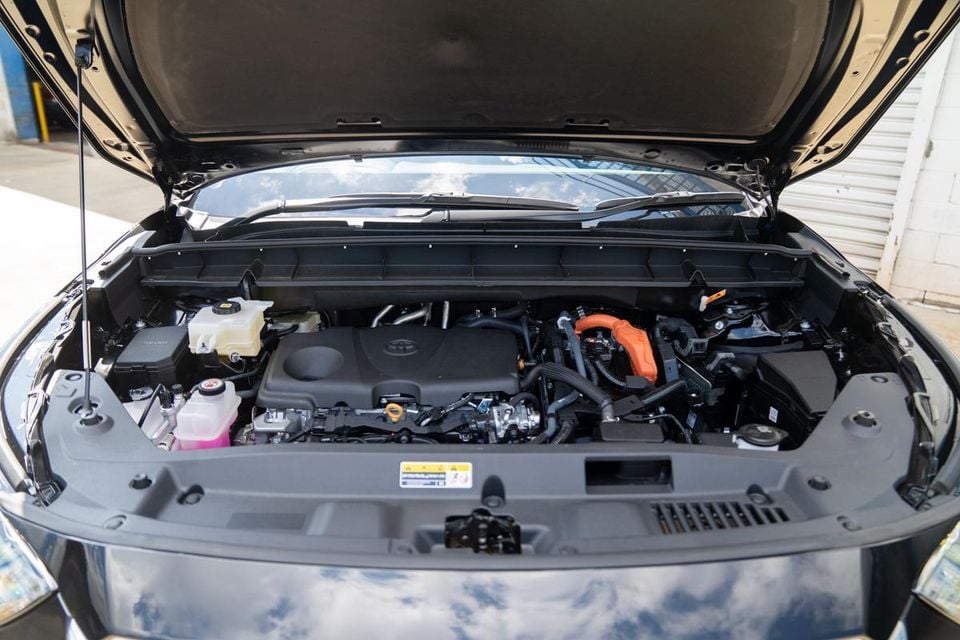
| Specifications | Chery Tiggo 9 CSH | Kia Sorento HEV AWD | Toyota Kluger |
|---|---|---|---|
| Engine | 1.5L 4cyl turbo-petrol | 1.6L 4cyl turbo-petrol | 2.5L 4cyl petrol |
| Engine outputs | 105kW 215Nm | 132kW 265Nm | 142kW 242Nm |
| Electric motor outputs | Front: 75kW/170Nm + 90kW/220Nm Rear: 175kW/310Nm | 44kW 264Nm | 88kW 202Nm |
| System outputs | 315kW 580Nm | 169kW 350Nm | 184kW |
| Battery | 34kWh lithium-ion | 1kWh lithium-ion | 1.9kWh lithium-ion |
| Transmission | Dedicated Hybrid Transmission (DHT) | 6-speed auto | CVT |
| Drive type | All-wheel drive | All-wheel drive | All-wheel drive |
| Weight | 2220kg (tare) | 1972kg (tare) | 2095kg (kerb) |
| Fuel economy (claimed) | 1.4L/100km (NEDC) | 5.7L/100km (WLTP) | 5.6L/100km (WLTP) |
| Electric driving range (PHEV) | 170km (NEDC) | N/A | N/A |
| Fuel tank capacity | 70L | 67L | 65L |
| Fuel requirement | 95-octane premium unleaded | 91-octane standard unleaded | 95-octane premium unleaded |
| CO2 emissions | 32g/km | 129g/km | 128g/km |
| Emissions standard | Euro 6 | Euro 5 | Euro 6 |
| Braked tow capacity | 1500kg | 1650kg | 2000kg |
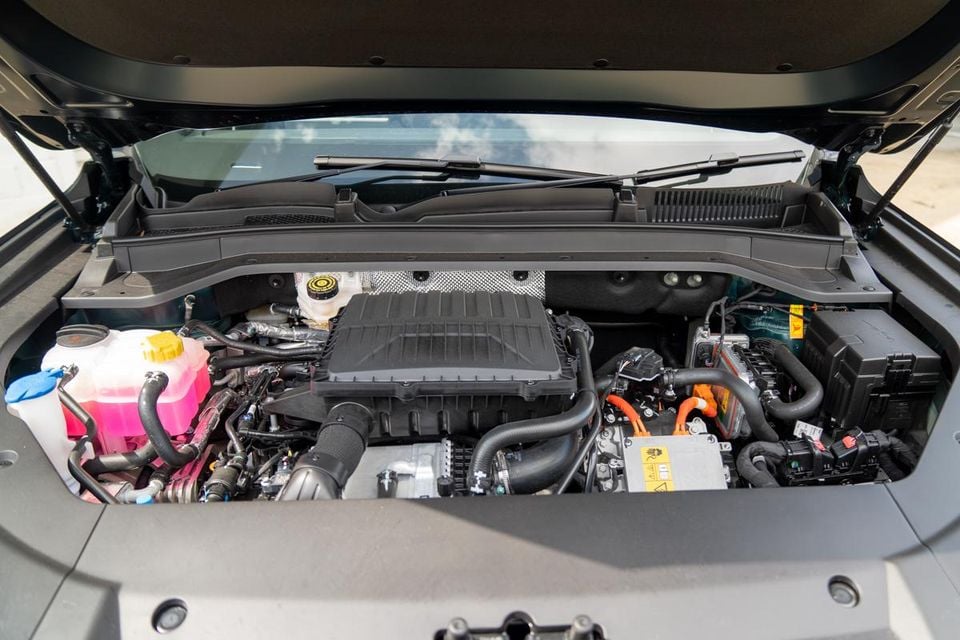
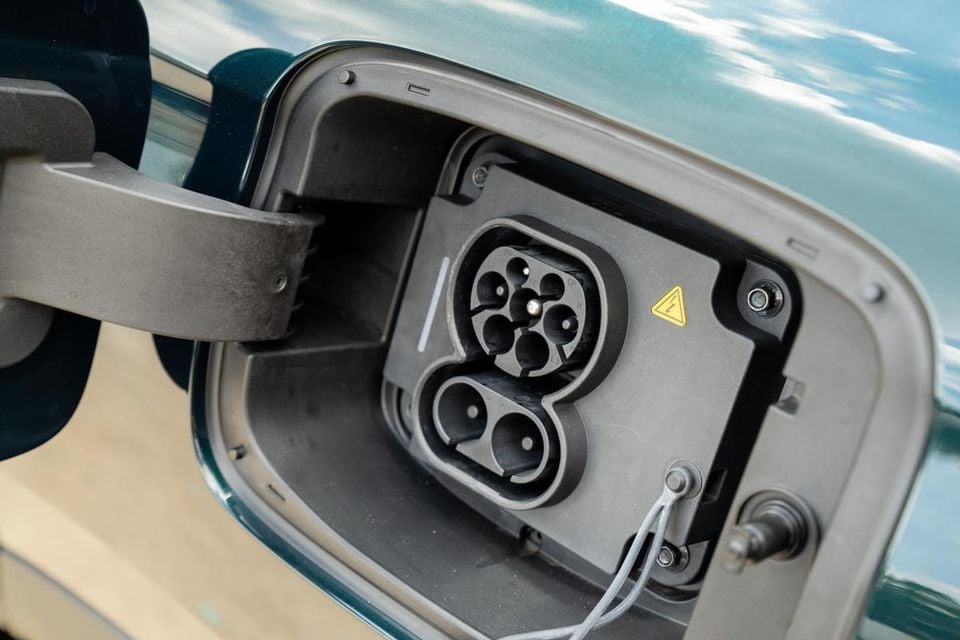
The Tiggo 9 Super Hybrid is the only SUV here that is a plug-in hybrid (PHEV), which means it can drive for longer distances on electric power alone and the battery can be recharged externally.
It has a 1.5-litre turbocharged four-cylinder petrol under the bonnet that, on its own, produces 105kW and 215Nm. But then it works in concert with three electric motors – one 75kW unit on the front axle, one 90kW motor within the dedicated three-speed hybrid transmission, and another on the rear axle that produces 175kW – for maximum combined outputs of 315kW and 580Nm.
Utilising a 34kWh lithium-ion battery, Chery claims the Tiggo 9 has an EV driving range of 170km and average fuel consumption of just 1.4L/100km from its 70L tank.
Chery also says the battery has a maximum AC charging rate of 6.6kW and a maximum DC fast-charging rate of 71kW, but does not quote how long it takes to replenish its power pack at home or via a public charging station.
The Kia Sorento pairs a 1.6-litre turbo-petrol four-cylinder that produces 132kW/265Nm with a 44kW electric motor sandwiched into its conventional torque converter six-speed automatic transmission for a maximum combined outputs of 169kW and 350Nm.
It has tiny 1kWh lithium-ion battery pack that is replenished exclusively via regenerative braking, and claims average fuel consumption of 5.7L/100km (in AWD configuration) from its 67L tank.
The Toyota Kluger has the most powerful – and largest-capacity – internal combustion engine, with a 2.5-litre naturally aspirated petrol four that produces 142kW and 242Nm and is linked to an electric motor and a continuously-variable transmission (CVT) to deliver maximum power of 184kW. Toyota does not quote separate power outputs for the electric motor or a combined torque figure.
It has a Nickel Metal Hydride (NiMH) battery pack that also can only be recharged while driving, and a claimed average fuel consumption figure of 5.6L/100km from its 65L tank.
Okay, so here’s the thing; all three of these cars are easy to live with as everyday family runabouts, but go about their business in vastly different ways.
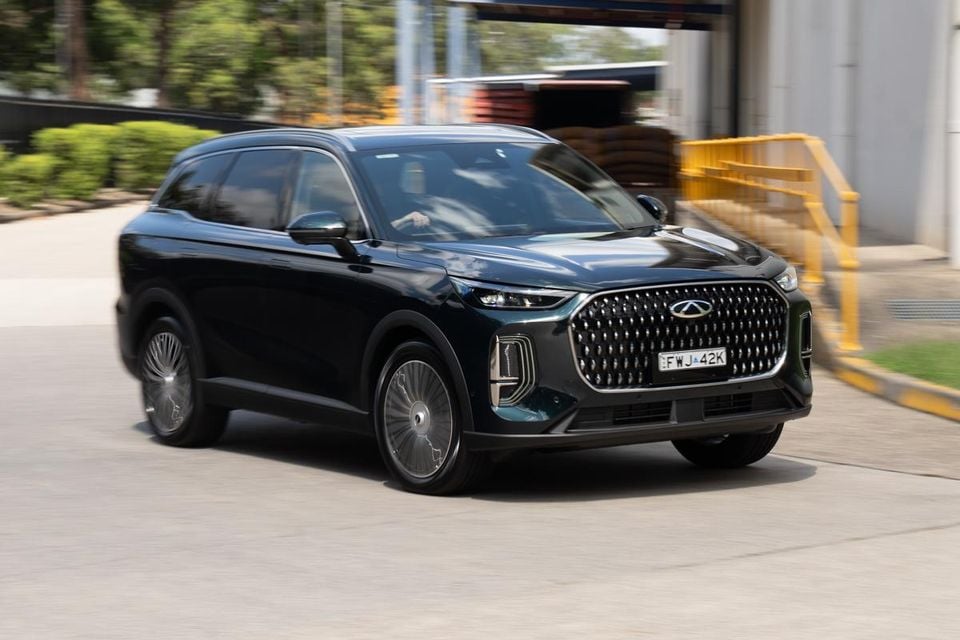
The Chery Tiggo 9 is clearly the most advanced in terms of its powertrain and, as such, not only feels the most powerful (by a long shot) but also the most refined and quietest, because of the simple fact that it predominantly drives like an electric car.
The e-motors deliver seamless and effortless motivation at any speed and, surprisingly, neck-snapping acceleration away from a standstill when you ask for everything it has.
However, the rest of the package still needs some fine-tuning to really stand up to its established rivals. The steering is overly light and numb in its feedback, the brakes are too wooden under regen, and the transition to conventional friction braking is more noticeable than in the Kia and Toyota.
The safety systems are much more binary too, especially the lane keeping assistance which constantly veers to the right then automatically bounces back into the centre, and the adaptive cruise slows down too rapidly at the sight of a slight bend.
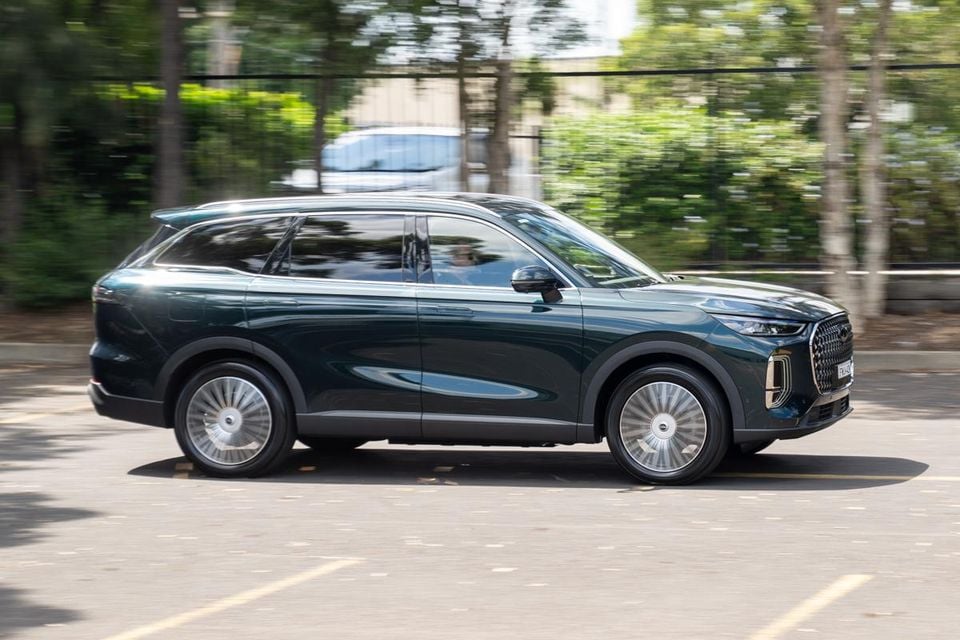
Lastly, the suspension is both a little too soft, which amplifies its 2.2-tonne mass and generates more body roll through bends, yet somehow it also feels jittery over small bumps.
While that might sound bad, it’s not. A little fine-tuning of its basic damper settings, power steering calibration and safety systems will go a long way to improving its driving character.
Which is exactly what you feel from behind the wheel of the Sorento, which has been expertly tuned for local road conditions.
It’s the best all-rounder here, with well-weighted and positive steering and a balanced suspension calibration. It’s noticeably stiffer than both the Tiggo 9 and Kluger, but not to the detriment of overall comfort.
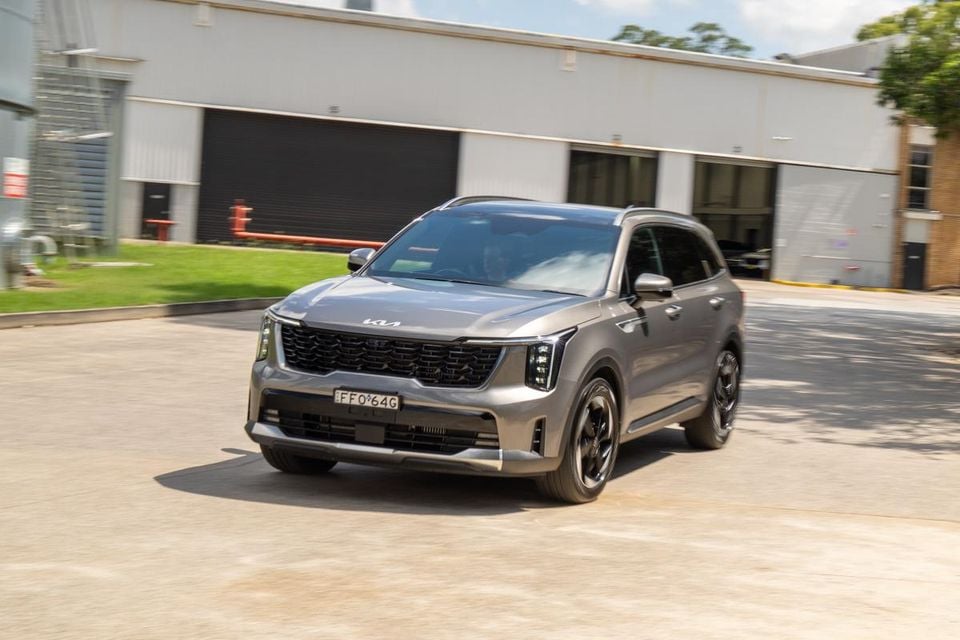
Instead, it feels more planted and secure through the bends and soaks up road irregularities more consistently.
The silky-smooth six-speed automatic adds to the sense of driving enjoyment, even when left to its devices, allowing the zippy little turbo engine to spin up freely with help from the electric motor.
And then there’s the Kluger, which is arguably the most conservative in its overall driving character, and also starting to show its age.
The 2.5-litre atmo four is noisy under load and the CVT flares constantly as it attempts to tap into the engine’s maximum torque, which is naturally higher in the rev range than the Sorento’s turbo four.
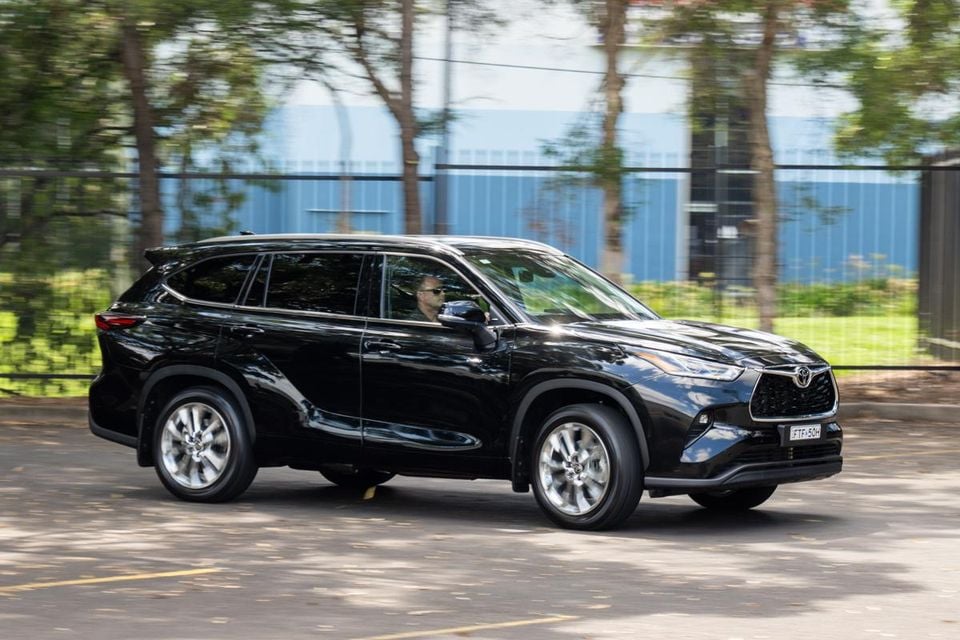
There’s also more noticeable wind noise from the A-pillars and wing mirrors at highway speeds, and more road noise on rough surfaces.
The Kluger is, however, the most comfortable and has excellent body control, but it doesn’t feel as agile or as well planted as the Sorento.
Kia has long set the benchmark for long-term ownership provisions and was the first automaker to offer a seven-year, unlimited-kilometre warranty.
| Servicing and Warranty | Chery Tiggo 9 CSH | Kia Sorento HEV | Toyota Kluger |
|---|---|---|---|
| Warranty | 7 years, unlimited kilometres | 7 years, unlimited kilometres | 5 years, unlimited kilometres |
| Roadside assistance | Free up to 7 years | Free up to 8 years | $99-$139 per year |
| Service intervals | 12 months or 15,000km | 12 months or 10,000km | 12 months or 15,000km |
| Capped-price servicing | 7 years | 7 years | 5 years |
| Average annual service cost | $453 | $650 | $280 |
| Total capped-price service cost | $3174 | $4552 | $1400 |
While some newcomers – and established rivals – have since gone even further, the South Korean brand retains the same level of coverage today for all of its models, including the Sorento.
It also includes seven years of capped-price servicing and up to eight years of free roadside assistance if the vehicle is maintained each year, or every 10,000km – whichever comes first – through its dealer network.
As for the price of servicing, the Sorento will cost $4588 to maintain over seven years at an average of $655 per annum.
The Chery Tiggo 9 matches the Sorento with a seven-year, unlimited kilometre warranty with capped-price servicing and roadside assistance for the same duration if the vehicle is maintained through the Chery dealer network.
It requires regular servicing every 12 months or 15,000km (whichever comes first) and will cost $3173 over the seven years at an average of $453 per annum.
The Toyota Kluger is covered by a standard five-year, unlimited kilometre warranty with roadside assistance and capped-price servicing for up to 10 years.
The Kluger needs to be serviced every 12 months or 15,000km and is the cheapest to maintain, costing $2380 for the first seven years at an average of $340 per annum.
It also has the highest retained value, according to RedBook, and will hold 65.5 per cent of its original value over the first three years, where the Sorento will hold 57.5 per cent and the Tiggo will hold 56.8 per cent.
Depending on your priorities, each of these cars excels in its own way.
The Chery Tiggo 9 is undeniably the best value, and the price difference alone is a big chunk of change for growing families. There’s the equivalent of half a year of mortgage repayments or a family holiday to consider here.
And that’s not taking into account the potential fuel savings if you fully leverage its plug-in powertrain, which is actually pretty impressive in both theory and practice.
Then there’s the Kluger, which costs the most to buy but is the cheapest to maintain and the best long-term prospect with the highest resale value. However, while it’s ultimately the most comfortable and conservative in its driving character, it also feels a generation behind the others.
Which leaves the Sorento as the winner here on the strength of its all-round goodness, from its well-sorted driving character and punchy yet efficient powertrain, to its classy, practical and spacious cabin.
MORE: Explore the Chery showroom
MORE: Explore the Kia showroom
Share your thoughts with us in the comments below!
Share your thoughts and write a review of a car you own and get featured on CarExpert.
Andrew Maclean
4 Hours Ago

William Stopford
20 Hours Ago

Damion Smy
21 Hours Ago

Derek Fung
22 Hours Ago
Andrew Maclean
1 Day Ago

James Wong
1 Day Ago