

Andrew Maclean
2026 Leapmotor B10 vs Jaecoo J5 EV vs BYD Atto 3 comparison
Which of these three small Chinese electric SUVs is best, and which of them represents the best value for Aussie EV buyers on a budget?
58 Seconds Ago
Which of these three small Chinese electric SUVs is best, and which of them represents the best value for Aussie EV buyers on a budget?
Contributor
Contributor
With fuel prices at an all-time high, new-car buyers on a tight budget are turning their attention to electric vehicles.
And there is no better time to consider the switch, with a new breed of affordable, battery-powered compact SUVs that promise decent driving range, plenty of space and practicality, and the latest in modern conveniences and safety systems.
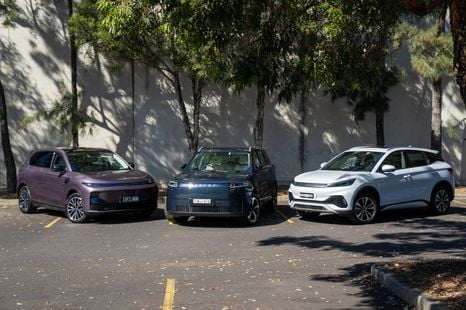
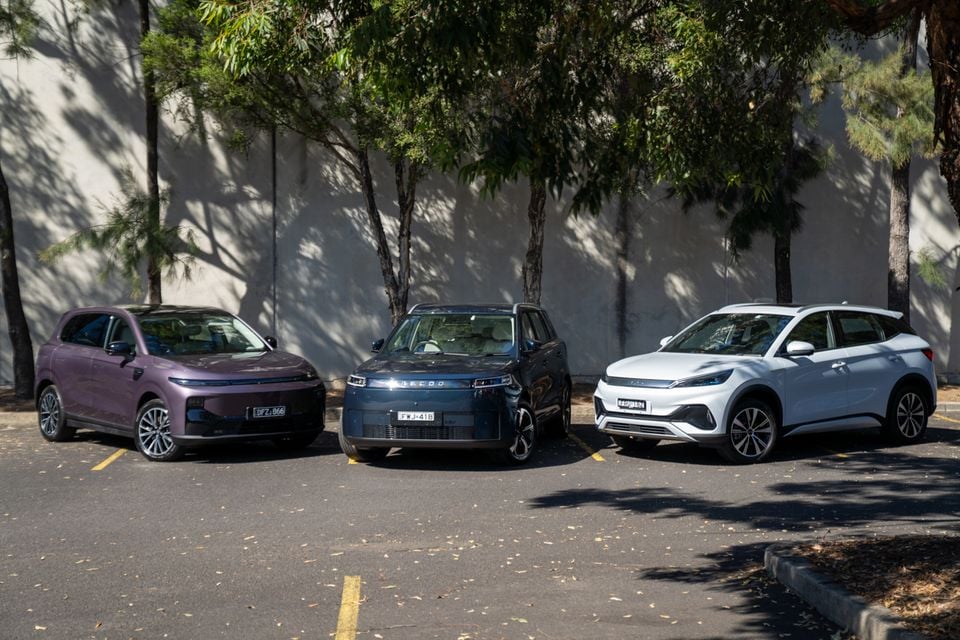
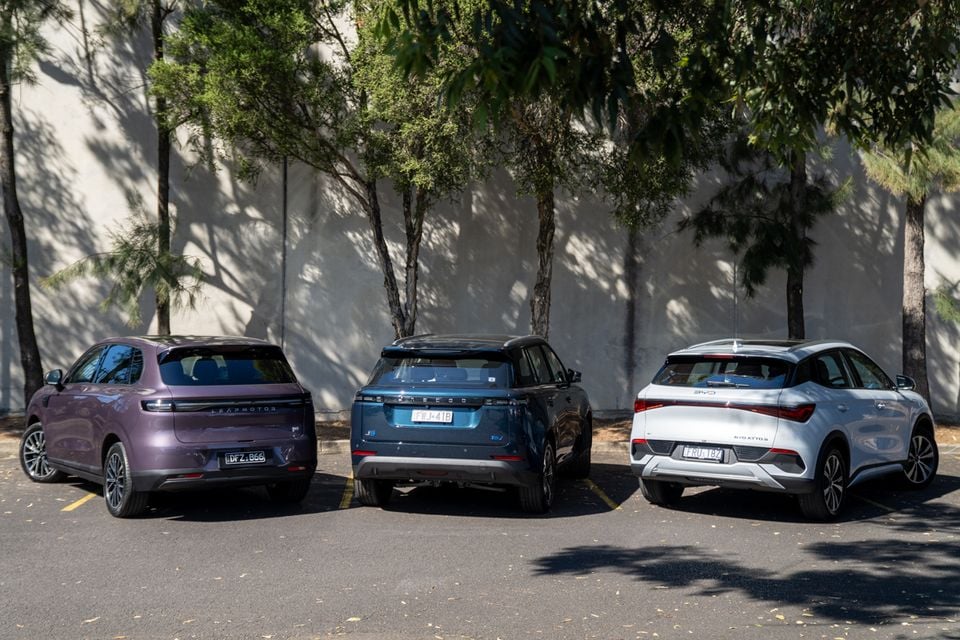
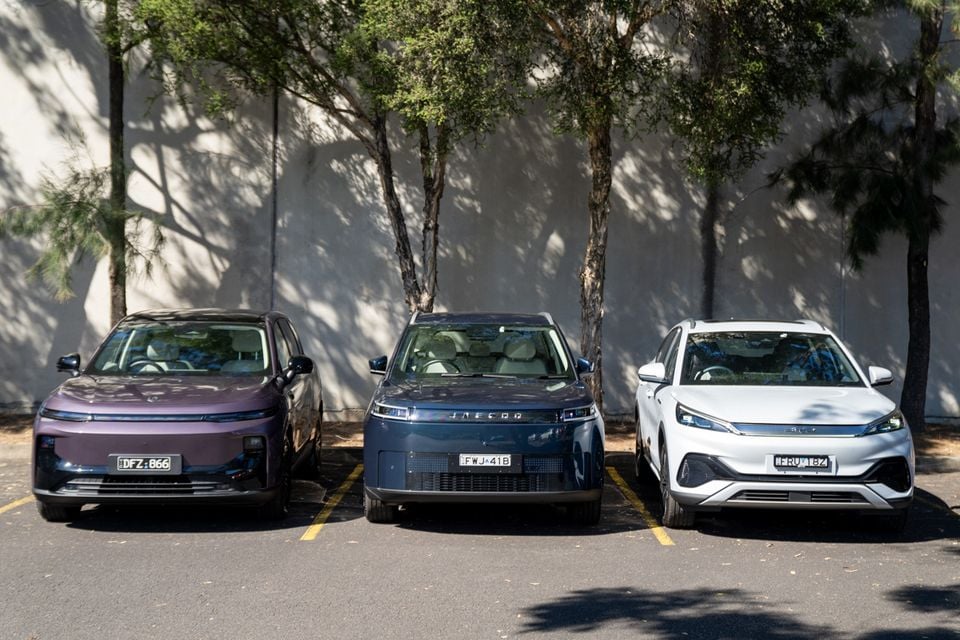
Like these three models: the new Jaecoo J5 EV, the almost-as-new Leapmotor B10, and the popular BYD Atto 3.
All three cost around $40k, have seating for five and can cover more than 400km on a single charge.
So, let’s find out which is the better option and why.
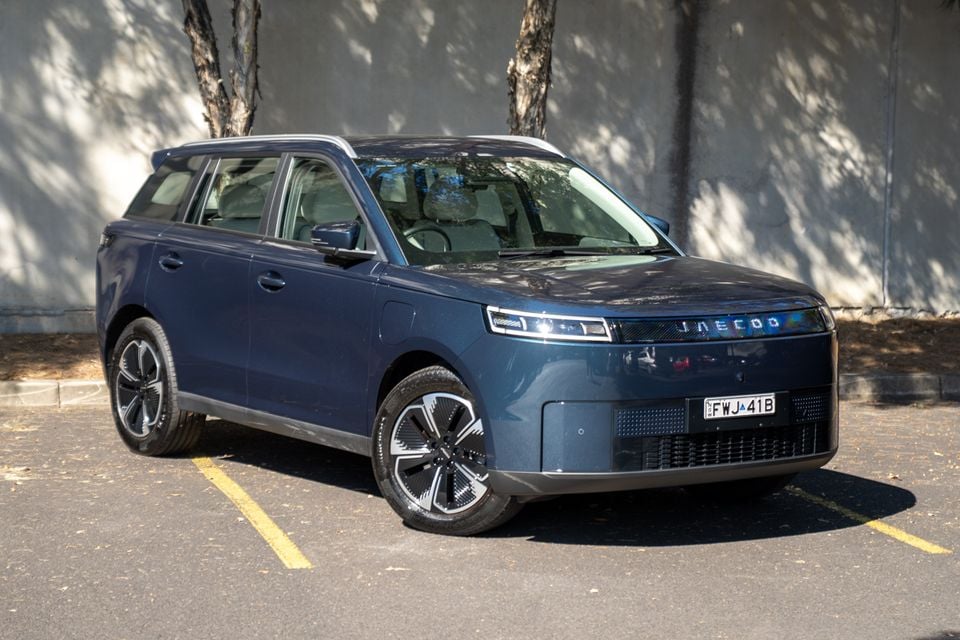
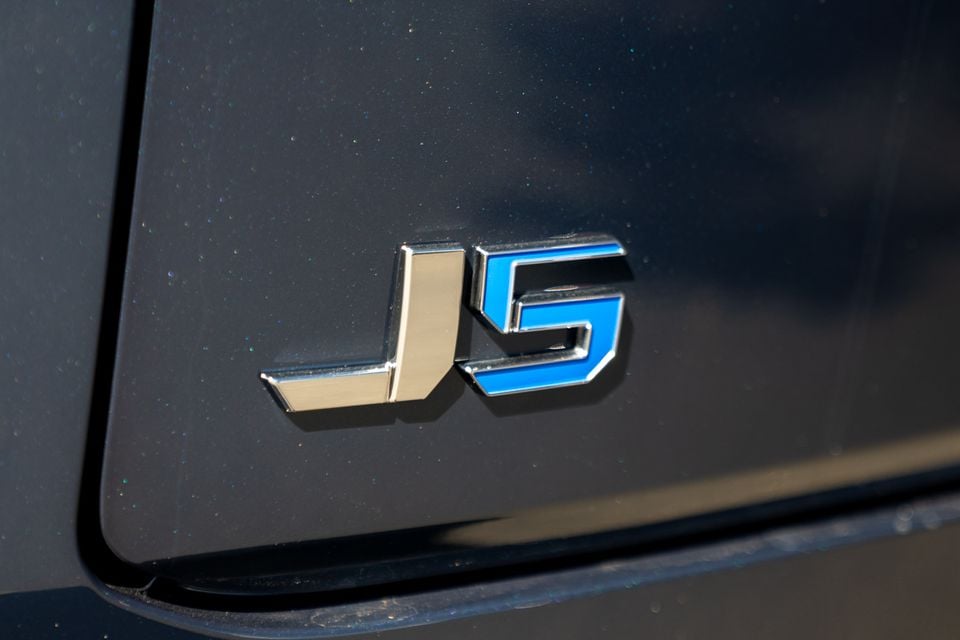
The Jaecoo J5 EV is the newest model here, arriving in local showrooms in January 2026, and it’s the most affordable too. Available in just a single, high-grade specification, it costs $35,990 drive-away.
Model | Price before on-road costs | Drive-away price |
|---|---|---|
2026 Jaecoo J5 EV | - | $35,990 |
2026 Leapmotor B10 Design Long Range | - | $41,990 |
2026 BYD Atto 3 Premium Extended Range | $44,990 | $48,749 (NSW indicative) |
A plug-in hybrid version and a cheaper entry-level variant with a conventional turbocharged petrol engine are due to join the lineup later this year.
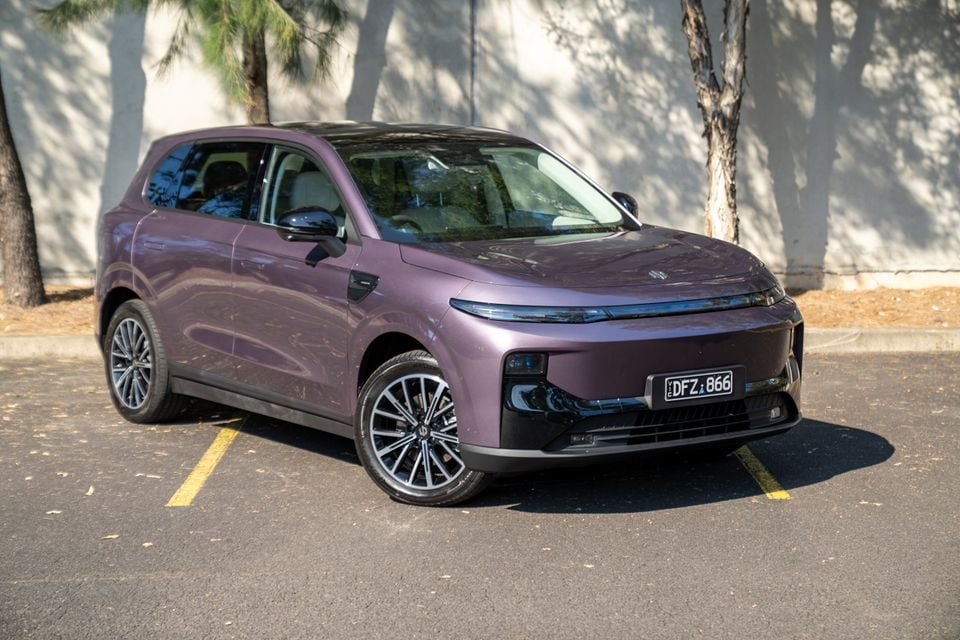
The Leapmotor B10, which was released in Australia in November 2025, and the BYD Atto 3 can be had in two model grades, but both of these small Chinese SUVs cost more.
The entry-level B10 Style has a sticker price of $37,888 before on-road costs, while the flagship Design Long Range we’re testing here costs $40,888 plus on-roads, but that’s without factoring in the additional $990 for the Dawn Purple premium paint featured on our test vehicle.
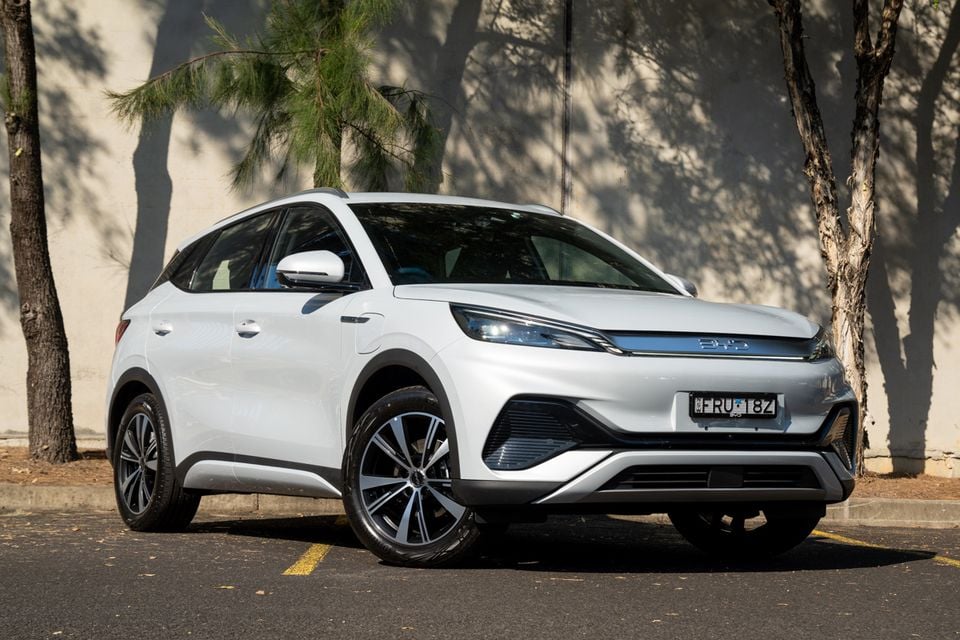
The BYD Atto 3 is the oldest model among this trio, having been on sale in Australia since 2022. While BYD’s pioneering small SUV has been upgraded for other markets, it remains available here in entry-level Essential trim for $39,990 plus ORCs, and range-topping Premium form as tested here, for $44,990 plus ORCs.
Each of these cars deliver exceptional value for money and come loaded with a generous list of standard features.

Shared equipment highlights:
However, each of them also has a selection of unique features too.
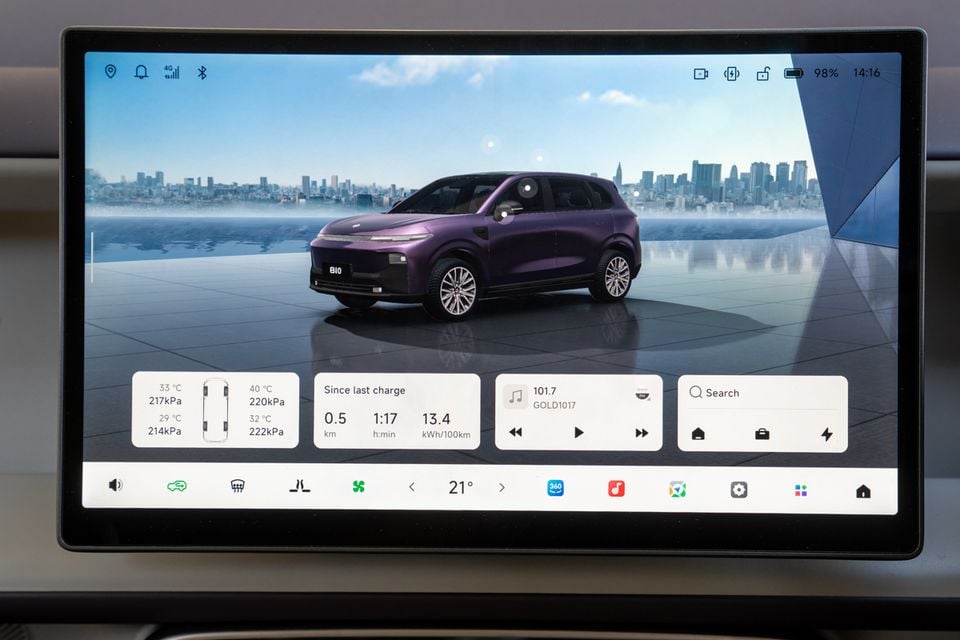
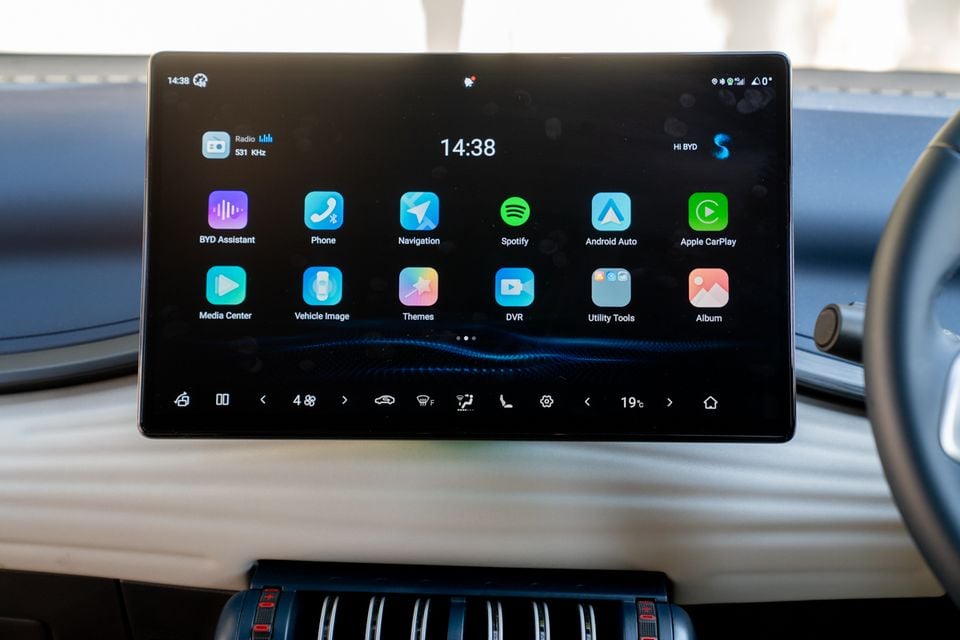
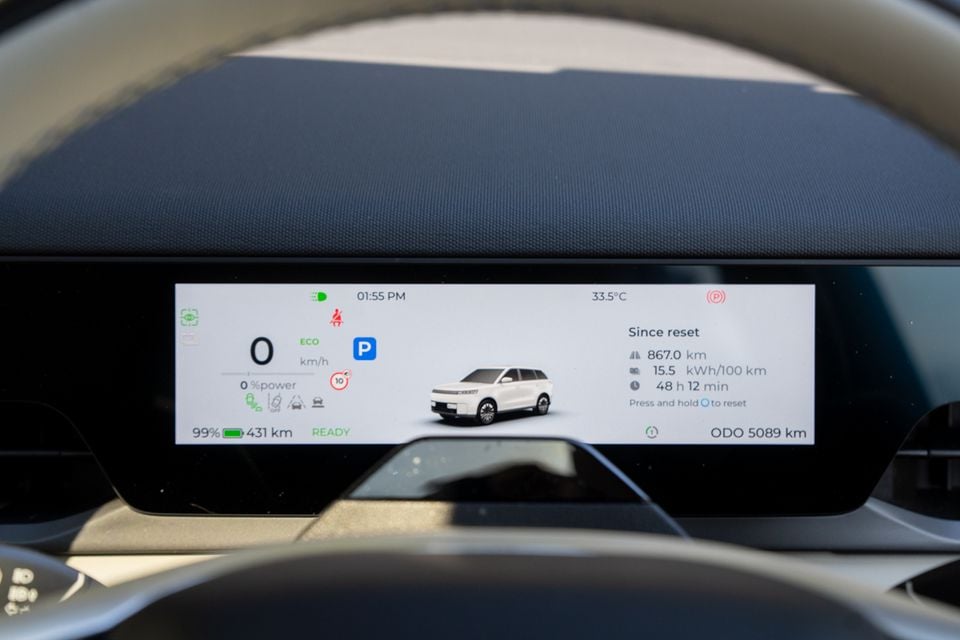
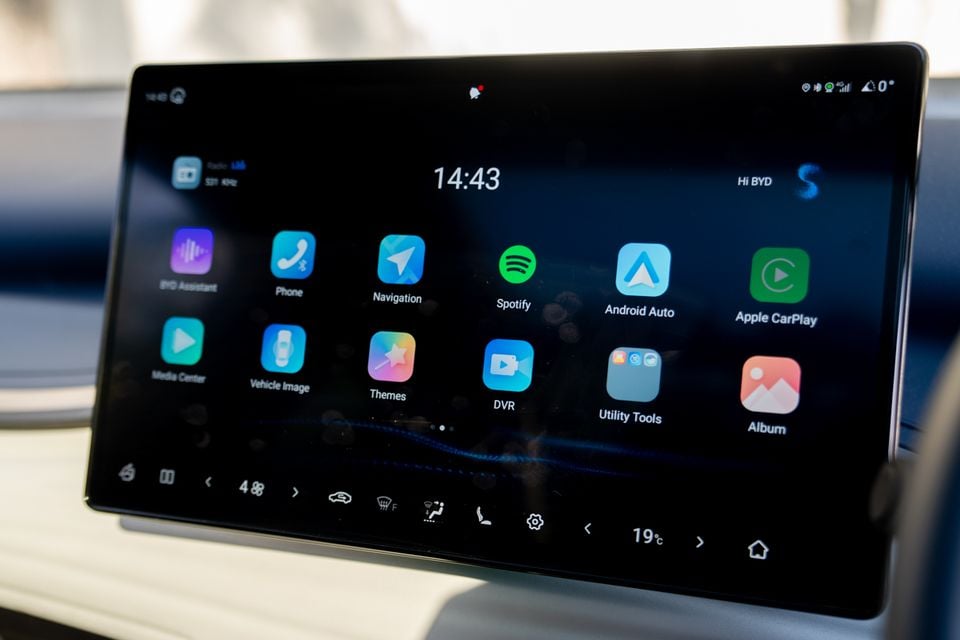
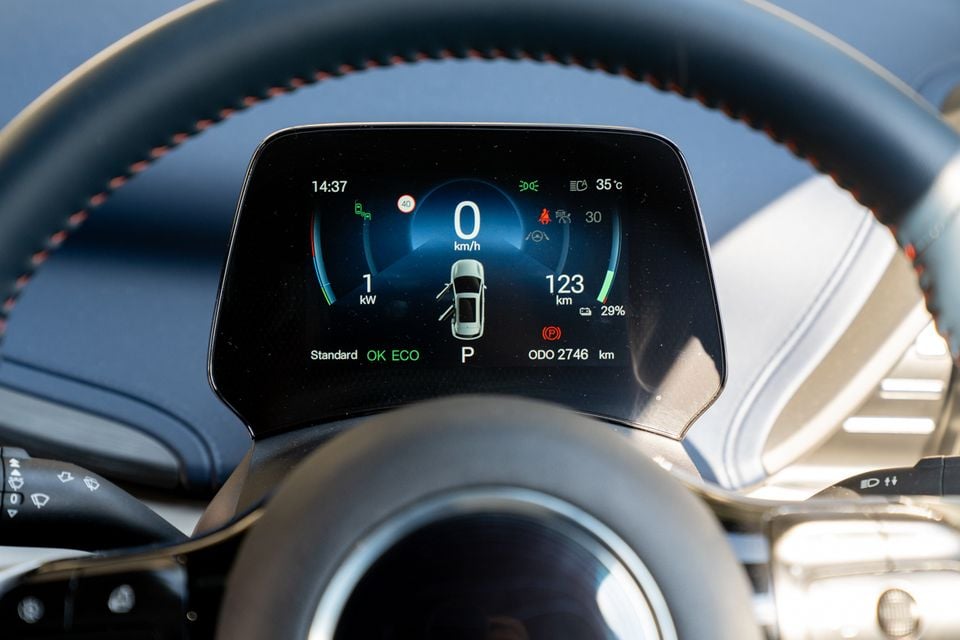
In terms of screen sizes, they are all a little different. The Jaecoo J5 and Leapmotor B10 both have a small 8.88-inch instrument cluster but feature a portrait-oriented 13.2-inch and a landscape-oriented 14.6-inch infotainment display respectively. The BYD Atto 3 has an even smaller 5.0-inch instrument cluster but the largest infotainment display at 15.6 inches, and it can be positioned in either portrait or landscape mode.
The J5 and B10 both have heated and ventilated front seats, but the Jaecoo is the only one with dual-zone climate control. Both the BYD and Leapmotor offer just one temperature setting.
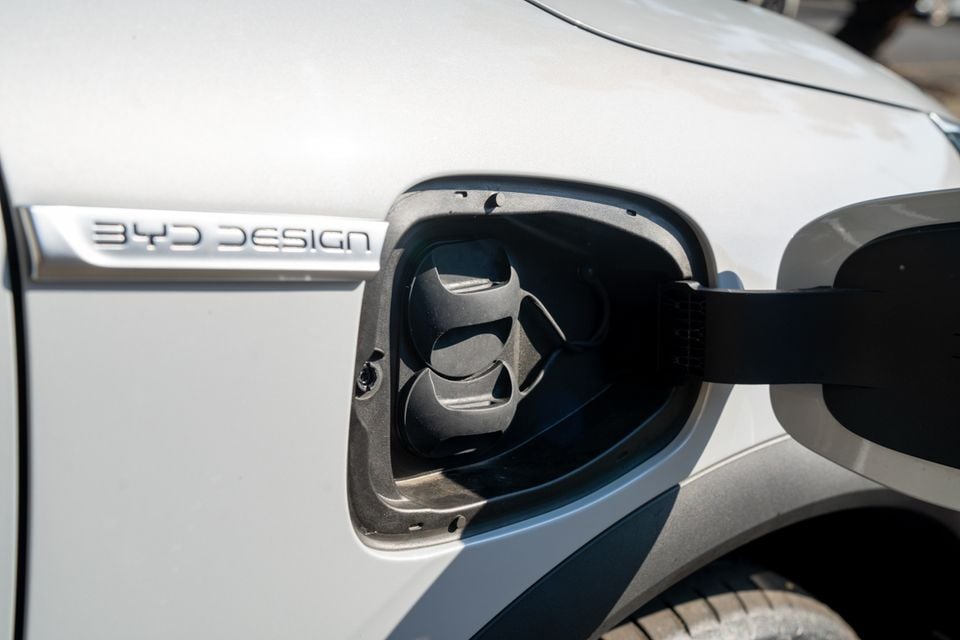
Conversely, the Atto 3 and B10 both feature vehicle-to-load (V2L) functionality, which allows owners to utilise the battery’s stored energy to either charge portable electrical devices like power tools or laptops, or send electricity to the grid when connected to a home charger.
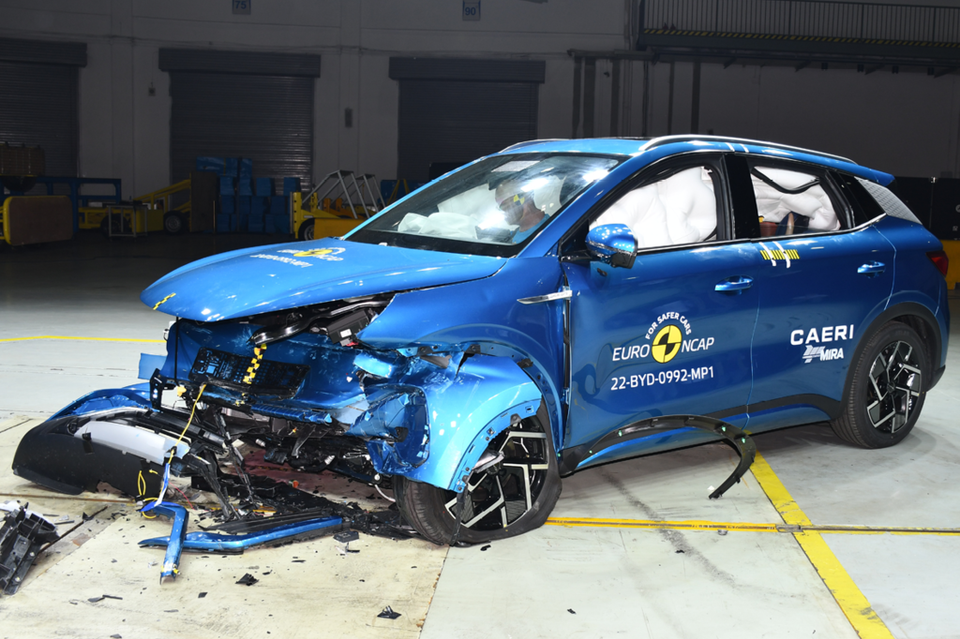
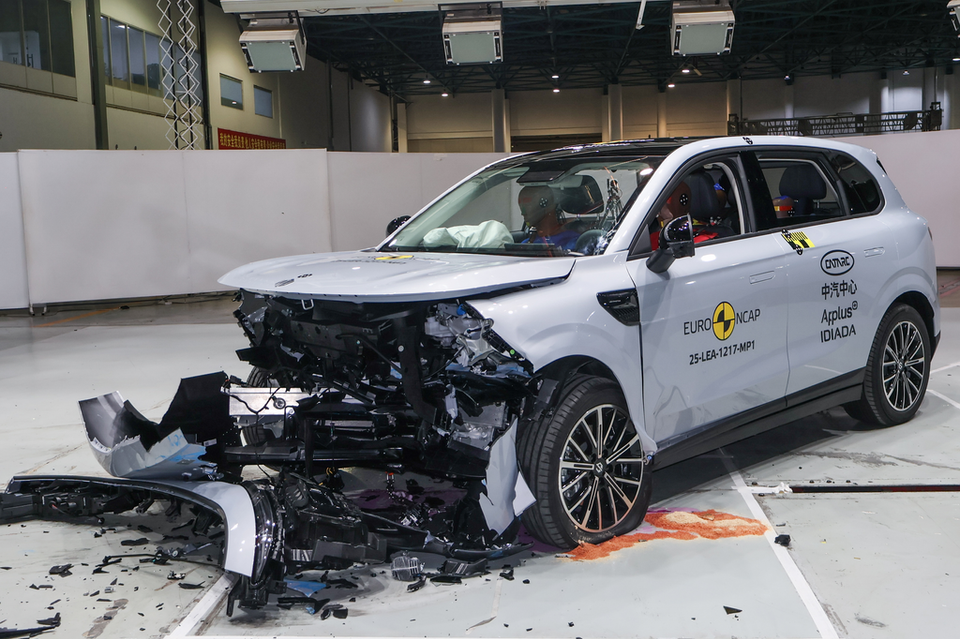
As you’d expect for models that are this new, each of these SUVs is equipped with the latest in advanced driver aids and crash avoidance systems.
Category | Leapmotor B10 | Jaecoo J5 EV | BYD Atto 3 |
|---|---|---|---|
Adult occupant protection | 93 per cent | - | 91 per cent |
Child occupant protection | 95 per cent | - | 84 per cent |
Vulnerable road user protection | 84 per cent | - | 69 per cent |
Safety assist | 86 per cent | - | 80 per cent |
Shared standard safety features include:
All three also have seven airbags covering all occupants, including a centre airbag between the driver and front passenger, and ISOFIX child restraint anchors in the back row.
However, only the BYD and Leapmotor have been tested by the independent auto safety authority ANCAP, which awarded them a maximum five-star rating. The Jaecoo is expected to be scrutinised sometime this year.
Here’s where each of these vehicles offers the most difference.
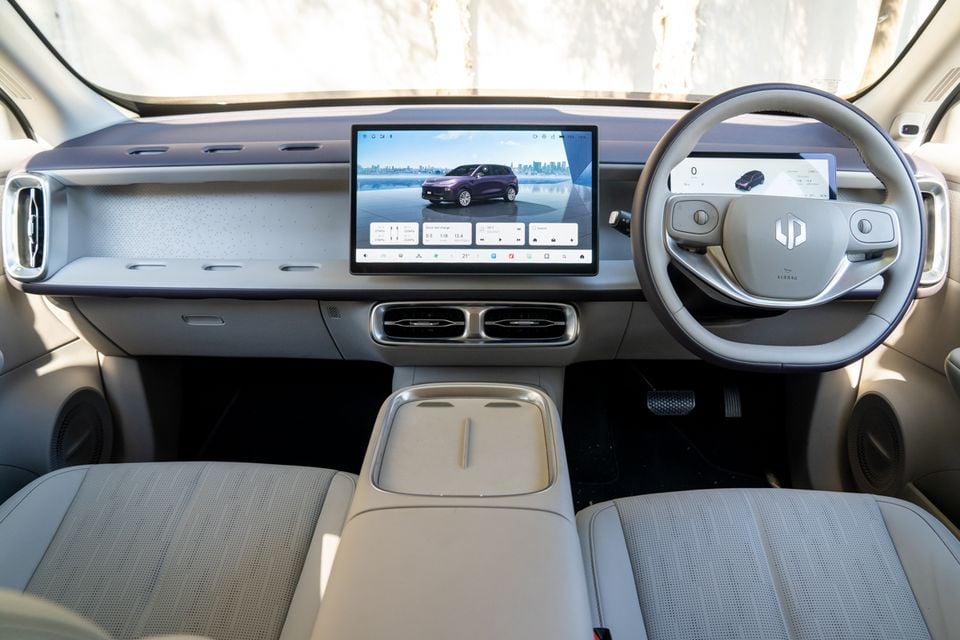
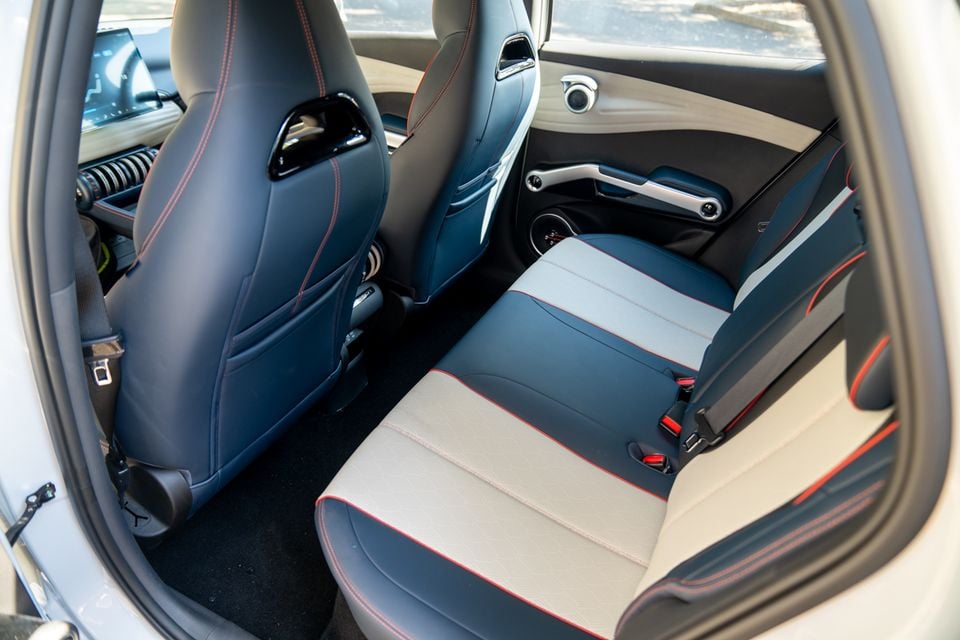
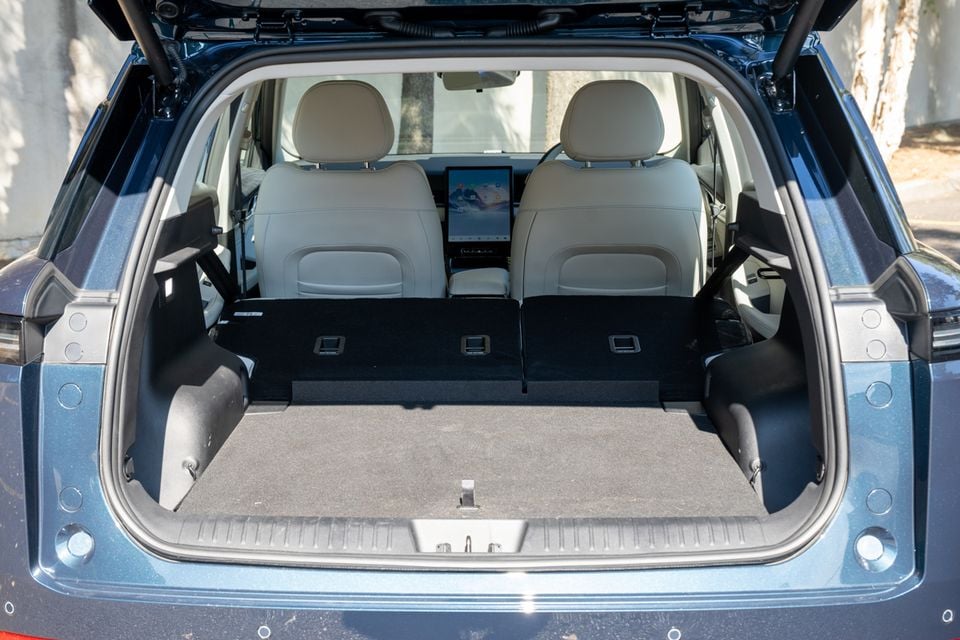
The Leapmotor B10 is physically the largest of this trio, measuring 4515mm long and riding on a 2735mm wheelbase. So it offers the most interior space including heaps of rear legroom, generous headroom for all occupants, and the biggest cargo carrying capacity in the boot.
The cabin also has the most wow-factor in terms of design, especially with its almost snow-white ‘Technoleather’ trim (which Leapmotor strangely calls Light Grey), plus a floating dashboard, twin-spoke steering wheel, and a pixelated pattern that flows from the edge of the passenger side into the door cards.
There’s also a tea tray-like centre console topped by what look like two phone slots (only one is a wireless charging pad, while the other is a sensor for the key card), and a pair of flip-up cupholders in the open storage bin below.
It looks great but also has its quirks, including window switches that work in the wrong direction and hidden USB power outlets underneath the armrest that you’ll only know exist if you duck your head into the footwell.
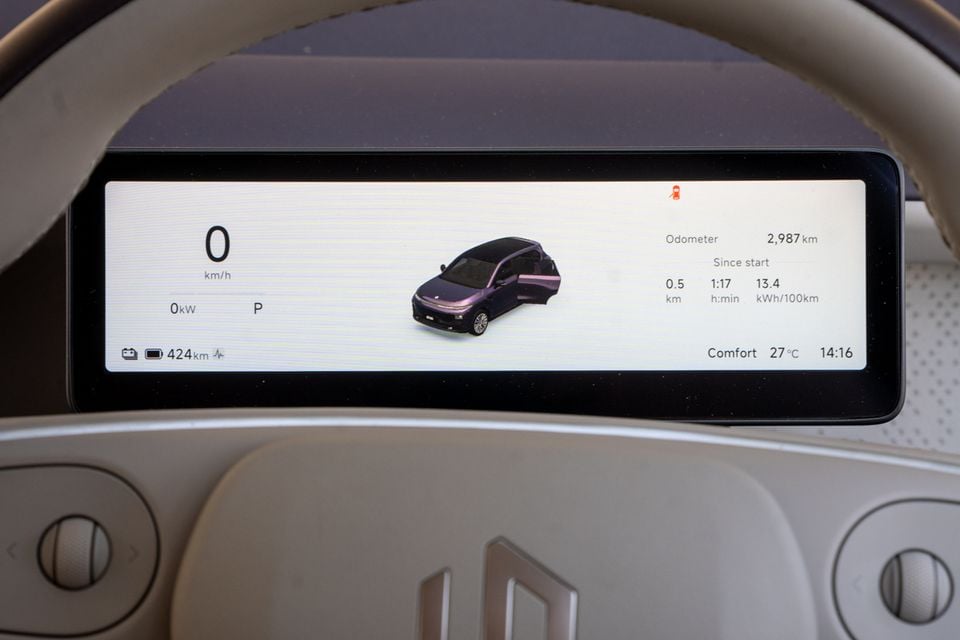
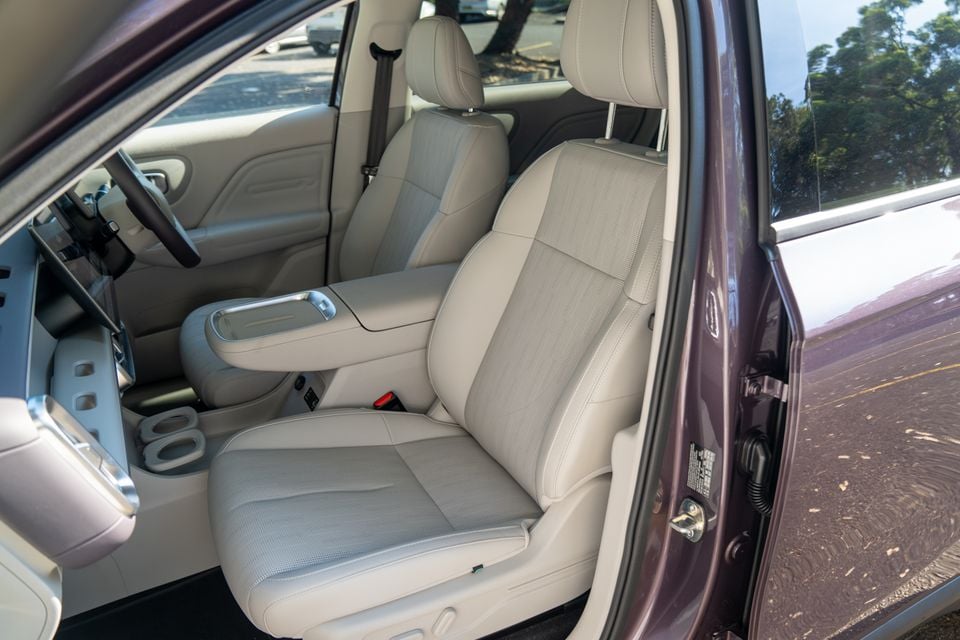
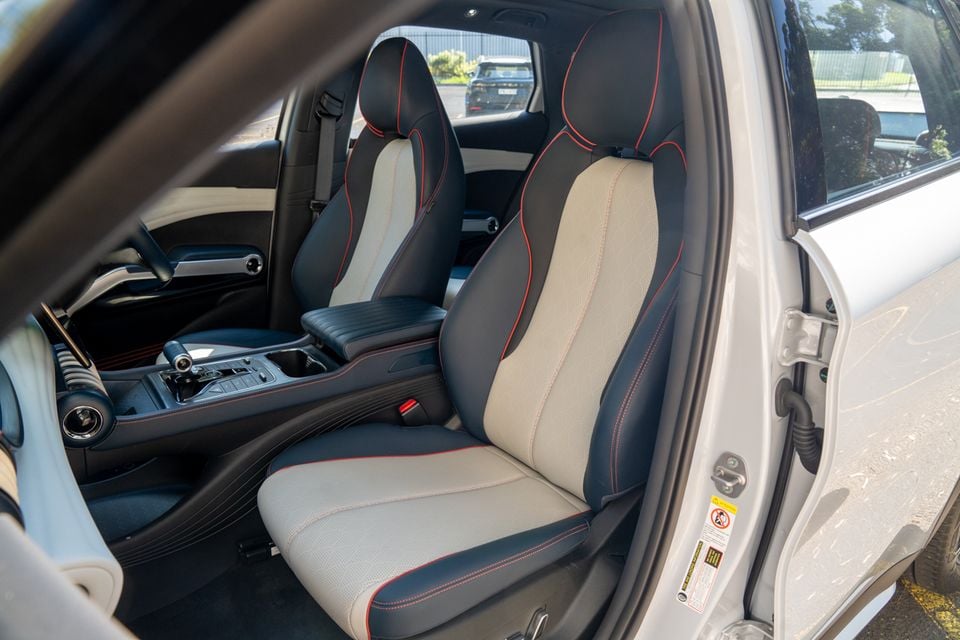
But the rest of the fundamentals are great, with comfortable and supportive front seats that offer plenty of adjustment, good vision all round, large door bins, and a deep lidded centre console.
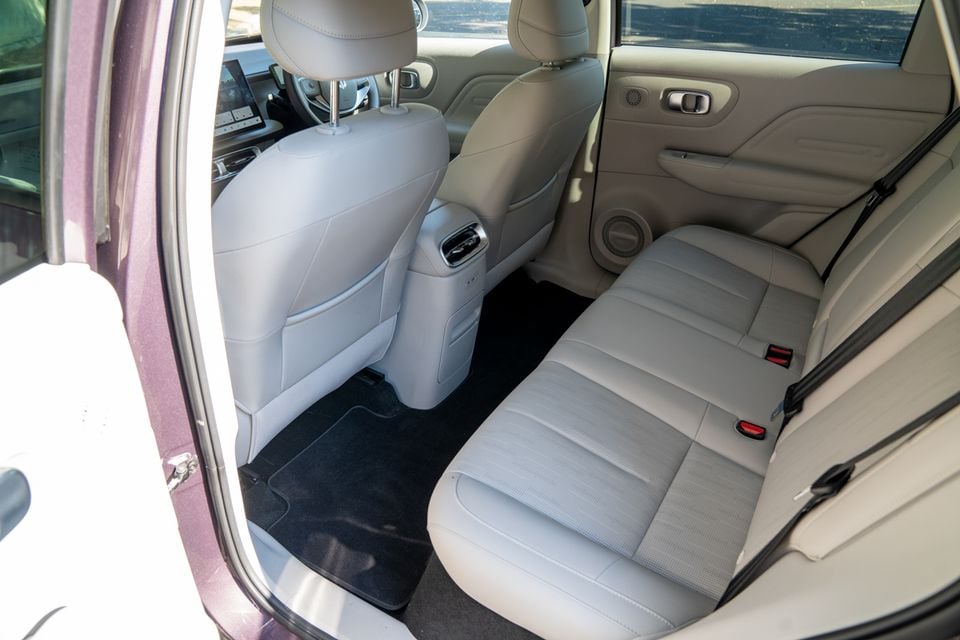
Those in the back have acres of space, adjustable air vents, USB-C and USB-A power outlets, and a flip-out cubby hole to keep small items secure.
At the other end of the scale, the Jaecoo has the smallest footprint of these three cars, measuring 4380mm in overall length and riding on a 2620mm wheelbase.
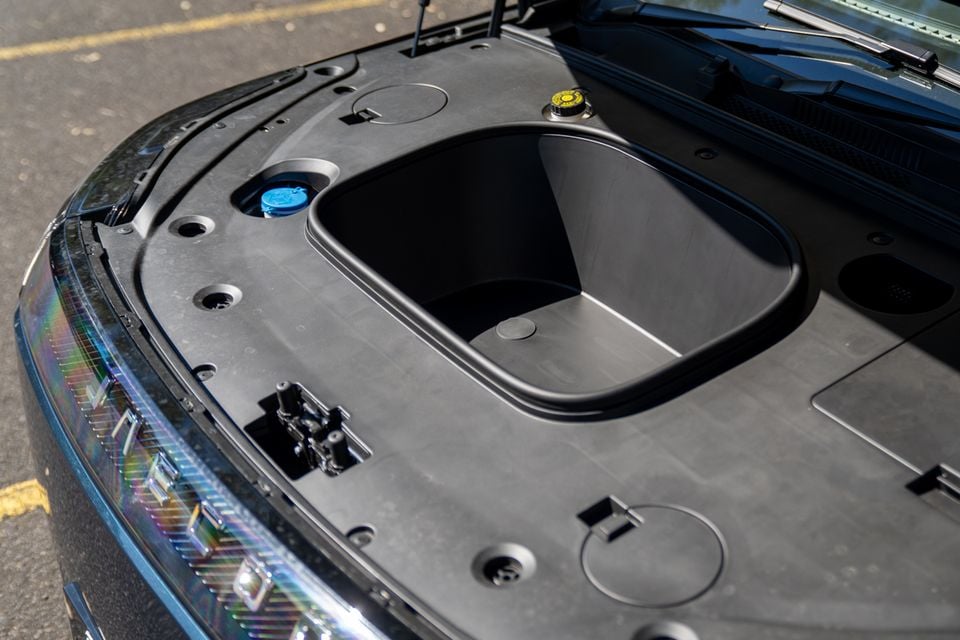
But don’t let that fool you, as it’s cleverly packaged to create a cabin that is almost as spacious as the B10, including more-than-adequate rear legroom, and almost as much cargo space in the boot. It is also the only one here with additional storage space under the bonnet with a 35-litre frunk.
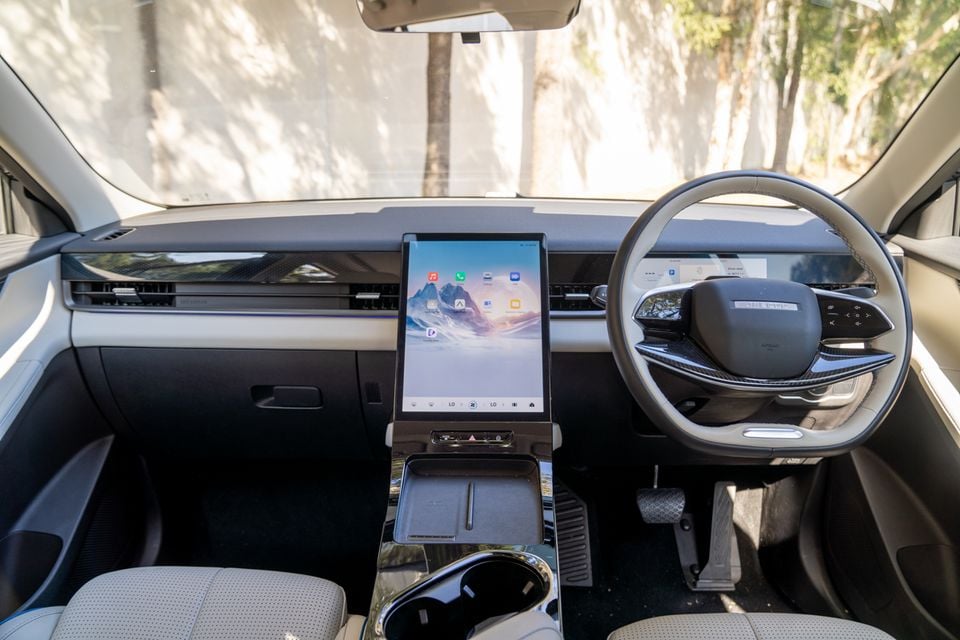
The overall cabin design is more minimalist than the Leapmotor’s, with a simple T-shaped dashboard design and a two-tone cream-on-black colour scheme.
By comparison, it looks simpler and the plastics are a bit harder, but it is just as comfortable and practical, thanks to two phone holders at the base of the console, twin cupholders, a deep lidded bin between the seats, and an extra storage area underneath.
The portrait-oriented screen looks as though it cascades into the centre console and is clear and bright, but the phone-style widgets could be larger and easier to read, and the menu structure takes some time to navigate through when it comes to changing often-used settings.
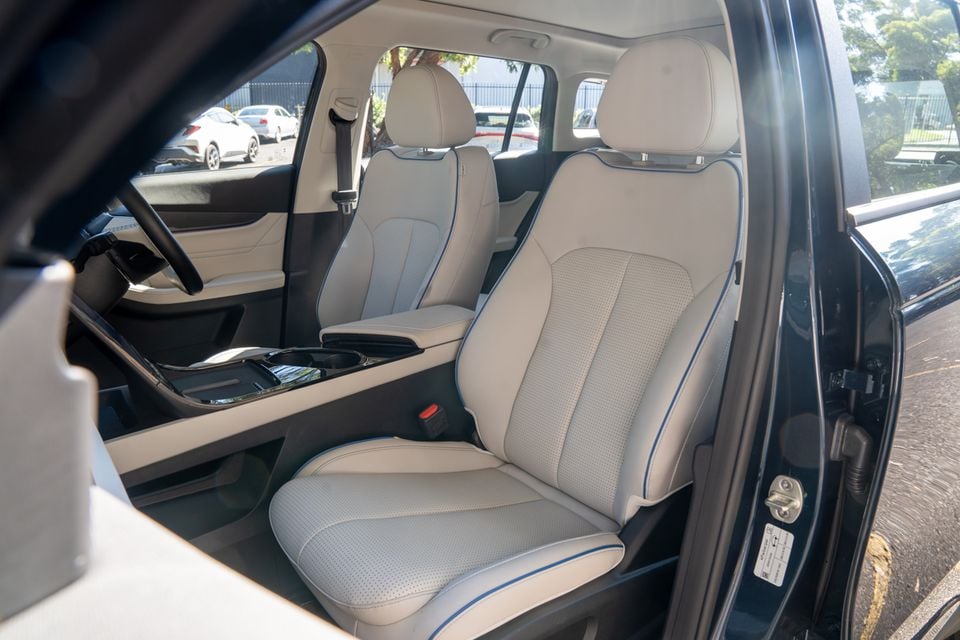
The front seats are comfortable, supportive and offer plenty of adjustment, and there’s excellent vision all round.
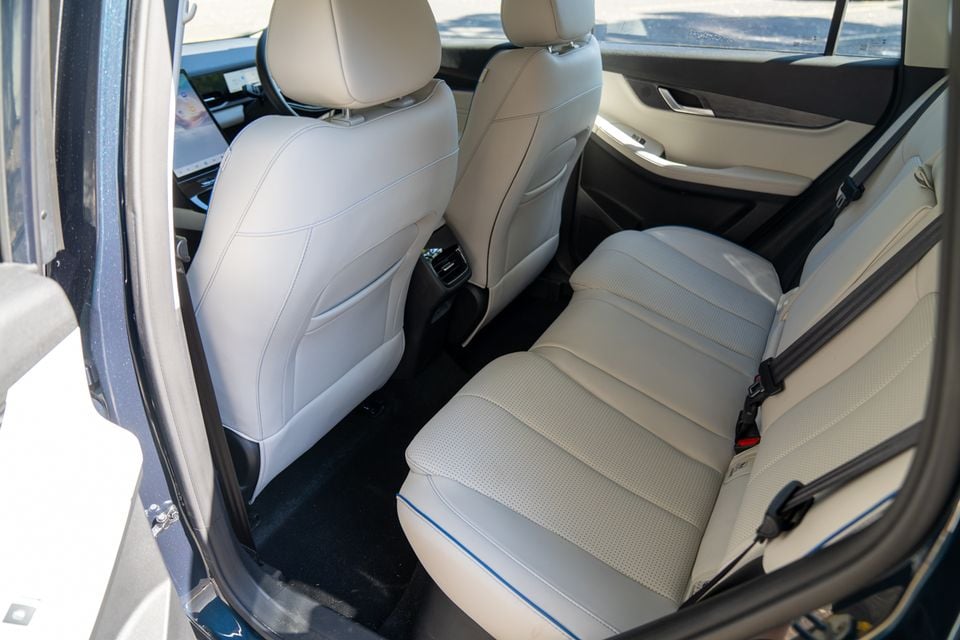
Rear occupants also get decent legroom, but there’s just a single air vent in the back of the centre console, alongside two USB-C power outlets.
Uniquely, the Jaecoo J5 has been certified as the world’s first pet-friendly car as its synthetic leather material is designed to be more resistant to scratches, odours and bacteria.
The BYD Atto 3 sits right in the middle between the Jaecoo and Leapmotor in terms of its physical dimensions, measuring 4455mm long and riding on a 2720mm wheelbase.
Yet its cabin feels the smallest among this trio – and the weirdest in terms of its overall design.
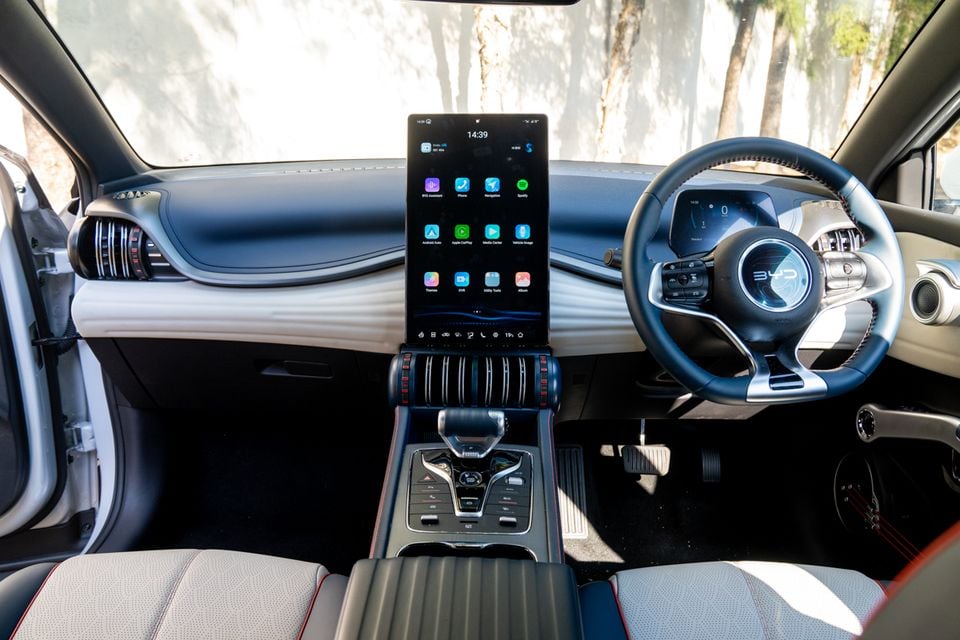
The swooping double-dipping top of the dashboard mixed with the ribbed white centre section looks like it was inspired by a Blue Whale, especially with its blue-on-white colour palette, and its baleen-like air vents at either end and at the base of the centre console.
Then there are the mixed messages from its banjo-stringed door bins, fighter jet-style gear selector and the odd door handles on top of the speakers. It’s all a bit quirky and polarising, but it works well and is easy to use once you know how everything operates.
The big screen is a standout with its large phone-style widgets against a black background, which makes them easier to read than in the Jaecoo. And being able to choose its aspect ratio is a unique party trick that will impress new passengers every time.
It is the only vehicle here with a conventional start-stop button to activate the ‘ignition’, which we like because it’s disconcerting leaving the Leapmotor and Jaecoo ‘still running’ when you exit the cabin.
They both automatically shut down when you either lock the vehicles (by tapping the key card or phone app on the wing mirror with the B10) or walk beyond their proximity key perimeter.
But this so-called convenience makes us feel paranoid and vulnerable to carjacking. I might be Robinson Crusoe here, but I prefer the Atto 3’s manual on/off function.
Anyway, the BYD’s little instrument cluster has all the information you need to see in a concise and easy-to-read layout, and the chubby three-spoke steering wheel falls nicely to hand.
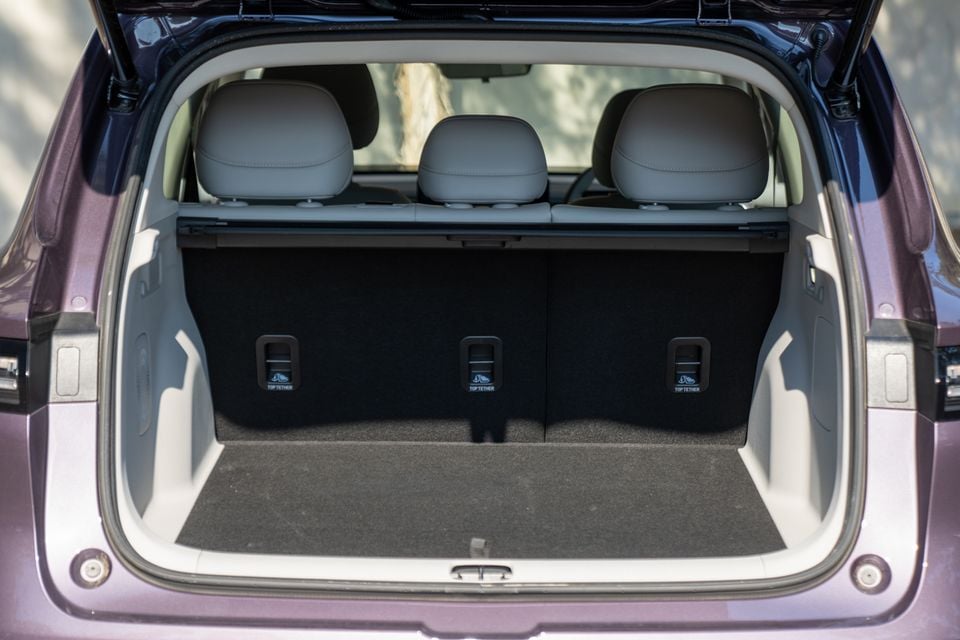
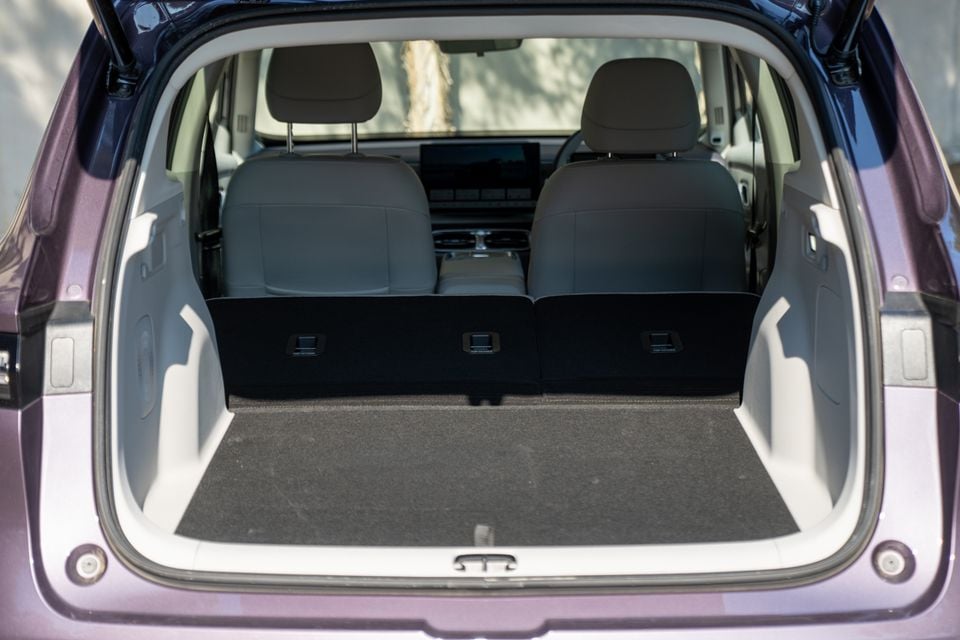
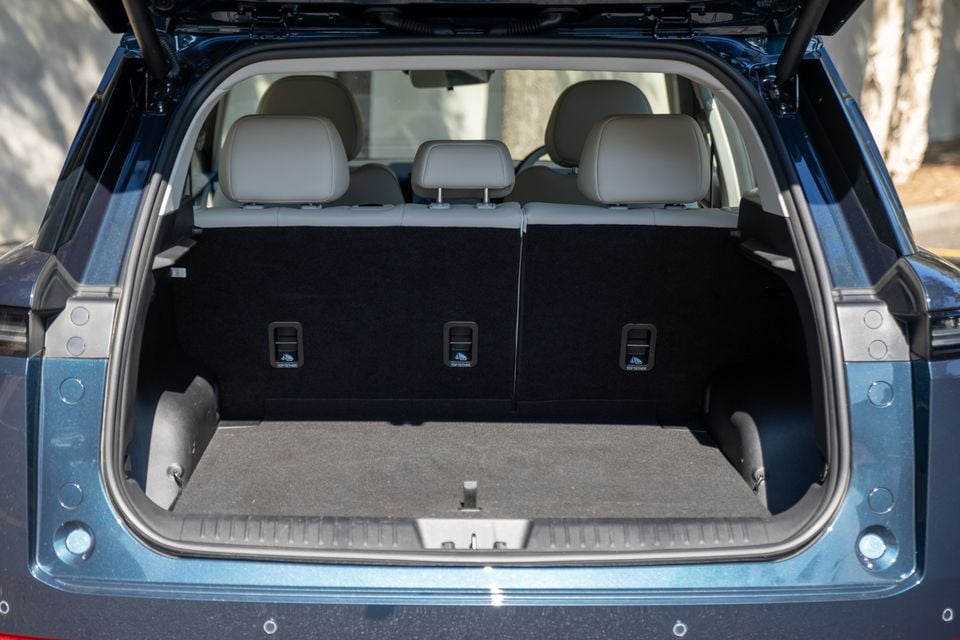
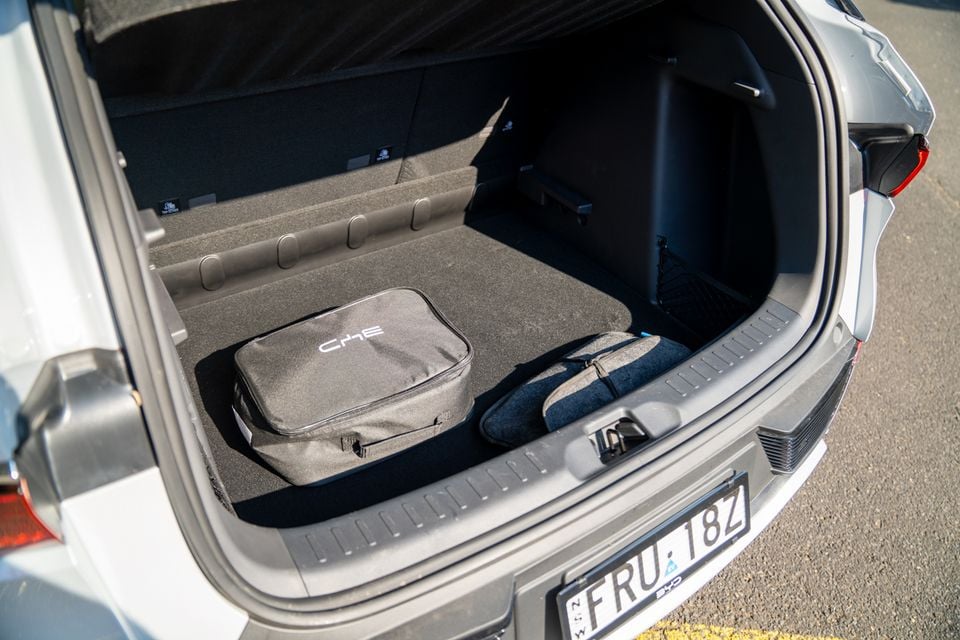
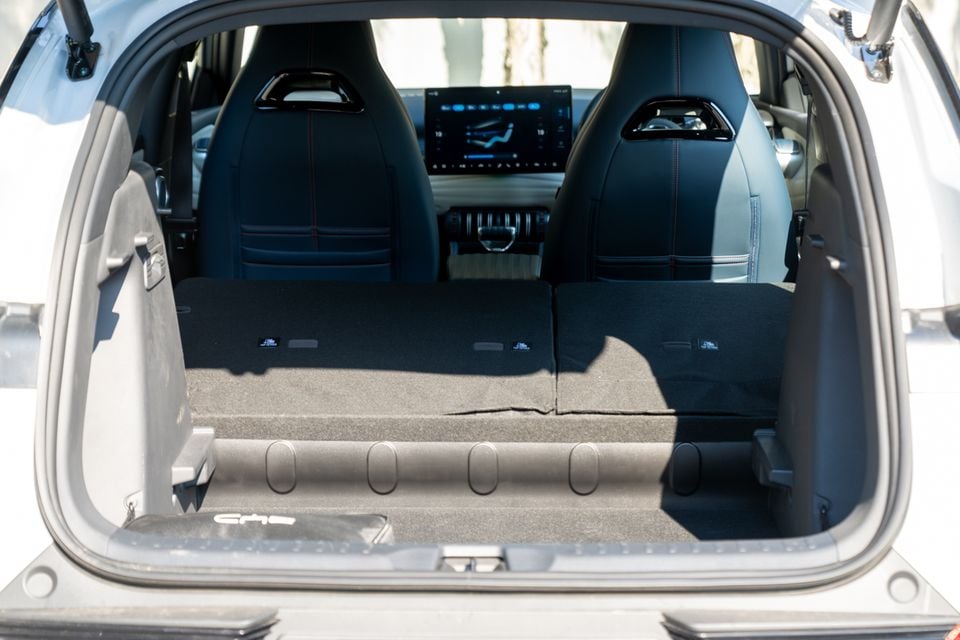
While there’s still adequate space for three people across the rear bench, there’s a little less legroom than in the Jaecoo and Leapmotor, and the BYD’s 440L boot is the smallest of this bunch, and the extended load floor has a pronounced step when the rear seatbacks are folded flat.
Dimensions | Leapmotor B10 | Jaecoo J5 EV | BYD Atto 3 |
|---|---|---|---|
Length | 4515mm | 4380mm | 4455mm |
Width | 1885mm | 1860mm | 1875mm |
Height | 1665mm | 1650mm | 1615mm |
Wheelbase | 2735mm | 2620mm | 2720mm |
Cargo capacity | 490L (rear seats up) 1475L (rear seats folded) | 480L (rear seats up) 1284L (rear seats folded) 35L (under-bonnet storage) | 440L (rear seats up) 1340L (rear seats folded) |
Each of these small SUVs are powered by single electric motors that produce roughly the same power output and drive only a single axle, with battery packs also around the same size.
| Specifications | Leapmotor B10 LR | Jaecoo J5 EV | BYD Atto 3 ER |
|---|---|---|---|
| Drivetrain | Single-motor electric | Single-motor electric | Single-motor electric |
| Battery | 67.1kWh | 58.9kWh | 60.48kWh |
| Power | 160kW | 155kW | 150kW |
| Torque | 240Nm | 288Nm | 310Nm |
| Drive type | Front-wheel drive | Front-wheel drive | Front-wheel drive |
| Weight | 1845kg | 1710kg | 1750kg |
| Claimed range | 434km | 402km | 420km |
| Max AC charge rate | 11kW | 10.3kW | 7kW |
| Max DC charge rate | 168kW | 130kW | 88kW |
But they all have their own advantages.
The Leapmotor is the odd one out here in that it is rear-wheel drive, and its electric motor generates the most peak power (160kW) but the least torque (240Nm).
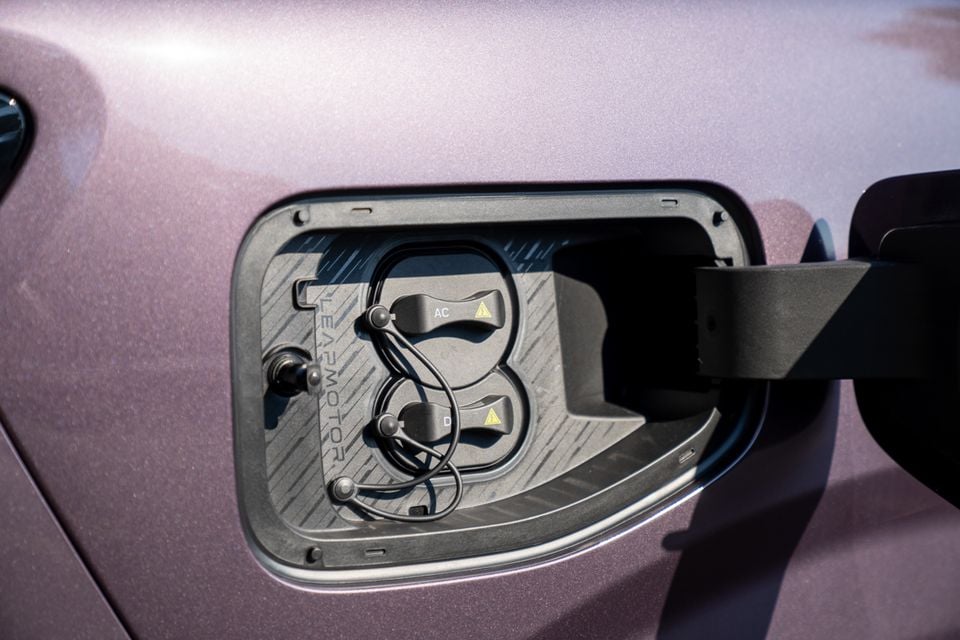
However, it is the heaviest of the three thanks to the largest battery pack at 67.1kWh, which can deliver the longest claimed driving range of 434km and has the highest charging rates at 11kW on AC and 168kW on DC.
Leapmotor claims the battery can be replenished from 30 to 80 per cent at a public charging station in less than 20 minutes.
CarExpert brings together reviews, research tools and trusted buying support, guiding you from research to delivery with confidence.
The BYD has a single electric motor with the least power (150kW) but the most torque (310Nm), and a 60.48kWh battery that delivers up to 420km of driving range.
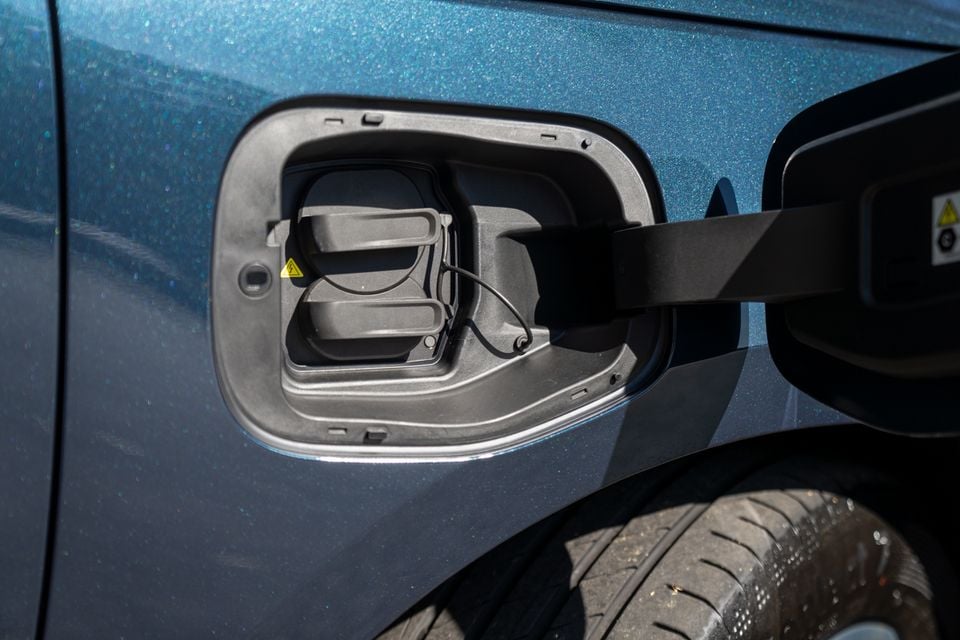
But it has the slowest charging speeds (7kW AC, 88kW DC) and takes around 30 minutes for a 30-80 per cent replenish.
The Jaecoo J5 falls in the middle in most key elements. Like the BYD, its electric motor drives the front wheels and produces 155kW and 288Nm.
Its 58.9kWh battery pack has the smallest capacity and therefore the shortest driving range of 402km, and a maximum AC charge rate of 10.3kW (130kW on DC). It takes around 28 minutes for a 30-80 per cent refill.
Surprisingly, considering they are all quite similar on paper, each of these little SUVs deliver their own unique driving characters.
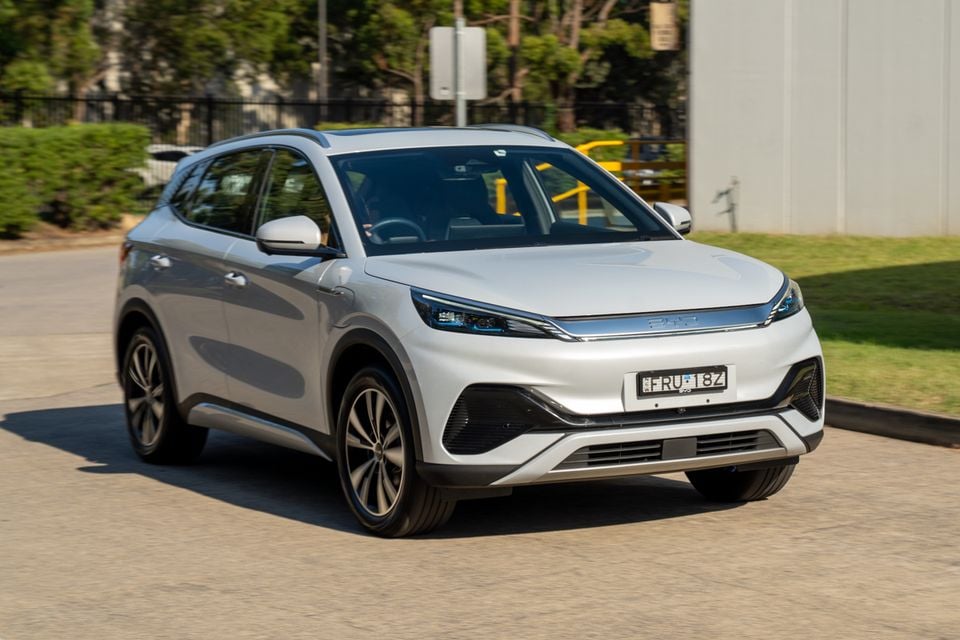
Despite having the highest torque output, the BYD Atto 3 feels like the least powerful car here in its default drive mode, and it doesn’t offer the instant punch that EVs are renowned for.
Instead, you have to bury the throttle pedal quite deep to get away from a standstill briskly, and then back off when it is up and running.
It’s significantly better in Sport mode but it still doesn’t feel like it’s the punchiest of this lot.
Meanwhile, the Atto 3 feels fairly well sorted – particularly now that it runs on standard Continental EcoContact tyres – with good body control, decent handling, and positive steering.
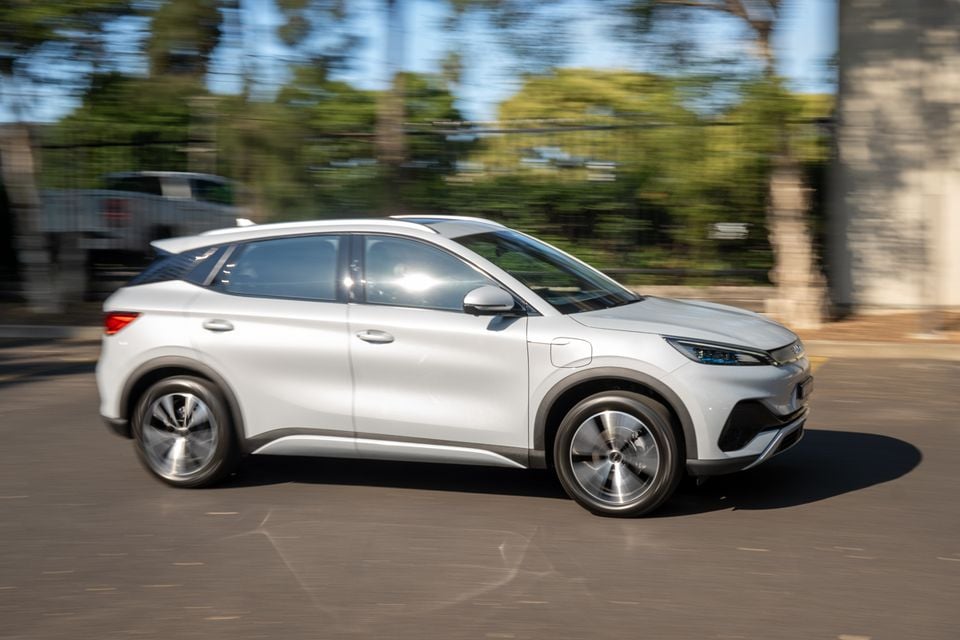
Uniquely, the BYD doesn’t have a one-pedal drive mode that employs the maximum power of its regenerative braking system to slow the vehicle down. This could be a good thing for EV newcomers as it will feel more familiar to drive, particularly in stop-start traffic.
But on the flipside, it doesn’t recoup as much energy for the battery, making it harder to match its claimed driving range, and it lacks the ‘engine braking’ effect that some people like about the (selectable) one-pedal driving modes in other EVs.
Countering that, the Jaecoo J5 feels far more sprightly than its specifications suggest, with instant throttle response and a linear power delivery.
It also feels lighter on its feet due to sharper – albeit overly sensitive and slightly grainy – steering and predictable handling, thanks in part to being fitted with the same Continental EcoContact tyres as the Atto 3.
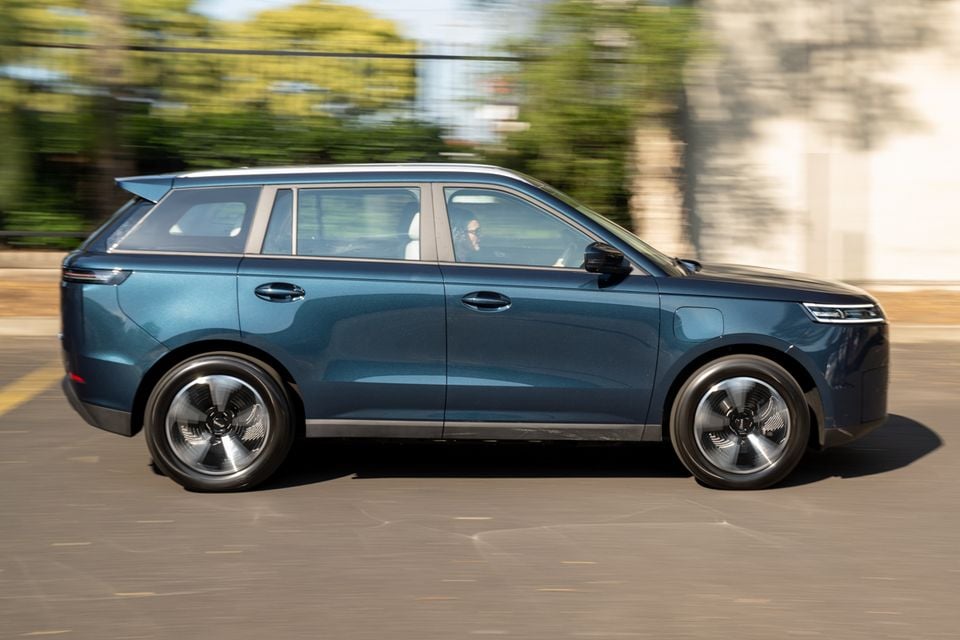
But the ride is a little fidgety, particularly over rough sections of road, and the inside front wheel can spin up out of tight corners or on slippery surfaces.
The Leapmotor has a more natural feel to its dynamics thanks to its rear-drive configuration, with steering that isn’t interrupted by torque delivery and better traction out of corners.
Its electric motor is seamless in its power delivery and quieter than both the BYD and Jaecoo, with less whirring intruding into the cabin under acceleration.
And it drives with a greater sense of refinement than its rivals too. Like the others, the steering is overly assisted and doesn’t telegraph much feedback to the driver, but the combined effects of the B10’s 50/50 weight distribution, staggered tyre widths (it has 225-section front and 235 rear tyres), and well-sorted suspension creates a comfortable cruiser and competent corner-carver.
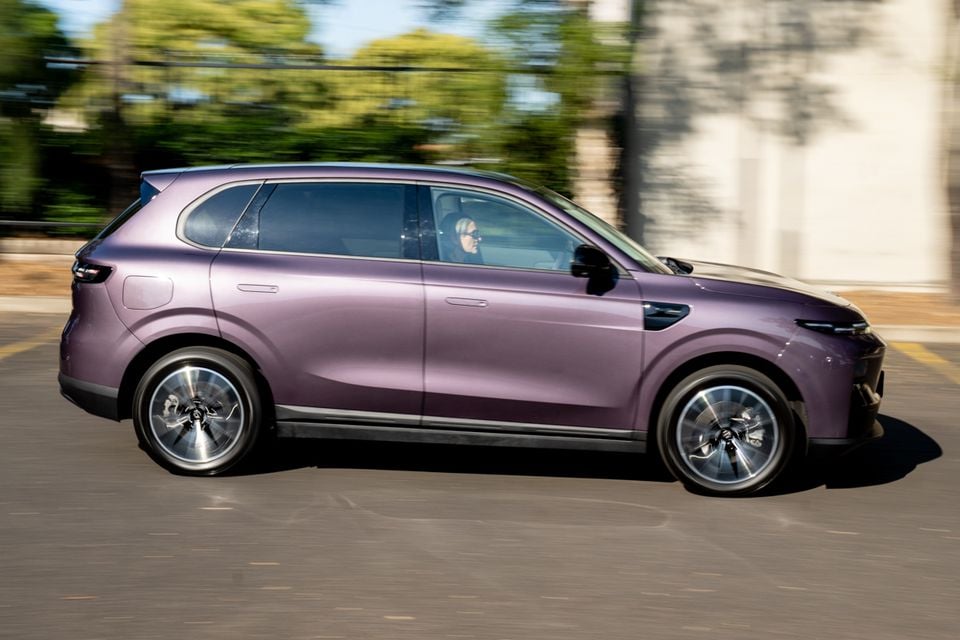
One thing all three have in common though is overactive safety systems that need to be calibrated better for local conditions.
In particular, the lane keeping assistance in all of them either constantly bounces between lane markings or tugs at the wheel incessantly to keep you in the centre, which can be frustrating and fatiguing on a long freeway journey.
The Jaecoo J5 EV trumps its rivals when it comes to ownership credentials, offering an eight-year, unlimited-kilometre warranty with free roadside assistance if the vehicle is maintained on schedule within the Jaecoo dealer network.
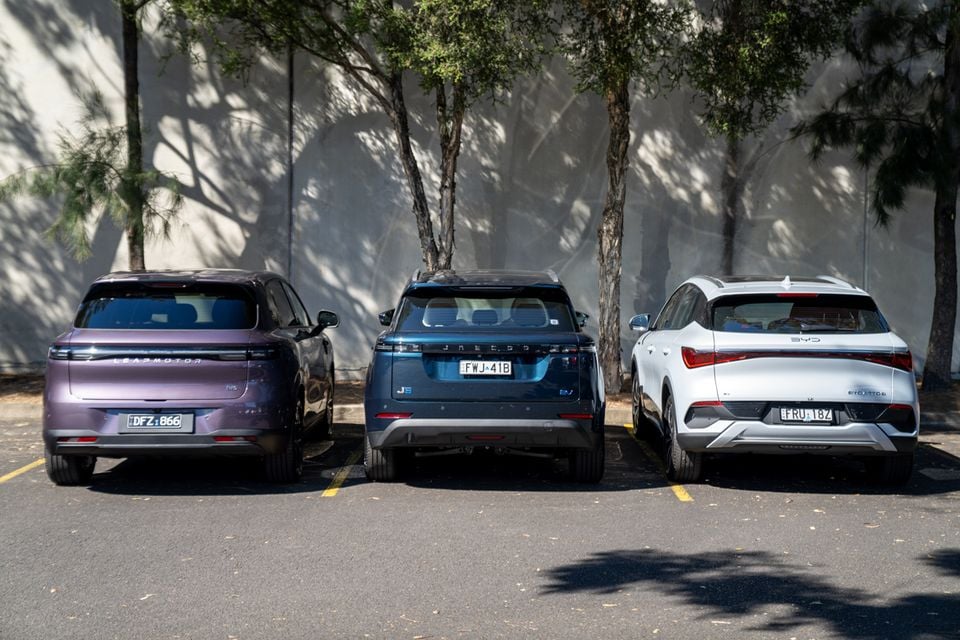
| Servicing and Warranty | Leapmotor B10 | Jaecoo J5 EV | BYD Atto 3 |
|---|---|---|---|
| Vehicle warranty | 6 years or 150,000km | 8 years, unlimited kilometres | 6 years or 160,000km |
High-voltage battery warranty | 8 years or 160,000km | 8 years, unlimited kilometres | 8 years or 160,000km |
| Roadside assistance | 6 years | 8 years | 6 years |
| Service intervals | 12 months or 20,000km | 12 months or 20,000km | 12 months or 20,000km |
| Capped-price servicing | 8 years | 8 years | Up to 11 years |
Average annual service cost – 8 years | $369.25 | $205 | $365.75 |
| Total capped-price service cost – 8 years | $2954 | $1640 | $2926 |
It also has a capped-price service program that runs for the same period, with 12-month/20,000km intervals that cost a total of $1640 – at an average of $205 per annum.
Both the BYD and Leapmotor are covered by a six-year warranty, or 160,000km and 150,000km respectively, plus an eight-year guarantee for the battery pack and traction motor.
Both also offer free roadside assistance if vehicles are maintained within their respective dealer network, and both have 12-month/ 20,000km service intervals.
The Atto 3 costs $2926 to maintain over the first eight years (at an average cost per year of $365.75), while the B10 costs fractionally more – $2954 over eight years at an average annual cost of $369.25.
In times like these, each of these electric SUVs offers a tantalising and relatively affordable exit strategy from our reliance on fossil fuels and the unpredictable nature of petrol prices.
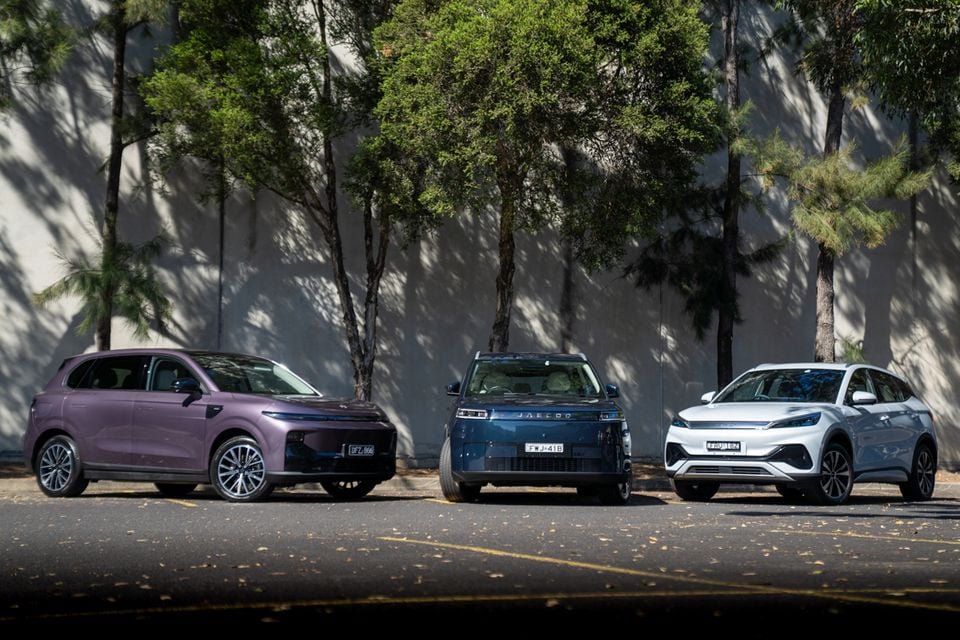
All three do a great job of being small SUVs with plenty of space and all the mod-cons families need and want these days, as well as a decent driving range, impressive refinement, and pleasing dynamics.
BYD got an early jump on this segment with the Atto 3 and it remains a solid option, but the Jaecoo and Leapmotor feel a generation ahead in terms of design, driving character, and packaging.
As for which one is better, there are pluses and minuses for both. The B10 is a nicer car to drive, has more space in the back, a longer range, quicker charging, and genuine wow-factor inside, but it costs a lot more than the J5 to purchase and service.
If your motivation is simply to save money, the Jaecoo J5 offers excellent value and is a great first step into the world of electric motoring.
MORE: Explore the BYD showroom
Share your thoughts with us in the comments below!
Share your thoughts and write a review of a car you own and get featured on CarExpert.
Andrew Maclean
58 Seconds Ago

Derek Fung
15 Hours Ago


Damion Smy
16 Hours Ago

Max Davies
17 Hours Ago

CarExpert
17 Hours Ago

Ben Zachariah
1 Day Ago