 Car News
 CarExpert Podcast
 Car Reviews
 Owner Car Reviews
 Car Comparisons
 Showroom
 Car Chooser
 Car Specifications


Matt Campbell
2026 Nissan Navara ST review
Nissan has reworked its work-ready Navara ute range, and this variant stands out as a tidy new truck for the worksite.
6 Hours Ago
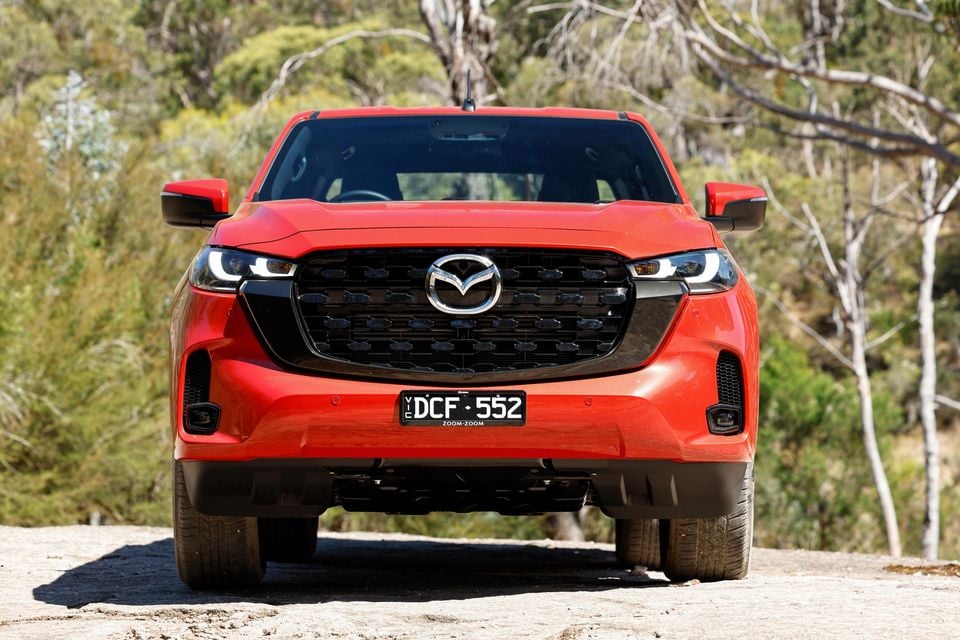
Mazda, Nissan and Subaru were among the brands that exceeded their CO2 emissions targets in 2025 under Australia's New Vehicle Efficiency Standard.

News Editor
News Editor
The Australian Government has released the first results under its New Vehicle Efficiency Standard (NVES), and around two-thirds of brands beat their emissions targets.
It has confirmed the average emissions for new light passenger vehicles beat the NVES target by 21 per cent.
Type 1 vehicles (passenger cars and SUVs) had a headline limit of 141g/km of carbon dioxide (CO2) emissions for 2025, with Type 2 vehicles – including utes, vans, and large off-road SUVs like the Ford Everest – having a headline limit of 210g/km.
CarExpert can save you thousands on a new car. Click here to get a great deal.
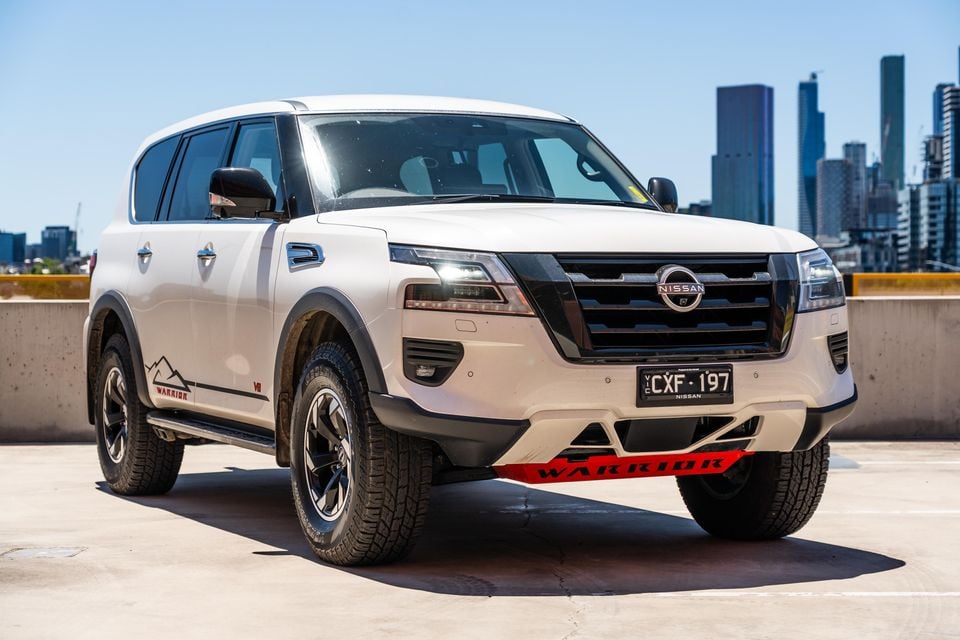
Overall, Type 1 vehicles had average emissions of 114g/km, while Type 2 vehicles had average emissions of 199g/km.
Headline CO2 limits for Type 1 and Type 2 vehicles will shrink each year until 2029, so car brands that met their target in 2025 mightn’t be so lucky in 2026 unless they continue to introduce low- or zero-emissions vehicles to offset their other vehicles.
A total of 40 ‘regulated entities’ – car manufacturers, suppliers or importers – beat their 2025 CO2 target, and 19 didn’t.
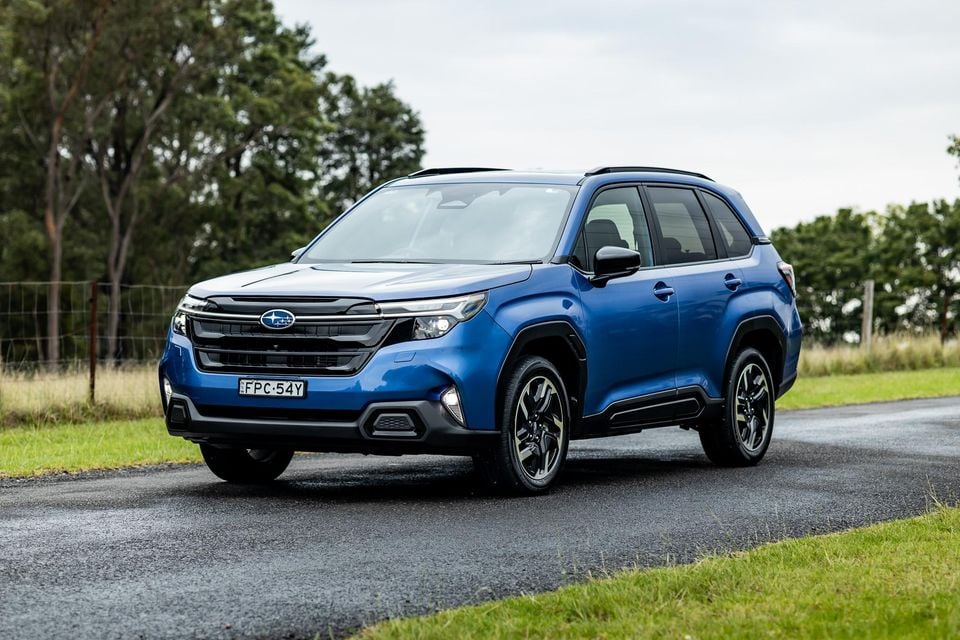
The latter includes Alfa Romeo, Aston Martin, Ferrari, General Motors, Honda, Hyundai, KGM, JLR, Mahindra, Maserati, Mazda, Nissan, Porsche, Rolls-Royce, SAIC Maxus (better known as LDV), and Subaru.
Also included in this list of brands that didn’t meet their CO2 target is FCA USA LLC, one of four separate entries for automotive giant Stellantis, with the others being Stellantis Australia and New Zealand Pty Ltd, Stellantis Europe S.P.A., and Stellantis Auto SAS.
Confusingly, Stellantis is one of several automakers that have their results split across multiple registered entities.
The government has published a list of regulated entities, along with their number of covered vehicles, their interim emissions value, units accrued and liabilities accrued. Effectively, if a brand has an interim emissions value above 0, this means it may be subject to penalties as it has exceeded its target.
Mazda had 38,465 vehicles recorded on the Register of Approved Vehicles (RAV), and accrued 508,517 liabilities – the highest of any company, and more than twice as many as second-placed Nissan (215,261).
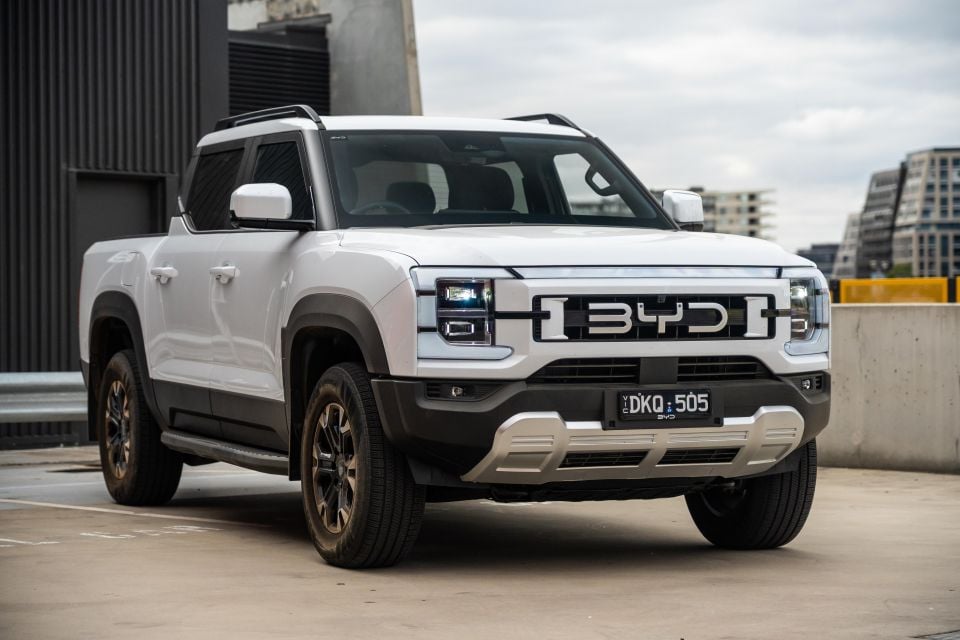
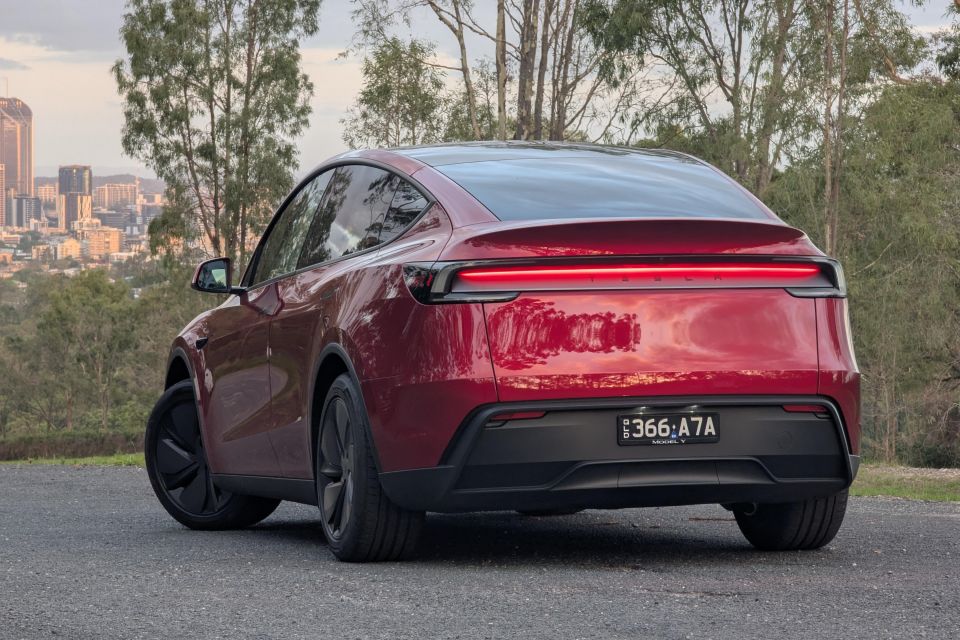
At the other end of the spectrum, BYD Auto Co Ltd had 26,129 vehicles covered and an interim emissions value of -4,234,294, followed by Toyota (115,504 vehicles, -2,890,625), Tesla (13,907 vehicles, -2,212,093) and BYD Auto Industry Company Limited (13,474 vehicles, -2,048,530).
The government says there’s now a net surplus of 15.9 million NVES units, which means there’s now a market for trading NVES credits. Under the scheme, a brand that isn’t meeting its targets can choose to buy credits from another brand that is.
This is handy, for example, for brands with high-emitting vehicles that want to avoid penalties, and for brands with low- or zero-emissions vehicles that want to make a tidy profit. Brands that beat their target can also use these credits to offset their liabilities in future years as targets get tighter.
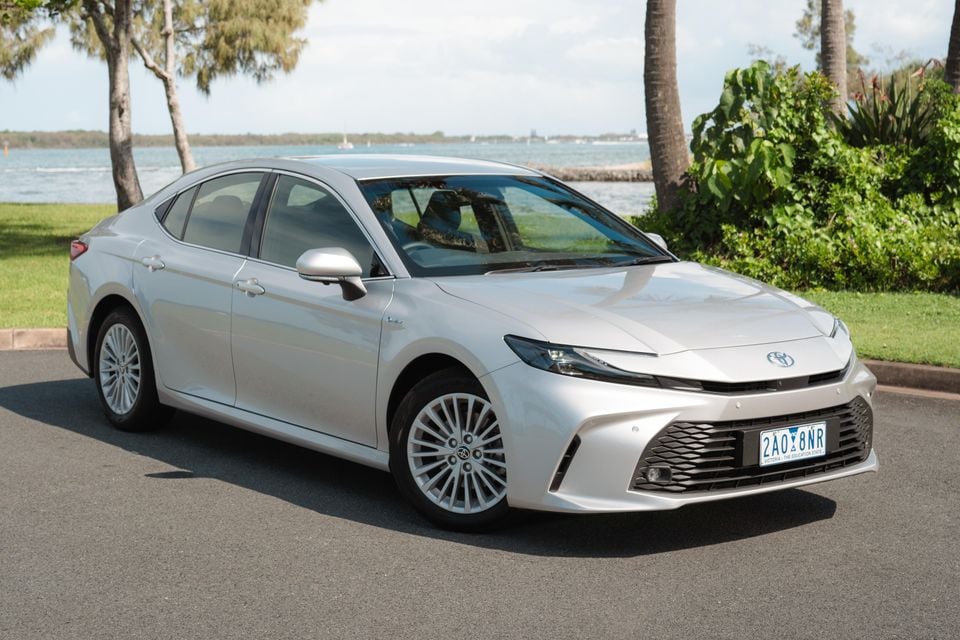
A total of 620,947 vehicles were entered on the RAV, with 71 per cent of these being Type 1 vehicles and 29 per cent being Type 2 vehicles.
The NVES covers all new passenger and light commercial vehicles with a gross vehicle mass of up to 4.5 tonnes.
This is the first set of NVES results, and it’ll be the only reporting period that doesn’t cover a full calendar year. That’s because the penalty component of the NVES only came into effect on July 1, 2025, despite the NVES officially commencing on January 1, 2025.
Companies have two years to address their balance – if it’s over zero – by “extinguishing” units against their interim emissions value. If they don’t, they’ll end up with a final emissions value over zero, which in turn means they may be issued with an infringement notice and in turn incur a penalty.
For brands that had an interim emissions value above zero in 2025, this means they’ll need to trade units with another company by December 31, 2027 or risk a penalty in February 2028 of $50 multiplied by their final emissions value.
“These first NVES results show that cleaner vehicles and a competitive market can go hand in hand,” said Catherine King, the federal minister for Infrastructure, Transport, Regional Development and Local Government.
“Australians continue to have a choice across a wide variety of vehicles.
“These results make it clear the NVES supports both lower emissions and consumer affordability.”
Below, we’ve included the table from the NVES regulator website. Company names are left untouched, except for the removal of errant capitalisation.
| Regulated entity | Number of covered vehicles | Interim emissions value | Units accrued | Liabilities accrued |
|---|---|---|---|---|
| Alfa Romeo SpA | 62 | 2580 | 0 | 2580 |
| Aston Martin Lagonda Limited | 105 | 13,877 | 0 | 13,877 |
| Audi AG | 8050 | -21,780 | 21,780 | 0 |
| Automobili Lamborghini S.P.A. | 67 | -1594 | 1,594 | 0 |
| BMW Australia Ltd | 15,445 | -340,081 | 340,081 | 0 |
| Beiqi Foton Motor Co. Ltd. | 497 | -2941 | 2,941 | 0 |
| Bentham, Vincent Mark | 2 | 138 | 0 | 138 |
| Bentley Motors Limited | 81 | -1875 | 1,875 | 0 |
| BYD Auto Co Ltd | 26,129 | -4,234,294 | 4,234,294 | 0 |
| BYD Auto Industry Company Limited | 13,474 | -2,048,530 | 2,048,530 | 0 |
| Chery Automobile Co., Ltd | 30,829 | -438,633 | 438,633 | 0 |
| Chongqing Changan Automobile Co., Ltd. | 383 | -65,540 | 65,540 | 0 |
| Dongfeng Liuzhou Motor Co. LTD | 2 | -291 | 291 | 0 |
| Dr. Ing. h.c. F. Porsche Aktiengesellschaft | 1653 | 33,448 | 0 | 33,448 |
| FCA USA LLC | 283 | 8194 | 0 | 8194 |
| Ferrari S.p.A. | 108 | 15,785 | 0 | 15,785 |
| Ford Motor Company | 355 | -1079 | 1079 | 0 |
| Ford Motor Company of Australia Pty Ltd | 38,541 | -426,261 | 426,261 | 0 |
| Ford Werke GmbH | 1169 | -24,559 | 24,559 | 0 |
| GAC International Co., Ltd. | 406 | -34,260 | 34,260 | 0 |
| General Motors Australia and New Zealand Pty Ltd | 1552 | 65,855 | 0 | 65,855 |
| Great Wall Motor Company Limited | 29,660 | -405,198 | 405,198 | 0 |
| Guangzhou Xiaopeng Motors Technology Co. Ltd | 1000 | -165,995 | 165,995 | 0 |
| Honda Motor Company Limited | 9022 | 26,069 | 0 | 26,069 |
| Hyundai Motor Company | 39,863 | 84,563 | 0 | 84,563 |
| Isuzu Motors Limited | 29,825 | -365,080 | 365,080 | 0 |
| JAC Motors | 252 | -2185 | 2185 | 0 |
| Jaguar Land Rover Australia Pty Ltd | 3355 | 16,666 | 0 | 16,666 |
| Jaguar Land Rover Limited | 25 | 1819 | 0 | 1,819 |
| KG Mobility Corp. | 1969 | 22,344 | 0 | 22,344 |
| Kia Motors Corporation | 51,732 | -729,698 | 729,698 | 0 |
| Mahindra Automotive Australia Pty Ltd | 2757 | 32,938 | 0 | 32,938 |
| Maserati S.P.A. | 96 | 4496 | 0 | 4496 |
| Mazda Motor Corporation | 38,465 | 508,517 | 0 | 508,517 |
| McLaren Automotive Ltd | 21 | -416 | 416 | 0 |
| Mercedes-Benz Australia/Pacific Pty Ltd | 11,494 | -133,730 | 133,730 | 0 |
| Mitsubishi Motors Australia Limited | 35,002 | -82,072 | 82,072 | 0 |
| Nissan Motor Co. (Australia) Pty Ltd | 13,877 | 215,261 | 0 | 215,261 |
| Polestar Performance AB | 1639 | -281,410 | 281,410 | 0 |
| Renault s.a.s | 903 | -16,310 | 16,310 | 0 |
| Rolls-Royce Motor Cars Limited | 34 | 4497 | 0 | 4497 |
| SAIC Maxus Automotive Co., Ltd | 5519 | 21,129 | 0 | 21,129 |
| SAIC Motor Corporation Limited | 26,991 | -377,601 | 377,601 | 0 |
| SEAT, S.A. | 823 | -67,733 | 67,733 | 0 |
| Shandong Tangjun Ouling Automobile Manufacture Co., Ltd. | 46 | -9837 | 9837 | 0 |
| Skoda Auto a.s. | 2914 | -86,888 | 86,888 | 0 |
| Smart Automobile Co., Ltd. | 2 | -303 | 303 | 0 |
| Stellantis (Australia and New Zealand) | 336 | -50,466 | 50,466 | 0 |
| Stellantis Auto SAS | 681 | -23,730 | 23,730 | 0 |
| Stellantis Europe S.P.A | 158 | -9615 | 9615 | 0 |
| Subaru Corporation | 13,187 | 139,635 | 0 | 139,635 |
| Suzuki Motor Corporation | 5042 | -64,204 | 64,204 | 0 |
| Tesla, Inc. | 13,907 | -2,212,093 | 2,212,093 | 0 |
| Toyota Motor Company Australia Limited | 115,504 | -2,890,625 | 2,890,625 | 0 |
| Volkswagen AG | 15,876 | -510,249 | 510,249 | 0 |
| Volvo Car Corporation | 3643 | -158,781 | 158,781 | 0 |
| Wuhan Lotus Cars Co., Ltd. | 1 | -173 | 173 | 0 |
| Zheijiang Zeekr Intelligent Technology Co., Ltd | 1503 | -259,440 | 259,440 | 0 |
| Zhejiang Geely Automobile Co., Ltd. | 4630 | -620,233 | 620,233 | 0 |
| TOTAL | 620,947 | -15,942,972 | 17,165,783 | 1,222,811 |
Companies submit their vehicles’ CO2 emissions and mass in running order – the weight of the vehicle including all fluids, standard equipment, and a 75kg driver – onto the RAV before they provide an approved road vehicle to the Australian market for the first time.
MORE: What the first federal emission standard means for Aussie car buyers
William Stopford is an automotive journalist with a passion for mainstream cars, automotive history and overseas auto markets.
Matt Campbell
6 Hours Ago

Alborz Fallah
12 Hours Ago

James Wong
13 Hours Ago
Alborz Fallah
17 Hours Ago

Damion Smy
19 Hours Ago
Alborz Fallah
20 Hours Ago
Add CarExpert as a Preferred Source on Google so your search results prioritise writing by actual experts, not AI.