
Josh Nevett
2026 Mazda BT-50 SP review
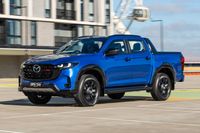
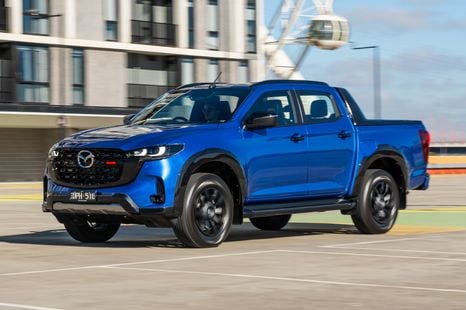
Mazda is targeting 'lifestyle' ute buyers with the BT-50 SP – a more premium, style-focused version of its recently updated dual-cab 4x4 ute.
48 Minutes Ago

News Editor
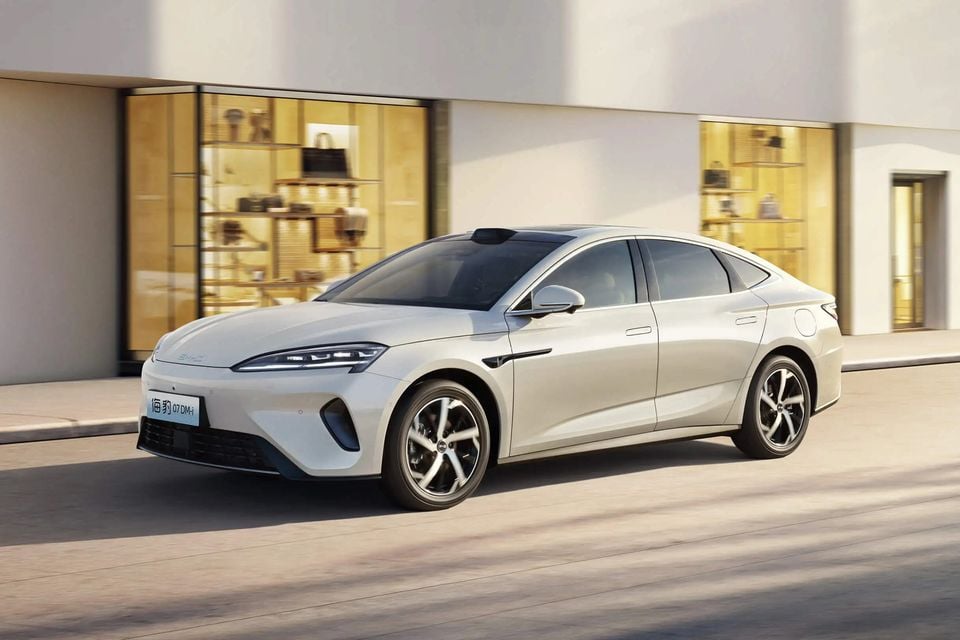
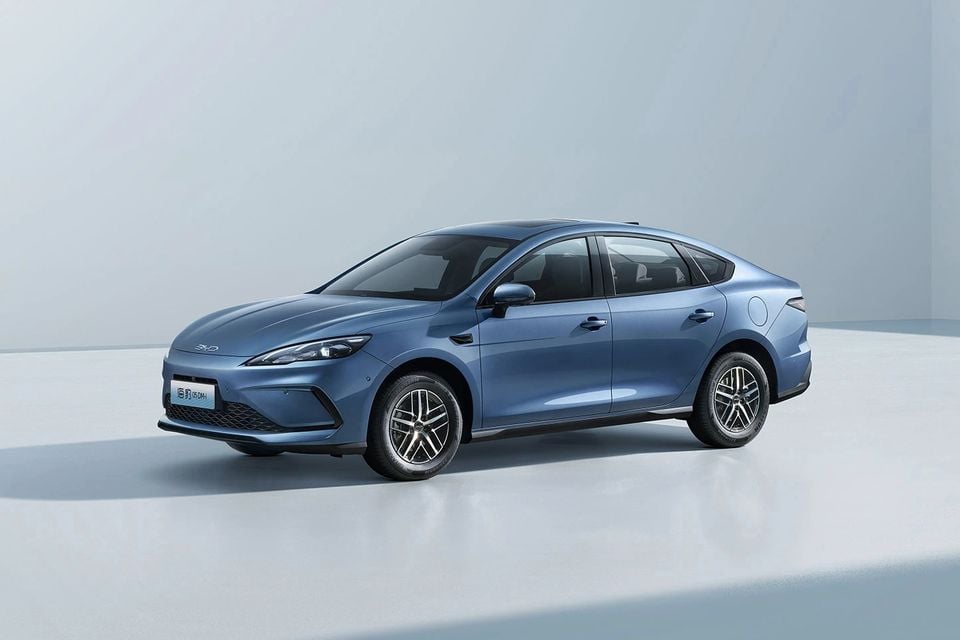
Plug-in hybrid (PHEV) leader BYD is only just now introducing its first PHEV sedan in Australia, the Seal 6, but another one appears to be waiting in the wings.
The BYD Seal 7 has appeared in Australian Government approval documents, featuring a turbocharged 1.5-litre four-cylinder PHEV powertrain with 197kW of power.
We’ve contacted BYD Australia to confirm launch timing for the model, which entered production in China in 2023.
Looking for your next car? We'll help you research and compare so you choose with confidence.
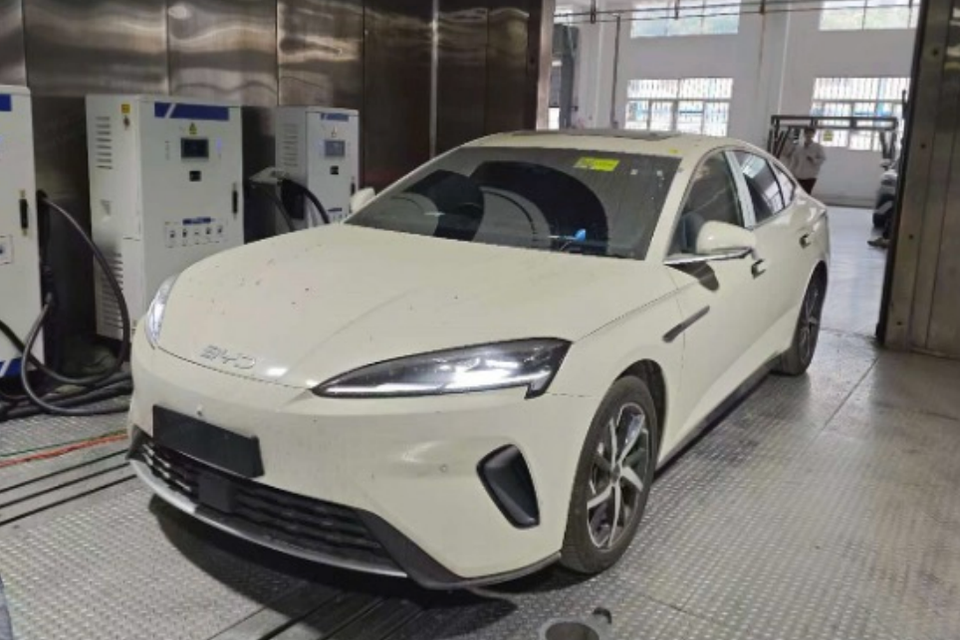
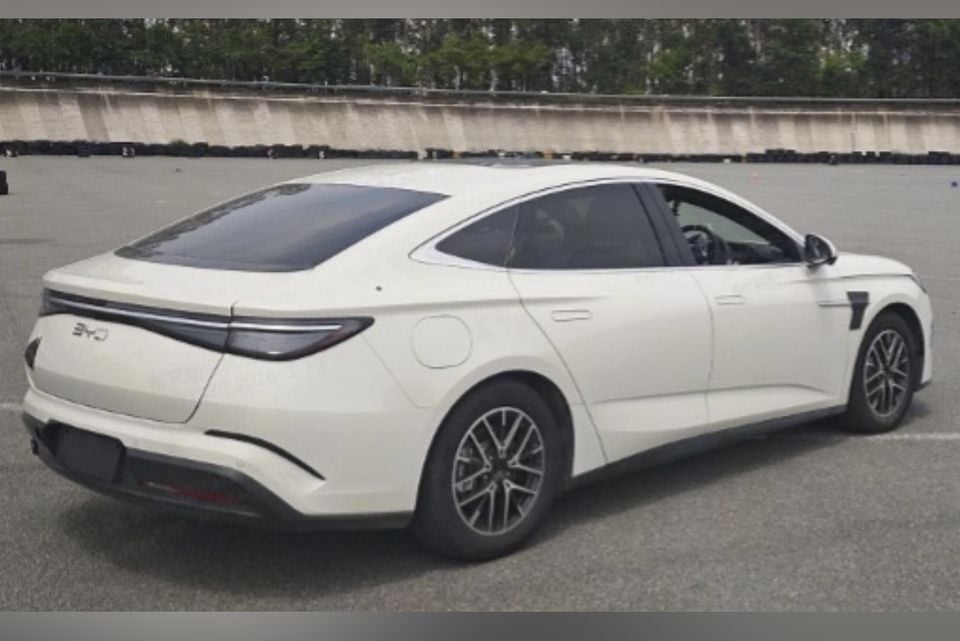
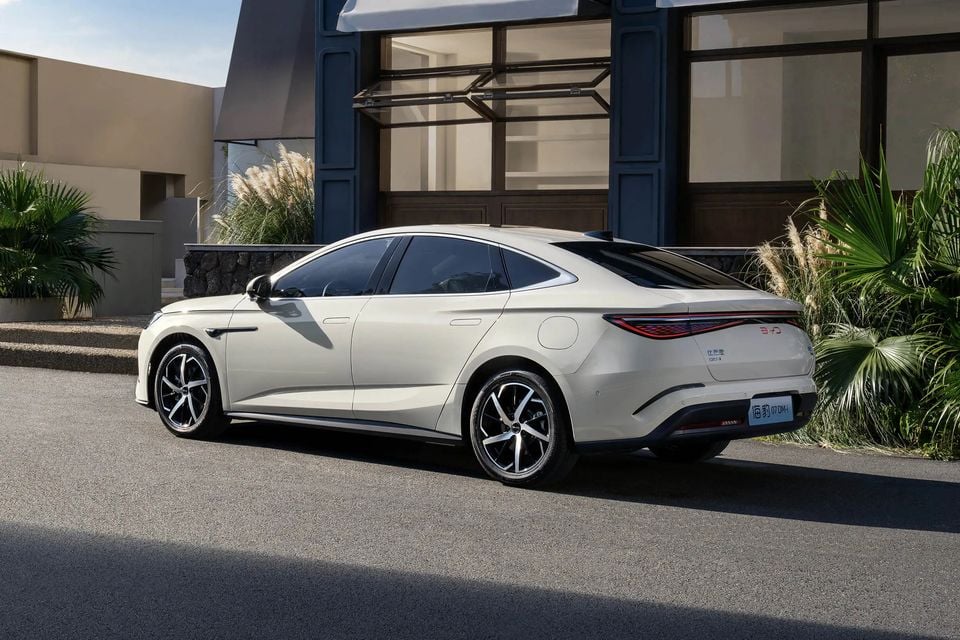
The Seal 7 sits towards the top of BYD’s growing range of Seal-badged models, measuring 4980mm long, 1890mm wide and 1495mm tall on a 2900mm wheelbase – 60mm longer, 50mm wider and 50mm taller than a Toyota Camry on a 2825mm wheelbase.
That also makes it 140mm longer and 15mm wider than a Seal 6 sedan, on a 110mm longer wheelbase.
Specifications like battery capacity and range aren’t listed in these documents.
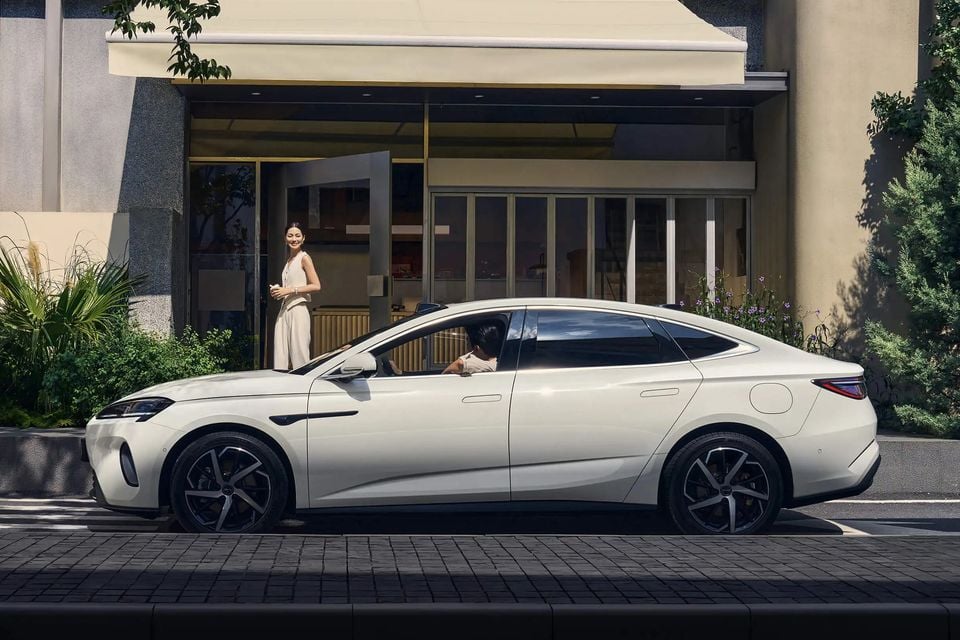
However, in China – where the Seal 7 is known as the Seal 07 DM-i – the sedan is offered with a choice of 17.6kWh or 29.46kWh lithium iron phosphate (LFP) batteries.
Electric range on the WLTC cycle is 110km or 180km respectively, with the petrol engine producing 115kW of power and 225Nm of torque and the electric motor producing 200kW and 315Nm.
There’s also a less powerful version using a naturally aspirated 1.5-litre four-cylinder engine.
All Seal 07 DM-i variants are front-wheel drive and feature MacPherson strut front and five-link rear suspension, and those with the turbocharged engine feature DiSus-C adaptive dampers.
The smaller battery can be charged at up to 40kW on DC power and the larger at up to 69kW, while both batteries offer 7kW AC charging and vehicle-to-load (V2L) functionality.
All feature a wide range of active safety and driver assist technology including remote parking assist under the DiPilot 100 banner, apart from the flagship which upgrades to DiPilot 300 and incorporates a LiDAR unit.
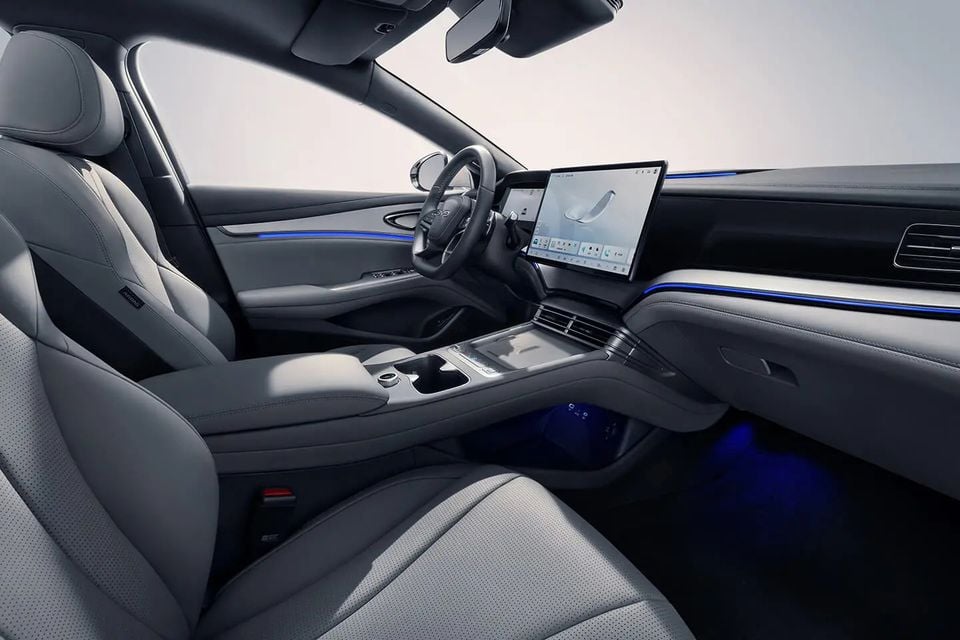
Inside, there’s a 15.6-inch touchscreen infotainment system, a 10.25-inch digital instrument cluster, colour-adjustable ambient lighting, a wireless phone charger, an opening panoramic sunroof with a power sunshade, leather upholstery, and power-adjustable front seats with heating and ventilation.
The top-spec variant features a head-up display, heated steering wheel, and a refrigerator in the centre console which can be used to heat or cool items.
There are sentinel, rest, baby and car wash modes, plus in-car karaoke.
BYD has a wide and somewhat confusing range of Seal vehicles in China, which includes the electric Seal sedan and Seal 6 PHEV sedan and wagon sold here.
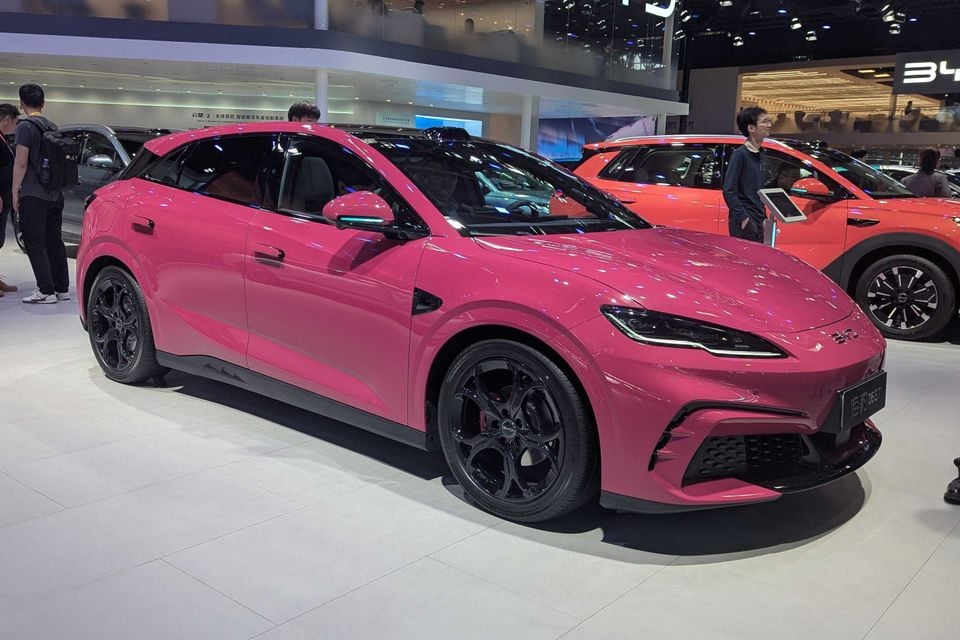
It also offers the Seal 06 GT electric hatch, an electric Seal 6 that uses a different platform from its PHEV counterpart and the entry-level Seal 05 DM-i sedan.
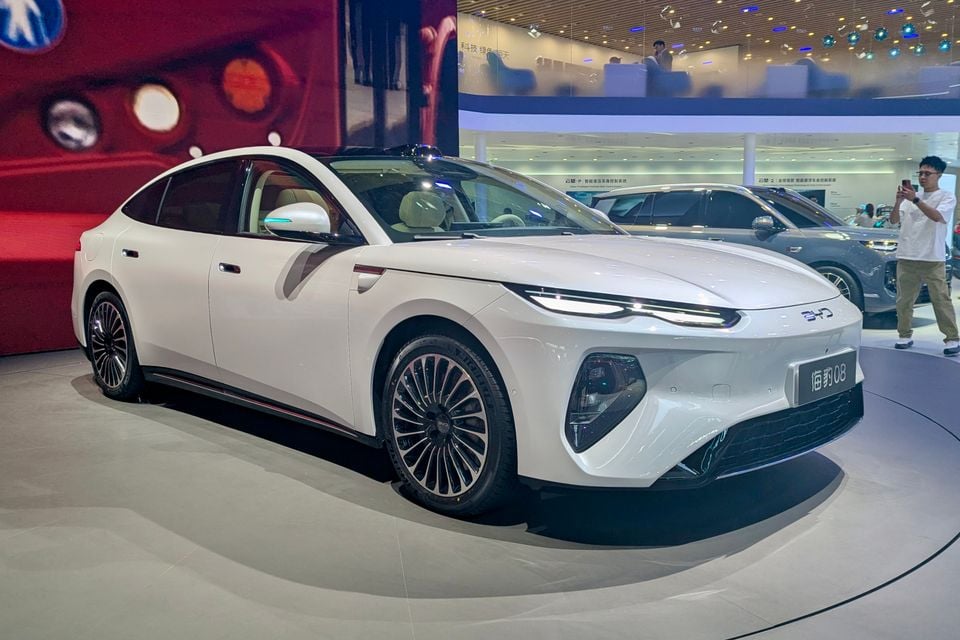
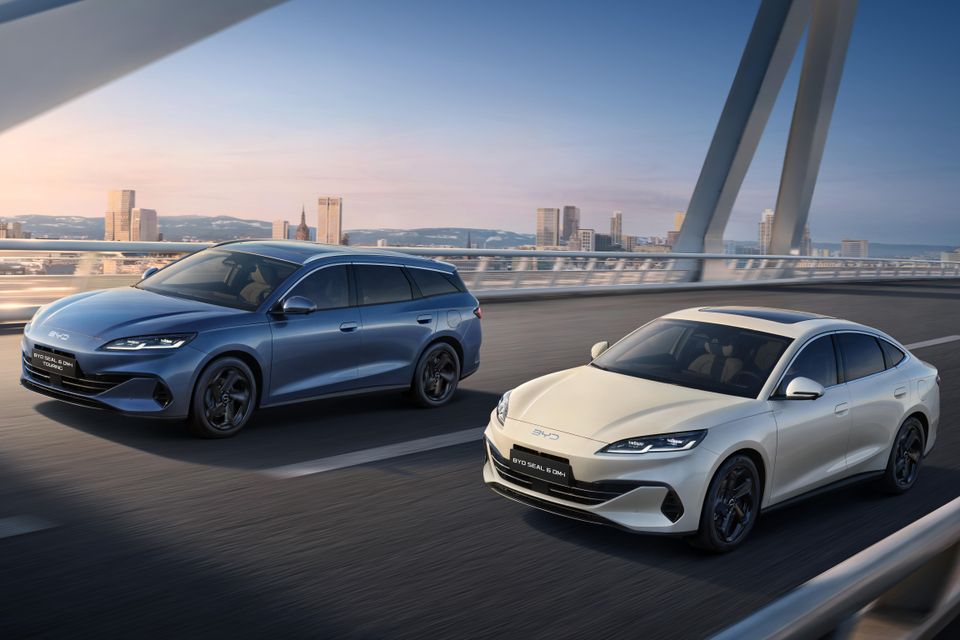
This year, it revealed the flagship Seal 08 electric and PHEV sedan, plus an electric version of the Seal 7 with a 240kW/305Nm single-motor rear-wheel drive powertrain and a 69.07kWh LFP battery.
The Seal 7 (or Seal 07 in China) was previously known as the Seal DM-i, and was originally revealed in prototype form under the cooler Destroyer 07 name before BYD merged its Warship series into its existing Ocean line.
It received a facelift in 2025, with its design updated to tie it more neatly in with Ocean vehicles like the electric Seal sedan sold here.
MORE: Explore the BYD showroom
Go deeper on the cars in our Showroom, compare your options, or see what a great deal looks like with help from our New Car Specialists.
William Stopford is an automotive journalist with a passion for mainstream cars, automotive history and overseas auto markets.
Josh Nevett
48 Minutes Ago
William Stopford
9 Hours Ago

Damion Smy
11 Hours Ago
Ben Zachariah
12 Hours Ago
James Wong
13 Hours Ago
William Stopford
14 Hours Ago
Add CarExpert as a Preferred Source on Google so your search results prioritise writing by actual experts, not AI.