Car News
 CarExpert Podcast
 Car Reviews
 Owner Car Reviews
 Car Comparisons
 Showroom
 Car Chooser
 Car Specifications



William Stopford
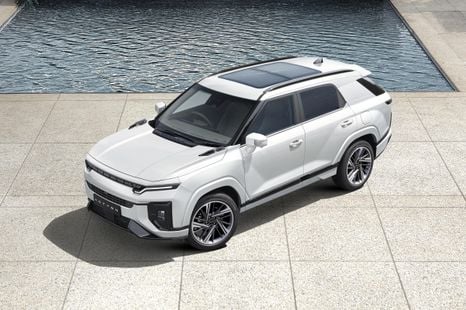
2026 GWM Tank 300 Hi4-T PHEV priced, significantly undercuts Denza B5
The GWM Tank 300 lineup has gained yet another powertrain, this time a 300kW/750Nm plug-in hybrid option.
7 Hours Ago
Proposed new standards in China might make drivers think twice before engaging hyperdrive, and address other less sexy safety concerns.

Journalist
Journalist
Some electric cars can accelerate very, very briskly, but China is looking to make it slightly harder to warp the space-time continuum.
China’s Ministry of Public Security has published a draft of its updated national standard for motor vehicle safety.
According to Carscoops, one section of the draft states that all new vehicles must be “in a state where the 100km/h acceleration time is not less than 5 seconds” every time it is started up.
This draft rule seemingly address the growing availability and accessibility of cars (mostly EVs) which can achieve hypercar-levels of acceleration for a fraction of the cost.
CarExpert can save you thousands on a new car. Click here to get a great deal.

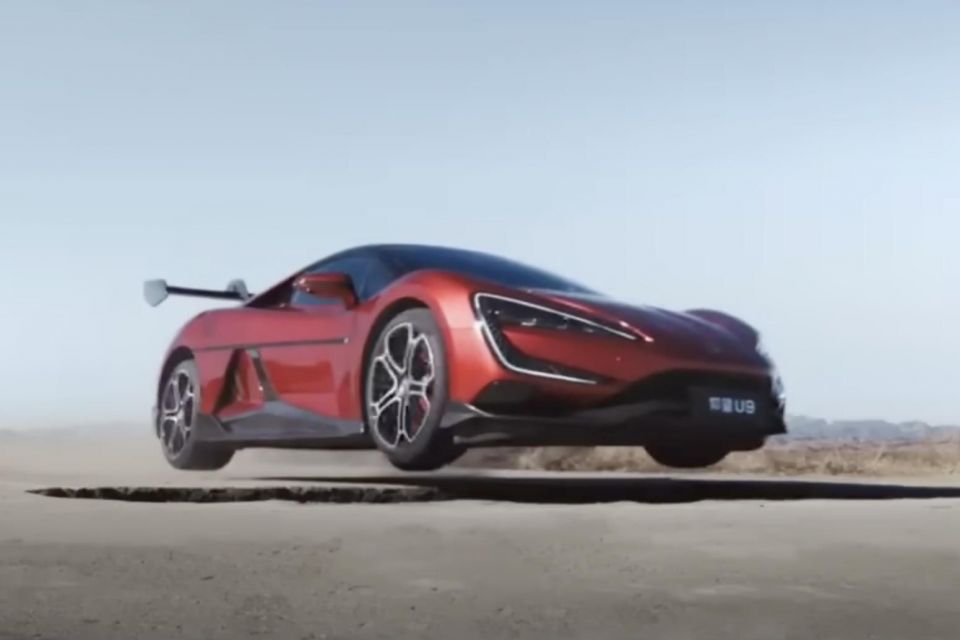
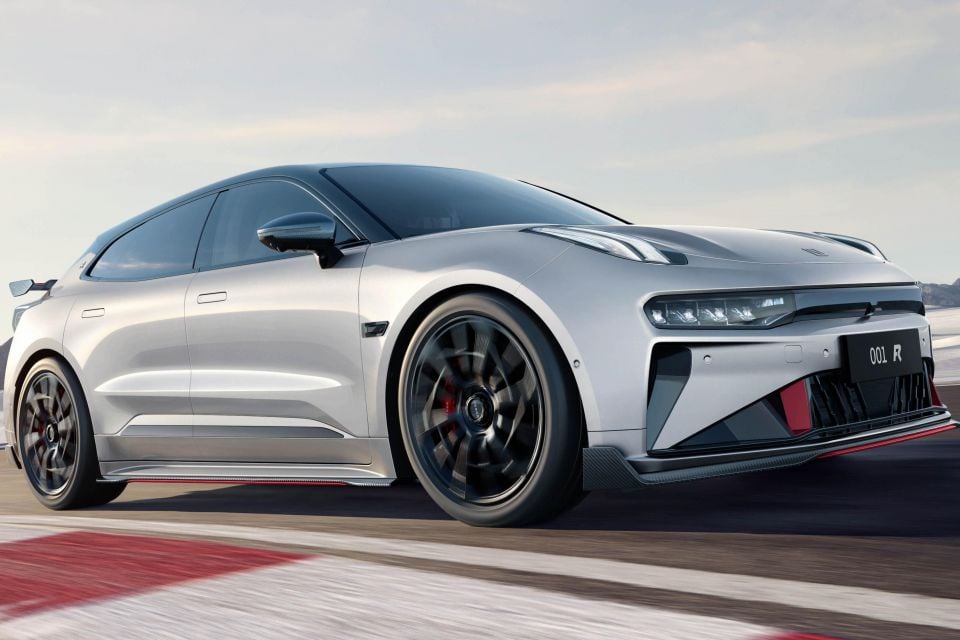
Vehicles like the Xiaomi SU7 Ultra (1.98 seconds), Zeekr 001 FR (2.02s), Tesla Model S Plaid (2.1s), and BYD Yangwang U9 (2.36s) have all caught the eye with their breathtaking 0-100km/h acceleration figures.
If this rule is passed unchanged, it will be interesting whether manufacturers make drivers dive deep into on-screen menus or perform a secret hand shake to access their car’s full acceleration potential, or whether it will be accessible through a simple button press.
The draft of the updated standard also addresses other safety concerns.
While there’s no ban on flush-fitting pop-out door handles as previously suggested, according to Car News China there are provisions to ensure an internal and external mechanical door release is fitted to every door, hatch and boot lid. Doors must also automatically unlock in the event of an accident or thermal battery incident.
Power circuits must also be shut down in plug-in hybrid and EVs whenever airbags deploy, or if the car’s speed changes by more than 25km/h in under 150 milliseconds in any direction.
Batteries must be equipped with pressure relief and pressure balancing systems, and come with continuous monitoring that provides clear alerts to passengers when there’s a thermal event.
For cars with advanced driver assistance systems (ADAS), these features can only be used after a biometric or online login has confirmed the driver has sat through all the relevant training courses.
When assistance systems are used together to provide a level of autonomous operation over 10km/h, the vehicle will check driver engagement via hands-off detection and gaze monitoring.
Derek Fung would love to tell you about his multiple degrees, but he's too busy writing up some news right now. In his spare time Derek loves chasing automotive rabbits down the hole. Based in New York, New York, Derek loves to travel and is very much a window not an aisle person.
William Stopford
7 Hours Ago

Damion Smy
7 Hours Ago
William Stopford
8 Hours Ago

Damion Smy
9 Hours Ago

CarExpert
10 Hours Ago
Damion Smy
11 Hours Ago