 Car News
 CarExpert Podcast
 Car Reviews
 Owner Car Reviews
 Car Comparisons
 Showroom
 Car Chooser
 Car Specifications



Damion Smy
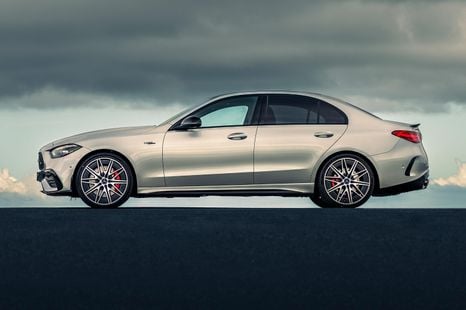
2026 Mercedes-AMG C43 4MATIC Edition R+ brings lairier looks for less
A new special-edition version of the warmed-up C43 adds an AMG styling kit for the first time, but reduces the price tag by more than $4000.
14 Hours Ago
SPONSORED
For businesses running vehicle fleets, cost matters – but reliability matters more. Cutting corners almost always shows up later as downtime, complexity, or unexpected expense.
This is where Tesla has quietly built one of the strongest fleet propositions in the Australian market. Not through short-term incentives or outsourced management layers, but through a tightly integrated approach that focuses on longevity, transparency, and real-world operating efficiency.
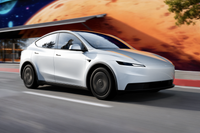
For fleet buyers who look beyond sticker price and focus on total cost of ownership, Tesla’s Model 3 and Model Y make a compelling case.
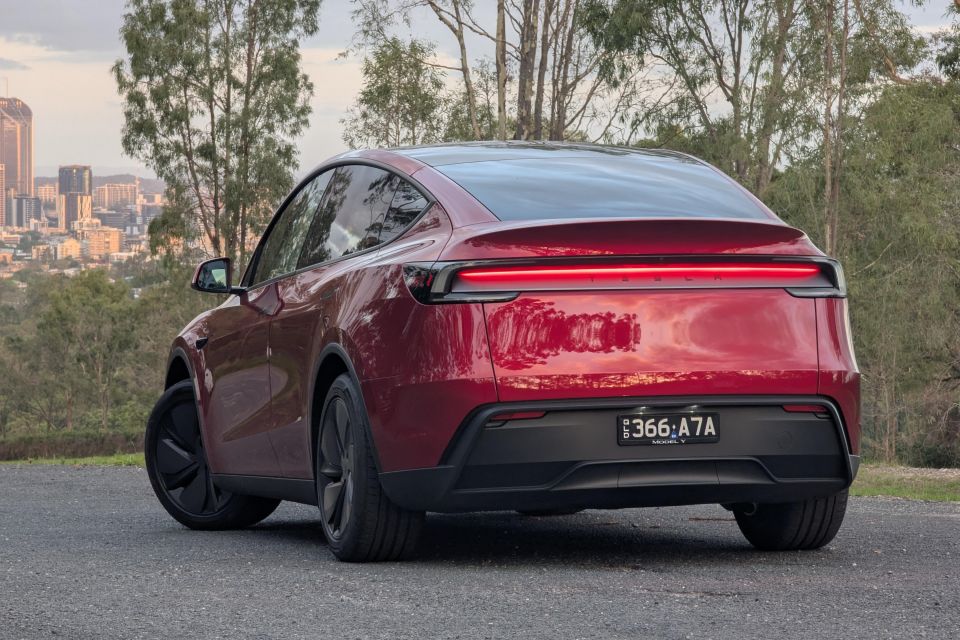
Tesla’s investment in fleet environments comes down to one thing: control. The company designs the vehicle, the battery, the software, and the service model. Tesla has designed an end-to-end software platform, Tesla for Business, which allows businesses to have full access to monitor, control, maintain their fleet from the integrated platform.
In Australia, high-kilometre use is one of, if not the most important factor for fleet buyers. And for that Tesla vehicles have demonstrated strong durability well beyond typical three-to-five-year fleet cycles.
An Australian market study by Pickles found EV packs generally retain >90% health beyond 120,000km, directly addressing battery-degradation concerns common in procurement reviews.
For businesses, that translates to predictable performance, lower risk, and confidence that the vehicle will comfortably see out its intended service life.
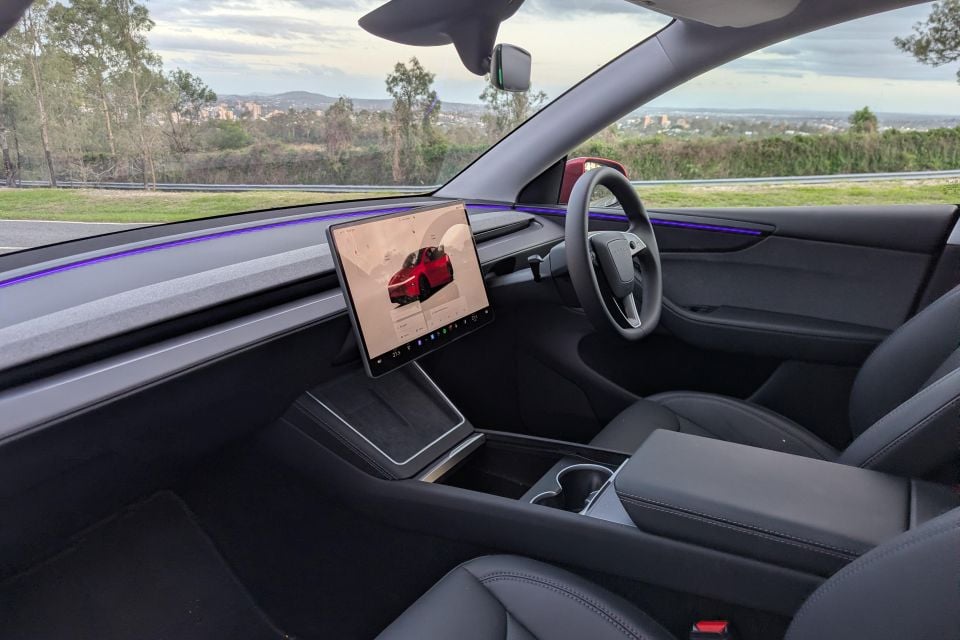
One of the least talked about but most valuable benefits of Tesla in a fleet environment is how little scheduled maintenance is required.
There are no oil changes, timing belts or fuel-system services. Regenerative braking significantly reduces brake wear, and servicing is condition-based rather than calendar-driven. The result is fewer workshop visits, fewer consumables, and less time with vehicles off the road.
Brake wear is minimal thanks to strong regenerative braking, extending pad life and reducing workshop time (NREL-cited studies report very large reductions in pad wear on EVs using regen; fleets regularly see six-figure-km brake life).
What this means for fleets: fewer booked services, fewer surprise consumables, lower workshop logistics overheads, and measurably higher vehicle availability.
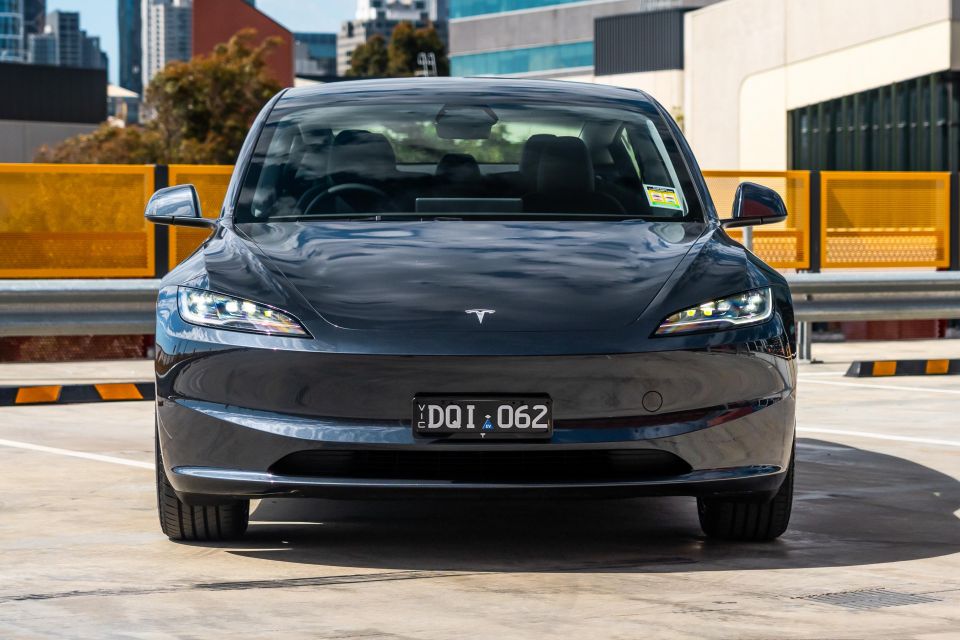
Tesla’s over-the-air software updates aren’t about novelty features. For fleet operators, that means vehicles remain on the latest software updates, and capabilities (range estimations, driver aids, charging logic, security/telemetry) improve over life.
And because sales, service and technology are managed in-house through the Tesla for Business platform, costs are more transparent and responsibility is clearly defined.
Updates are delivered remotely, often improving efficiency, range estimation, charging behaviour and safety systems without requiring a workshop visit. If an issue does arise, fixes can be deployed quickly, cutting downtime to minutes rather than days.
Fleet managers can also access Tesla’s built-in systems and APIs without relying on third-party telematics hardware or ongoing subscription fees with Tesla for Business platform visibility.
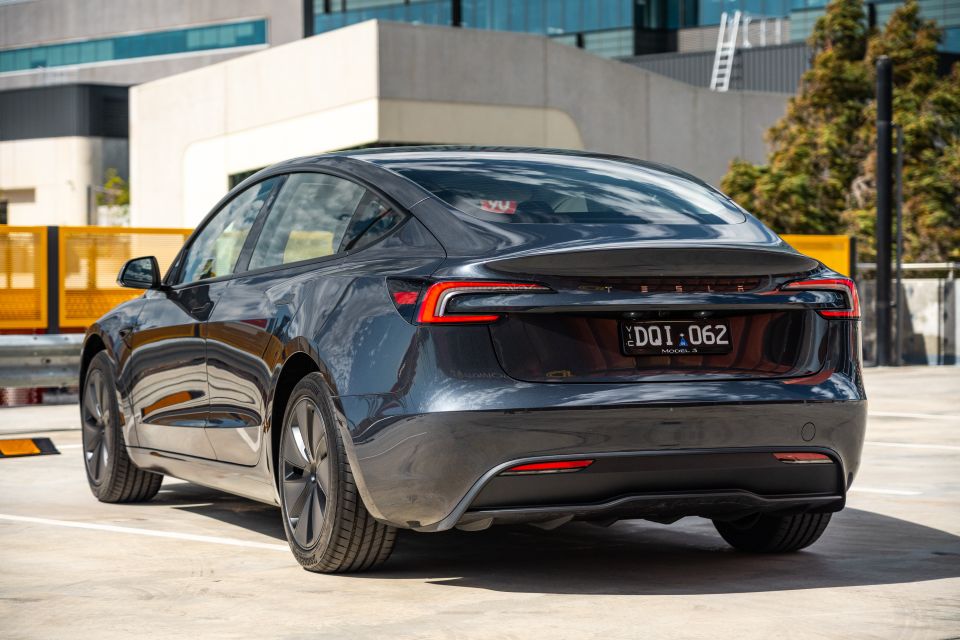
Independent Australian costings from RACQ’s Vehicle Operating Cost Report (2024) put hard numbers around running costs at 15,000km/year over five years. Highlights:
Once you move into higher annual kilometres – common for business fleets – the electric vehicle advantage widens quickly as fuel and maintenance savings compound.
For salary-packaged or novated users, battery-electric vehicles also benefit from Fringe Benefit Tax (FBT) exemptions, further reducing the total package cost for Model 3 and Model Y compared with their petrol, diesel, or hybrid equivalents.

Plenty of electric vehicles are cheap to run, but Tesla layers in three fleet-centric advantages:
In short: the whole system works together.
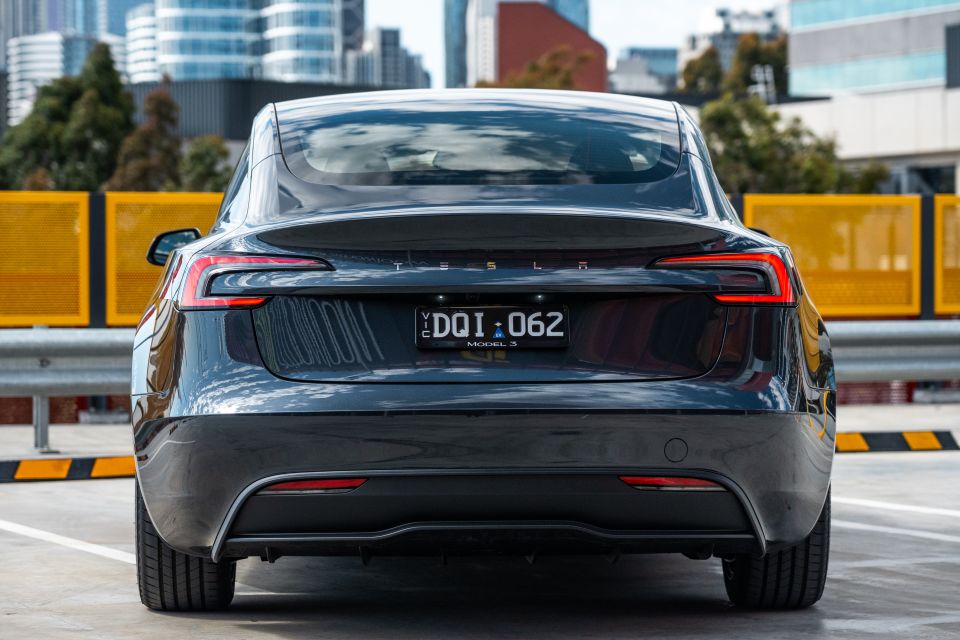
For business fleets in Australia, Tesla’s mix of minimal scheduled maintenance, demonstrated long-term reliability, continually improving software, and low, predictable running costs produces a compelling total cost of ownership story without cutting corners on safety or capability.
Build your business case around uptime and lifecycle cost, and the numbers and the field evidence do the talking.
Go deeper on the cars in our Showroom, compare your options, or see what a great deal looks like with help from our New Car Specialists.
Damion Smy
14 Hours Ago

Josh Nevett
5 Days Ago

Derek Fung
6 Days Ago

James Wong
9 Days Ago
Josh Nevett
9 Days Ago

William Stopford
11 Days Ago
Add CarExpert as a Preferred Source on Google so your search results prioritise writing by actual experts, not AI.