




Matt Campbell
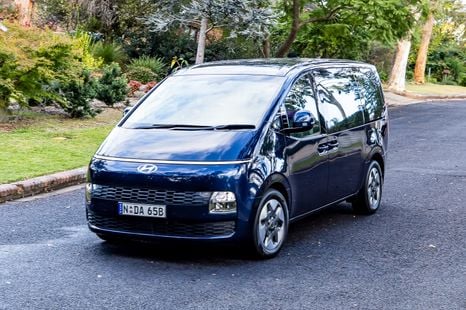
2026 Hyundai Staria review
Hyundai's updated Staria people mover range scores big revisions to its standard equipment list, but not for the better…
4 Hours Ago
Australia’s second-largest state is falling behind in its electric vehicle infrastructure, but the scope of its problems is far wider.

Road Test Editor
Road Test Editor
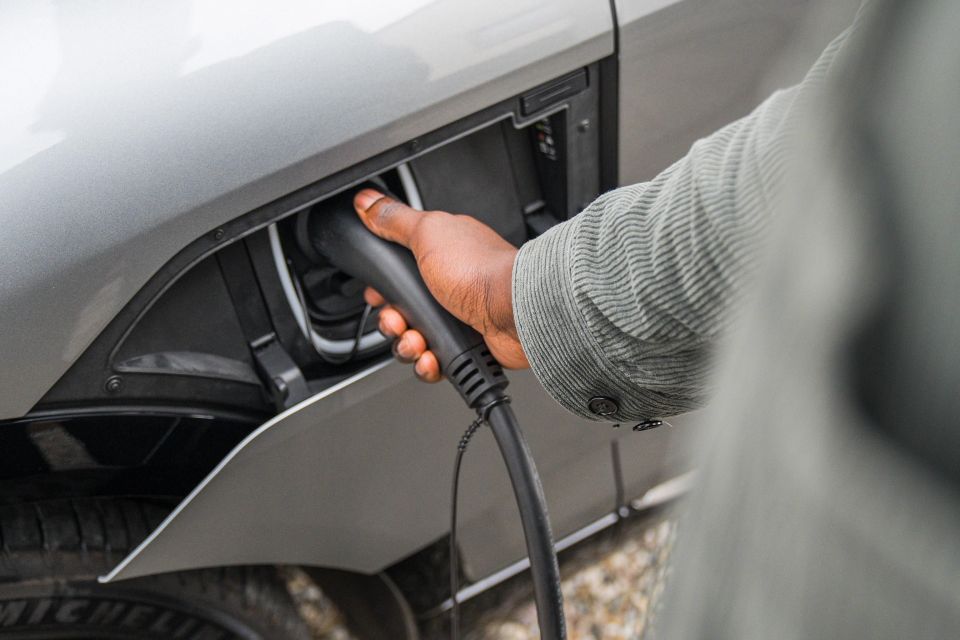
Electric vehicle (EV) uptake is rising in Victoria, but a parliamentary inquiry has warned misinformation, a slow public-charging rollout, and the absence of a dedicated statewide EV charging strategy are holding back the transition.
An inquiry into the electricity supply for EVs claims Victoria’s lack of charging infrastructure is the major weakness, with no dedicated government plan to improve the network.
A total of 40 recommendations were handed down by the committee, the first of which was a proposal to target subsidies for buyers, provide stamp-duty relief, and offer discounts for EV registration.
Furthermore, the network tariffs meant there was no incentive or reward for owners to adjust their charging behaviour in a way that supports the electricity grid.
Looking for your next car? We'll help you research and compare so you choose with confidence.
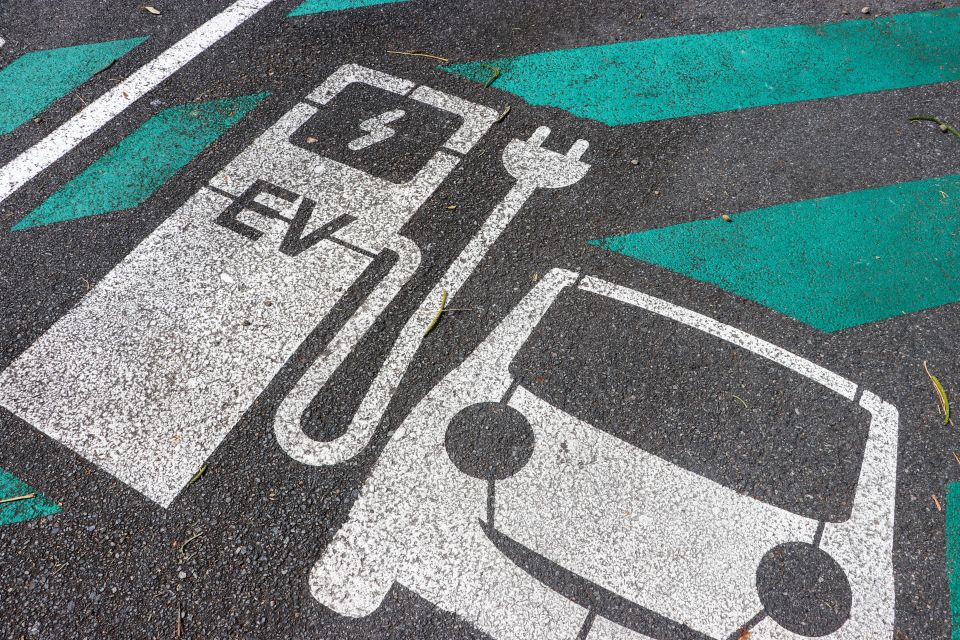
Despite calls for lower electricity tariffs and greater EV subsidies, a report from Liberal and Nationals members noted the impact of taxpayer-funded incentives on the state’s debt.
Among its 109 findings, the committee found misinformation and misconceptions about EVs and charging infrastructure were affecting uptake, including concerns around range, charging availability, battery life, resale value, fire risk, road funding and environmental impact – with an education campaign recommended to address misinformation.
The inquiry found vehicle-to-grid (V2G) and vehicle-to-home (V2H) technologies – which allow EVs to feed electricity back to the network or to power houses – are opportunities for EVs to support the grid, noting the lack of targeted programs by the government.
The report also criticised the removal of provisions that mandated EV readiness for new homes, while highlighting kerbside charging issues and landlords blocking the installation of chargers in apartment buildings, saying the Owners Corporation Act was “out-of-step”.
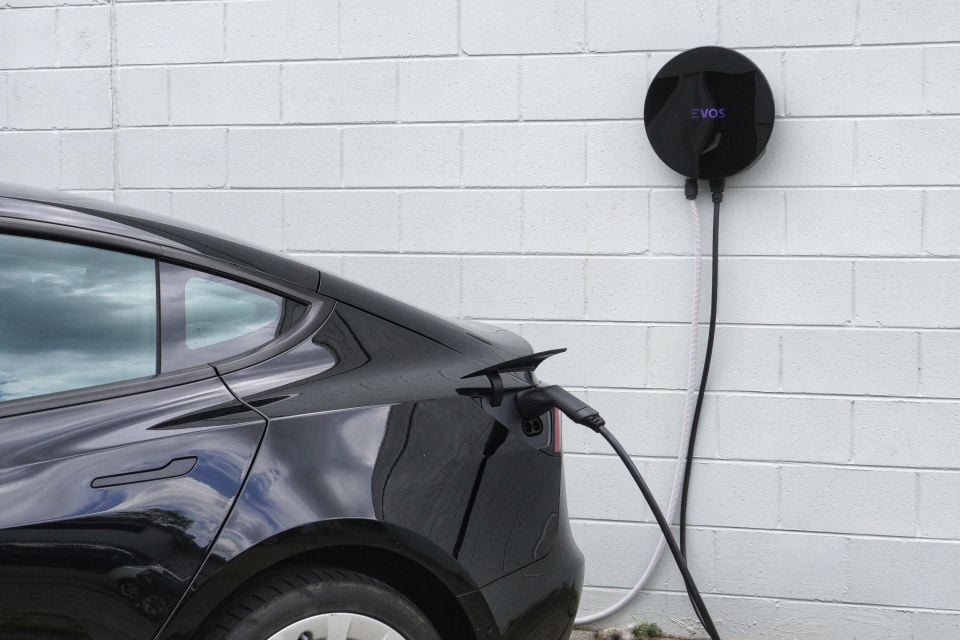
Outside of the city, concerns were raised around the practicality of battery-powered cars in regional areas, due to inferior infrastructure.
According to the findings, Victoria’s ratio of 0.37:1 of kilowatts of public charging capacity per EV fell significantly short of the international benchmark of 1:1.
Yet, those in urban areas and regional cities with easy access to public charging stations reported poor experiences, citing slow maintenance, mapping services, and complicated payment requirements. The report claimed EV charging infrastructure is “not being installed quickly enough”.
Many of the criticisms were levelled at the Victorian Government for falling short on its policies toward EVs and supporting industries.
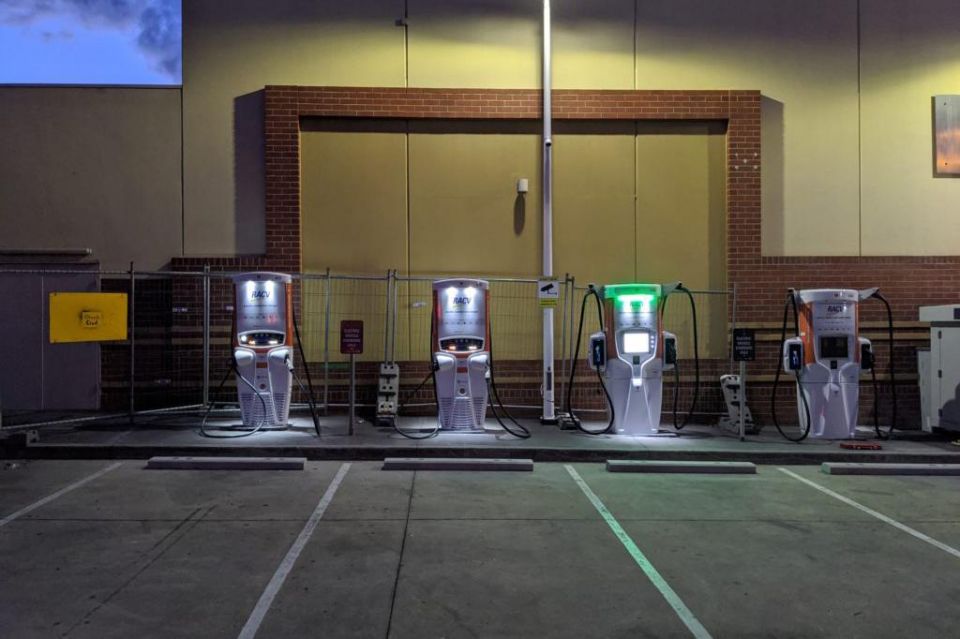
Compared to New South Wales – which has clearer public-charging coverage targets for urban and rural areas – Victoria has no equivalent dedicated strategy for improving its EV charging network.
“There is no definitive understanding of how much public charging capacity has been installed in Victoria to date due to a lack of centralised data about chargers under 25 kilowatts,” the report states, recommending the state government work with authorities to develop a database showing the locations, availability, and uptime of chargers to the public.
However, the committee noted it had received no submissions from the Department of Transport and Planning or any other relevant departments, despite electric cars existing “at the intersection of transport and energy policy”.
Representatives from Victorian Government departments were also invited to hearings, but did not appear – affecting the inquiry’s ability to assess the state’s EV policies.
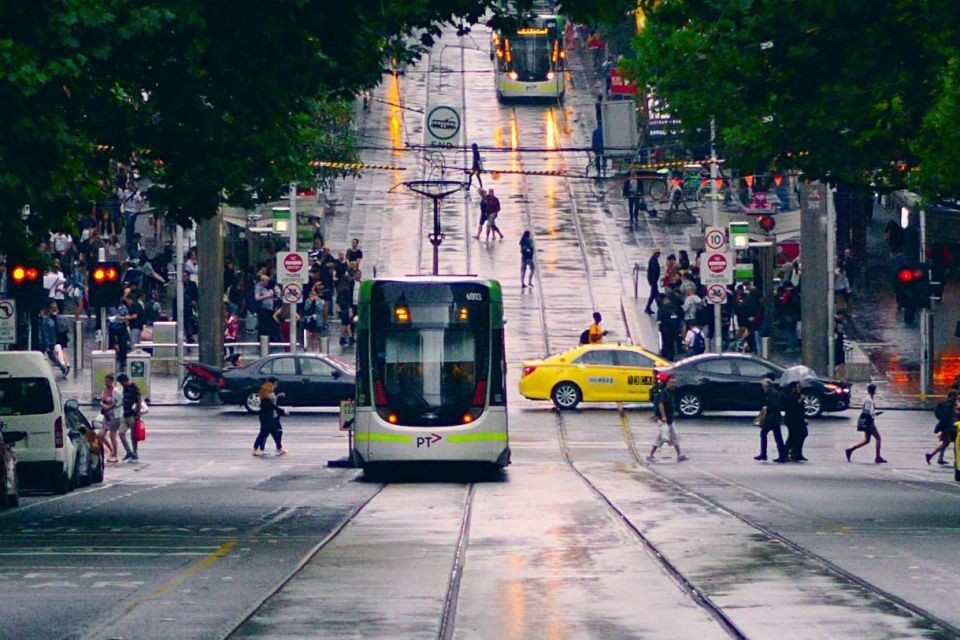
While the absence of policy and strategy from the top levels of government was identified as a key reason behind Victoria’s lagging EV uptake, the inquiry said both the automotive and energy industries were part of the wider problem.
Specifically, the replacement of fuel stations with fast chargers – and the over-reliance on fast chargers – meant greater strains on the electricity grid, which consumers would ultimately need to pay for through upgrades. Kerbside charging systems that are owned by energy providers were also highlighted, raising concerns over competition and calling for greater powers by the relevant ombudsman.
New-car dealerships were also singled out, with calls for better education on ways owners charge their EVs to benefit the grid and save money.
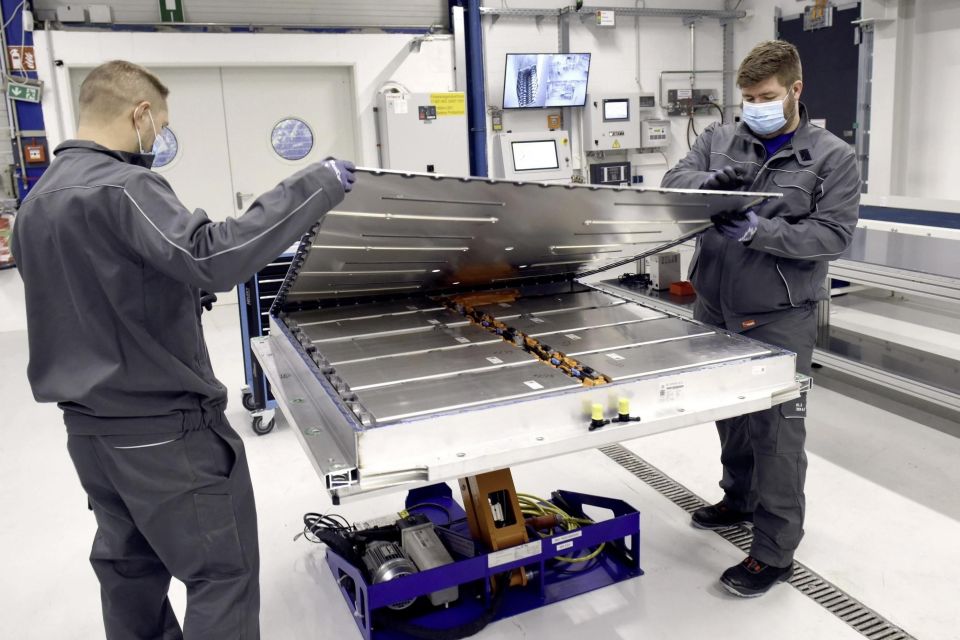
The report found there was a significant lack of regulatory framework regarding the management of end-of-life EV battery recycling and handling, with around 1000 tonnes of material exported overseas annually.
However, the findings and recommendations were only adopted after the committee chair cast a vote in favour of the materials, following a 4-4 split in voting between members.
Ben Zachariah has 20-plus years in automotive media, writing for The Age, Drive, and Wheels, and is an expert in classic car investment.
Matt Campbell
4 Hours Ago

William Stopford
15 Hours Ago


James Wong
16 Hours Ago

CarExpert
17 Hours Ago

Damion Smy
17 Hours Ago

Max Davies
18 Hours Ago
Add CarExpert as a Preferred Source on Google so your search results prioritise writing by actual experts, not AI.