
William Stopford
China’s Leapmotor heading upmarket with second brand
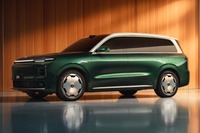
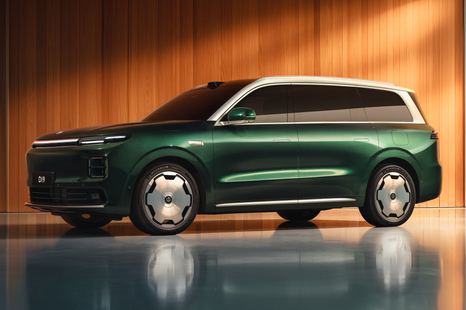
Leapmotor doesn't want to only offer cheap and cheerful vehicles, and will reveal a new brand in the coming months that's expected to have a more premium positioning.
2 Hours Ago

Deputy News Editor
Ford has announced the creation of Ford Energy, a new subsidiary wholly owned by the American car giant to produce battery energy storage systems (BESS).
The Blue Oval says it's aiming to produce at least 20GWh of annual energy storage capacity in the US, with its first customer installation scheduled for late 2027.
Ford Australia hasn't confirmed whether it will sell battery systems locally.
The automaker says Ford Energy will target industrial and commercial customers in the US, describing its BESS products as “United States assembled” rather than strictly US-manufactured.
CarExpert can save you thousands on a new car. Click here to get a great deal.
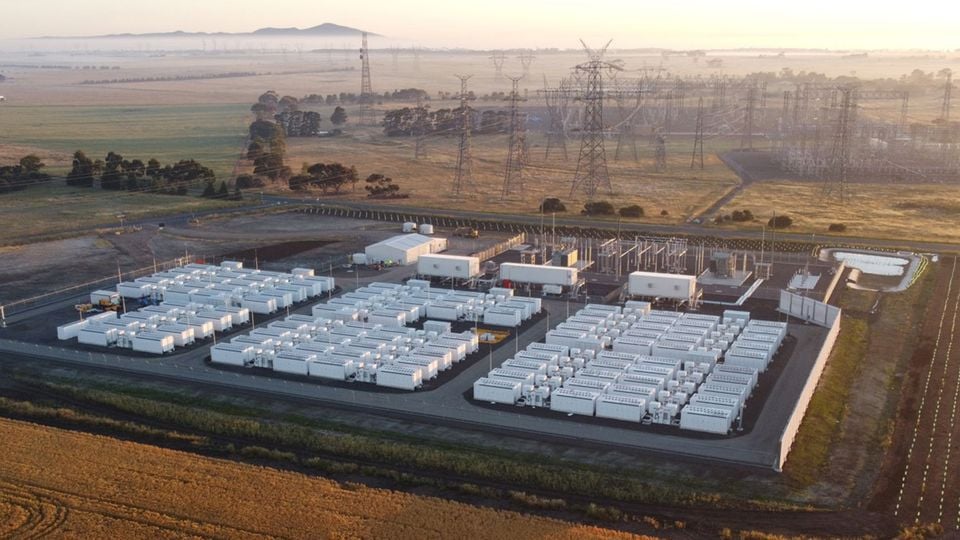
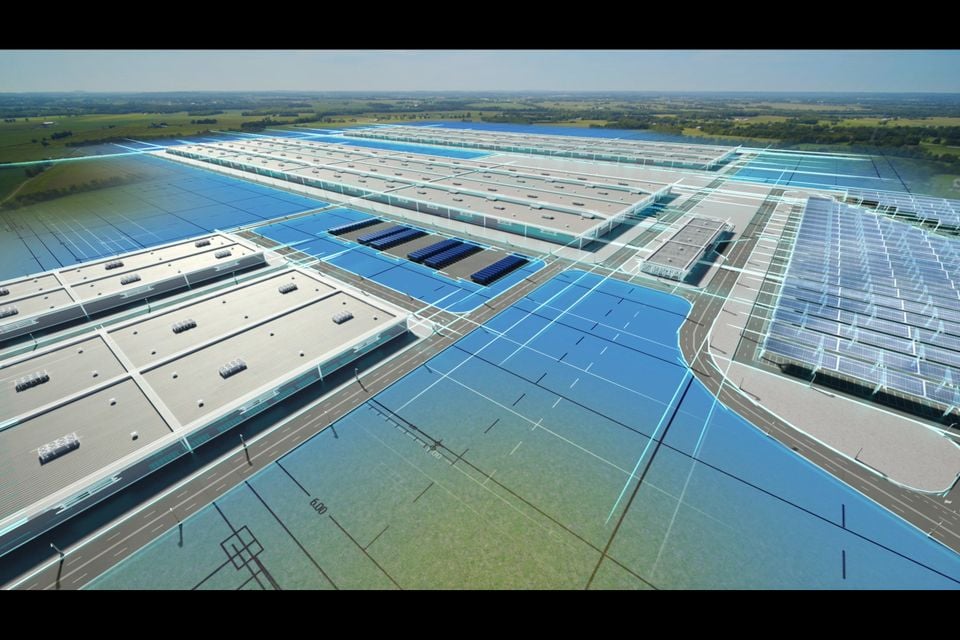
Final assembly will take place at its Glendale, Kentucky battery plant, which has been repurposed as a battery production centre for BESS rather than electric vehicles (EVs).
The main product will be the Ford DC Energy Block, a 20-foot [6.1-metre] battery energy storage system designed around 512Ah liquid-cooled lithium iron phosphate (LFP) prismatic cells.
Ford will offer two different versions: the FE-250 (two-hour) and FE-450 (four-hour) systems, which it says have an operating lifespan of 20 years.
The automaker said the business fills a gap in the market created by “data centre growth, renewable energy integration, and grid resilience requirements”.
According to the US Energy Information Administration (EIA), battery storage has become one of the fastest-growing electricity sources in the US, with more than 40GW of battery storage added in the past five years.
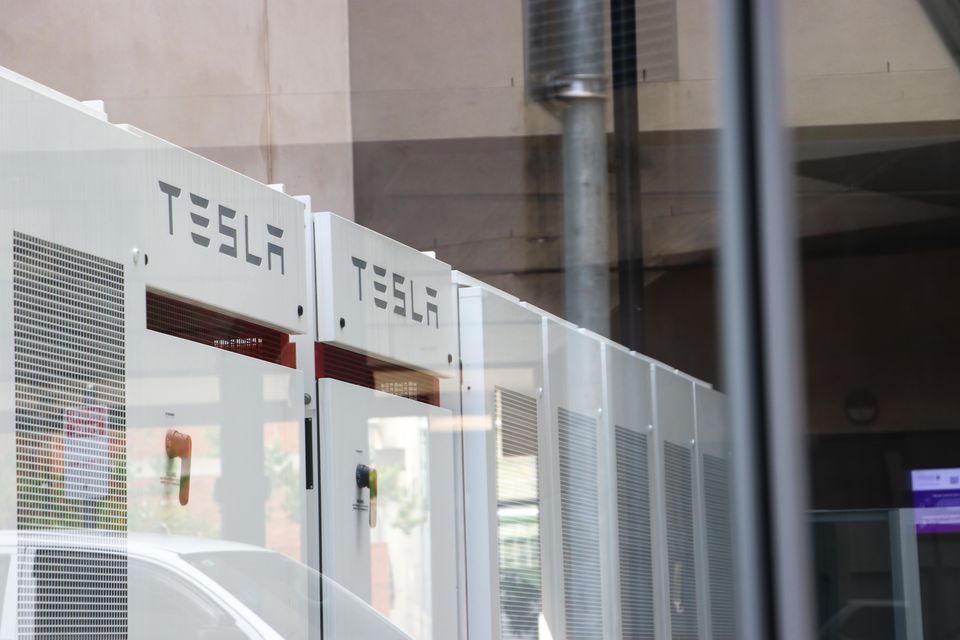
A record number of home batteries were installed in Australia in 2025, aided by subsidies from the Cheaper Home Batteries Program.
The growth saw Tesla record more revenue in Australia from the energy side of its business, which includes home batteries, than from its Model Y and Model 3 EVs.
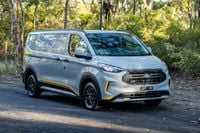
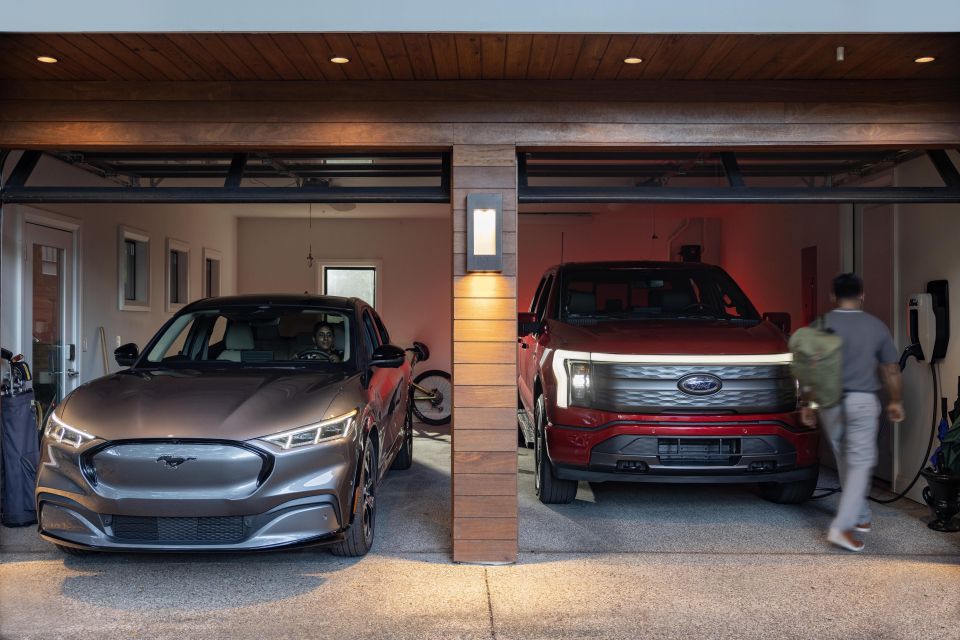
The Blue Oval brand offers only three EVs in Australia: the Mustang Mach-E SUV and E-Transit Custom and larger E-Transit vans.
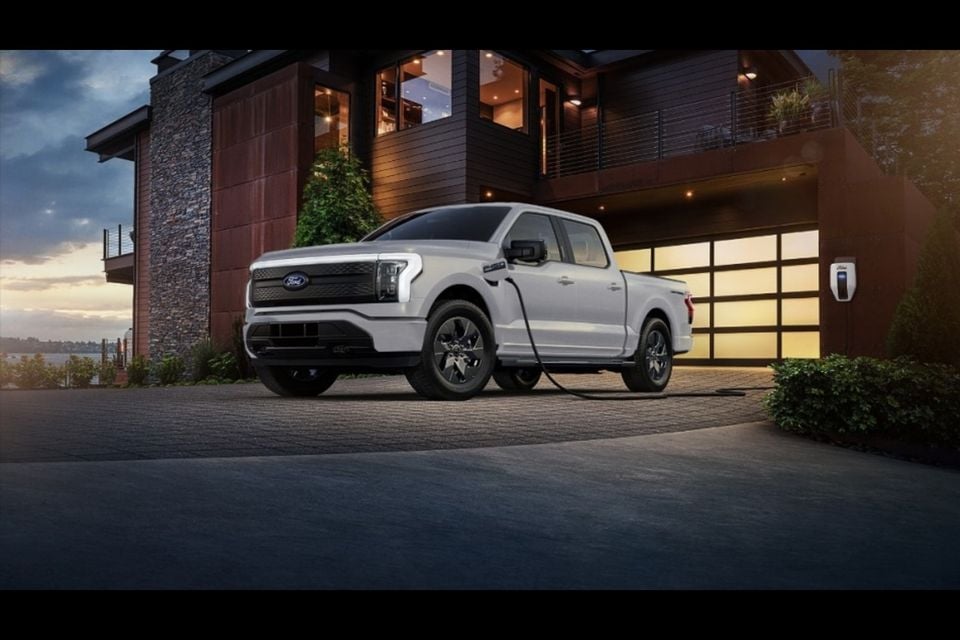
Ford last year pulled the plug on the F-150 Lightning EV, never officially offered by Ford in Australia, which will be replaced by an extended-range electric vehicle (EREV). The company also said it would focus on “super affordable” EVs after losing billions on slower-than-anticipated sales of its EV lineup.
The new Universal EV platform will underpin a family of vehicles including a Ranger-sized ute due in 2027, with a targeted base price of around US$30,000 (A$42,000). Universal EVs will use a 400V electrical architecture and lithium iron phosphate (LFP) batteries, and Ford is also planning to build them using a new, more efficient manufacturing approach.
When asked about Ford's EV rollout by Car & Driver earlier this year, CEO Jim Farley said the company had learned a lot from Tesla.
"I totally would've done [the rollout] differently," he said.
“When we ripped apart a Tesla… I was just absolutely flabbergasted,” he explained. “The Mach-E’s wiring harness was 70 pounds heavier and 1.6 kilometres longer. We didn’t know what was going on in [Tesla engineers’] minds. But now we understand. They had no prejudice.
“We had prejudice. We’d gone to our supply-chain person and said ‘buy another wiring harness’. [Tesla] said ‘let’s design the vehicle for the lowest, smallest battery’. Totally different approach.”
Go deeper on the cars in our Showroom, compare your options, or see what a great deal looks like with help from our New Car Specialists.
Damion Smy is an award-winning motoring journalist with global editorial experience at Car, Auto Express, and Wheels.
William Stopford
2 Hours Ago
Damion Smy
5 Hours Ago

Derek Fung
7 Hours Ago

Max Davies
14 Hours Ago
Max Davies
1 Day Ago
Derek Fung
1 Day Ago
Add CarExpert as a Preferred Source on Google so your search results prioritise writing by actual experts, not AI.