 Car News
 CarExpert Podcast
 Car Reviews
 Owner Car Reviews
 Car Comparisons
 Showroom
 Car Chooser
 Car Specifications


Damion Smy
Ford follows GM in boosting its 2026 financial forecast after tariff refunds
The second US auto giant in as many days has lifted its earnings outlook, with tariff refunds providing a much-needed boost.
47 Minutes Ago

Journalist
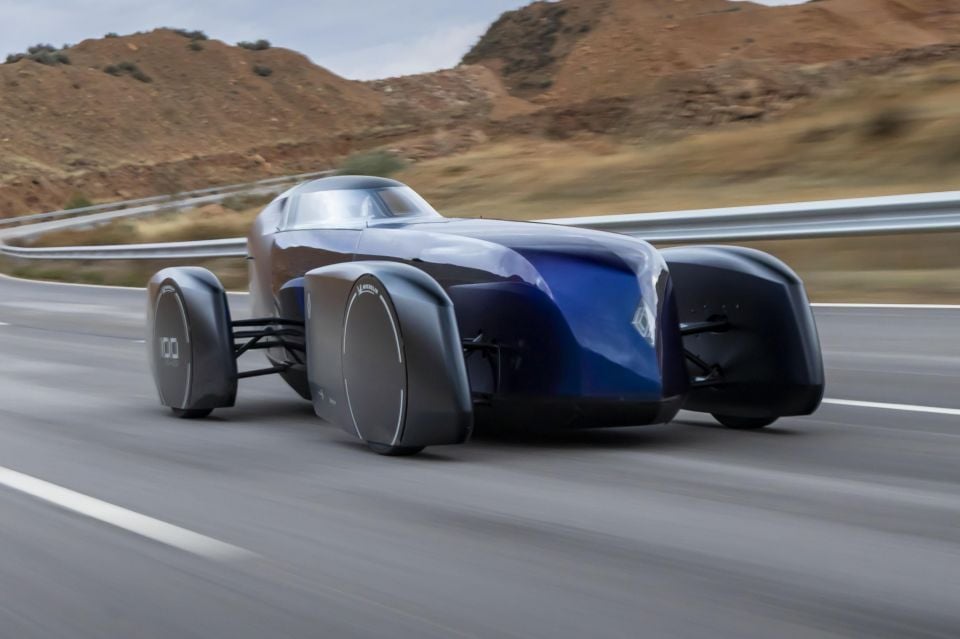
At the beginning of 2025 Renault set its engineers a task: create an electric vehicle (EV) that could do 1000km without needing to be recharged while driving at realistic highway speeds of over 100km/h, which well above the typical speeds used in hypermiling.
The Filante Record 2025 concept managed this feat on December 18 on the UTAC test track about two hours south-east of Casablanca in Morocco, when it was driven 1008km in a smidge under 10 hours.
Its average driving speed was over 110km/h as the running time included technical stops and two driver changes. The vehicle was piloted by Constance Léraud-Reyser, a chassis engineer at Alpine; Laurent Hurgon, test driver for Alpine; and Arthur Ferriere, a chassis tuning engineer at Alpine.
While on the move, the car averaged 102km/h, and used 7.8kWh/100km. At the end of its run, the car still had 11 per cent charge left, which would be good another 120km of driving at a steady 100km/h.
CarExpert can save you thousands on a new car. Click here to get a great deal.
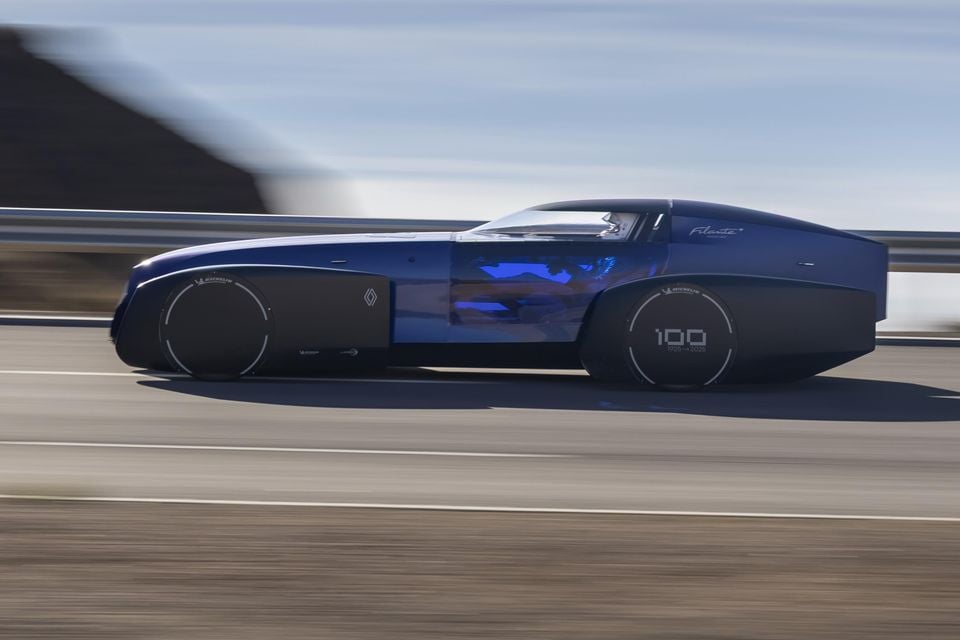
To achieve its goal, Renault could’ve just whipped up a car with a ginormous battery pack and called it day, but the company limited itself to using a battery pack with the same capacity (87kWh) as the long range versions of the Scenic E-Tech.
The 87kWh variant of the Scenic E-Tech has a 160kW/300Nm motor driving the front wheels, and a WLTP range of 625km. That’s well short of the 1000km target, so the company had to optimise its record-attempt vehicle for weight and aerodynamic efficiency.
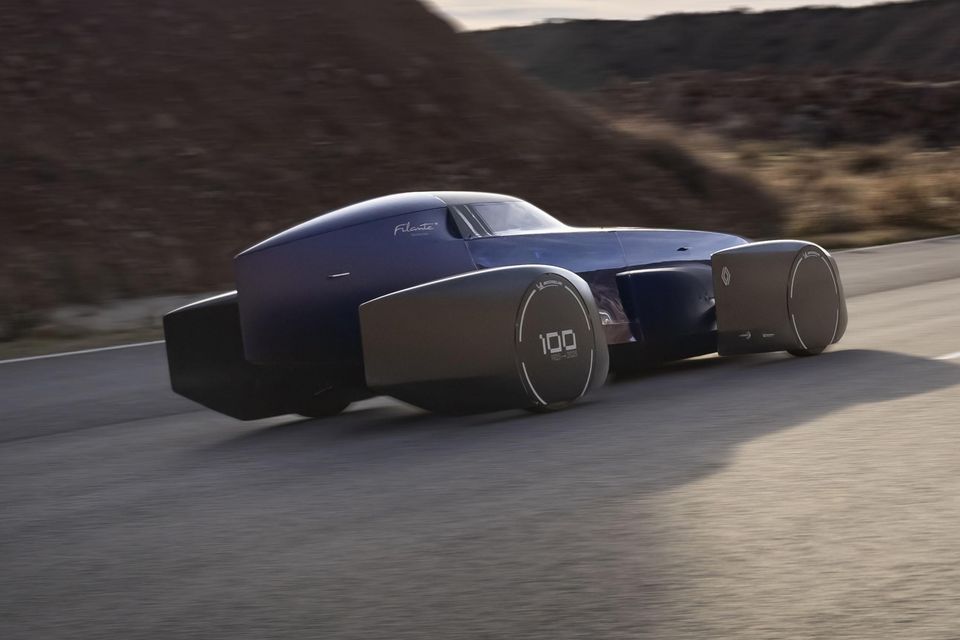
Renault says the design of the Filante Record 2025’s body is a homage to 40CV, a luxury sedan from 1925, and the Étoile Filante, a gas turbine-powered car from 1954 developed to set a world land speed record at the Bonneville Salt Flats in Utah.
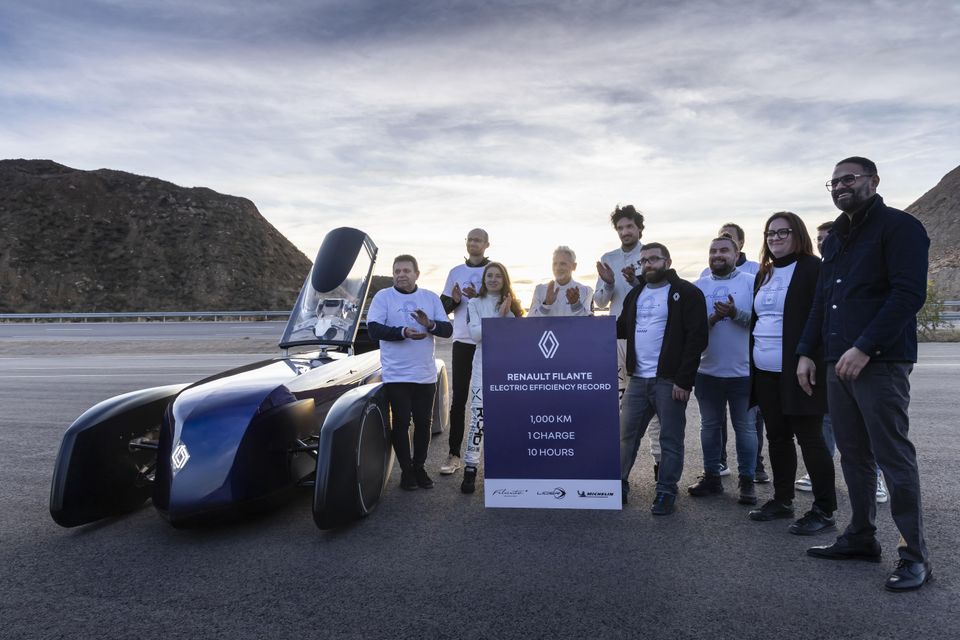
After many hours of wind tunnel testing, the team decided to detach the wheels from the body to improve airflow.
Weight was kept down to around 1000kg thanks to the extensive use of carbon-fibre and aluminium alloys, as well as 3D-printed Scalmalloy components. The all-electric steer-by-wire and brake-by-wire systems also minimise weight, and allow for better packaging.
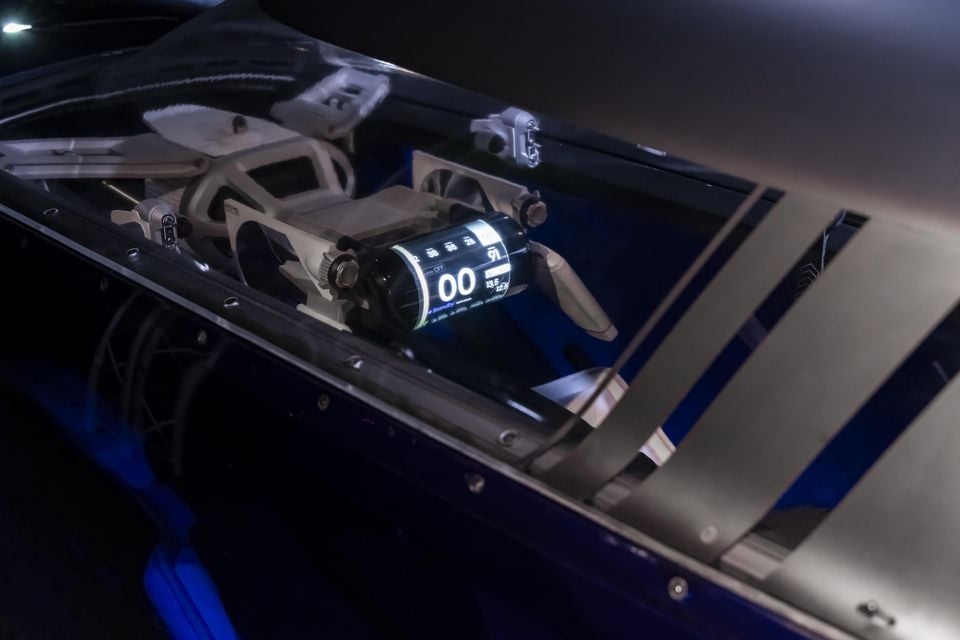
The single-seat cockpit is, naturally, spartan, but includes a spherical display mounted in the middle of the steering mechanism to display speed, time left, efficiency and other vital details.
Go deeper on the cars in our Showroom, compare your options, or see what a great deal looks like with help from our New Car Specialists.
Derek Fung would love to tell you about his multiple degrees, but he's too busy writing up some news right now. In his spare time Derek loves chasing automotive rabbits down the hole. Based in New York, New York, Derek loves to travel and is very much a window not an aisle person.
Damion Smy
47 Minutes Ago

Alborz Fallah
1 Hour Ago

James Wong
1 Hour Ago

Alborz Fallah
1 Hour Ago
Damion Smy
3 Hours Ago

William Stopford
3 Hours Ago
Add CarExpert as a Preferred Source on Google so your search results prioritise writing by actual experts, not AI.