
Josh Nevett
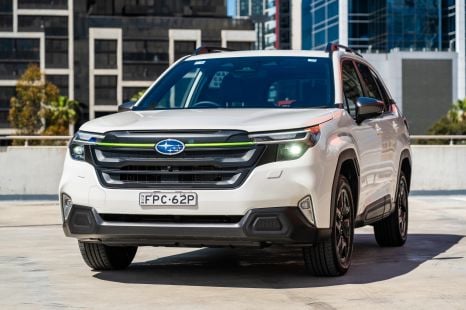
2026 Subaru Forester AWD Sport review
The new Subaru Forester is solid yet harder to love than its predecessors, especially in petrol Sport specification.
5 Hours Ago
The rotary internal combustion engine made most famous by Japanese automaker Mazda is set to be reborn... in China.

Deputy News Editor
Deputy News Editor
The rotary engine will make a comeback, but it won’t be coming from the brand most recognised for using it in high-performance cars, Mazda, instead emerging from a Chinese manufacturer.
According to Carscoops, China’s Changan Automobile Group, which developed the Mazda 6e due in Australia in mid-2026 through its joint venture with the Japanese brand, has confirmed it will produce a single-rotor internal combustion engine from 2027.
It won’t be in a road car, however, with the 53kW rotary planned for a low-altitude aircraft, and a more potent twin-rotor version under development offering more than twice the power.
Changan will develop both naturally aspirated and turbocharged versions, said Carscoops, and is working on the project with ARIDGE, the flying-car arm of Chinese automaker Xpeng, as well as Chinese tech giant Huawei.
CarExpert can save you thousands on a new car. Click here to get a great deal.

While the new rotary officially has nothing to do with Mazda, the connection between the two companies suggests it could be the leg-up needed to see rotary-powered Mazdas back in showrooms.
The rotary engine, known as the Wankel engine after Dr Felix Wankel, who first patented it in 1936, uses a spinning ‘rotor’ instead of reciprocating pistons.
The simple design brings benefits including fewer moving parts and a more compact overall size, promising reliability and lower maintenance costs (in theory, at least).
It was also intended to deliver smoother, quieter operation, although these traits may be debated by enthusiasts, with the rotary’s signature ‘brap’ engine note anything but quiet in highly modified examples.
The first production car to use a rotary was the 1967 Ro80 from German brand NSU, now represented by one of the four rings of the Audi brand. Mazda later licensed the engine for use in its first rotary-powered model, the 1967 Cosmo.
In Australia, the R100 city car was the first Mazda to use a rotary, with the company suggesting at the time the engine would make conventional piston powertrains redundant.
Rotary-powered Mazdas have won the Bathurst 12 Hour endurance race, the Australian Touring Car Championship, as well as the Le Mans 24 Hour in France.
While it has been fitted to an array of Mazdas in single-, double- and even triple-rotor guise – with turbochargers and all – the last rotary offered was the RX-8, which went off sale in 2012.
That excludes a brief return in the MX-30 range-extender electric vehicle sold in Australia between 2022 and 2023, which used a single-rotor engine to charge a battery for an electric motor driving the front wheels.
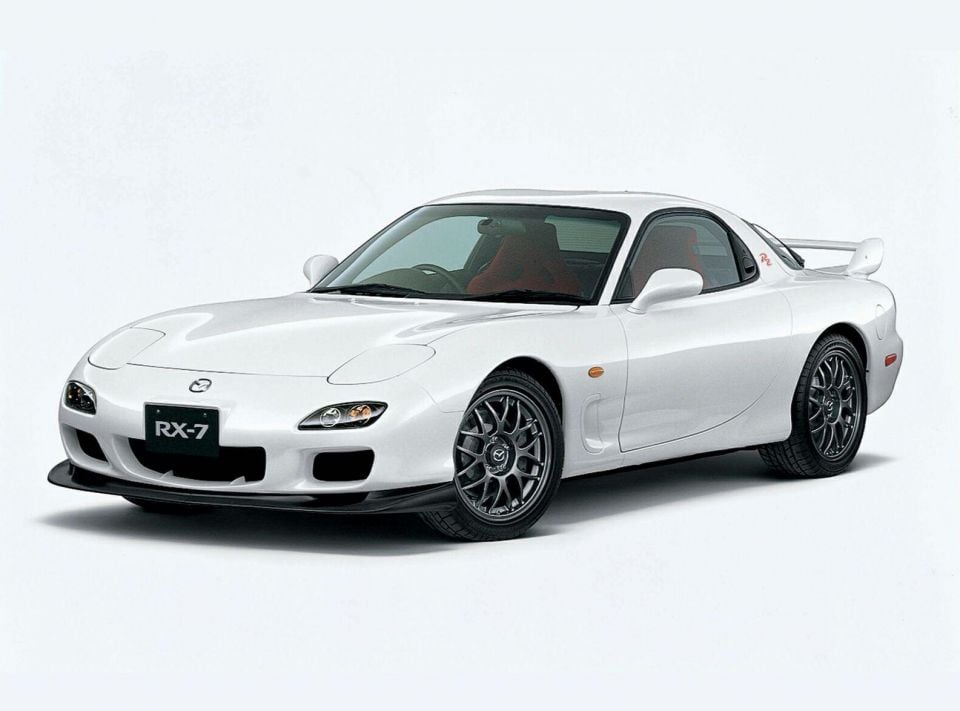
Mazda fans have endured years of speculation surrounding the future of rotary-powered vehicles in the brand’s lineup, most notably its RX-7 sports car, last produced in 2002, in addition to the RX-8.
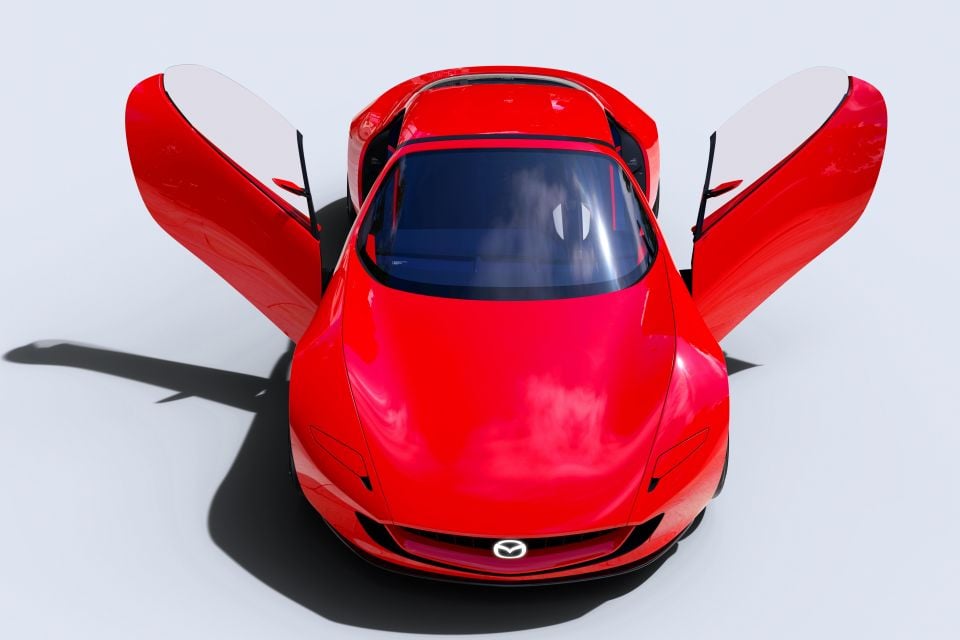
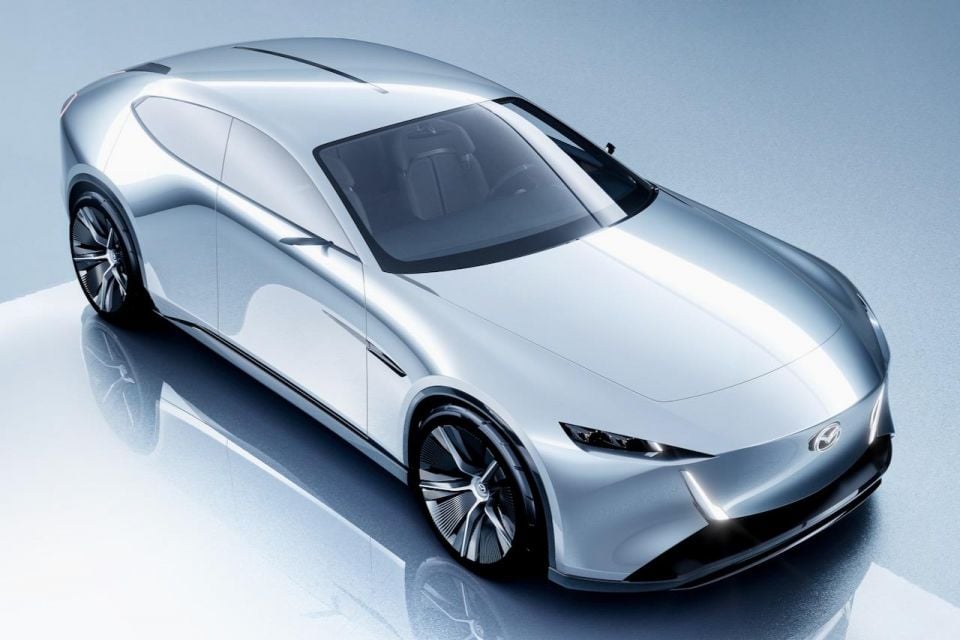
Mazda has said it continues to work on rotary engines, having shown the Vision X-Coupe with a twin-rotor plug-in hybrid (PHEV) powertrain at the October 2025 Japan Mobility Show (JMS) in Tokyo.
This followed the Mazda Iconic SP concept shown at the 2023 event in Tokyo as a potential rotary-powered successor to the RX-7, with a production version yet to be confirmed.
Damion Smy is an award-winning motoring journalist with global editorial experience at Car, Auto Express, and Wheels.
Josh Nevett
5 Hours Ago

James Wong
12 Hours Ago

Alborz Fallah
12 Hours Ago
Damion Smy
14 Hours Ago

William Stopford
14 Hours Ago
Damion Smy
16 Hours Ago