

William Stopford
Mazda CX-3 nameplate to live on with new Thai-built small SUV
Mazda has a new small electrified SUV entering production in 2027, and it'll wear the familiar CX-3 nameplate.
11 Hours Ago
BYD's rival to the Model Y is tracking well on the sales charts thanks to its sharp looks and value – but is the competition getting too hot?
CarExpert brings together reviews, research tools and trusted buying support, guiding you from research to delivery with confidence.
This is the car that has come closest to knocking Tesla off the top of the EV sales charts in Australia.
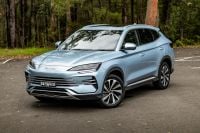
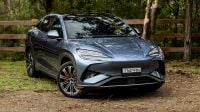
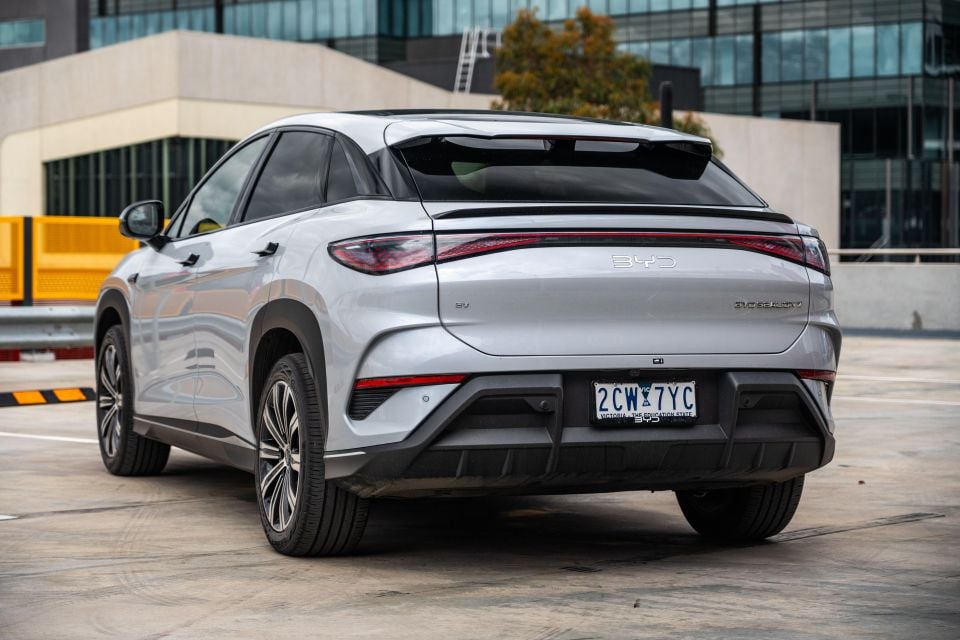
China’s BYD has been steamrolling into Australia with new models of late, and the Sealion 7 you see here has been one of its most successful products yet – behind the Shark 6 plug-in hybrid (PHEV) dual-cab ute.
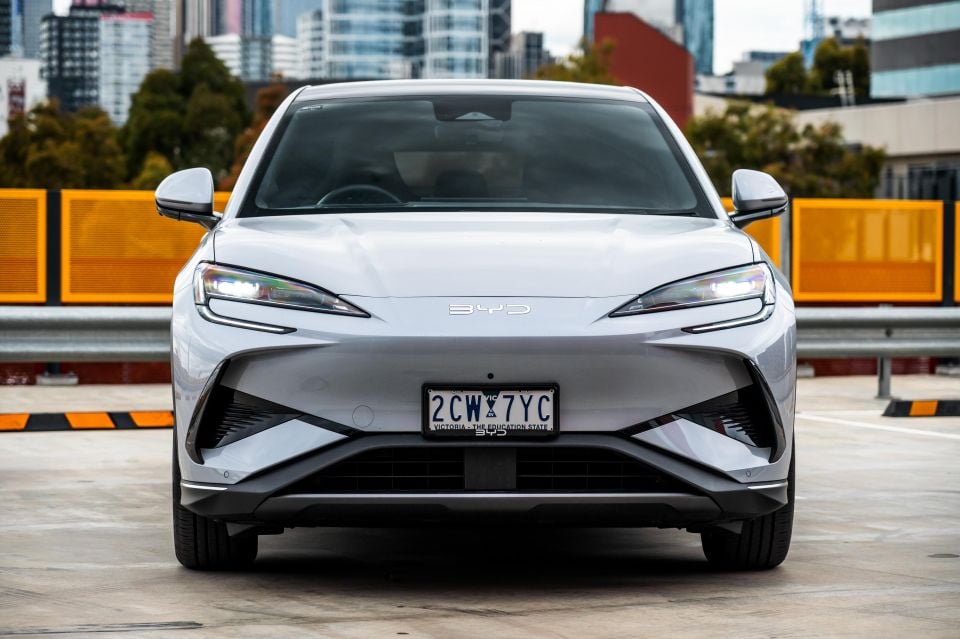
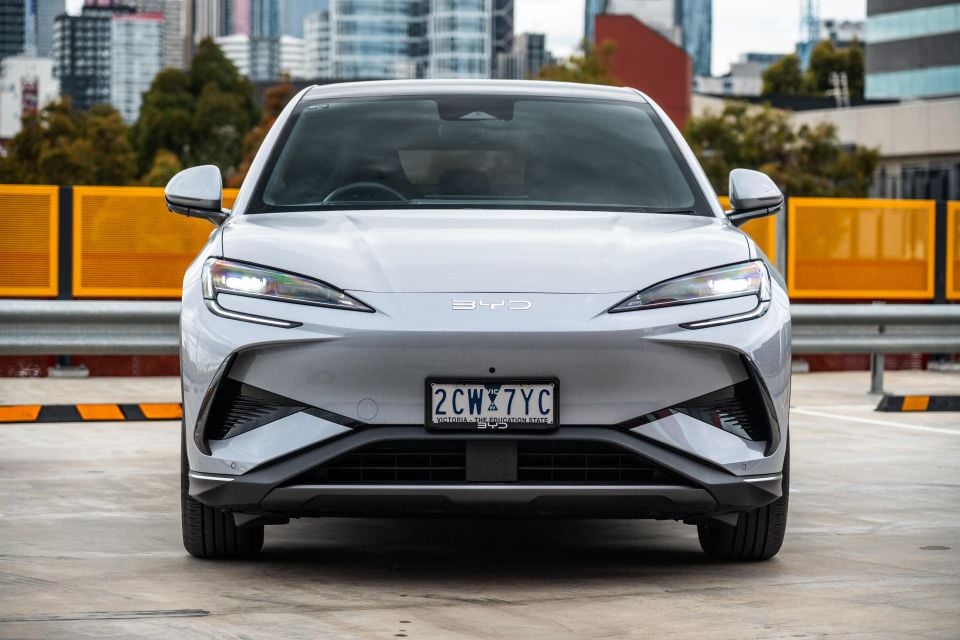
Here, we have a 2026 BYD Sealion 7 Premium, the most attainable version of the brand’s mid-size electric SUV range and a direct rival to the top-selling Tesla Model Y.
To the end of November this year, 10,864 Sealion 7s have been delivered to Australian homes, which is about half the volume of the Model Y in the same period – though the BYD only launched locally in February-March.
Perhaps more telling is the fact the Sealion 7 has beat out the Model Y in monthly sales a number of times in 2025, even if its American-badged, China-sourced rival has it well beat in terms of annual volume.
We spent a week with the ‘base’ Premium to see what all the fuss is about, as the competition in the mid-size electric SUV segment continues to get hotter and hotter.
How did it fare? Read on to find out…
Pricing for the Sealion 7 range kicks off at $54,990 plus on-road costs for the base Premium you see here – if you want the dual-motor Performance, that’ll be another $9000.
| Model | Price before on-road costs |
|---|---|
| 2026 BYD Sealion 7 Premium | $54,990 |
| 2026 BYD Sealion 7 Performance | $63,990 |
The Premium undercuts the cheapest Model Y by nearly $4000, as well as the China-made Kia EV5 (from $56,770). You can throw in a number of other names too, but there’d be too many to list.
That said, the Sealion 7 is positioned at a more premium point in the market than some other Chinese EVs, namely the Geely EX5 (from $40,990), alongside the European-sourced Skoda Enyaq (from $54,990 drive-away).
To see how the BYD Sealion 7 lines up against the competition, check out our comparison tool
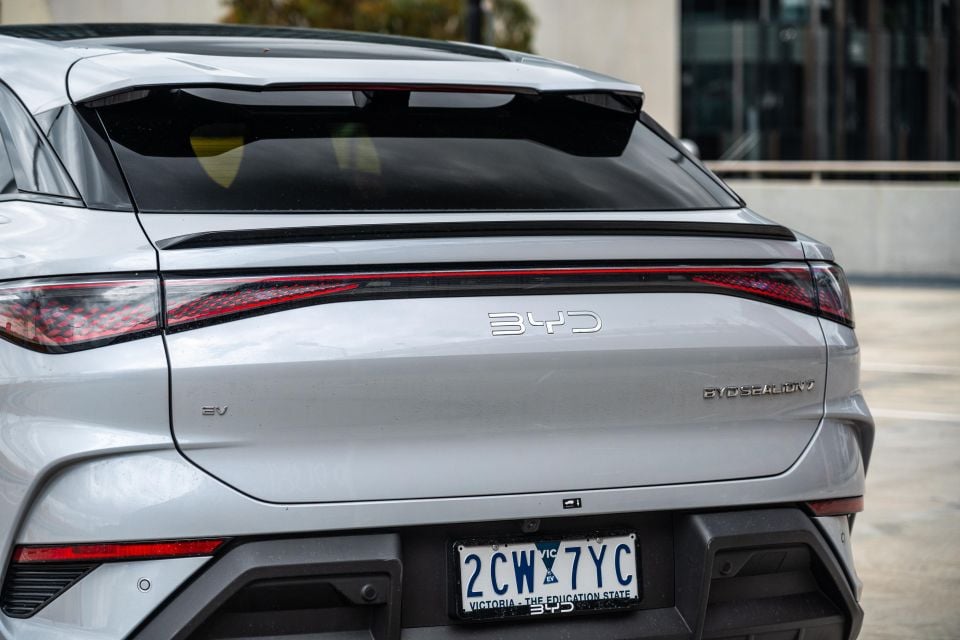
The Sealion 7 ushers in the brand’s newest design language, which is much more modern and premium in its presentation than say, the similarly sized Sealion 6 plug-in hybrid SUV.
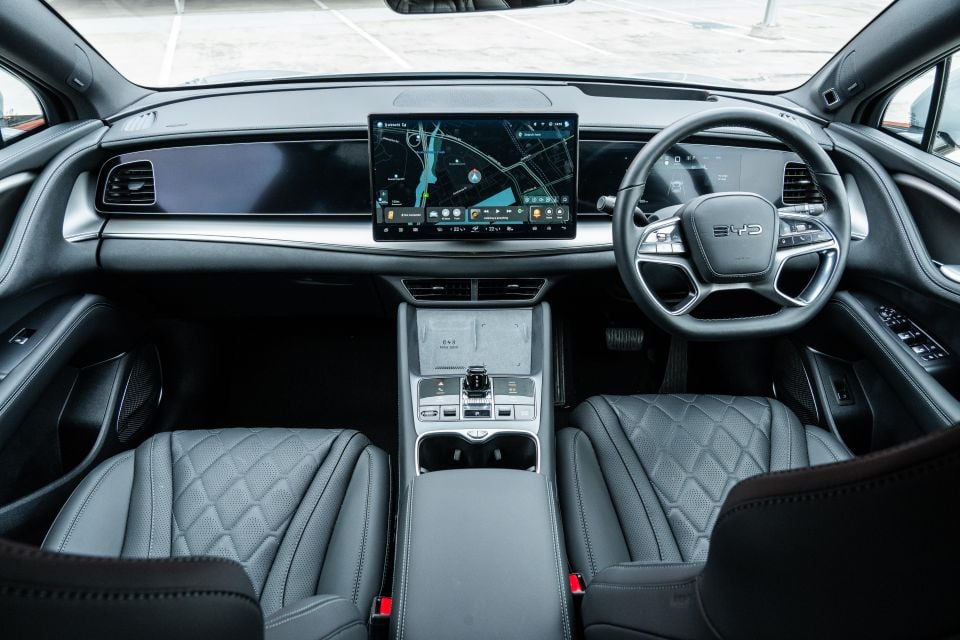
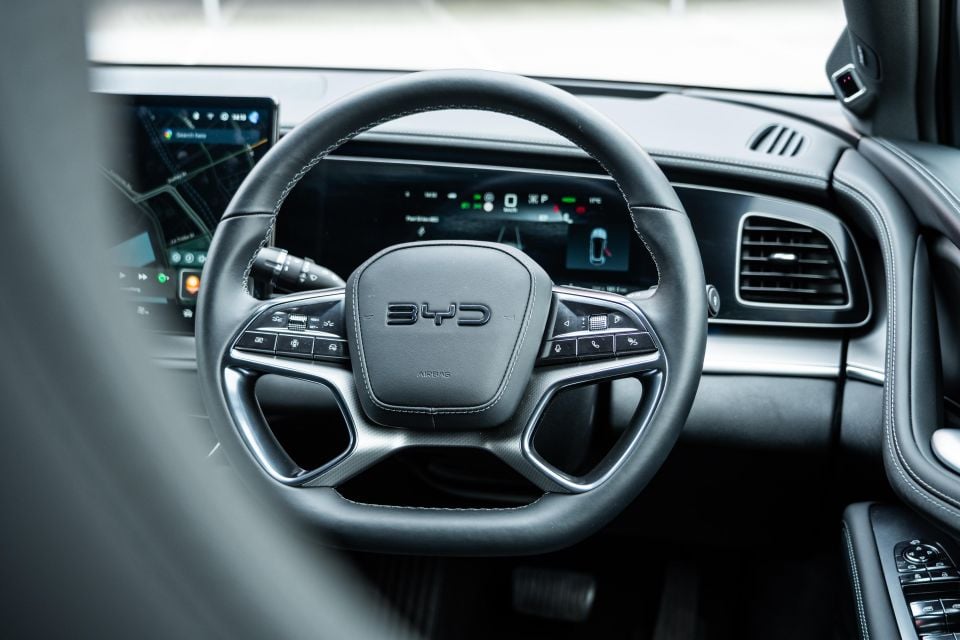
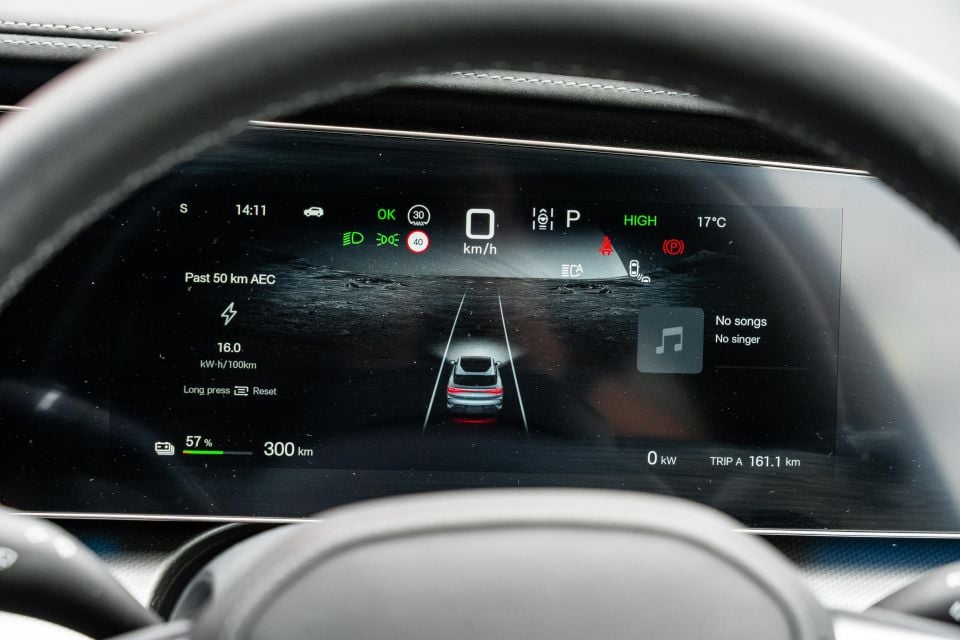
BYD has retained a 10.25-inch digital instrument cluster ahead of the driver, though it’s now cleanly integrated into the dashboard to the point where you barely see it when the vehicle is switched off.
While I applaud the Chinese brand for not going the Tesla route in relegating all the driving info to the central touchscreen, the lack of configurability and the large amounts of blank space aren’t to my tastes.
There are a couple of different layouts, including a driver assistance display as well as a map option, but personally I much prefer the digital displays offered by rival makes and models – namely the Europeans.
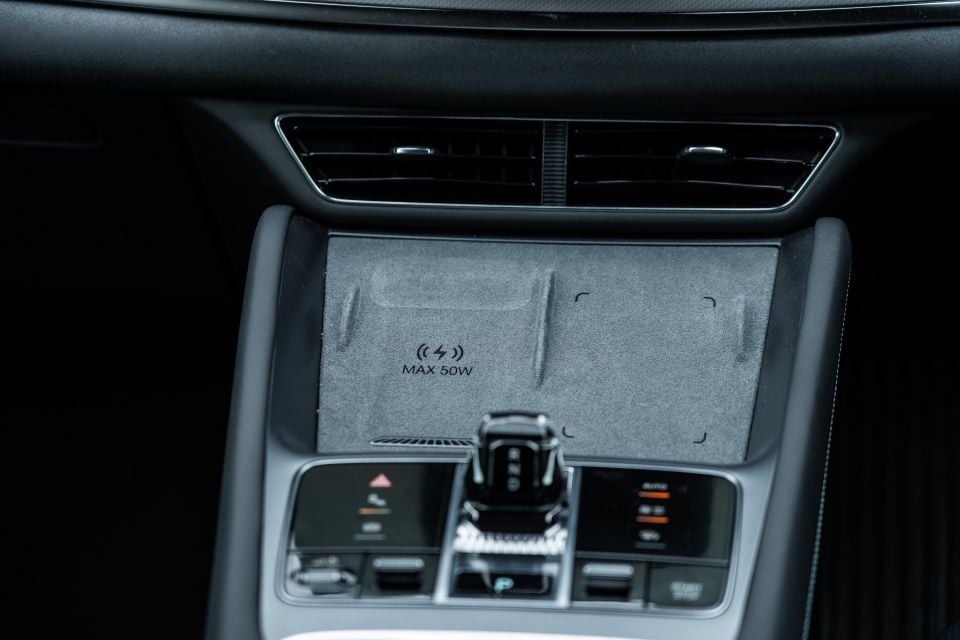
At least the multifunction controls on the steering wheel are physical, clearly labelled and relatively tactile, rather than being fiddly touch-capacitive units that are annoying to use on the move. Same goes for the console-mounted shift-by-wire selector, which almost looks like one of Volvo’s crystal glass units – much better than a stalk-type one.
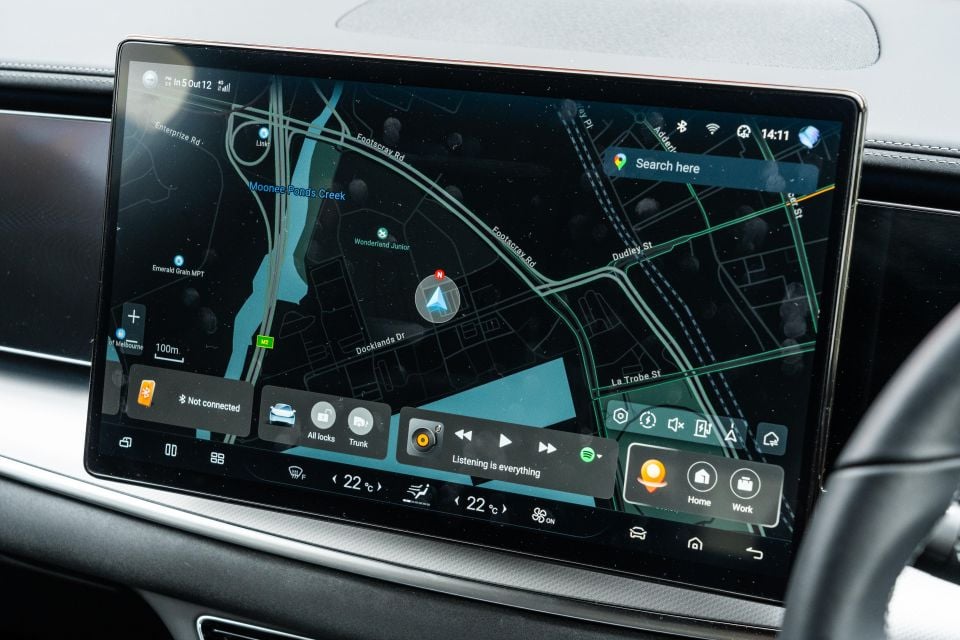
The massive 15.6-inch touchscreen takes centre stage, and it can rotate between landscape and portrait orientations, though if you’re using smartphone mirroring, you can only use the former.
Headline features include wireless Apple CarPlay and Android Auto, embedded navigation, Spotify integration, an intelligent voice assistant, and over-the-air software updates.
My user experience with the touchscreen was mostly fine, and my reliance on Apple CarPlay meant that was the focal point. While load times are snappy, and screen graphics and resolution sharp, I had several complaints about the audio quality of my microphone during phone calls, and often had issues using Siri integration.
The latter issue basically meant I couldn’t always dictate voice prompts or have messages read out to me. Seems like a small thing, but it’s really annoying when these are basic functions that should just work.
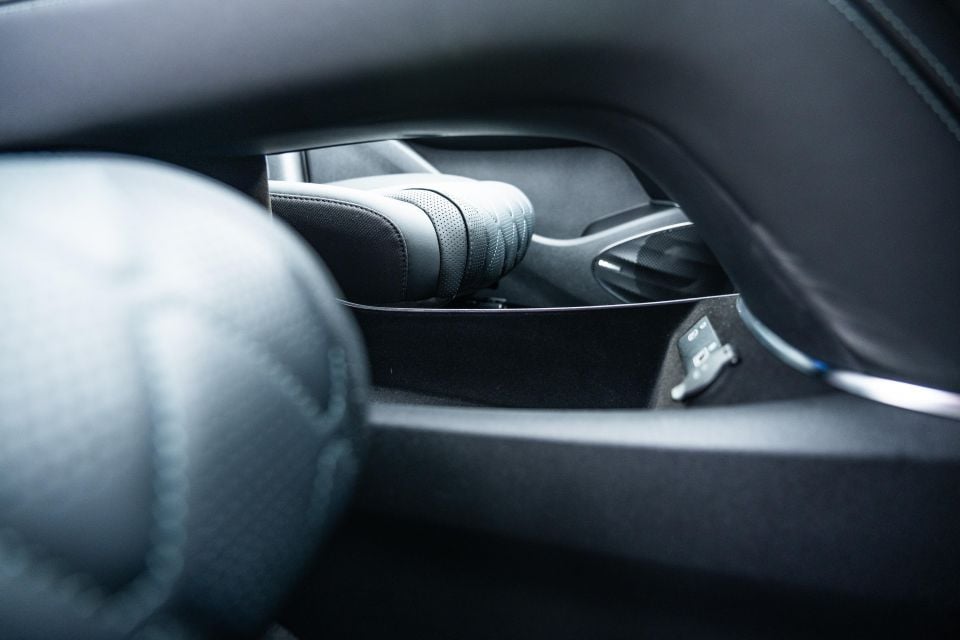
Storage is a less frustrating topic, with a nifty cubby housing USB and 12V power outlets underneath the bridge-type centre console, decent-sized door bins, and a cubby under the front-centre armrest.
I also appreciate the Tesla-style dual felt-lined phone holders ahead of the shifter, with one doubling up as a wireless phone charger with a cooling vent to prevent overheating.
While many vehicle controls – including HVAC – are embedded into the touchscreen, there are still physical buttons and toggles on the centre console for stuff like volume, drive modes and Auto Hold. The same can’t be said for an increasing amount of new cars, especially Chinese-branded ones.
Also worth noting is the solid 12-speaker Dynaudio sound system. It offers full, clear sound with good depth and bass which you can dial up to your liking – not bad for what is considered an ‘attainable’ car.
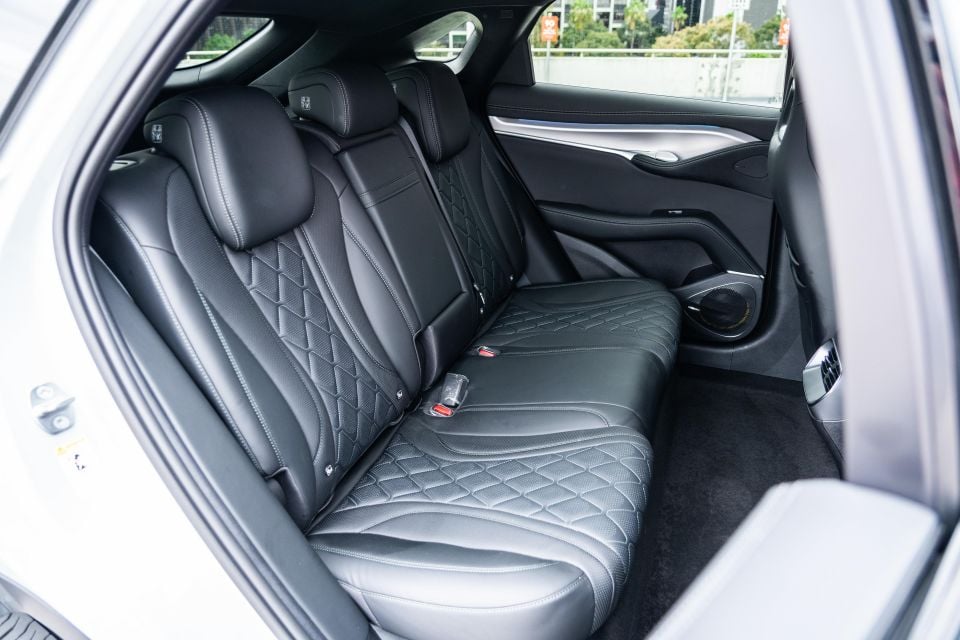
The rear seat is pretty big, which is fitting given the Sealion 7 is easily on the larger side of the ‘medium’ segment – at 4830mm long and 1925mm wide, it’s 230mm longer and 70mm wider than the Toyota RAV4.
At 6’1″, I had plenty of room behind my own preferred driving position, even with that sloping coupe-like roofline and high-ish (but flat) rear floor. Thankfully, the panoramic roof also doesn’t really eat into headroom too much.
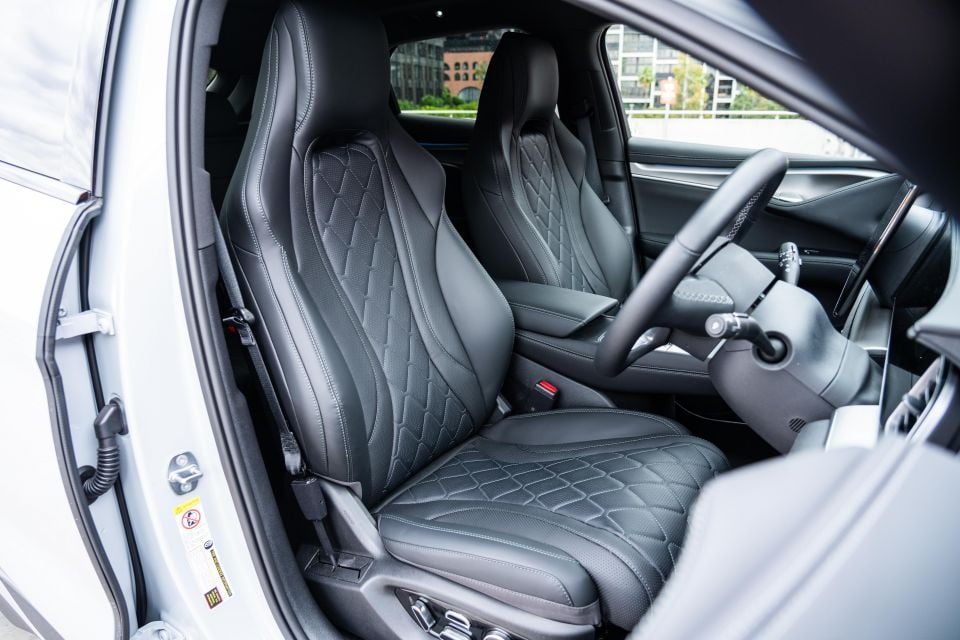
The quilted leather trim – which BYD says is genuine leather – in the front and rear covers seats that are comfortable and reasonably supportive, but their sporty and contoured design isn’t reflected in how they feel to sit in.
If anything, I often felt the front bucket-style units were a little lacking in bolstering, and the rear pews are similarly quite flat and at times slippery. Not a deal-breaker, but worth noting.
Otherwise, there’s good head, leg and knee room as mentioned earlier, and parents with young children can utilise the ISOFIX anchors on the outboard seats and/or the top-tether points behind all three.
You also get rear air vents, map pockets and bottle holders in the rear doors, and said rear doors retain the soft, leather-look surfacing you get up front – something that’s increasingly less common in mainstream cars.
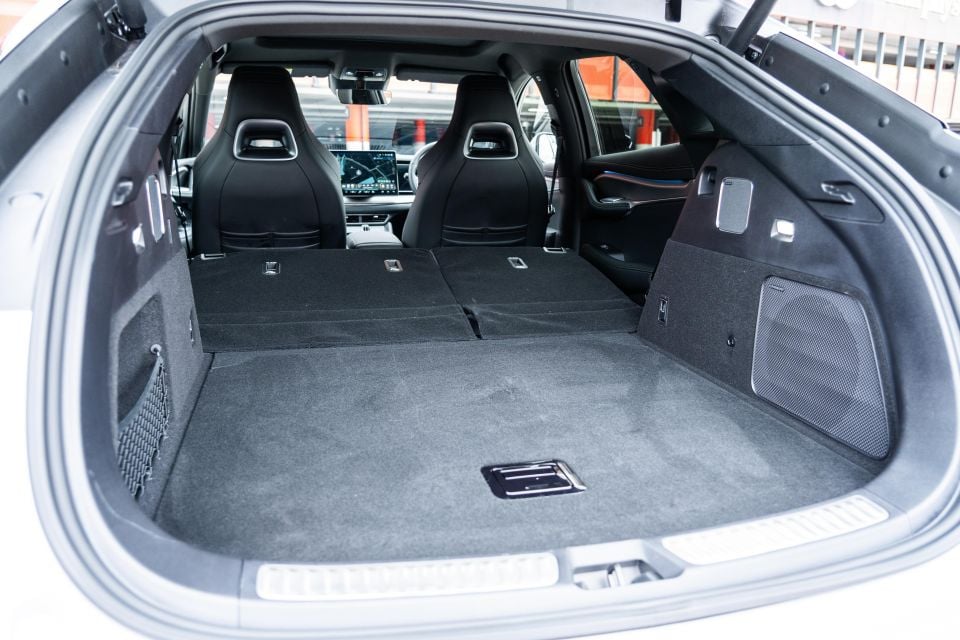
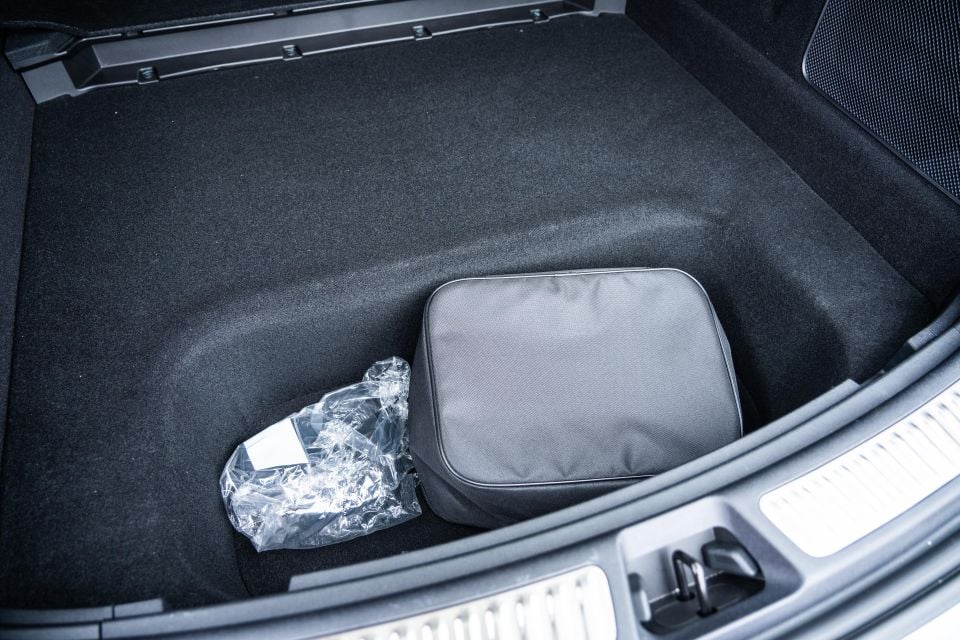
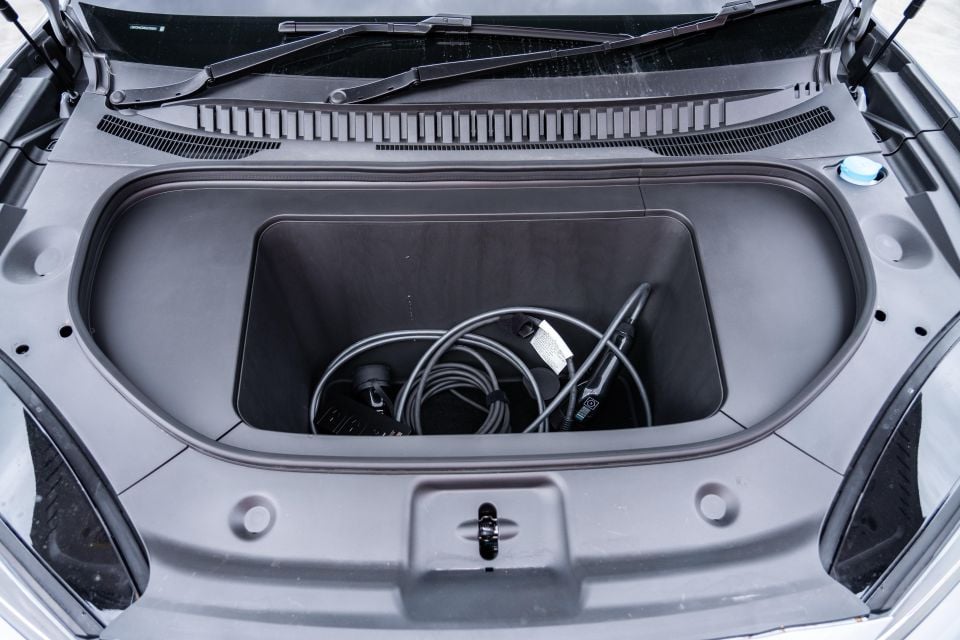
Further back, the Sealion 7 has a healthy 500-litre cargo area with an adjustable floor, with a lower area including a recessed cubby that is big enough to store charging cables, and the vehicle’s tyre repair kit.
BYD doesn’t quote cargo volume with the rear seats folded, but the space is nicely square and pretty flat. There’s a 58L ‘frunk’ under the bonnet, too.
| Dimensions | BYD Sealion 7 |
|---|---|
| Length | 4830mm |
| Width | 1925mm |
| Height | 1620mm |
| Wheelbase | 2930mm |
| Cargo capacity | 500L – rear 58L – front |
To see how the BYD Sealion 7 lines up against the competition, check out our comparison tool
The Sealion 7 Premium gets a single-motor rear-wheel drive electric powertrain, fed by an 82.56kWh ‘BYD Blade’ lithium iron phosphate battery.
| Specifications | Sealion 7 Premium |
|---|---|
| Drivetrain | Single-motor |
| Battery capacity | 82.56kWh |
| Battery type | Lithium iron phosphate |
| Power | 230kW |
| Torque | 380Nm |
| Drive type | Rear-wheel drive |
| Kerb weight | 2225kg |
| 0-100km/h (claimed) | 6.7 seconds |
| Energy consumption (claimed) | – |
| Energy consumption (as tested) | 16.5kWh/100km |
| Claimed range (WLTP) | 482km |
| Max AC charge rate | 11kW |
| Max DC charge rate | 150kW |
To see how the BYD Sealion 7 lines up against the competition, check out our comparison tool
With the Sealion 6’s soft and wallowy handling making it feel more like a walrus, I was hoping the Sealion 7’s sportier shape would also translate to a more dynamic drive.
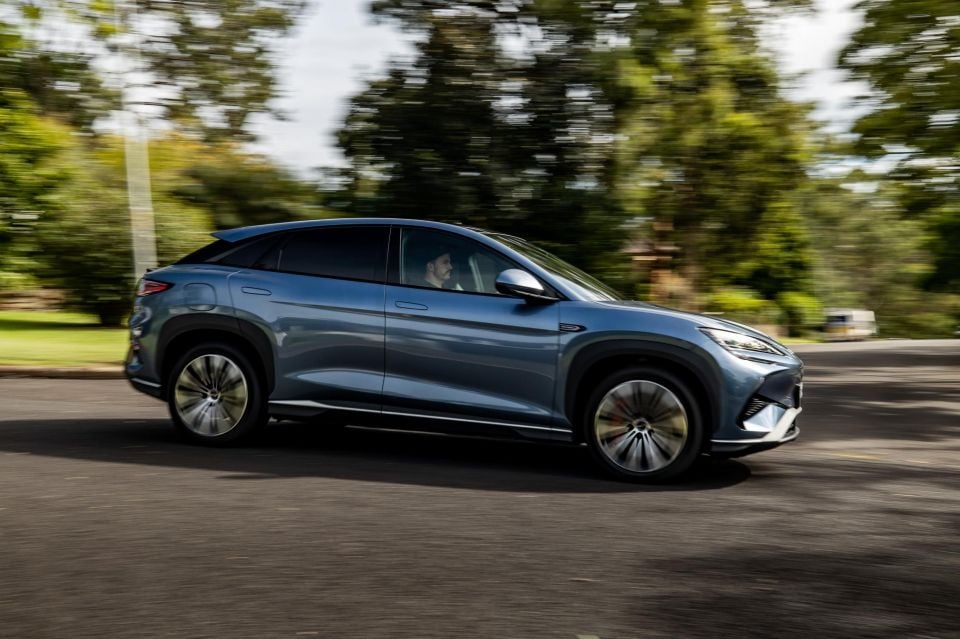
Pretty quickly, I realised the Sealion 7 – while not quite as soft as the Sealion 6 – follows the form of most Chinese vehicles in being tuned more for comfort and ease of use rather than driver engagement or dynamism.
Light steering, a fairly supple ride, and smooth acceleration are all positive traits for the daily grind, and play well into the Sealion 7’s target demographic – parents and their families.
That said, it’s lacking a bit in soul and character, feeling a bit generic in its driving behaviour with a light and assisted feel to all the driver controls – you can flick it into Sport mode for better response, but it doesn’t do all that much in the single-motor Premium.
Most of my time behind the wheel of the Sealion 7 was spent driving to and from the Melbourne CarExpert office in the Docklands from my residence in the eastern suburbs of Melbourne, mixing inner-city stints with about 18km of driving on the M3 Eastern Freeway – which is currently undergoing plenty of construction and roadworks.
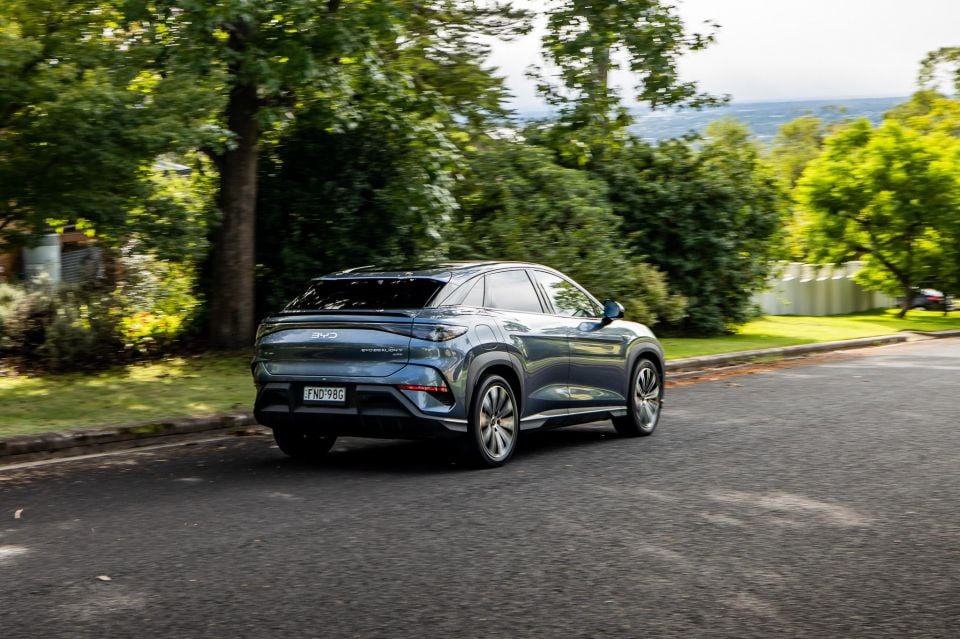
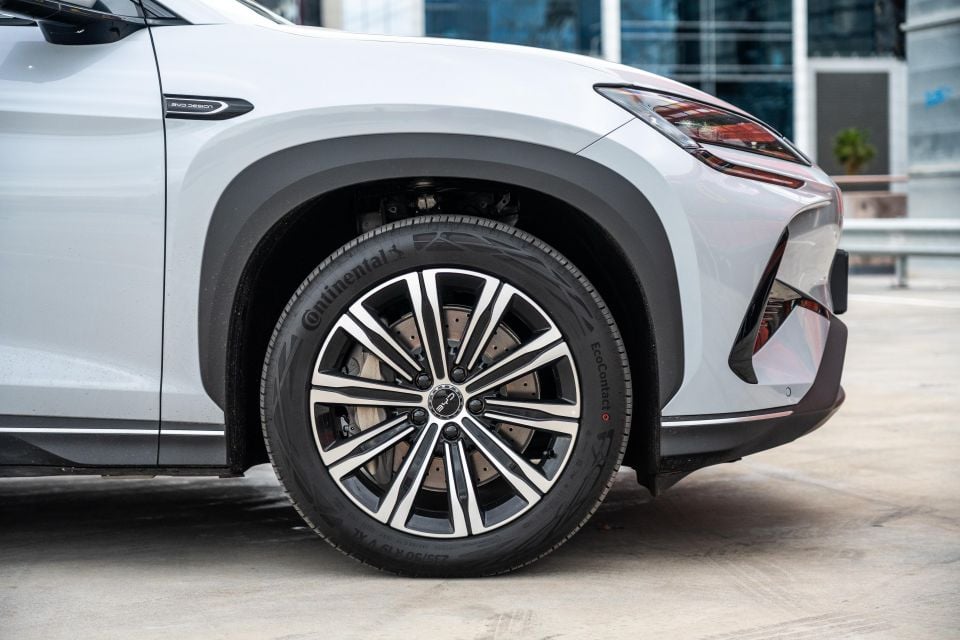
The Sealion 7 Premium’s smaller 19-inch wheels (with staggered 235/50 front and 255/45 rear Continental tyres) offer a more supple ride than the Performance with its 20-inch rolling stock, and there’s decent body control. But over sharper hits and turns the Sealion 7 can feel a little wobblier than I’d expect a vehicle that looks like this to.
Keeping in mind this thing weighs 2.2 tonnes, BYD has done a decent job of keeping the Sealion 7’s weight in check for general driving duties. Just don’t expect it to wow you or make you smile if you dial up the heat a little.
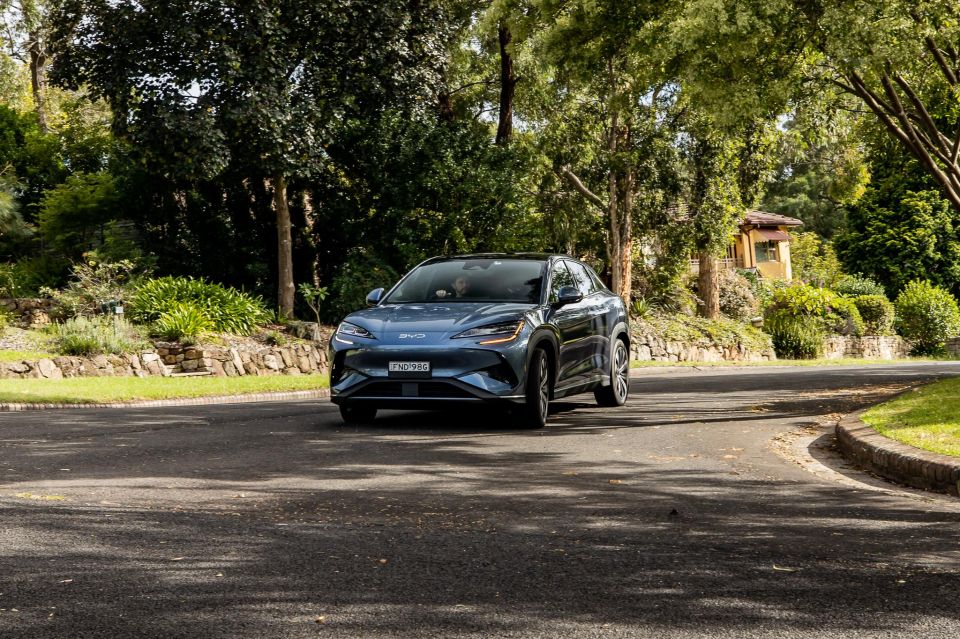
The steering feel is light and at times vague, and as mentioned earlier it is a little top-heavy in corners, with a body that can sometimes pogo or porpoise over successive bumps and undulations.
At least road and wind noise are nicely insulated, even over some of the broken, patchy surfaces that currently line numerous sections of the aforementioned M3 Freeway.
CarExpert brings together reviews, research tools and trusted buying support, guiding you from research to delivery with confidence.
Efficiency wasn’t too bad for such a large vehicle, either.
The Sealion 7’s trip computer displayed an indicated 16.5kWh/100km with its oddly short ‘last 50km’ readout following mixed driving, though it varied between that and the 18-19kWh mark depending on the driving conditions.
The Sealion 7 Premium’s claimed 482km of WLTP-certified driving range would be achievable at that 16.5kWh/100km consumption rate, but we were seeing closer to 400km at the 18kWh/100km rate. Given Melbourne’s generally cold and wet conditions at the time, that’s not too bad, though plenty of rivals can do better.
BYD’s calibration of driver assistance systems is pretty good, especially relative to other Chinese brands, and it’s the same here in the Sealion 7 – with some caveats.
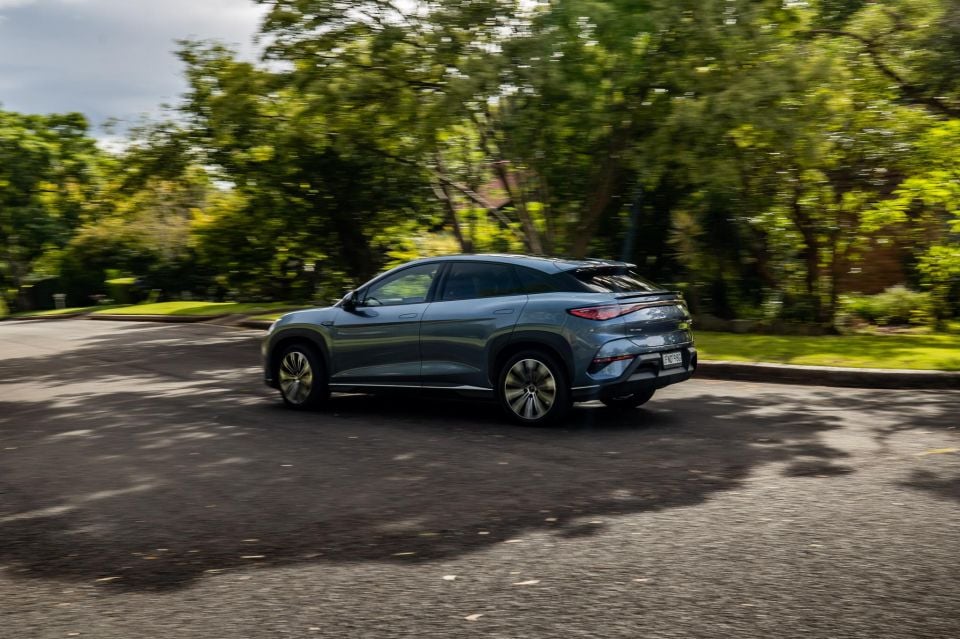
The adaptive cruise control generally works fine, but there’s a female voice that shouts at you to confirm it’s on when you turn it on, and again occasionally when you turn it off – which sometimes causes phone calls to disconnect.
Active lane centring actually works, unlike my experience in a lot of Chery and Omoda-Jaecoo products, though there are various annoying bings and bongs for the speed limit warning and driver attention monitoring, which will grate.
Most of these are easily toggled via buttons on the steering wheel, though a few are buried in the touchscreen, which requires a few presses through sub-menus.
One big plus is the BYD’s standard surround camera system, which offers crisp vision of the vehicle’s surroundings and a trick 3D panoramic view to ensure you’re not scuffing wheels and bumpers.
To see how the BYD Sealion 7 lines up against the competition, check out our comparison tool
The Premium may be the ‘base’ Sealion 7, but it comes pretty comprehensively equipped.
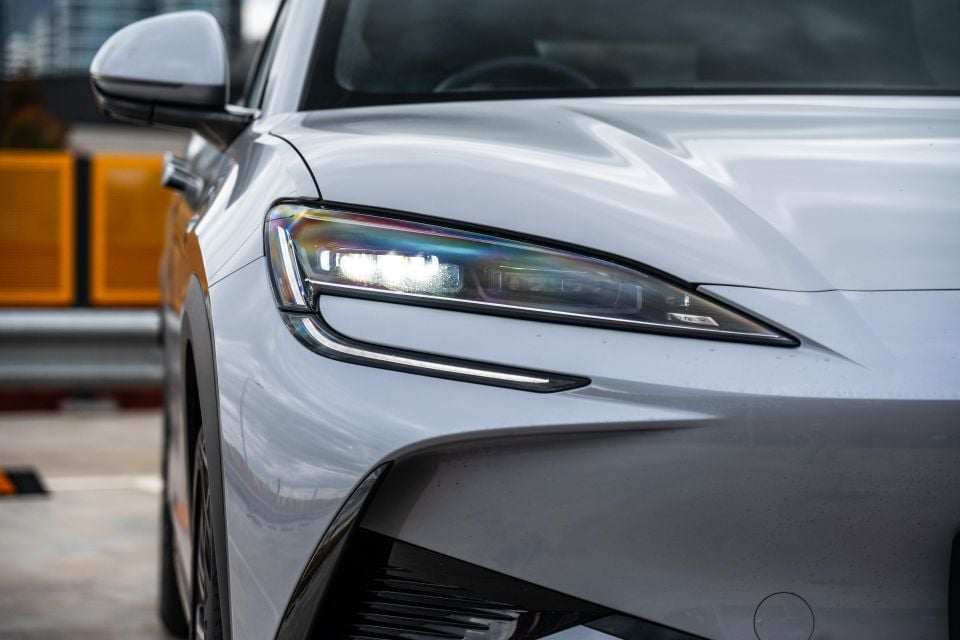
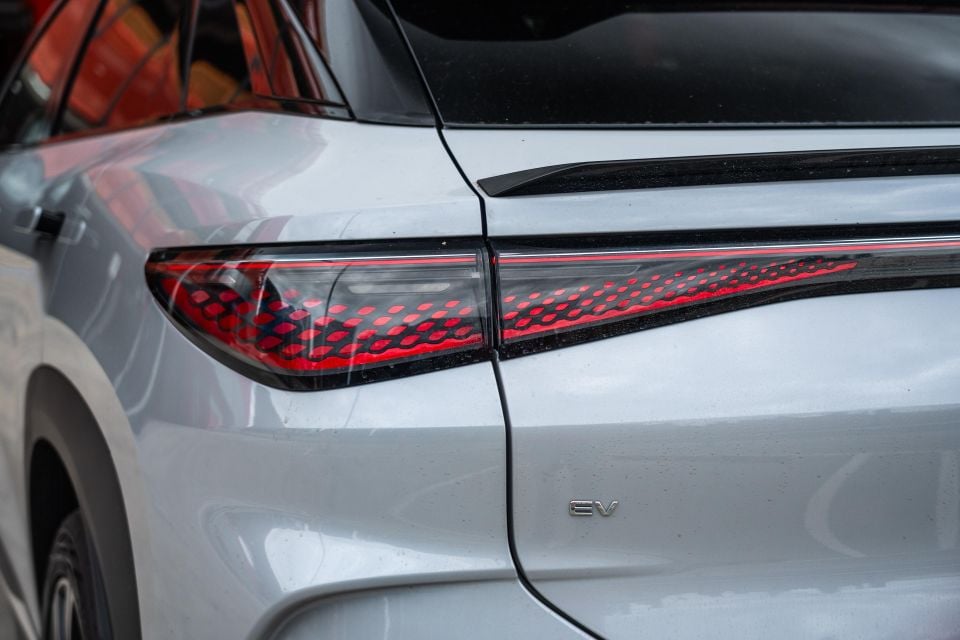
2026 BYD Sealion 7 Premium equipment highlights:
The Performance adds:
To see how the BYD Sealion 7 lines up against the competition, check out our comparison tool
The BYD Sealion 7 received the maximum five-star ANCAP safety rating under 2025 testing criteria.
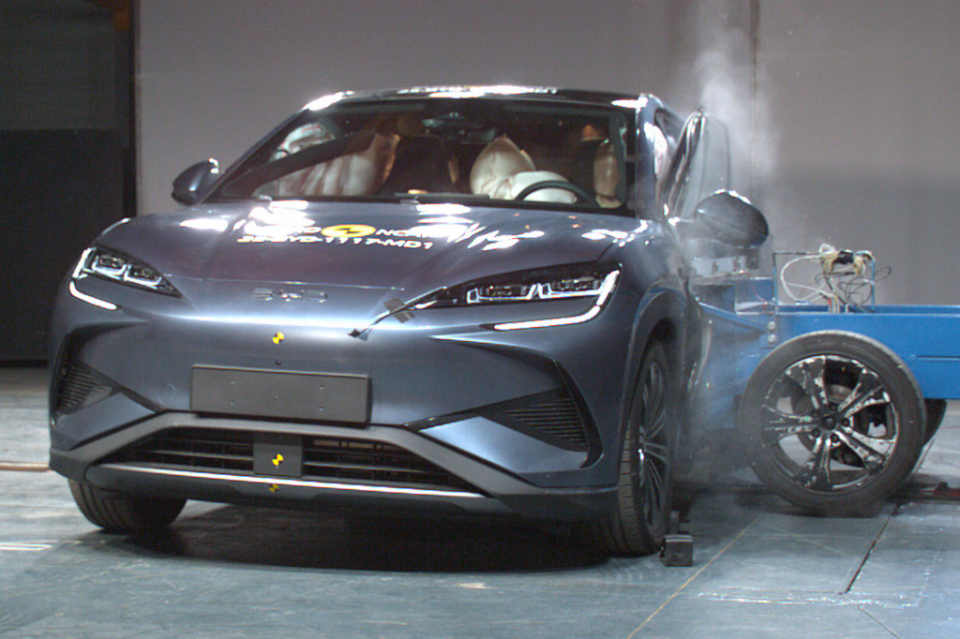
| Category | BYD Sealion 7 |
|---|---|
| Adult occupant protection | 87 per cent |
| Child occupant protection | 93 per cent |
| Vulnerable road user protection | 76 per cent |
| Safety assist | 78 per cent |
Standard safety equipment includes:
To see how the BYD Sealion 7 lines up against the competition, check out our comparison tool
BYD offers a six-year/150,000km bumper-to-bumper warranty, while the BYD Blade battery pack is covered for eight years or 160,000km.
| Servicing and Warranty | BYD Sealion 7 |
|---|---|
| Vehicle warranty | 6 years, 150,000km |
| High-voltage battery warranty | 8 years, 160,000km |
| Roadside assistance | 12 months complimentary, then service-activated |
| Service intervals | 12 months, 20,000km |
| Capped-price servicing | 10 years |
| Total capped-price servicing cost | $4538 |
To see how the BYD Sealion 7 lines up against the competition, check out our comparison tool
The base Sealion 7 does a lot of things well enough to justify its strong sales performance, and I don’t think I’d be dropping an extra nine grand for the faster one.
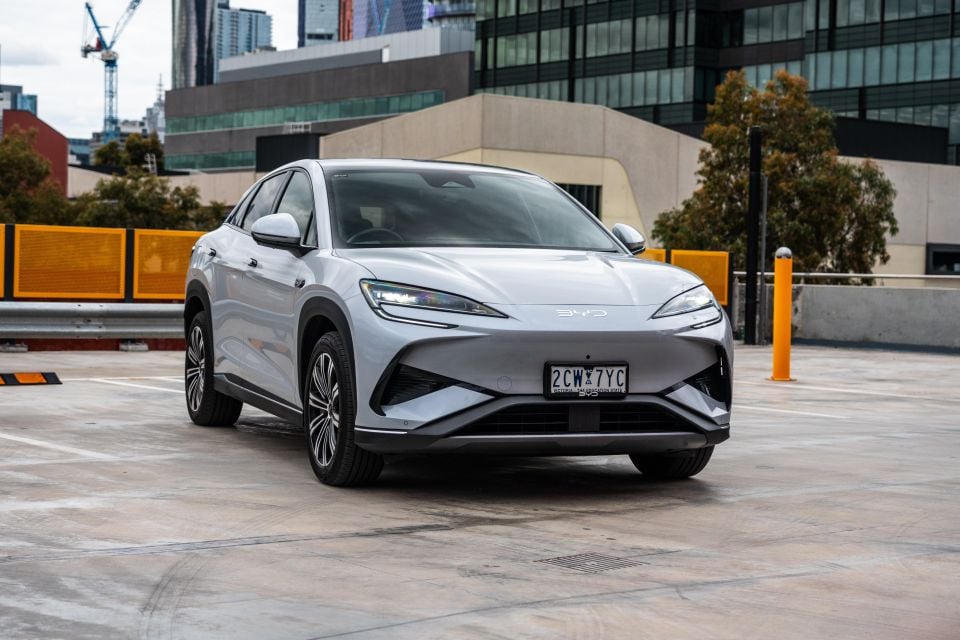
It goes hard on value and looks, with a lot of gloss and sparkle in the areas that matter for customers looking to maximise their return on investment in the form of screens, trimmings and creature comfort.
The driving experience is again ‘just fine’ for the sort of daily commuting most buyers will be using it for, but while it does everything well enough, it’s hardly a standout in the way the much cheaper Seal sedan is.
Not helped by the fact there are a lot more rivals in the SUV space, the Sealion 7 is facing increasingly stiff competition from all corners of the globe, many of which offer better tech, a better drive, or a mixture of both.
While the BYD is a solid option in this segment, the base Model Y bests it in many areas, and I’d also be intrigued by sharply priced entry versions of the Skoda Enyaq and the upcoming Toyota bZ4X facelift if I were shopping in this segment.
CarExpert can save you thousands on a new BYD Sealion 7. Click here to get a great deal.
Click the images for the full gallery
CarExpert brings together reviews, research tools and trusted buying support, guiding you from research to delivery with confidence.
Quickly see how this car stacks up against its competition. Select any benchmark to see more details.
BYD Sealion 7
BYD Sealion 7 Sales rolling 12-months#
*Based on VFACTS and EVC data
Looking for complete BYD Sealion 7 price history?
Our BYD Sealion 7 Pricing Page shows exactly how prices have changed over time.
2025
$59,857
2025
$69,307
James Wong is an automotive journalist and former PR consultant, recognised among Australia’s most prolific motoring writers.
Add CarExpert as a Preferred Source on Google so your search results prioritise writing by actual experts, not AI.
William Stopford
11 Hours Ago
William Stopford
11 Hours Ago

Damion Smy
12 Hours Ago
Damion Smy
13 Hours Ago

Marton Pettendy
16 Hours Ago
Damion Smy
16 Hours Ago
Add CarExpert as a Preferred Source on Google so your search results prioritise writing by actual experts, not AI.
# Based on VFACTS and EVC data
† Displayed prices are based on the drive-away price of the vehicle, which includes delivery charges, registration fees, number plates, and applicable road taxes, based on a Sydney location. However, prices may vary between states and territories, and additional costs such as compulsory third party (CTP) insurance, dealer delivery fees, and optional extras are not included. These prices are subject to change without notice and may not reflect current market pricing or dealer offers.
 Automotive Vehicle Spec Data & 4K images Powered by JATO Dynamics Ltd