 Car News
 CarExpert Podcast
 Car Reviews
 Owner Car Reviews
 Car Comparisons
 Showroom
 Car Chooser
 Car Specifications


William Stopford
Hyundai Kona, Tucson, Santa Fe, Palisade, Ioniq 9 and Sonata recalled
Hyundai is recalling 3445 of its vehicles produced in 2025 for an instrument cluster fault, but it can be resolved with an over-the-air update.
2 Days Ago

Managing Editor
Hyundai has increased prices for its smallest and most affordable electric vehicle (EV), following a surge in demand across its EV range.
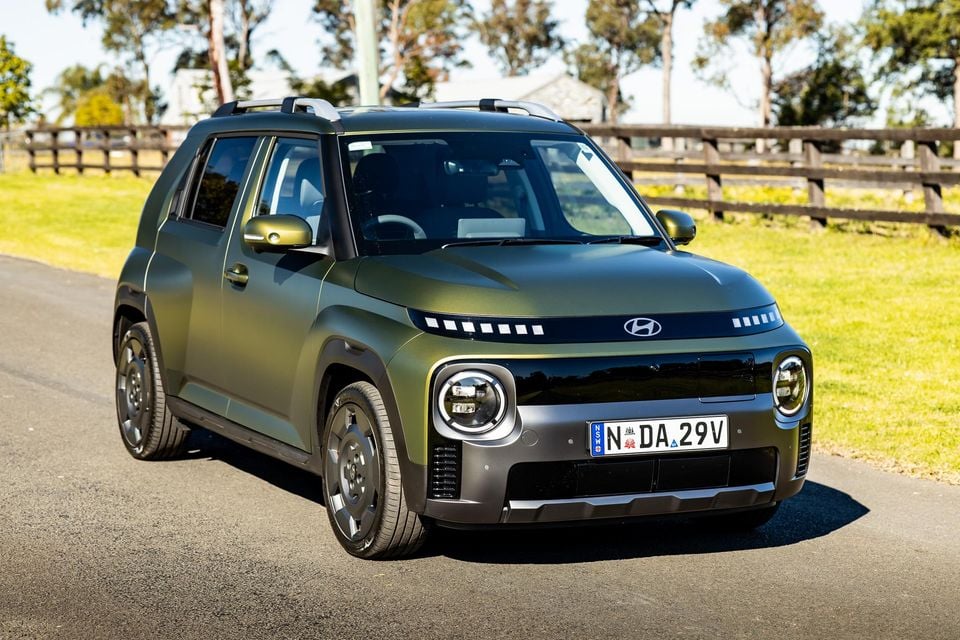
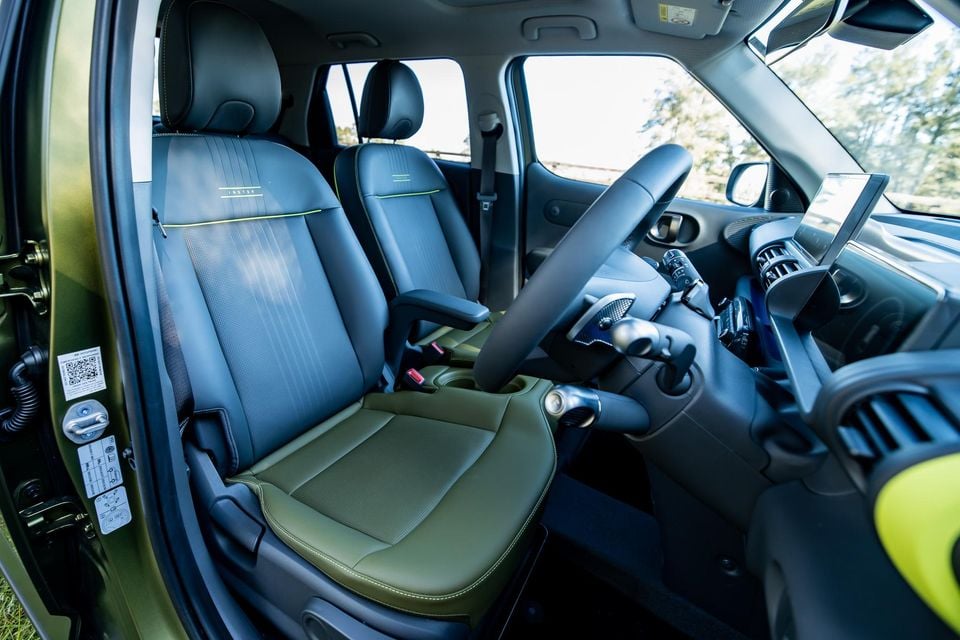
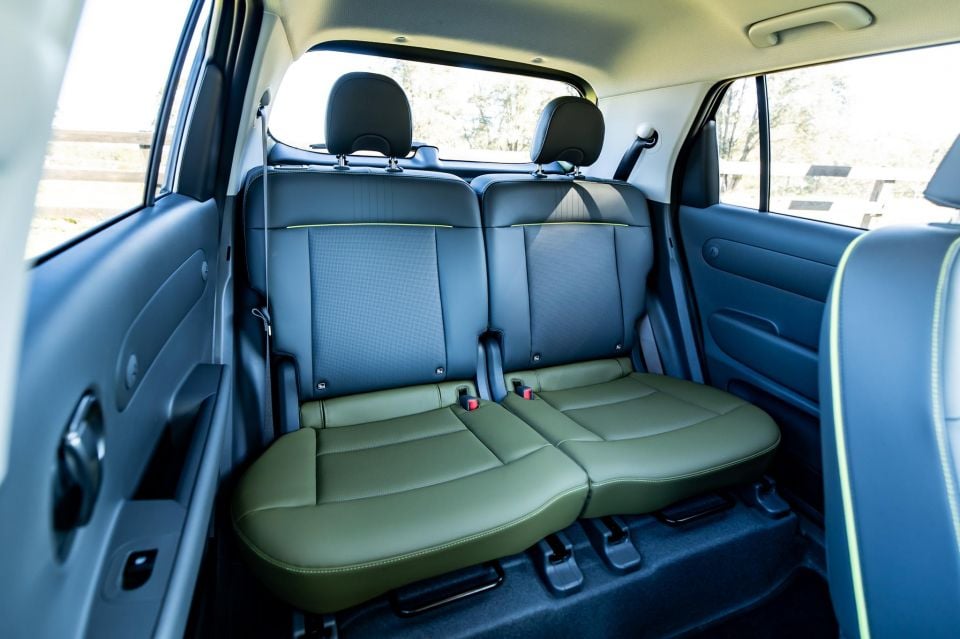
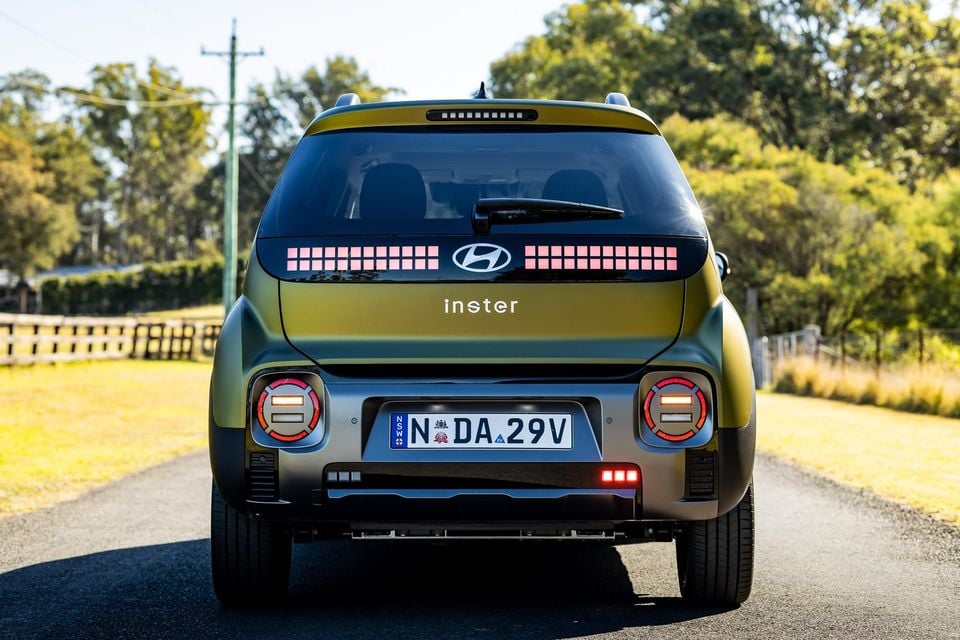
The pint-size four-seat Hyundai Inster electric hatch – officially classed as a light SUV – was launched in Australia in April 2025 with a starting price of $39,000 plus on-road costs, before the entry-level 42kWh Standard Range version was offered from $39,990 drive-away and then $35,990 drive-away, the latter marking a $6125 saving for Victorian buyers.
Since then, several newly released EV rivals have undercut that price, including the BYD Atto 1 light hatch (from $23,990 before on-roads) and the BYD Atto 2 small SUV (from $31,990 plus ORCs).
Now, according to a bulletin to Victorian dealers obtained by CarExpert, Hyundai has upped the base drive-away price of the Inster by $3000, to $38,990 drive-away, marking a more modest $3046 bonus for customers in the southern state.
CarExpert can save you thousands on a new car. Click here to get a great deal.
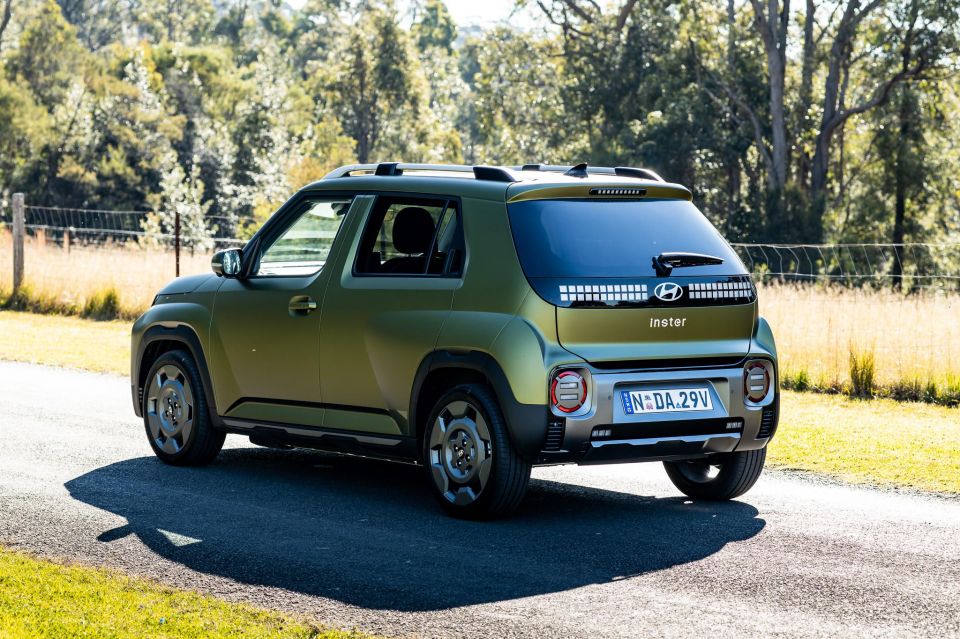
Manufacturer’s list prices (MLPs, excluding on-road costs) remain unchanged across the Inster range, including the 49kWh Extended Range variant ($42,500 plus ORCs) and the 49kWh Inster Cross ($45,000 plus ORCs), for which drive-away prices have not been offered.
The Inster’s higher base drive-away price, which isn’t accompanied by any specification upgrades, applies to private and business customers of vehicles built from April 1 and delivered before June 30, 2026.
Hyundai’s move to increase the Inster’s drive-away starting price follows a dramatic uplift in demand for EVs in Australia – including Hyundais – amid soaring fuel prices due to conflict in the Middle East.
A Hyundai Australia spokesperson told CarExpert the removal of “incentive support” for the entry-level Inster follows higher than expected demand, which has exhausted existing stocks.
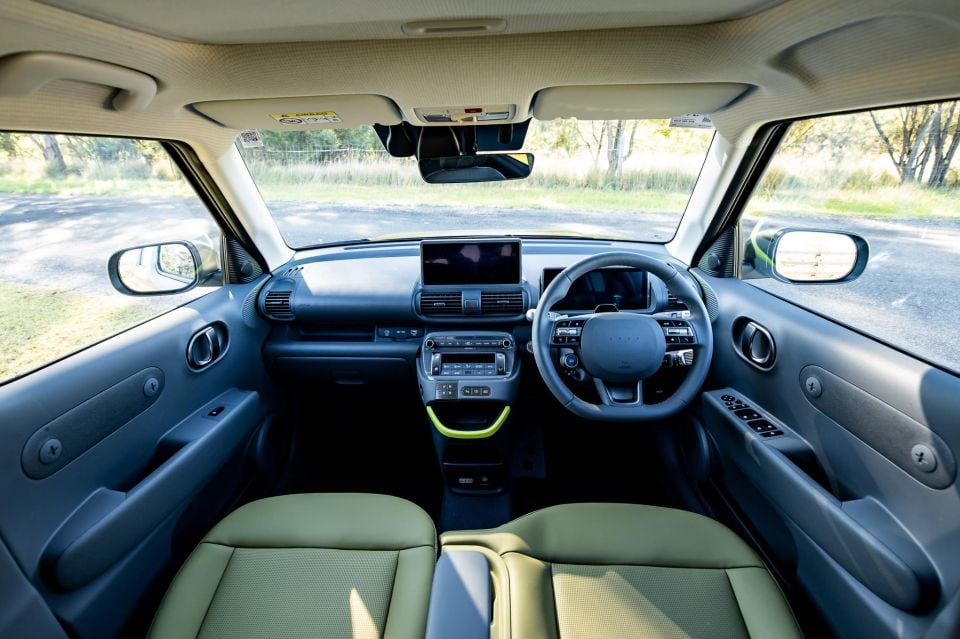
“Due to the recent surge in EV demand, we have cleared through this aged stock quicker than anticipated,” he said.
“In order to provide clarity for customers, any new factory orders will be available at $38,990 drive-away, which still represents a significant saving for our customers.”
In its 12 months on sale in Australia, the Inster has notched up 677 sales – 467 since April 2025, and 210 so far in 2026, including 122 in March.
Hyundai Australia says orders for its EVs – including the Inster, the Kona Electric small SUV, the Ioniq 5 and new Elexio mid-size SUVs, the Ioniq 9 large SUV and the Ioniq 6 sedan – had skyrocketed by 355 per cent last month, from 228 in February to 1037 in March.
EVs now account for 20 per cent of all Hyundai orders, compared to less than three per cent before March 2026, and the spike in EV demand has led Hyundai Australia to secure more stock for its dealers to ensure short or no waiting times for customers.
“We are planning for a 70 per cent increase in EV orders for the second quarter [April-June] over Q1 [January-March],” said Hyundai Motor Company Australia sales director David Rodda in a statement last week.
Hyundai says it has therefore secured a 158 per cent increase in supply of EVs for the second quarter, including 1265 Kona Electric vehicles (up 315 per cent over Q1), 1180 Elexios (up 57 per cent), 255 Insters (up 204 per cent) and 150 Ioniq 5s (up 56 per cent).
“We are confident in securing equally strong support from the factory for the rest of the year,” said Mr Rodda.
Hyundai also offers an extensive hybrid range and posted a 30 per cent increase in hybrid vehicle orders from February to March, with 57 per cent of March orders being hybrids, which it said is its highest share yet.
More broadly, Australian EV deliveries increased by 88.9 per cent year-on-year in March, when they claimed a record 14.6 per cent market share.
Last month, record petrol prices saw hybrid, plug-in hybrid and EV sales overtake those of petrol cars in Australia for the first time, with the Tesla Model Y remaining the nation’s top-selling EV but becoming the third-most popular model overall.
Most notably, hybrid and EV brand BYD leapfrogged Hyundai to post its highest-ever ranking of third in March, behind Toyota and second-placed Kia, after placing sixth in February behind Hyundai.
BYD tripled its usual shipment of vehicles to Australia with a 30,000-unit order to keep up with increasing demand through to the end of June 2026.
The Kona Electric was Hyundai’s best-selling EV in the first three months of this year with 366 sales, including 236 in March alone, although it still trails the 563 it had sold at the same point in 2025.
Hyundai will further bolster its EV lineup in early 2027 with the addition of the all-new Ioniq 3, a small electric hatch to rival the MG 4.
The Korean brand’s smallest Ioniq-badged model yet rides on a 400-volt version of the E-GMP architecture employed by the larger Ioniq 5, much like the slightly larger Kia EV3, and will be built in Türkiye.
“Our existing EV lineup already covers 85 per cent of the market, and with the introduction of the Staria Commercial Van later this year and Ioniq 3 hatch early next year, we expect to reach 96 per cent overall EV market coverage,” said Mr Rodda.
| Model | Price before on-road costs | Drive-away price |
|---|---|---|
| 2026 Hyundai Inster 42kWh Standard Range | $39,000 | $38,990 |
| 2026 Hyundai Inster 49kW Extended Range | $42,500 | |
| 2026 Hyundai Inster Cross 49kW | $45,000 |
Go deeper on the cars in our Showroom, compare your options, or see what a great deal looks like with help from our New Car Specialists.
Marton Pettendy is a veteran motoring journalist and editor with decades of experience across Australia’s leading automotive titles.
William Stopford
2 Days Ago
William Stopford
3 Days Ago

CarExpert
5 Days Ago

Max Davies
6 Days Ago
William Stopford
6 Days Ago

Damion Smy
8 Days Ago
Add CarExpert as a Preferred Source on Google so your search results prioritise writing by actual experts, not AI.