 Car News
 CarExpert Podcast
 Car Reviews
 Owner Car Reviews
 Car Comparisons
 Showroom
 Car Chooser
 Car Specifications


Matt Campbell
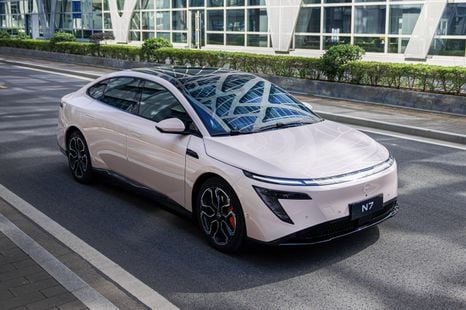
2026 Nissan N7 review: Quick drive
Should Nissan revive its presence in Australia's sedan market with the fully electric N7?
2 Hours Ago

Deputy News Editor
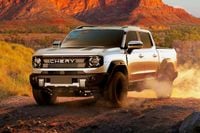
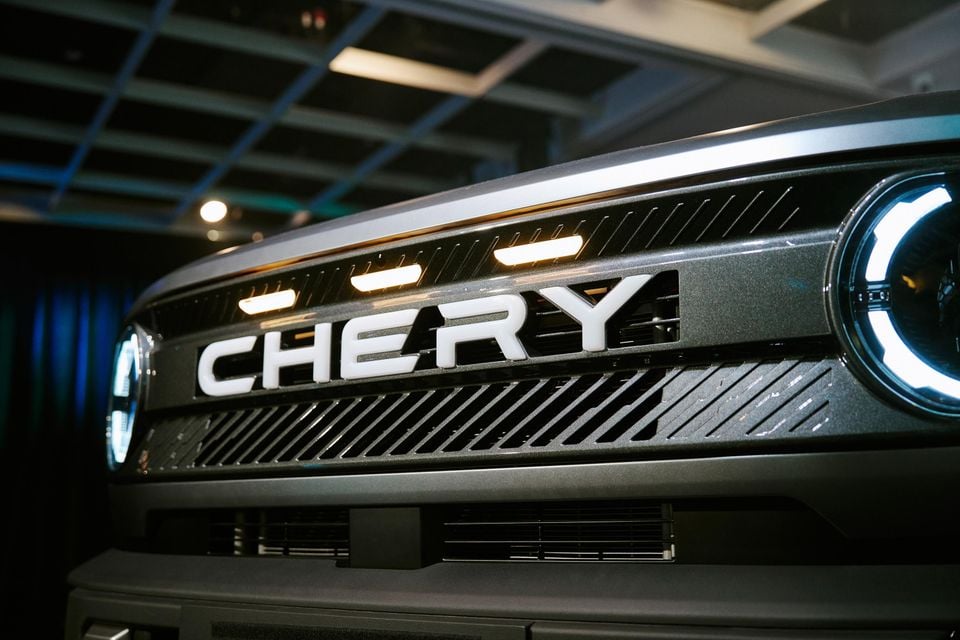
Chery’s new dual-cab ute, revealed as a Ford Ranger PHEV and BYD Shark 6 rival, will benefit from significant local testing and development ahead of its scheduled Australian on-sale date later this year.
Officially codenamed ‘KP31’, the Chery dual-cab ute will run an unusual diesel plug-in hybrid powertrain – the only ute powered by such a setup – with its development program including local testing and development for Australian showroom versions.
The Australian tune could set the template for other markets around the world, according to Chery’s Chief Engineer for International Programs, Peter Matkin.
CarExpert can save you thousands on a new car. Click here to get a great deal.
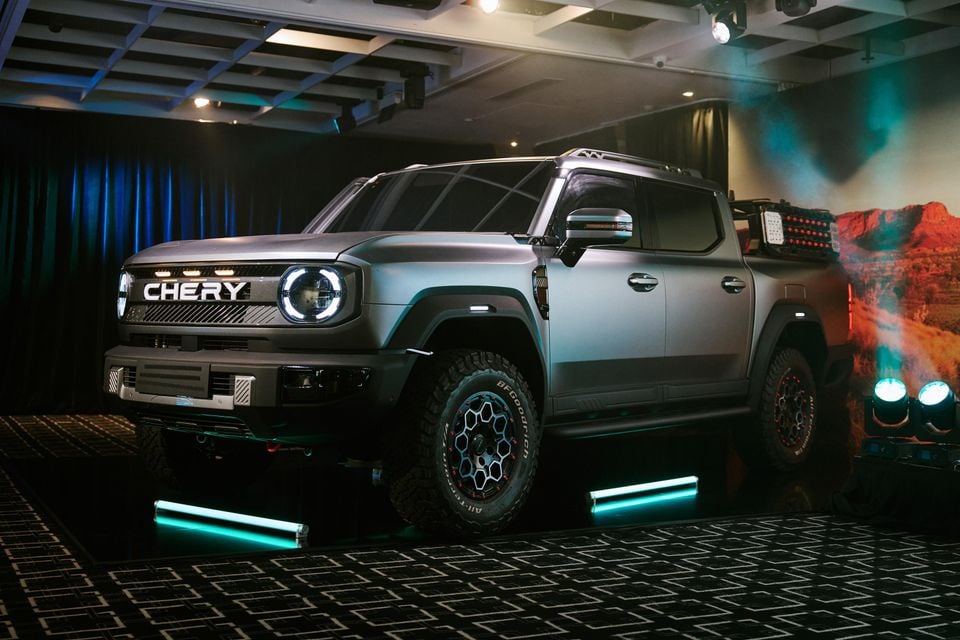
Mr Matkin told CarExpert the Australian KP31 “will definitely have some adaptation to support this market, including testing and so on – no doubt”.
Chery’s chief global engineer has visited Australia, said Mr Matkin, to understand the popularity of the dual-cab ute locally and to evaluate the capability of competitors with plug-in powertrains such as the Ranger, Shark 6 and GWM Cannon Alpha.
“It [the local development] definitely has that capability, then, to go to markets like South Africa, some markets in South America,” Mr Matkin told CarExpert.
“When you look at this car and how some of these rugged looking cars get a lot of attention overseas, I can see this doing very well in Europe, as well.”
Local development has been ongoing, feeding into Chery’s Chinese headquarters as the automaker looks to bring a solid competitor to the hotly contested ute battlefield. Engineers from the top of the company have been to Australia to experience the demands of our roads – and dual-cab ute buyers – led by local teams.
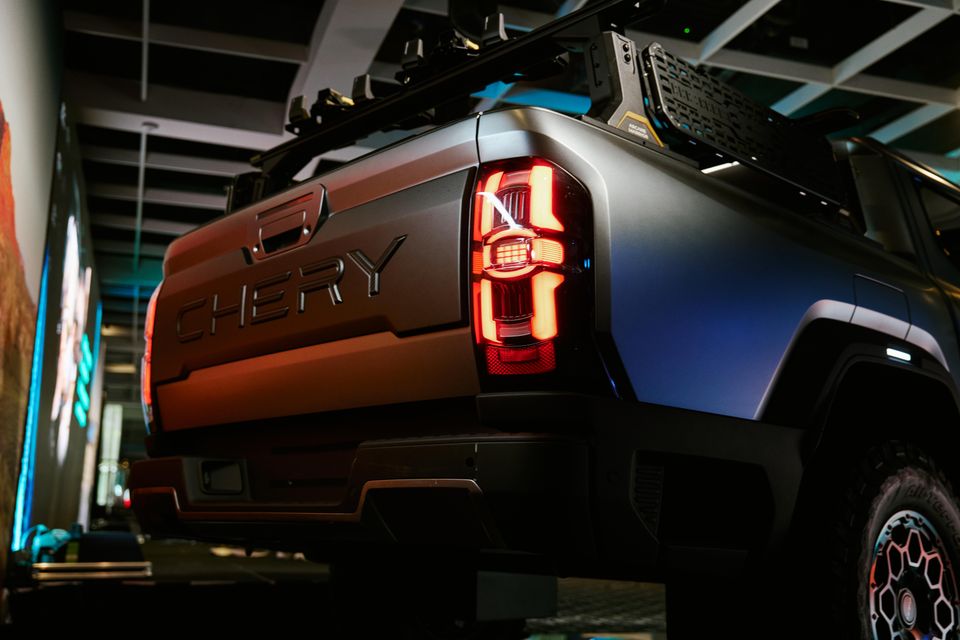
“They took them out in different competitors, driving the mountains, driving through the mud, on the beach, showing how people are equipping the cars, what accessories they’re putting on,” Mr Matkin said.
“Since then there’s been a lot of dialogue on what type of wheel nut configuration do you need; what type of wheel offset, what type of suspension do you need – so there’s been a lot of dialogue with Tim [Kreiger, lead public relations] and the team here, asking what do you want for this market for this car?”
The local tuning seems somewhat of a given, as rivals including the best-selling Ranger benefit from Australian development. The new Nissan Navara, too, has a unique suspension tune developed here by Melbourne-based Premcar.
Not far from Premcar in Melbourne, Walkinshaw Automotive converts the Toyota Tundra, Ram 1500/2500/3500 and Chevrolet Silverado full-size pickups to local spec, and is exploring more opportunities to collaborate with automakers on local vehicles.
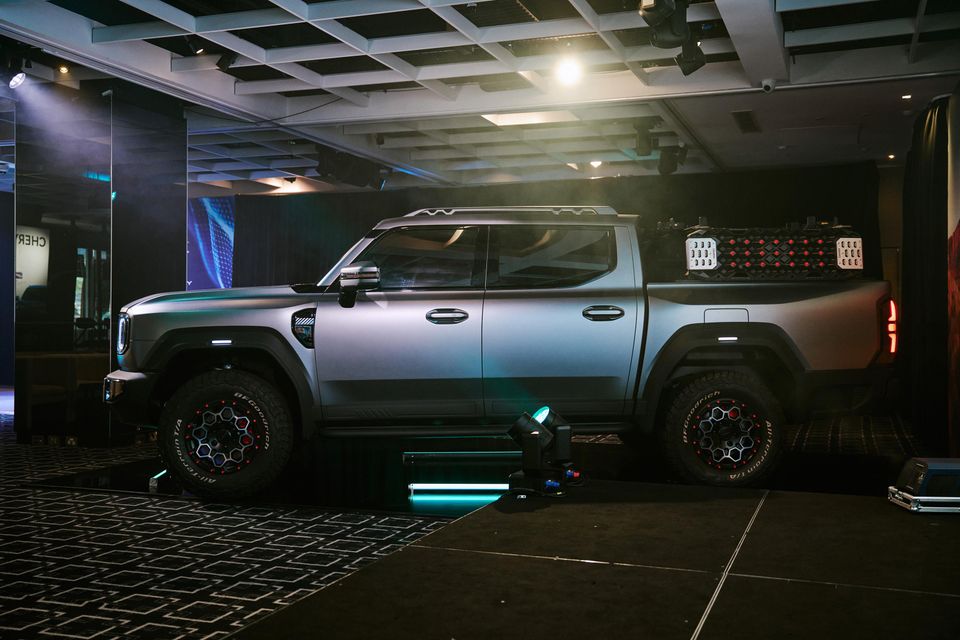
Some popular models, such as the Shark 6, remain successful without any local tuning. Mr Matkin, however, said Chery sees local changes are necessary – especially in a ute.
“The infrastructure in China – because it’s so new … We don’t go over mountains in China, we go through them; we don’t go down in the valley, we go across it; and even in the countryside, there’s no twisty roads to go, you know and bypass – they just go as a grid system and it’s straight,” he explained.
“There’s speed cameras everywhere, so people are only doing 30 or 40 [km/h], whereas in these markets and Europe, we might be doing 100km/h on the country lanes, and it’s twisty and it’s uphill.”
“So, all of these different market requirements for brakes, for vehicle dynamics or NVH [noise, vibration and harshness] at higher speeds – we’re cascading those to headquarters for each program, and then we’re looking now to do more actual localisation here.”
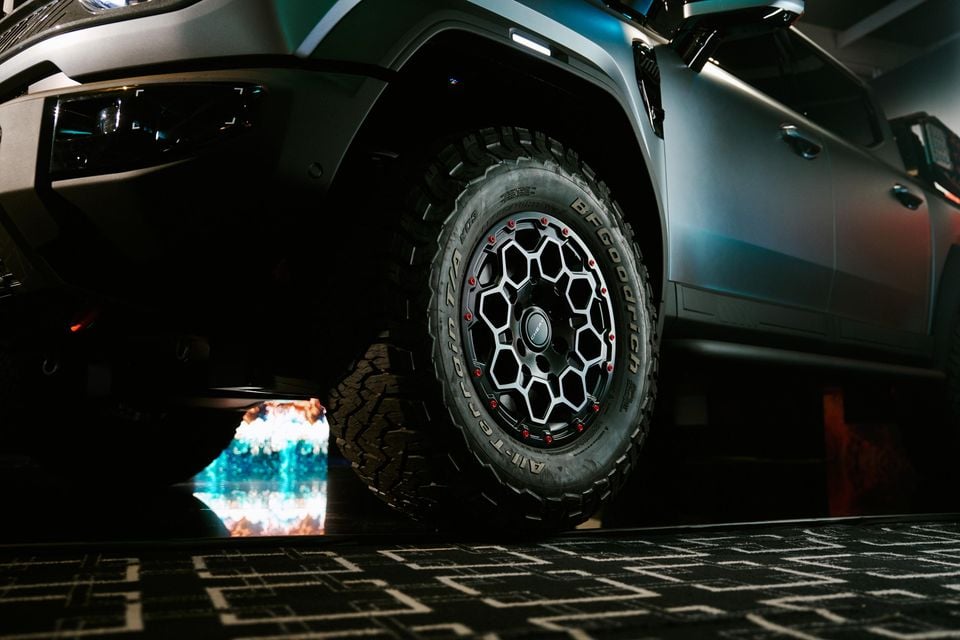
“There are some unique elements in each market, so what we’re trying to do is create a more modular design so that you can have the Chinese specification with their requirements.
“The brakes, for example, as you know, the speeds are much lower, the NVH requirements are a little bit different, and as I said, they don’t go up and down hills, so brake fade requirements are totally different in China to these other markets.
“So having to fit – you know, you can have the same brake rotor [also known as a ‘disc’], we can have the same caliper, but the pads need to be different. They need to have more metallic content, otherwise, when you’re towing a trailer when you’re going up or downhill, your brakes will overheat.”
Testing in Europe has included the famous Grossglockner Pass in Austria, a 48km road with 36 tightly wound hairpins.
“We took the China specification, and we took a car with a trailer on the back – 1500kg trailer – and the pads just melted onto the disc. So, you can share this information with headquarters, and then they get it,” he explained.
The KP31 is set to offer 1000kg of payload, a braked towing capacity of 3500kg, and up to 170km of electric range from its 2.5-litre turbo-diesel plug-in hybrid powertrain.
It’ll be offered with front, centre and rear locking differentials, plus selectable low-range gearing and various off-road modes.
A petrol plug-in hybrid powertrain is set to follow in 2027.
Go deeper on the cars in our Showroom, compare your options, or see what a great deal looks like with help from our New Car Specialists.
Damion Smy is an award-winning motoring journalist with global editorial experience at Car, Auto Express, and Wheels.
Matt Campbell
2 Hours Ago
Damion Smy
5 Hours Ago

William Stopford
10 Hours Ago

James Wong
10 Hours Ago
Damion Smy
11 Hours Ago
William Stopford
11 Hours Ago
Add CarExpert as a Preferred Source on Google so your search results prioritise writing by actual experts, not AI.