
 Car News
 CarExpert Podcast
 Car Reviews
 Owner Car Reviews
 Car Comparisons
 Showroom
 Car Chooser
 Car Specifications


William Stopford
2026 Tank 800: GWM to hunt luxury SUVs in Australia with new V8-powered flagship
GWM is climbing to ever higher segments and price points, with a new full-size luxury off-road SUV confirmed for an Australian launch.
11 Minutes Ago
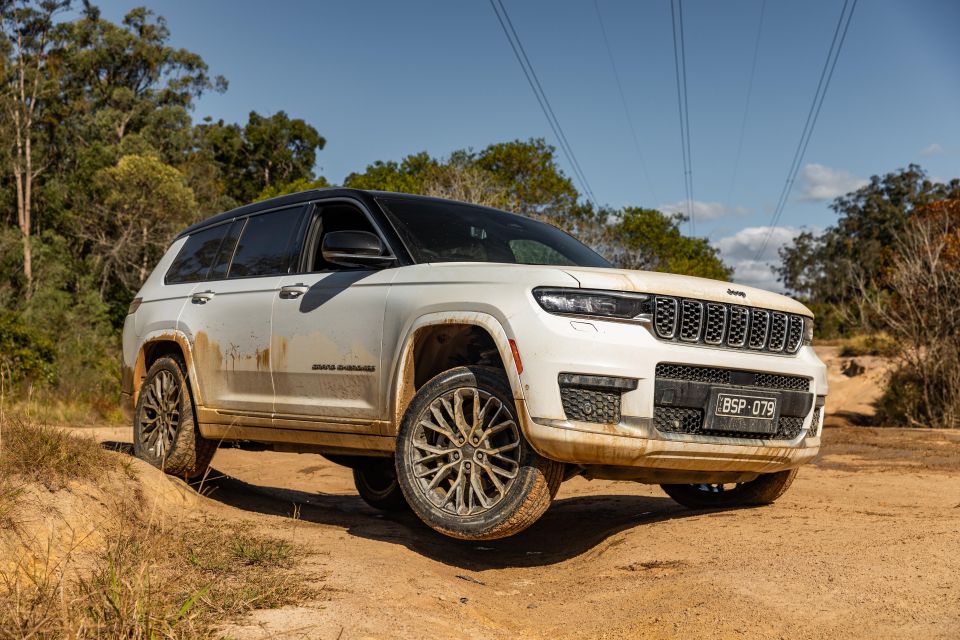
The Jeep Grand Cherokee was among a range of SUVs, utes and vans axed in Australia this year, many of which fell victim to a new government regulation.
News Editor
News Editor
2025 saw an influx of new auto brands and models to the Australian market, but also a raft of long-running nameplates head for the exit.
The Jeep Grand Cherokee nameplate was withdrawn from the local market after 29 years, longer than the Mahindra Pik-Up (16 years), and the LDV V80, Mitsubishi Pajero Sport and Toyota Fortuner (all offered here for 10 years).
The Mitsubishi Eclipse Cross wasn’t far behind, ending its eight-year run this year. Newer models axed in 2025 comprised the Toyota Granvia (launched here in 2019) and Volvo C40 (2021).
CarExpert can save you thousands on a new car. Click here to get a great deal.
While the Grand Cherokee was the oldest nameplate retired in Australia this year, it was the newest of this motley crew of vehicles to be discontinued locally either due to slow sales or tougher new regulations.
Read on for a breakdown of each ute, SUV, van and people mover axed this year, and stay tuned for tomorrow’s feature on the passenger cars axed this year.
Talk about a fall from grace.
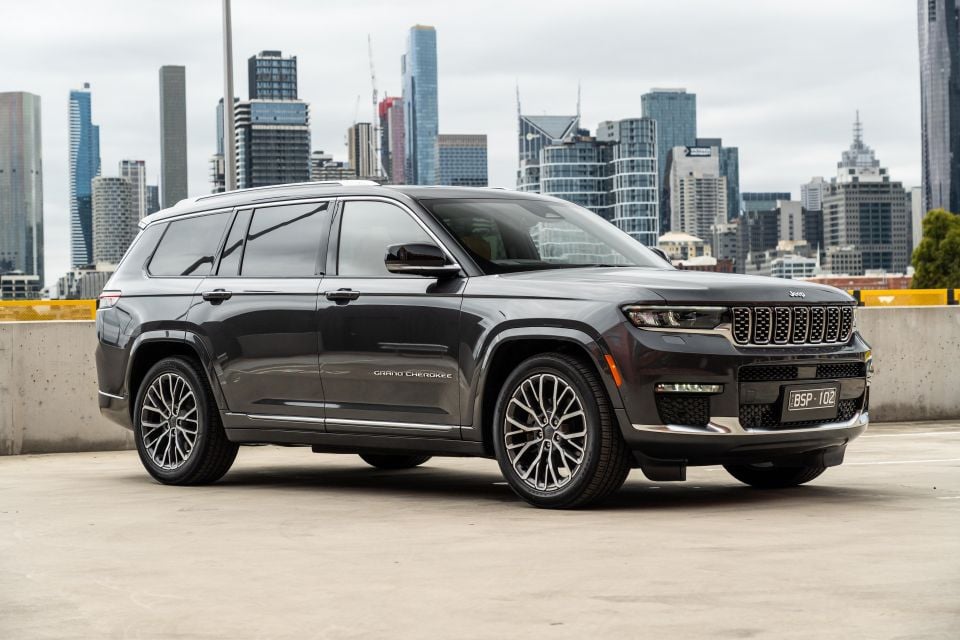
The Jeep Grand Cherokee was once Australia’s best-selling large SUV, beating out the Toyota Prado for the top spot in 2014 with 16,582 deliveries – 470 ahead of its Japanese rival.
It’s leaving Australia with its tail between its legs, mirroring a precipitous decline in overall Jeep sales and a shrinking of the American brand’s dealer network.
Last year, Jeep delivered just 645 Grand Cherokees, a slump of 48.3 per cent on the previous year. That means Grand Cherokee sales have fallen by 96 per cent since 2014, while overall Jeep sales have plummeted by 92 per cent in that period.
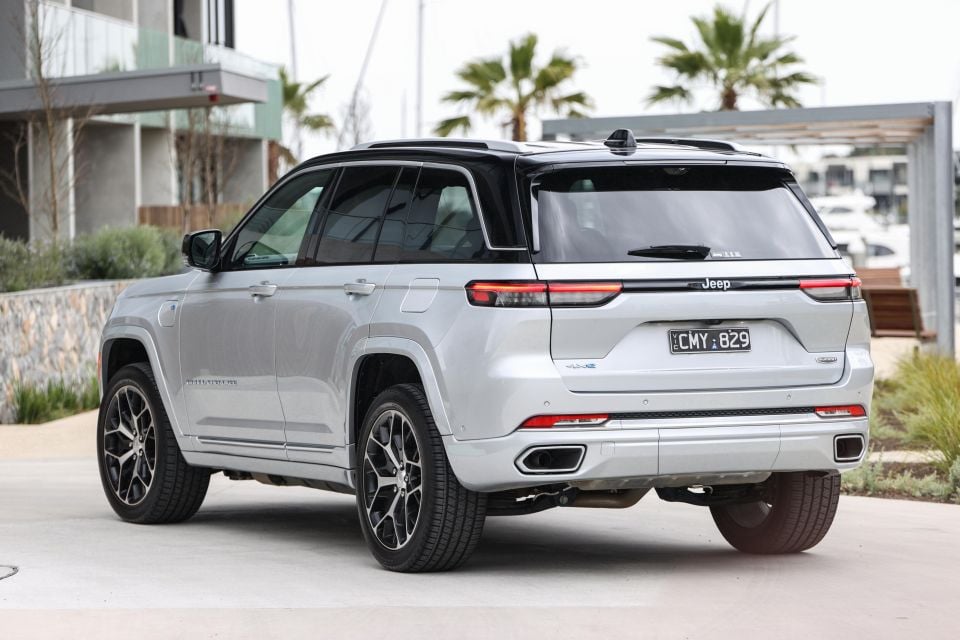
The official word from Jeep in March was that it was “pausing” availability of the Grand Cherokee for our market, but it’s understood right-hand drive production of the unibody Prado rival has ended. The electric Wagoneer S is assuming its role in Europe, but Jeep hasn’t locked in this model for Australia.
The current WL generation launched here in 2022, initially only in long-wheelbase, three-row L guise – the first Grand Cherokee to offer seven seats. But while it offered greater practicality, the WL did without the turbo-diesel V6 of its WK2 predecessor that had accounted for over half of Grand Cherokee sales in Australia.
With no V8, either, the Grand Cherokee was left with just an ageing 3.6-litre petrol V6 in Australia and without the 3500kg braked towing capacity figure that’s almost a prerequisite in this segment. A turbocharged four-cylinder plug-in hybrid arrived here in 2023, but never proved popular.
Jeep’s local lineup has also now shrunk to just four models: the Avenger, Compass, Wrangler and Gladiator. Remarkably, as of the end of November, the Grand Cherokee is outselling all of these by a considerable margin, helped by significant discounts on leftover stock this year which followed huge price cuts made last year.
MORE: Jeep Grand Cherokee axed: Former Toyota Prado nemesis dead in Australia
The LDV V80 was one of the oldest models on sale in Australia when it was officially axed early this year.
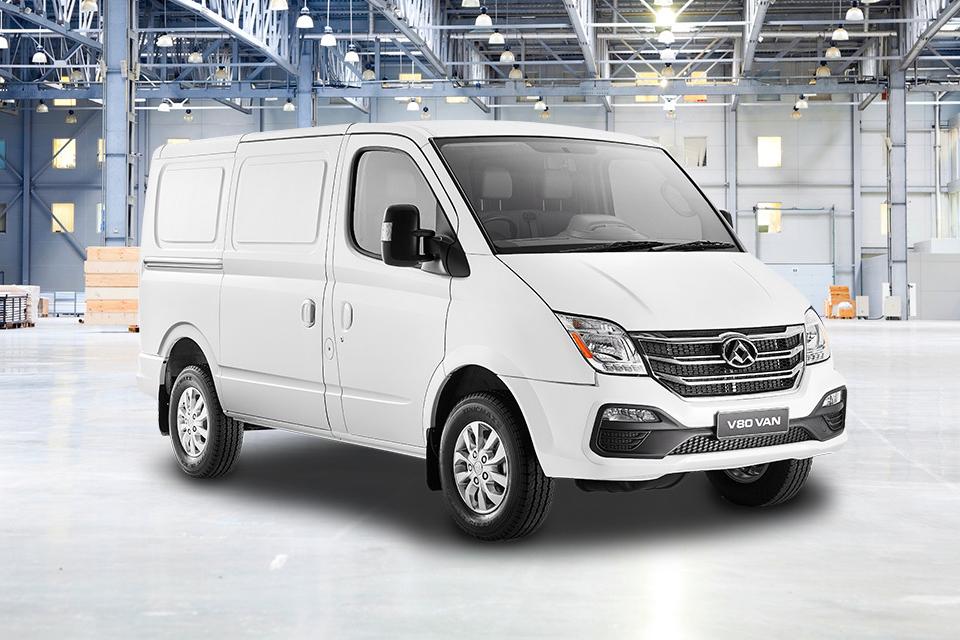
Production of the V80 wrapped up in China last year after 20 years, and after 10 years on sale in Australia. While that made it older than the Mitsubishi ASX (2010) and Mazda 6 (2012), it was still younger than the Toyota LandCruiser 70 Series (1984).
The V80 had reportedly been developed with Daewoo, which held a stake in the former LDV entity prior to its own financial crisis. When the Korean company was acquired by General Motors, the vehicle and tooling was handed over to LDV.
LDV was subsequently acquired by Russia’s GAZ, before China’s SAIC eventually secured the intellectual property rights to the brand.
With no active safety technology, only two airbags, and an expired two-star ANCAP rating from 2013, the V80 had a pretty lousy safety résumé. However, it served as a more affordable alternative to newer, safer vans from LDV like the Deliver 9.
Most customers simply overlooked it for the LDV G10. In the V80’s best year, 2023, LDV delivered 596 examples against 2843 G10s and 2975 Deliver 9s.
MORE: One of the oldest vehicles on sale in Australia has been axed
Mahindra quietly removed the Pik-Up from its local website early this year, when it exhausted leftover stock of the ageing ute.
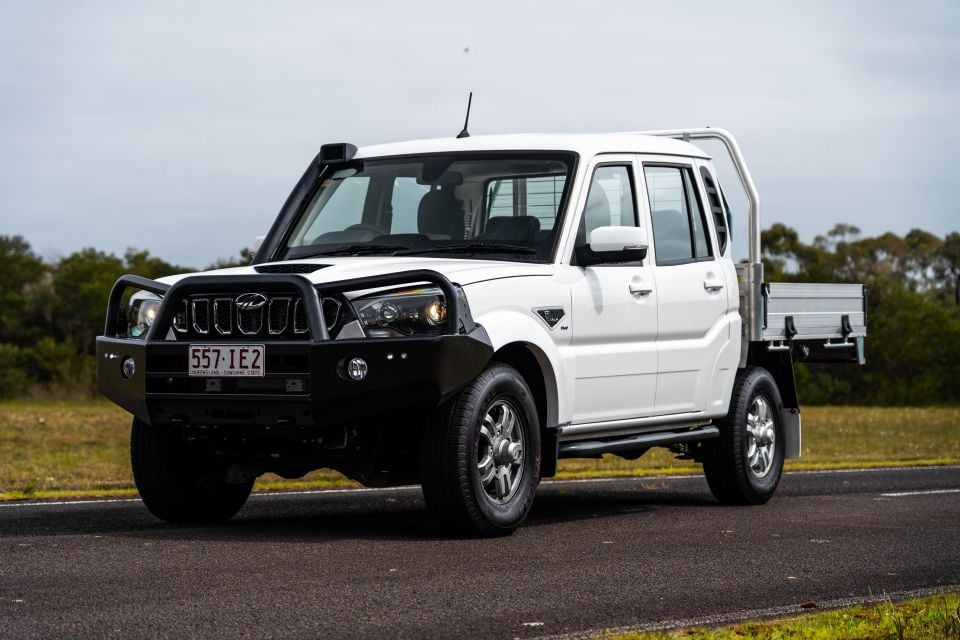
That has left Mahindra Australia with an SUV-only lineup, if one consisting of much newer models than the almost 20-year-old Pik-Up that remains in production in India.
Mahindra doesn’t report its sales figures to the Federal Chamber of Automotive Industries, so it’s unclear just how many have been sold here since its 2009 launch.
While the brand is without a ute in Australia, it promises an all-new ute is coming in 2026 that’s being engineered from the ground up for markets like Australia.
MORE: Explore the Mahindra Pik-Up showroom
The Mitsubishi Eclipse Cross was one of three vehicles discontinued by the Japanese brand’s Australian arm in January, all of which couldn’t meet Australian Design Rule 98/00.
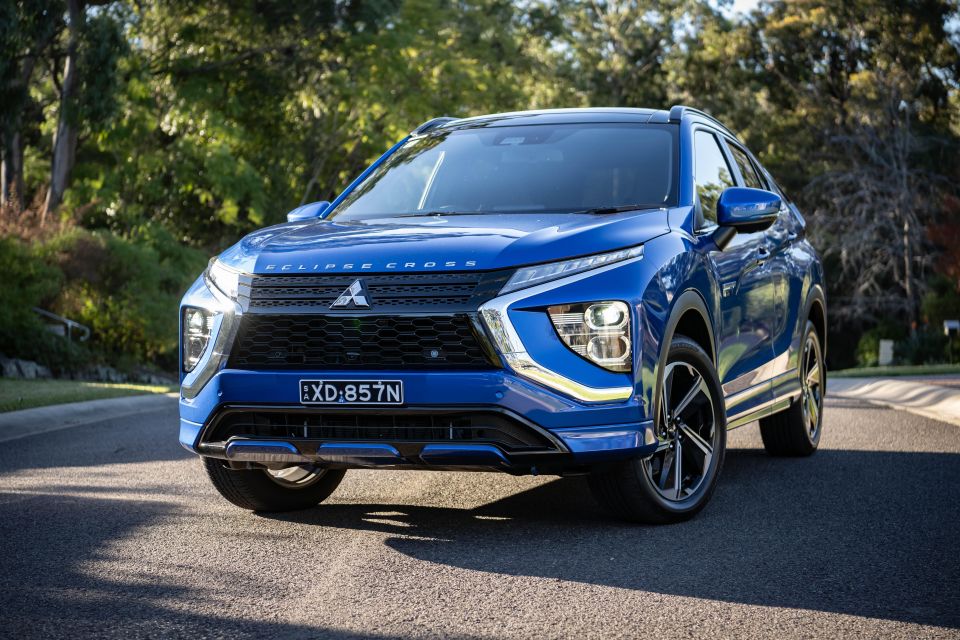
This new regulation outlined specific technical requirements for autonomous emergency braking (AEB) systems. While all three models came standard with AEB, their systems evidently couldn’t meet the new requirements.
But while a new ASX was simultaneously confirmed and a replacement Pajero Sport was teased, the Eclipse Cross was discontinued without replacement. Subsequent to Mitsubishi Australia’s announcement, in September a new Eclipse Cross was revealed: a rebadged Renault Scenic E-Tech.
Thus far, this new Eclipse Cross is for Europe only, though there’s now precedent for a Renault-based Mitsubishi following the launch of the ‘new’ ASX, a rebadged Renault Captur.
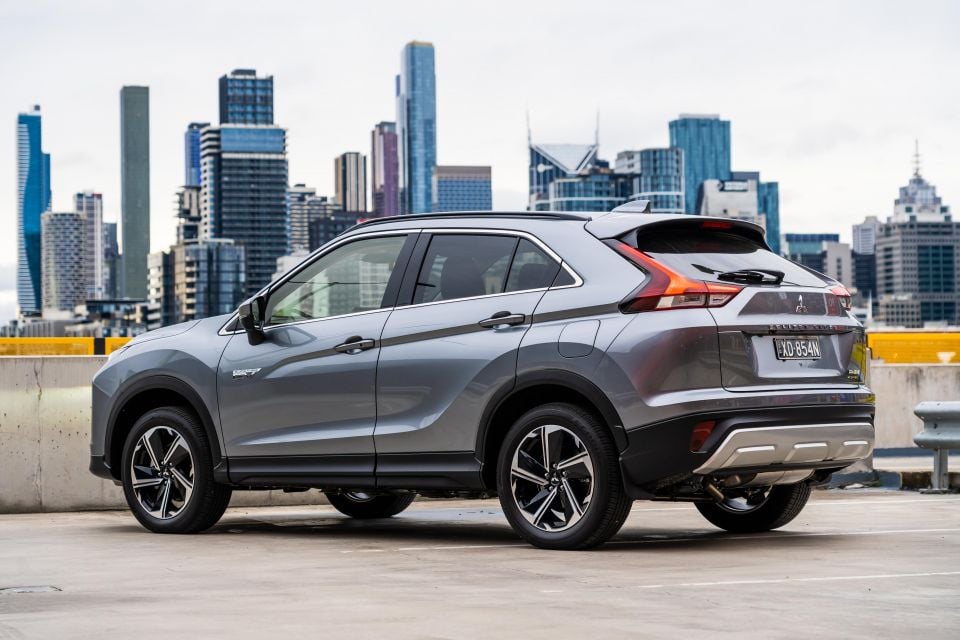
As of November, Mitsubishi was still shifting stock of the Eclipse Cross; it’s understood the brand stockpiled imports of vehicles it had to discontinue due to ADR 98/00, ahead of the rule’s implementation on March 1.
A fairly large offering in the small SUV segment, the Eclipse Cross was launched in Australia in 2017 to slot between the small ASX and mid-size Outlander, using a version of these previous-generation models’ underpinnings.
For 2021, it received a mid-life update with significantly revised rear-end styling, while for 2022 it gained an optional plug-in hybrid powertrain, allowing Mitsubishi to offer a more affordable electrified model than the Outlander PHEV.
While the Eclipse Cross always lived in the shadow of the cheaper ASX and more practical Outlander, it stepped up in 2024 with a 18.4 per cent bump in sales to 9221 units – closing the gap somewhat to the ASX at 12,330 units, though well off the Outlander at 27,613 units.
MORE: Mitsubishi massacre: Brand axes multiple long-running models
Mitsubishi may have discontinued its Pajero Sport early this year as it couldn’t meet new ADR 98/00 requirements, but the brand isn’t expected to be without a large SUV for long.
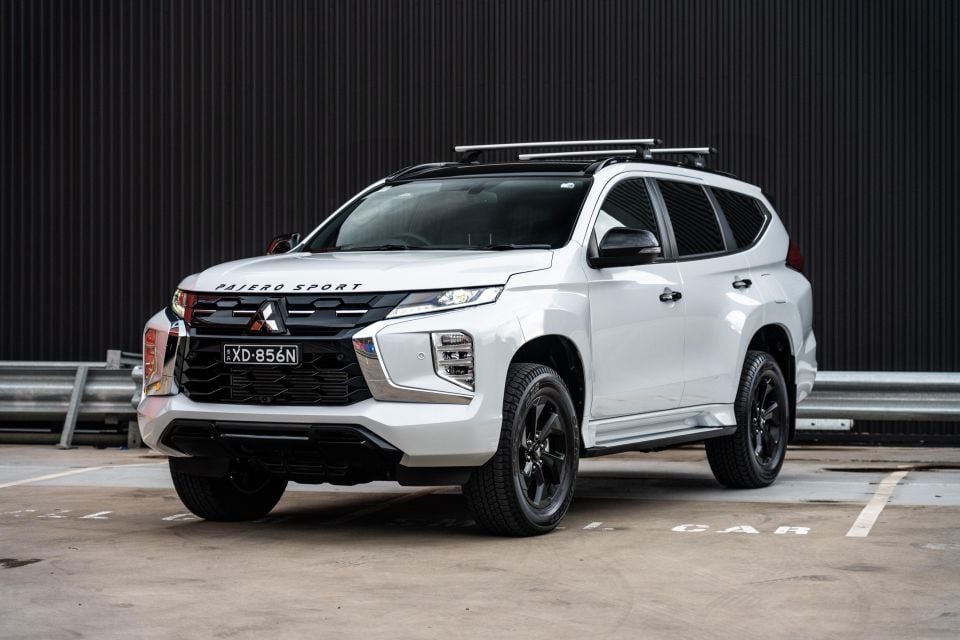
A new-generation model, based on the latest Triton, has been spied testing and overseas reports suggest it could even dust off the Pajero nameplate. It’s set to be revealed next year.
Mitsubishi is understood to have stockpiled Pajero Sport SUVs and complied them ahead of the March 1 introduction of ADR 98/00, which explains how it was able to deliver 517 units in November and outsell rivals like the LDV D90, GWM Tank 300 and KGM Rexton.
The Pajero Sport has long been a strong seller. As a large, ute-based off-road SUV with an available third row of seats, it battles the likes of the Ford Everest, though has traditionally held an advantage in price.
It was launched here in 2015, replacing the also Triton-based Challenger, and has proved a remarkably steady seller. It has received various running changes since launch, though a facelift in 2020 helped tidy up the styling – including refreshed tail-lights that lost the ‘running mascara’ look of the pre-facelift model.
MORE: Mitsubishi massacre: Brand axes multiple long-running models
Toyota once had Australia’s best-selling people mover, but the Tarago was a long time ago.
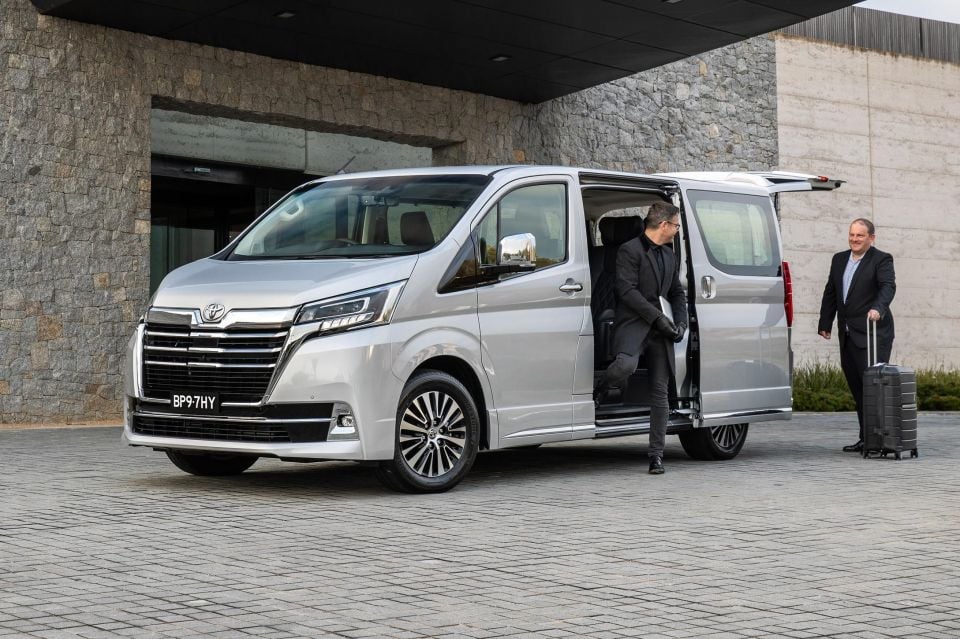
The Granvia, launched in 2019 to help fill the gap left by the Tarago, was never popular in Australia.
With ADR 98/00 coming into effect on March 1, 2025, Toyota opted not to bother making the Granvia compliant with the new regulations, arguing it couldn’t make a compelling business case for continuing the model.
From its launch to the end of November 2025, Toyota Australia delivered just 1028 Granvias. For context, Kia delivered 999 Carnivals in November alone.
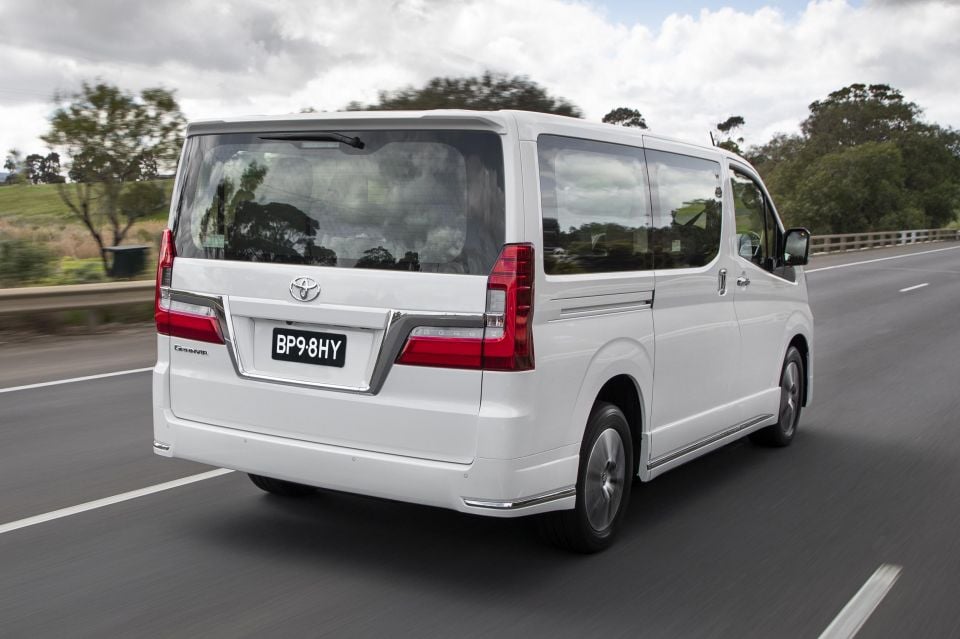
Not only was the Granvia trounced on the sales charts by the dominant Kia, it was even being outsold by the LM from Toyota’s luxury Lexus brand.
In its best year, 2020, Toyota delivered 276 Granvias. Looking at sales data dating back to 1991, even in its worst year the Tarago sold considerably better.
Those after a Toyota that can seat eight or more occupants now are left with just one option in Australia: the 12-seat HiAce Commuter.
MORE: Toyota Tarago successor axed due to new safety regulation
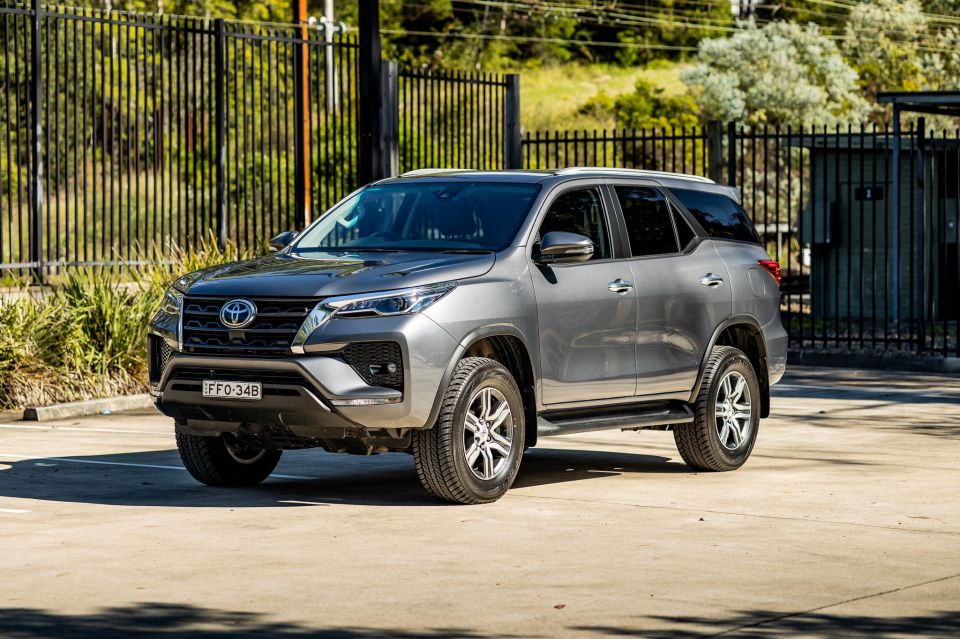
It’s rare when a Toyota isn’t among the top three best-sellers in a segment it competes in, which makes the Fortuner’s sales performance in Australia all the more surprising.
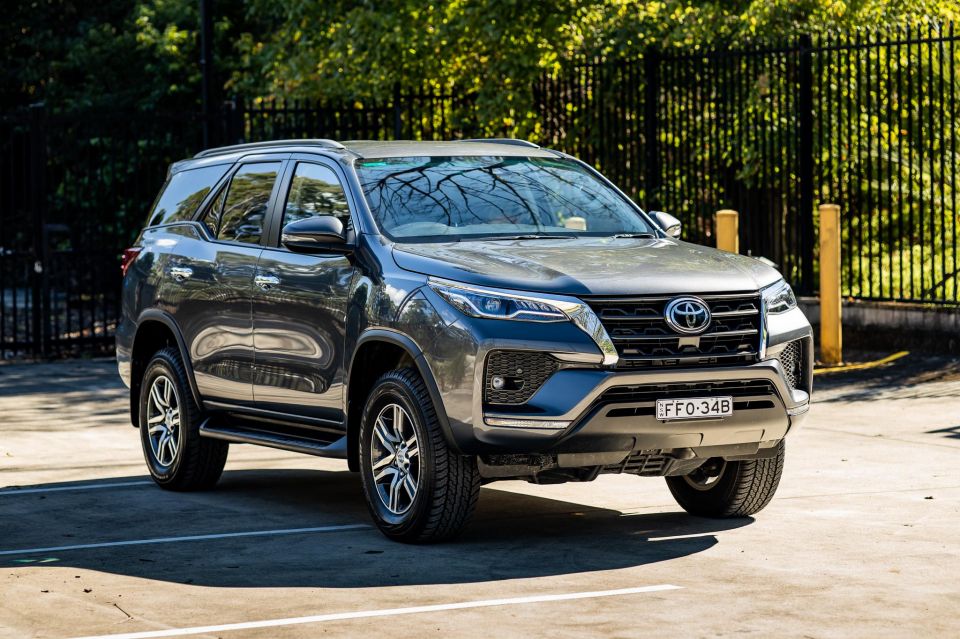
To be fair to the now axed HiLux-based SUV, it competes in the same large SUV segment as the more sophisticated Prado – traditionally Australia’s best-selling large SUV.
But while the Fortuner offers a lower price, it seems most buyers have walked past it in Toyota showrooms and drove out in a Prado instead. Its sales figures, which would be admirable for a vehicle from a less popular brand, have therefore long been quite low for a large Toyota SUV.
Toyota’s previous HiLux-based SUV in this segment was the 4Runner, which was axed in 1996. The following generation wasn’t built in right-hand drive, and Toyota instead switched to offering the LandCruiser Prado here. In 2015, however, Toyota decided to bring the second-generation Fortuner here as a more affordable alternative to the Prado.
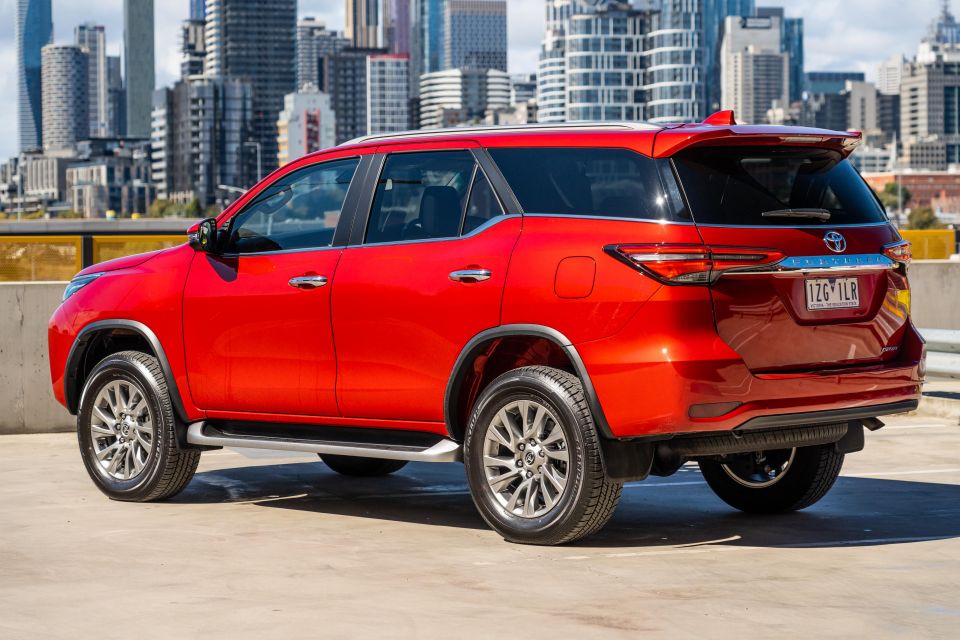
Fortuner sales have remained consistent over the years, typically hovering between 2800 and 3900 units each year. There was a slight spike in 2022 to 4614 units, but this was still around half what the Pajero Sport managed that year, and less than a quarter of the Prado’s tally.
Even in 2024, when Toyota was without Prado stock for several months, Fortuner sales didn’t go up.
The Fortuner is still technically going to remain on sale until mid-2026, which is good news for what Toyota calls its “relatively small but enthusiastic customer base”. But the brand has also acknowledged Fortuner owners have already been shifting into the HiLux, Prado and LandCruiser 300 Series.
MORE: Toyota Fortuner axed, no replacement coming
Volvo only launched the C40 – a sleeker, coupe-style sibling to the XC40 – in Australia in 2022, but this year it pulled the plug on the electric SUV.
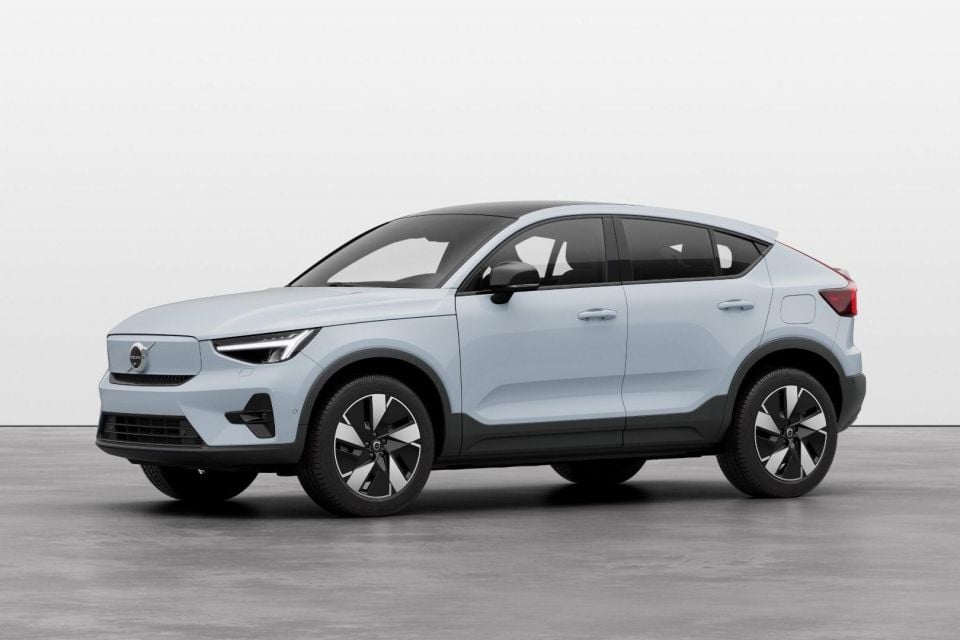
The C40 had found itself squeezed out by the arrival of the smaller EX30. In its first full year on sale in Australia, Volvo delivered 1103 examples. But in 2024, sales plummeted by almost half to just 560 units, directly coinciding with the launch of the EX30.
A substantial update in 2023, which saw single-motor variants switch from front- to rear-wheel drive, couldn’t arrest a sales slide for the small electric coupe SUV.
While Volvo confirmed in 2024 a subtly revised model year 2025 (MY25) update for the C40 was coming, with the SUV to be rechristened EC40 like in overseas markets, this never eventuated. In March, the axe was swung on the C40, though its electric XC40 sibling – renamed EX40 – lives on in Australia.
MORE: Volvo’s compact EV crossover coupe to be axed in Australia
William Stopford is an automotive journalist with a passion for mainstream cars, automotive history and overseas auto markets.
William Stopford
11 Minutes Ago

Damion Smy
41 Minutes Ago

William Stopford
1 Hour Ago

Derek Fung
8 Hours Ago

Josh Nevett
8 Hours Ago

Dave Kavermann
18 Hours Ago
Add CarExpert as a Preferred Source on Google so your search results prioritise writing by actual experts, not AI.