Car News
 CarExpert Podcast
 Car Reviews
 Owner Car Reviews
 Car Comparisons
 Showroom
 Car Chooser
 Car Specifications


Damion Smy
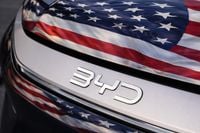
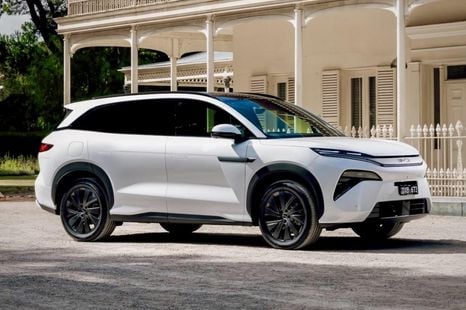
BYD sues US government over Trump tariffs blocking Chinese EVs – report
The Chinese automaker is claiming import tariffs locking it out of the United States are not legally valid.
30 Minutes Ago
The FCAI said federal government electric vehicle incentives should extend to plug-in hybrid light commercial utes.
Deputy News Editor
Deputy News Editor
The Australian Government’s incentives for electric vehicles (EVs) should include light commercial vehicles – both electric (EV) and plug-in hybrid (PHEV) – says the nation’s peak auto industry organisation, the Federal Chamber of Automotive Industries (FCAI).
The federal government is due to review its current EV incentives, which were first introduced in July 2022, with public submissions opening on February 6, 2026, ahead of any potential changes in 2027.
In response, a 16-page report headed FCAI submission in response to: Review of the Electric Car Discount was published on February 10, 2026, calling for existing incentives to continue ahead of the federal government’s review but with some changes.
The main change is for light commercial vehicles to be included in tariff exemptions on electric vehicles imported from places Australia doesn’t have a Free Trade Agreement (FTA) with, such as the European Union (EU) and South Africa.
CarExpert can save you thousands on a new car. Click here to get a great deal.
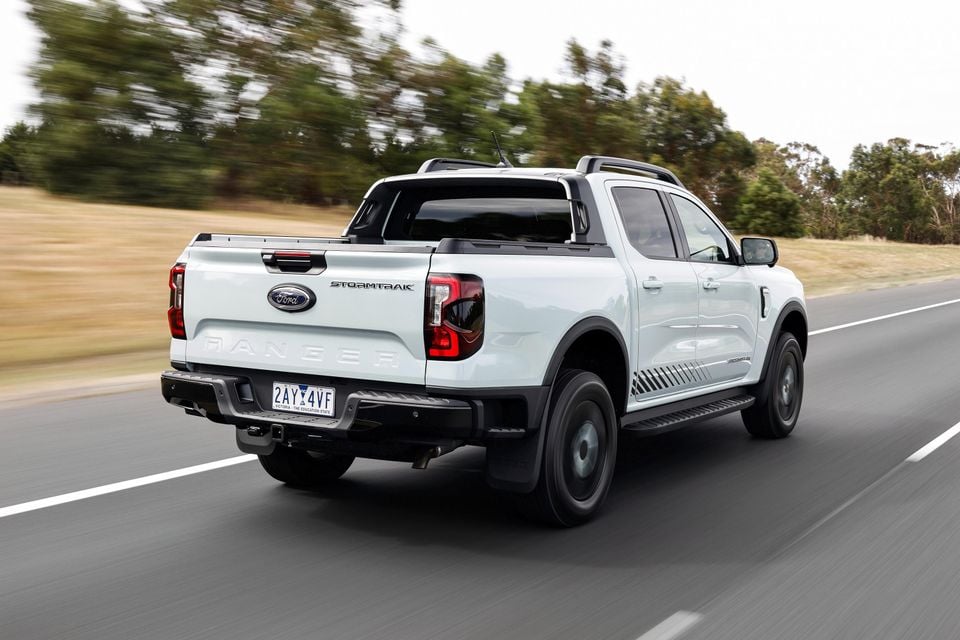
Currently, light commercial vehicles from non-FTA countries aren’t eligible for the federal government’s tariff exemption.
“The tariff exemption for passenger vehicles should be expanded to include light commercial vehicles with BEV [battery-electric vehicle] or PHEV powertrains, given the increasing supply from markets without an active free trade agreement,” the FCAI submission said.
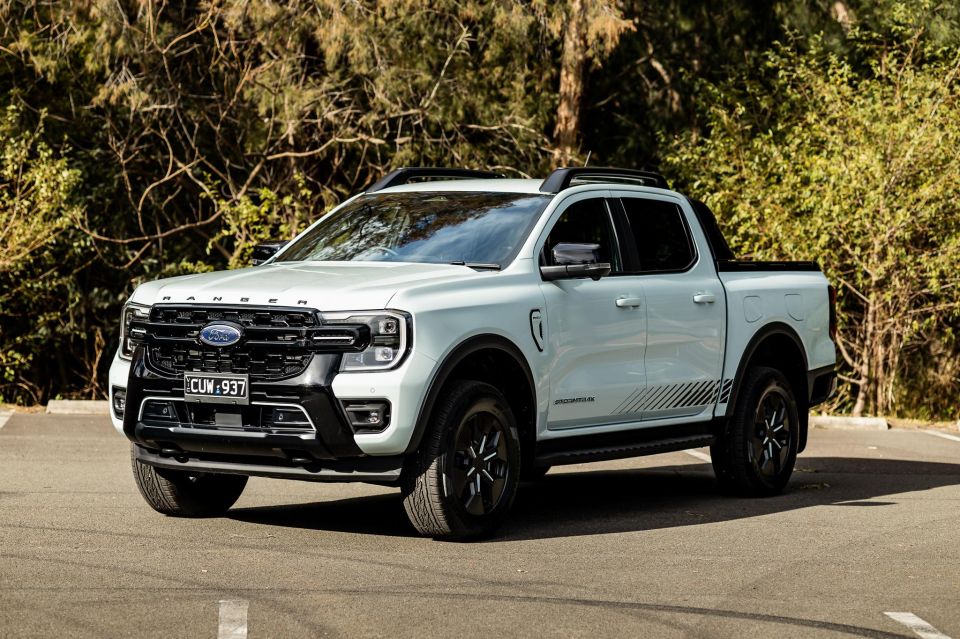
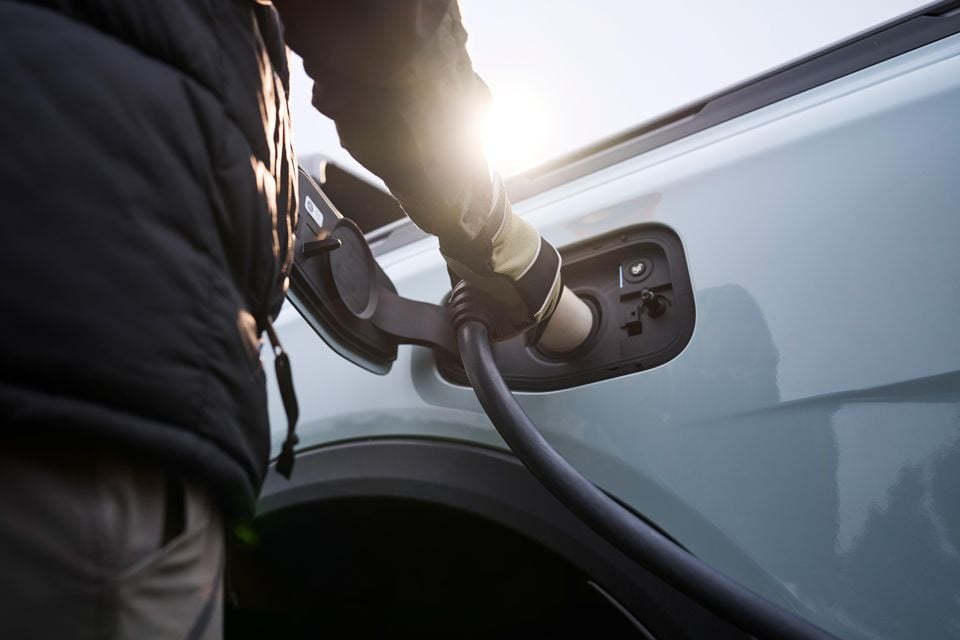
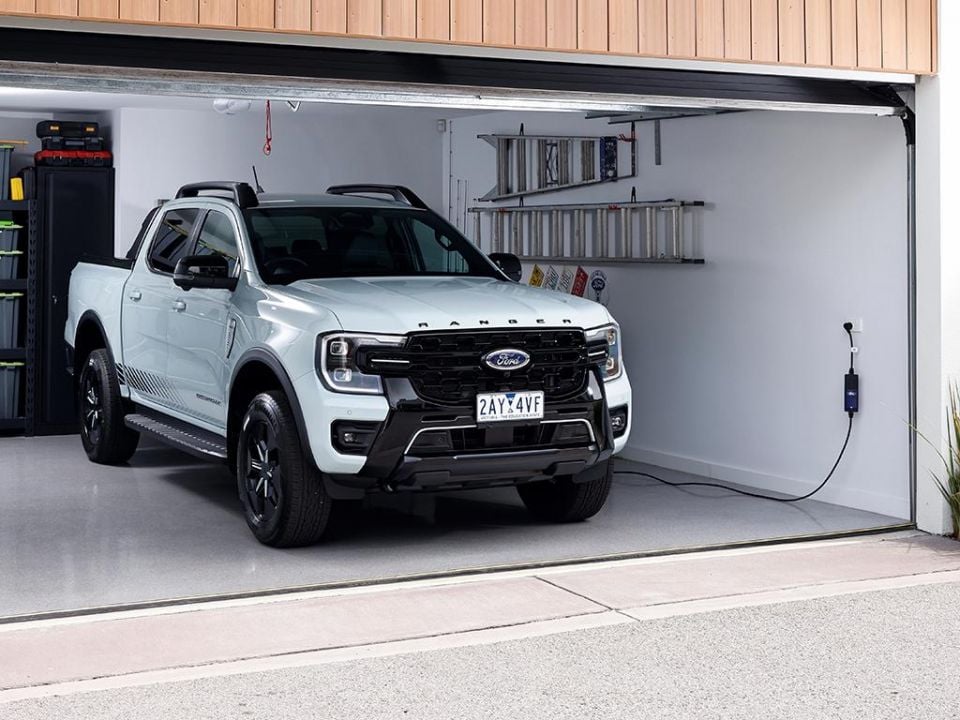
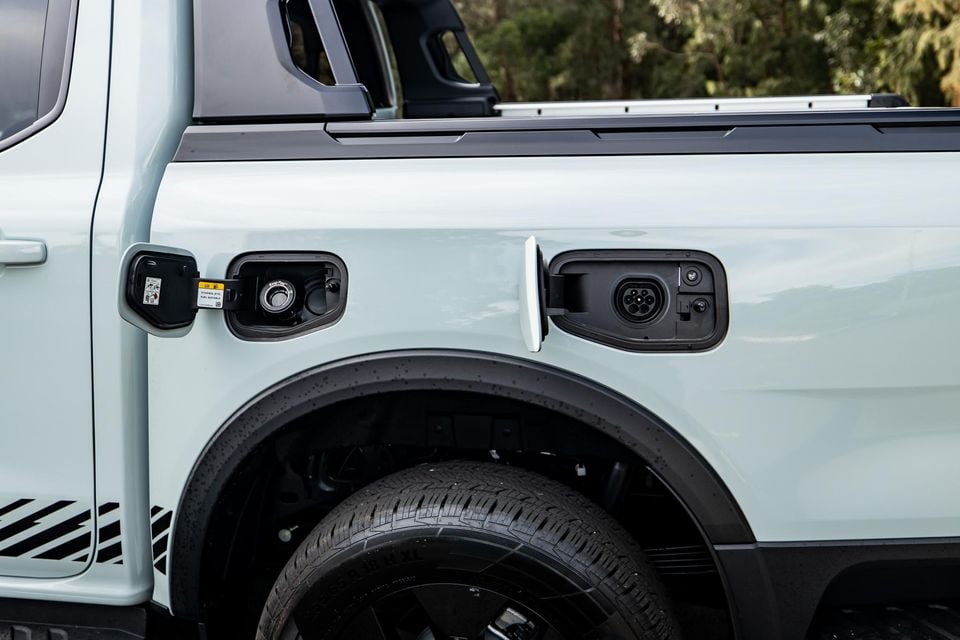
The suggestion would see incentives extended to the Ford Ranger PHEV, which was launched in Australia in 2025 and is made in South Africa, meaning it’s subject to a five per cent import tariff.
On the top model grade Ranger PHEV, priced at $79,990 before on-roads, five per cent equates to around $4000.
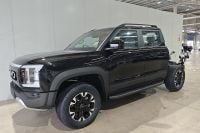
The rest of the Ranger lineup sold here is made in Thailand, which already has an FTA with Australia – as does China, where the hot-selling BYD Shark 6 PHEV and GWM Cannon Alpha PHEV utes are made.
It also won’t make any difference for the upcoming Toyota HiLux EV, which will also come from Thailand.
The federal government was widely criticised for ending a Fringe Benefits Tax (FBT) exemption for PHEVs in April 2025. It contradicted the Climate Change Authority announcing its ‘2035 Targets Advice’ in September, which requires more than 20 times the number of EVs currently on Australian roads to meet emissions reduction targets.
While electric vehicles took a record 8.3 per cent share of Australia’s new-vehicle sales in 2025 – up from 7.4 per cent the previous year – PHEVs increased to around a 4.3 per cent share, while hybrid sales made up around 16 per cent of total sales.
The FCAI’s submission also recommends current incentives – which include a Fringe Benefits Tax (FBT) exemption for EVs priced below the $91,387 Luxury Car Tax threshold for ‘fuel-efficient vehicles’ – be continued.
FCAI chief executive Tony Weber said the FBT exemption has worked effectively alongside the New Vehicle Efficiency Standard (NVES), introduced on January 1, 2025, which is also due to be reviewed by the federal government in 2026.
The NVES limits the amount of carbon dioxide emissions permitted across each brand’s model lineup, with financial penalties for those exceeding the limits, although credits can be purchased from other automakers operating below them.
The emissions limits under the NVES become tougher each year until 2029, which Mr Weber has previously said has done little to increase consumer demand for EVs.
“Manufacturers have responded to the NVES by expanding the range of BEVs available, with more than 100 models now on sale,” Mr Weber said in a statement.
“If the FBT exemption is removed, then the Federal Government must consider other forms of demand side incentives that can support the ambitious targets of the NVES by having more Australians in battery electric and other forms of low emissions vehicles.”
“As NVES targets tighten over coming years, any changes to demand-side incentives must be carefully designed to improve accessibility and avoid undermining consumer confidence,” Mr Weber said.
The report echoes sentiment from Toyota Australia, whose vice president of sales and marketing, Sean Hanley, told media last year hybrid models should be included in the NVES as a way of lowering new-vehicle emissions.
“NVES is yet subject to a further review at the end of ’26. We would ask [the] government to consider very carefully NVES to have [an] ZLEV [Zero and Low Emissions Vehicle] approach,” Mr Hanley said.
“That means zero-to-low emission vehicles – that would be plug-in hybrids, BEVs, fuel cell electrics … We would suggest that hybrids should still play an integral role in any NVES development, but we’ll have to wait and see whether that comes about.”
The Electric Vehicle Council (EVC) has also called for the incentives to continue, issuing a statement suggesting premature withdrawal stalls progress on EV sales.
“The Discount has also stimulated a wave of affordable, off-lease EVs that are now flowing through to the second-hand market, putting them within reach of more everyday Australians,” says the EV lobby group.
“However, the job is not done. Australia’s EV adoption needs to accelerate towards the target of 5 million EVs by 2035, and international experience clearly shows that removing demand-side incentives too soon can have a drastic impact on EV uptake.” MORE: Australian government weighs changes to EV incentives
Damion Smy is an award-winning motoring journalist with global editorial experience at Car, Auto Express, and Wheels.
Damion Smy
30 Minutes Ago

William Stopford
1 Hour Ago
Damion Smy
2 Hours Ago
William Stopford
3 Hours Ago

Derek Fung
7 Hours Ago

Ben Zachariah
13 Hours Ago
Add CarExpert as a Preferred Source on Google so your search results prioritise writing by actual experts, not AI.