

Damion Smy
Ex-Holden proving ground sold to defence contractor
The former Holden proving ground at Lang Lang has a new owner, and Chinese brands won’t be able to continue testing there.
2 Hours Ago
EVs enjoyed a record share of the Australian new-vehicle market in April 2026, and their growth helped propel the market.

News Editor
News Editor
Soaring sales of electric vehicles (EVs) and plug-in hybrids (PHEVs), and to a lesser extent regular hybrids, helped drive up Australia’s overall new-vehicle market last month.
A total of 94,049 vehicles were delivered in April 2026, up 3.8 per cent on the same month last year.
Hybrid sales were up by 27.1 per cent year-on-year, EVs by a big 157.2 per cent, and PHEVs by an even larger 270.2 per cent.
In contrast, sales of diesel-powered vehicles slumped by 21.7 per cent, while petrol-powered vehicle sales tumbled by 30.1 per cent.
CarExpert can save you thousands on a new car. Click here to get a great deal.
So far this year, we’ve seen a year-on-year decline each month for petrol and diesel vehicle demand, and double or even triple-digit YoY increases for PHEVs and EVs.
EVs have seen the most consistent increases, rising 93.3 per cent in January, 95.9 per cent in February, and 88.9 per cent in March.
Petrol-powered vehicles, likewise, have seen the most consistent decreases: down 14.7 per cent in January, 17.7 per cent in February, and 20.8 per cent in March.
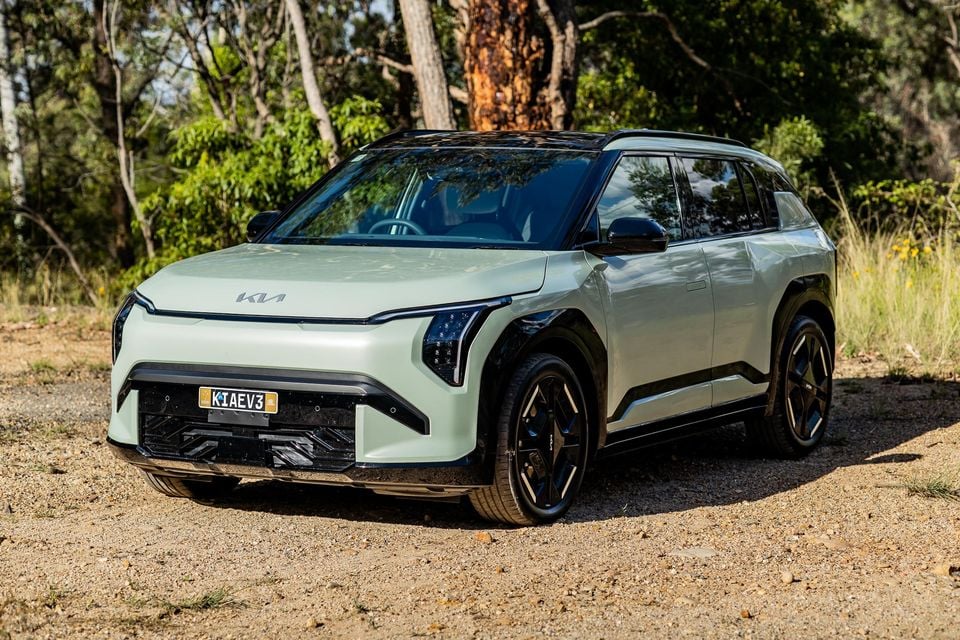
EVs accounted for a record 16.4 per cent of the overall new-vehicle market in April, while hybrids held 19.3 per cent, and PHEVs held 10.2 per cent – also record market share percentages.
“The increase in supply of EVs since the introduction of the New Vehicle Efficiency Scheme [sic], combined with higher petrol prices and the continued support provided through the Federal Government’s Electric Car Discount, is now translating into stronger demand,” said FCAI chief executive Tony Weber in a statement.
He added that the Electric Car Discount, which the government confirmed this week will be extended into 2027, will continue to sustain EV sales momentum in Australia.
“There are around 110 EV models available to Australians, and the supply of EVs continues to increase. The Electric Car Discount has provided important stimulus to the market, and its continuation will support the growth of EVs,” Mr Weber said.
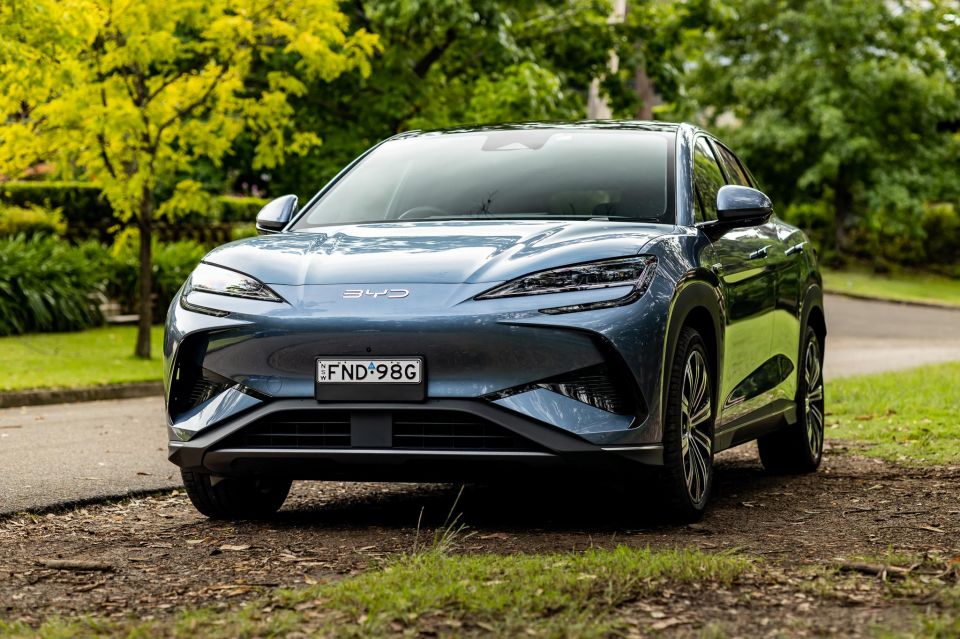
The strength of PHEV and EV sales growth in Australia propelled BYD to the number-two spot in the new-vehicle market in April, behind only mighty Toyota.
BYD deliveries were up by 140.2 per cent in April to 7702 units, following increases across the board. New models like the Atto 1 electric hatch are also off to a strong start, with Australia’s cheapest EV almost knocking off the MG 3 for the title of Australia’s best-selling light car.
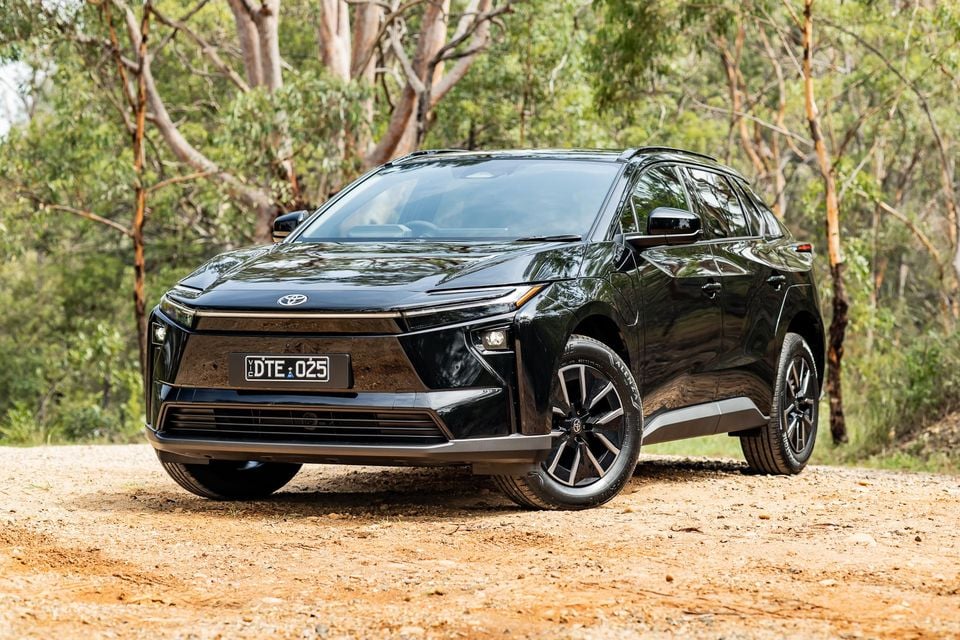
Toyota was down 21.6 per cent to 15,185 deliveries. Even a whopping 442.7 per cent increase in bZ4X sales (to 483 in total) and a 53.6 per cent increase in Kluger deliveries (to 496) weren’t enough to offset declines by models like the Corolla (818 units, down 50.7 per cent), HiLux 4×2 (300, down 51.0 per cent), and HiLux 4×4 (2535, down 27.8 per cent).
Mazda and Ford are usually podium finishers, but not only did BYD knock them out of the top three, but so did Korean duo Kia and Hyundai. They were up by 2.3 per cent and 8.2 per cent year-on-year, respectively.
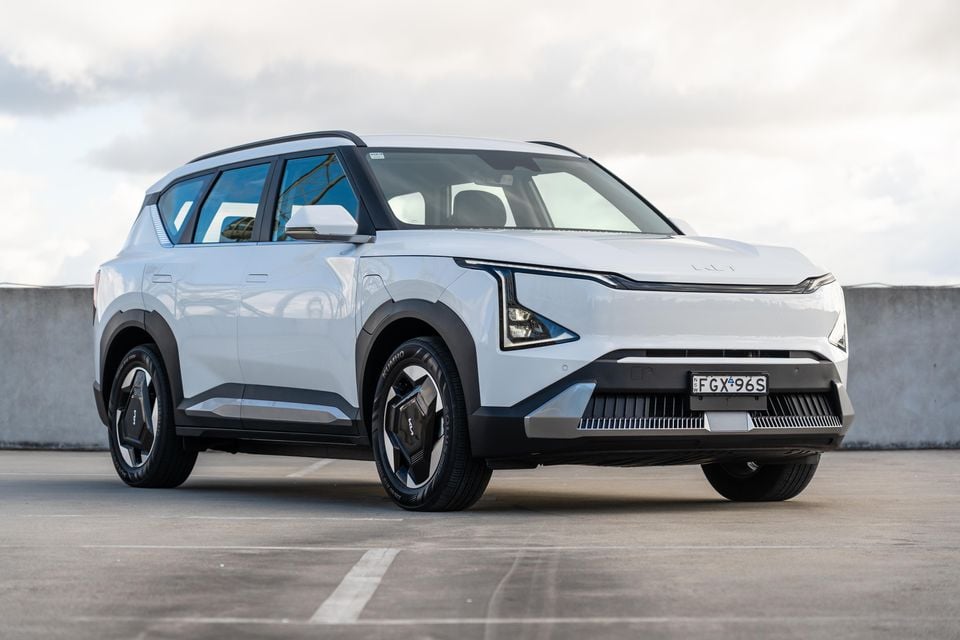
Kia’s growing range of EVs did more to ensure its number-three position than the Tasman ute, which continues to be a slow seller. The EV5 was the biggest achiever, rising 132.2 per cent to 794 units. It wasn’t just EVs that were ahead at Kia, though, with the Carnival up by 16.9 per cent to 948 units and the K4 by 16.3 per cent to 584 units.
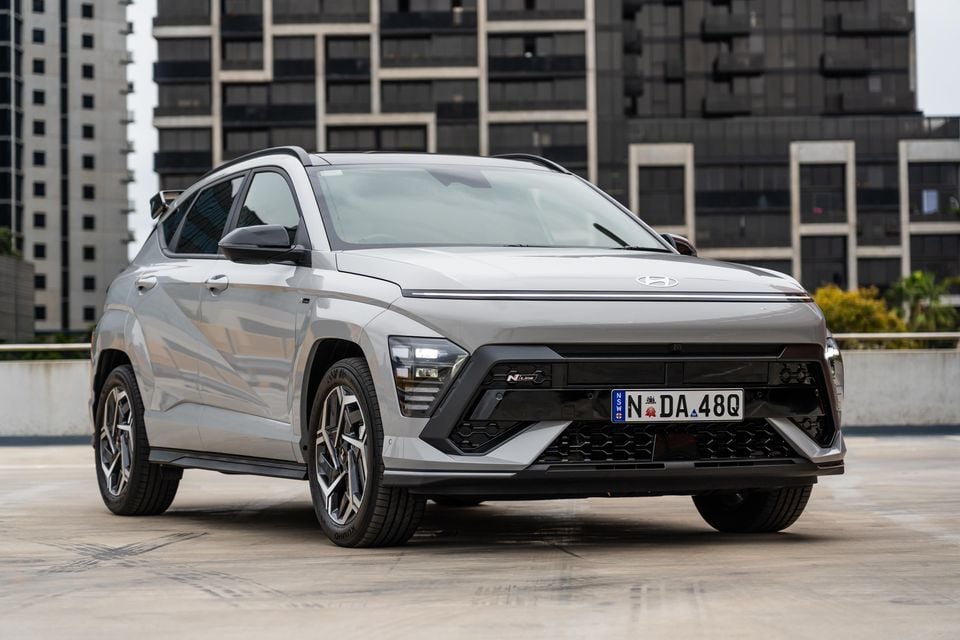
Hyundai also saw a strong increase in demand for much of its EV range, though stalwarts like the Kona also posted double-digit increases (2158 units, up 34.5 per cent).
Ford saw declines almost entirely across the board apart from the recently refreshed F-150, which was up by 61.5 per cent to 84 units, and the Mustang Mach-E, which was up 58.3 per cent albeit to only 38 units. Overall, the Blue Oval was down by 21.6 per cent compared to April 2025.
Mazda sales dropped by 14.3 per cent, thanks to drops across many of its core model ranges. The MX-5 had a good month, however, with 73 deliveries representing a 204.2 per cent increase. The CX-60, CX-80 and CX-90 SUVs also posted double-digit increases.
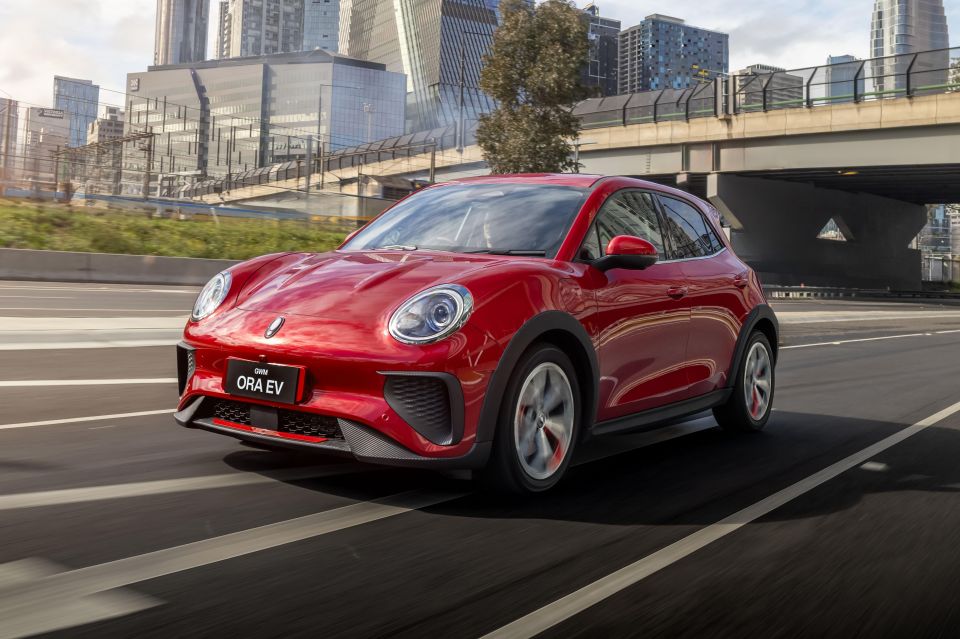
In contrast to Ford and Mazda, every GWM model line posted a sales increase for April – even its discontinued Ora electric hatch, which rose 207.8 per cent to 197 units. Its replacement, the Ora 5 SUV, is due here imminently.
Chery earned a top-10 spot, and pipped fellow Chinese brand MG in the process. While MG posted an 18.5 per cent increase, Chery – which hasn’t added anywhere near as many new models in the past 12 months – was up by 89 per cent.
The top 10 was rounded out by Isuzu Ute, which defied declining diesel sales to post a 3.5 per cent increase. It managed to keep Mitsubishi out of the top 10 as, despite strong increases for the Outlander and Triton, the loss of the Eclipse Cross, Pajero Sport, and previous-generation ASX is being keenly felt.
| Brand | April 2026 deliveries | Year-over-year change |
|---|---|---|
| Toyota | 15,185 | -21.6% |
| BYD | 7702 | +140.2% |
| Kia | 6450 | +2.3% |
| Hyundai | 6002 | +8.2% |
| Ford | 5748 | -21.6% |
| Mazda | 5636 | -14.3% |
| GWM | 4717 | +21.8% |
| Chery | 4322 | +89.0% |
| MG | 3678 | +18.5% |
| Isuzu Ute | 3447 | +3.5% |
| Mitsubishi | 3242 | -23.0% |
| Nissan | 2376 | -35.6% |
| Mercedes-Benz | 2083 | +5.9% |
| Subaru | 2054 | -15.5% |
| Geely | 2006 | +519.1% |
| Volkswagen | 1911 | -7.9% |
| BMW | 1510 | -43.0% |
| Tesla | 1225 | +145.0% |
| Omoda Jaecoo | 1181 | – |
| Suzuki | 1108 | -3.8% |
| Honda | 1091 | +0.2% |
| Lexus | 1080 | -11.5% |
| Audi | 1050 | +57.2% |
| Zeekr | 1006 | +1634.5% |
| LDV | 908 | -13.1% |
| Land Rover | 631 | -13.4% |
| Volvo | 545 | +34.9% |
| Denza | 504 | new |
| Mini | 386 | -8.7% |
| Porsche | 356 | -21.2% |
| Renault | 309 | -14.9% |
| Skoda | 288 | +2.9% |
| Chevrolet | 249 | +0.0% |
| KGM | 245 | -6.8% |
| Polestar | 233 | +15.3% |
| Fiat | 194 | +36.6% |
| Deepal | 190 | – |
| Ram | 188 | -32.9% |
| Cupra | 170 | -26.7% |
| Leapmotor | 143 | +155.4% |
| Foton | 101 | – |
| Genesis | 85 | -29.2% |
| Jeep | 80 | -57.7% |
| Peugeot | 68 | -32.0% |
| JAC | 56 | -55.2% |
| Alfa Romeo | 29 | -38.3% |
| Farizon | 29 | – |
| GMC | 20 | – |
| Lamborghini | 14 | -33.3% |
| Aston Martin | 12 | -25.0% |
| Rolls-Royce | 10 | -9.1% |
| Bentley | 9 | -18.2% |
| Maserati | 8 | -50.0% |
| Ferrari | 6 | -53.8% |
| McLaren | 4 | -50.0% |
| Lotus | 2 | -66.7% |
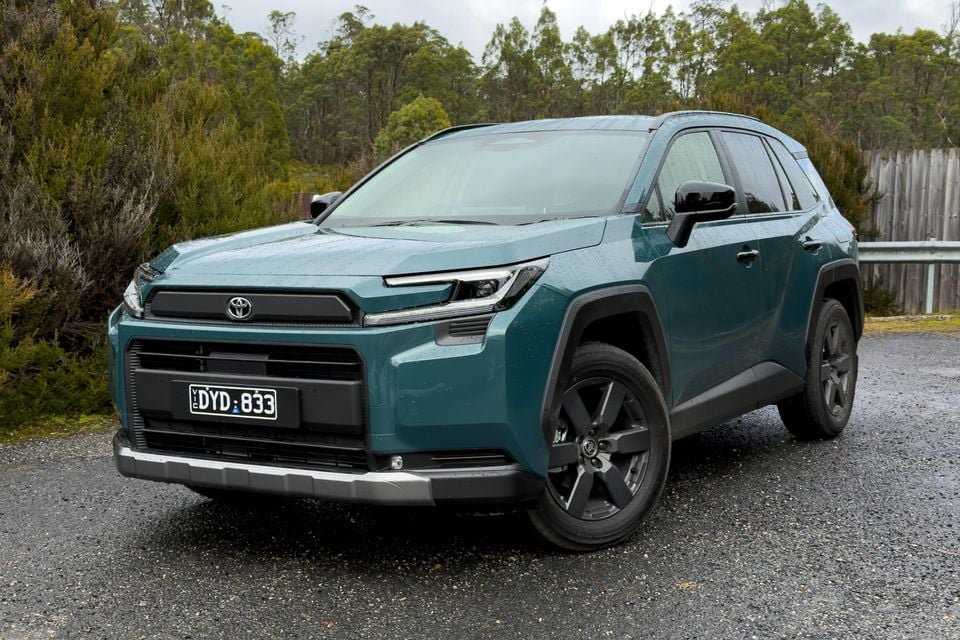
The Toyota RAV4 was back on top in April, after having fallen out of the top 20 in March as it transitioned to a new generation.
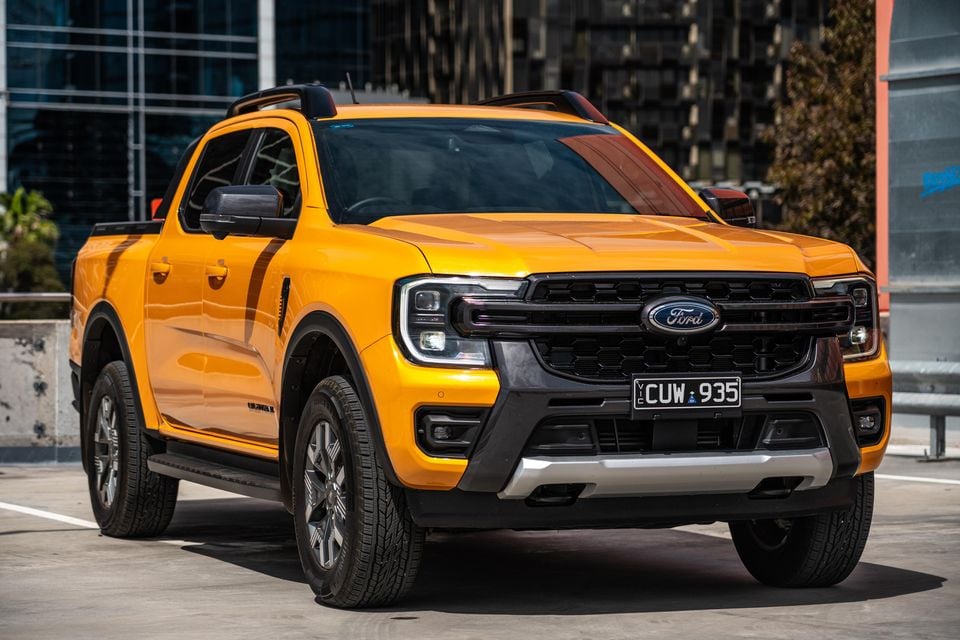
The Ford Ranger continues to hold its lead over the Toyota HiLux, which nevertheless was still Australia’s third-best selling model despite a decline in diesel sales.
Toyota had three vehicles in the top 20, while BYD, Ford, GWM, Hyundai, Isuzu Ute and Mitsubishi each had two.
The Chery Tiggo 4 was Australia’s best-selling small SUV, fending off the Hyundai Kona which took the crown in 2025. It has extended its lead in the year-to-date sales race (9186 vs 8336).
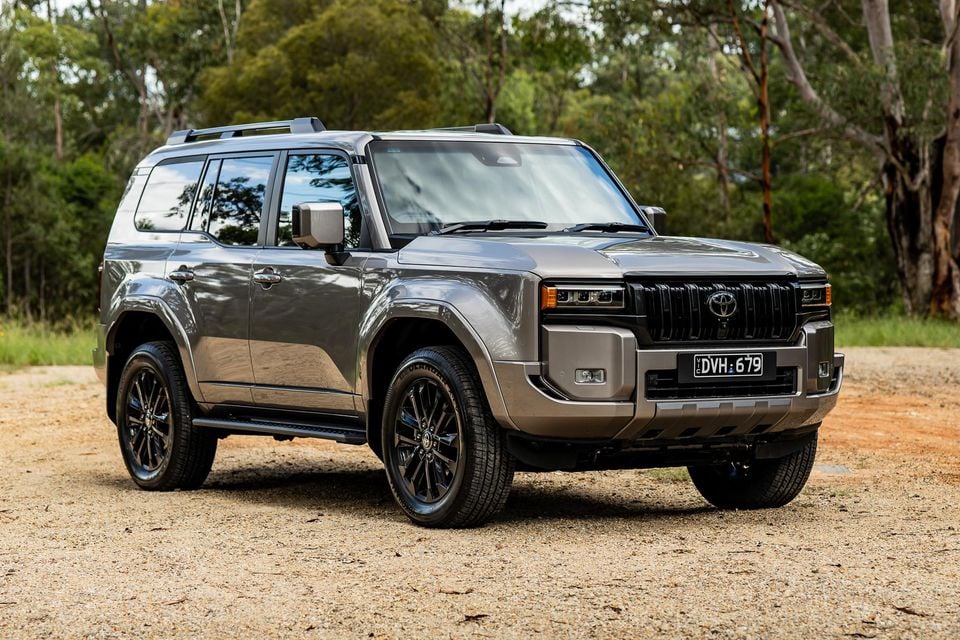
The Toyota Prado overtook its Ford Everest arch-rival in April, though the latter remains ahead year-to-date (6385 vs 7081).
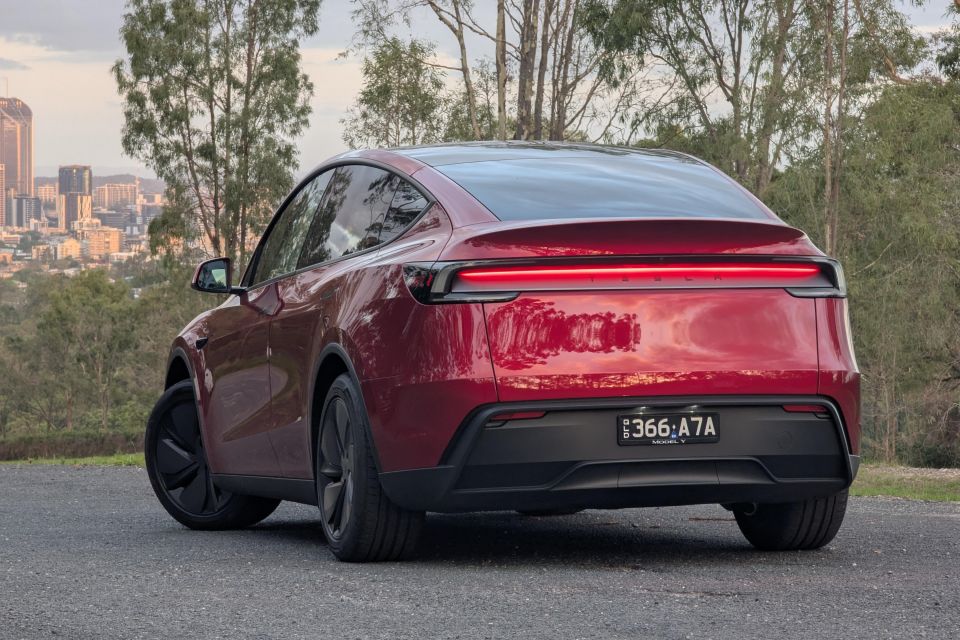
The top 20 wasn’t full of surprises, though even strong EV demand couldn’t ensure a place for the Tesla Model Y. With 822 deliveries in April, it was outsold two-to-one by the BYD Sealion 7 (1780 deliveries).
| Model | April 2026 deliveries |
|---|---|
| Toyota RAV4 | 3729 |
| Ford Ranger | 3661 |
| Toyota HiLux | 2835 |
| Chery Tiggo 4 | 2379 |
| Isuzu D-Max | 2195 |
| Hyundai Kona | 2158 |
| Toyota Prado | 1870 |
| BYD Sealion 7 | 1780 |
| GWM Haval Jolion | 1754 |
| Ford Everest | 1585 |
| Mitsubishi Outlander | 1540 |
| MG ZS | 1521 |
| Kia Sportage | 1421 |
| Nissan X-Trail | 1404 |
| BYD Shark 6 | 1371 |
| Hyundai Tucson | 1366 |
| Mitsubishi Triton | 1316 |
| Isuzu MU-X | 1252 |
| Mazda CX-5 | 1230 |
| GWM Haval H6 | 1219 |
Includes Tesla and Polestar sales.
| Category | Market share |
|---|---|
| SUV | 66.1% |
| Light commercial | 18.5% |
| Passenger car | 12.2% |
| Heavy commercial | 3.2% |
Includes Tesla and Polestar sales.
| Segment | Sales | Change YoY |
|---|---|---|
| Medium SUVs | 28,407 | +37.7% |
| Small SUVs | 16,551 | +8.4% |
| 4×4 utes | 13,251 | -15.4% |
| Large SUVs | 11,914 | -6.2% |
| Small cars | 4506 | -22.3% |
Excludes Tesla and Polestar sales.
| State/territory | Sales | Change YoY |
|---|---|---|
| New South Wales | 27,830 | +2.8% |
| Victoria | 24,789 | +1.6% |
| Queensland | 19,912 | -1.4% |
| Western Australia | 10,093 | +4.4% |
| South Australia | 6074 | +3.6% |
| Tasmania | 1637 | +19.8% |
| Australian Capital Territory | 1392 | +16.2% |
| Northern Territory | 864 | +3.1% |
Excludes Tesla, Polestar and heavy commercial sales.
| Buyer type | Sales | Change YoY |
|---|---|---|
| Private | 47,850 | +7.4% |
| Business | 34,898 | +2.2% |
| Rental | 4800 | -18.8% |
| Government | 2056 | -19.3% |
Excludes heavy commercial sales.
| Fuel type | Sales | Sales year-to-date |
|---|---|---|
| Petrol | 25,399 | 126,546 |
| Diesel | 22,414 | 102,180 |
| Hybrid | 18,162 | 65,114 |
| Electric | 15,459 | 49,843 |
| PHEV | 9628 | 28,858 |
Includes Tesla and Polestar sales.
| Country | Sales | Change YoY |
|---|---|---|
| China | 29,499 | +88.9% |
| Japan | 22,904 | -18.2% |
| Thailand | 15,873 | -17.4% |
| Korea | 11,247 | +1.4% |
| Germany | 4438 | +1.9% |
MORE: VFACTS January 2026: Australia’s new-vehicle market up… just
MORE: VFACTS February 2026: Sales of EVs, Chinese cars up in slow Australian new-car market
MORE: VFACTS March 2026: Market down but EV sales jump, Kia and BYD enter top three
William Stopford is an automotive journalist with a passion for mainstream cars, automotive history and overseas auto markets.
Damion Smy
2 Hours Ago
William Stopford
3 Hours Ago

James Wong
4 Hours Ago
James Wong
4 Hours Ago

Alborz Fallah
4 Hours Ago

Ben Zachariah
4 Hours Ago
Add CarExpert as a Preferred Source on Google so your search results prioritise writing by actual experts, not AI.