 Car News
 CarExpert Podcast
 Car Reviews
 Owner Car Reviews
 Car Comparisons
 Showroom
 Car Chooser
 Car Specifications



Max Davies
2026 Suzuki Jimny review
You can have a lot of fun in a Jimny XL, but you'd probably have more fun in a three-door if off-roading is your jam.
4 Hours Ago
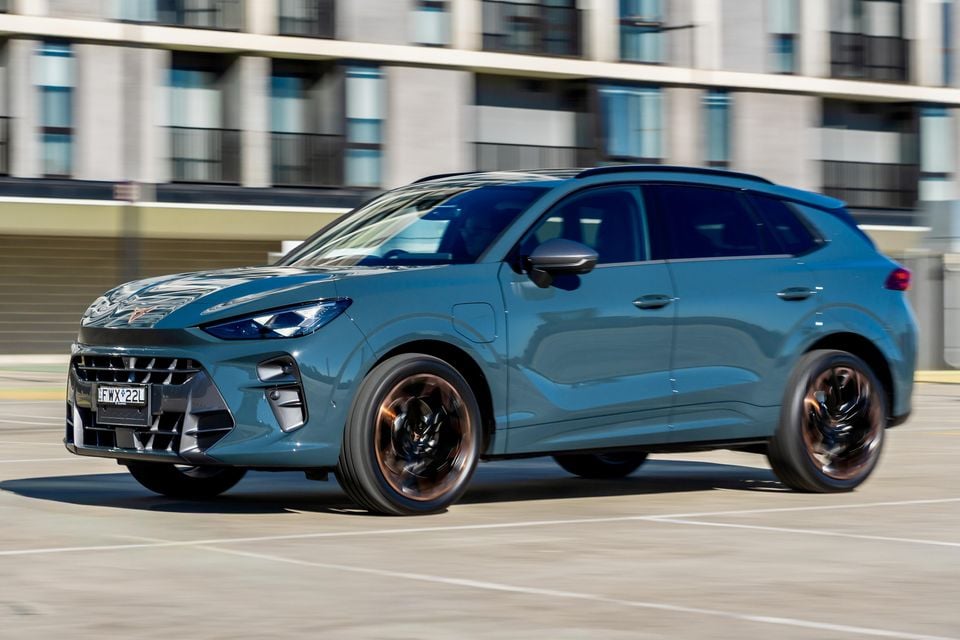
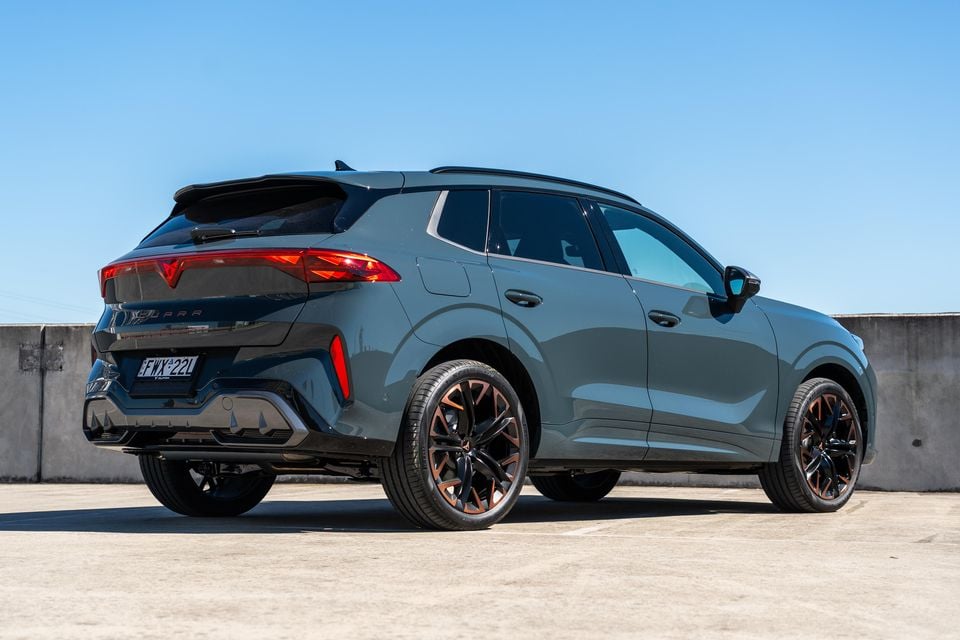
How does the new Cupra Terramar PHhandle a long-distance drive? We drove one from Melbourne to Canberra (and back) to find out.
CarExpert brings together reviews, research tools and trusted buying support, guiding you from research to delivery with confidence.
Cupra (and the Volkswagen Group as a whole) is really starting to up its plug-in hybrid (PHEV) game, but if you’re like us you might be wondering how its PHEV powertrain tech stacks up when it comes to Australia’s vast travel distances.
We’ve finally had a chance to get the new 2026 Cupra Terramar VZe through the CarExpert garage, and the plug-in hybrid mid-size SUV’s impressive 110km electric-only driving range and 0.5L/100km combined fuel consumption claim have been begging to be challenged.
But a week of commuting in dreary Melbourne traffic wouldn’t have done it justice, so when an opportunity to drive interstate for a weekend getaway came up unexpectedly it seemed like the perfect test.
And so we locked in a long-distance PHEV test drive from Melbourne to Canberra and back – a round trip of some 1300km all up – to see what the Terramar VZe really has to offer.
Before we get into it, though, it’s important to briefly talk about the Volkswagen Group’s recent PHEV activity.
The Terramar is just one in a series of non-luxury Group models to become available with an attainable PHEV powertrain in recent years. It isn’t the first Cupra PHEV to be sold in Australia (the Leon hatch and Formentor crossover beat it here), but it’s part of a new generation of plug-in hybrids either already here or coming soon from the German auto giant.
That includes PHEV options for the related Volkswagen Tiguan, Tayron, and Skoda Kodiaq, while the Skoda Superb is soon due for the same treatment. The facelifted Cupra Leon has also received a very similar PHEV setup to the Terramar, albeit only in Sportstourer wagon guise for the time being.
It’s a significant shift for the VW Group, especially given that its previous mainstream options were limited to previous-generation Cupras and the expensive Volkswagen Touareg R. With all that in mind, are the Volkswagen Group’s new PHEVs all they’re cracked up to be, and is the Spanish brand’s Terramar VZe a convincing example?
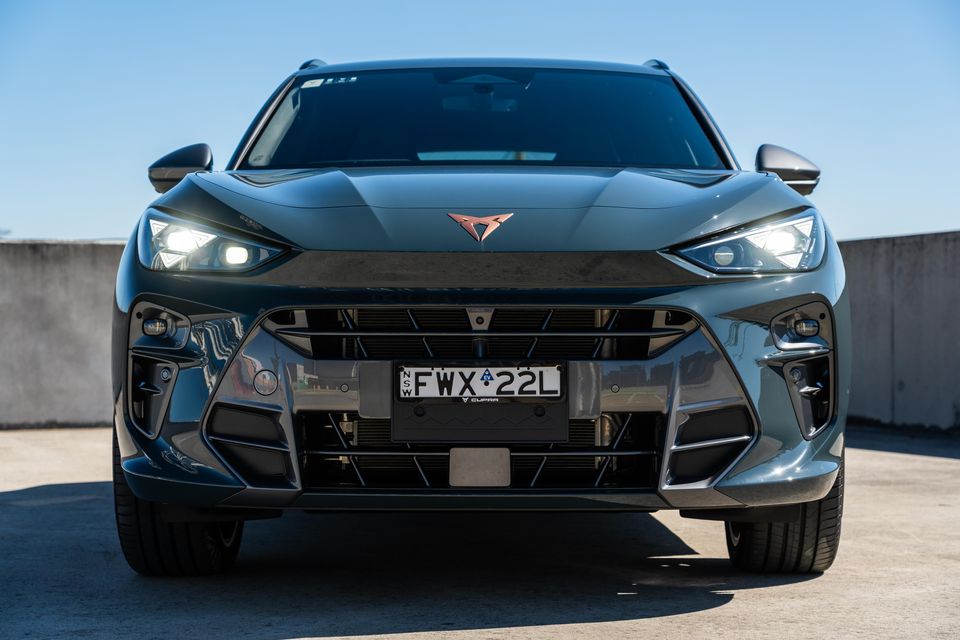
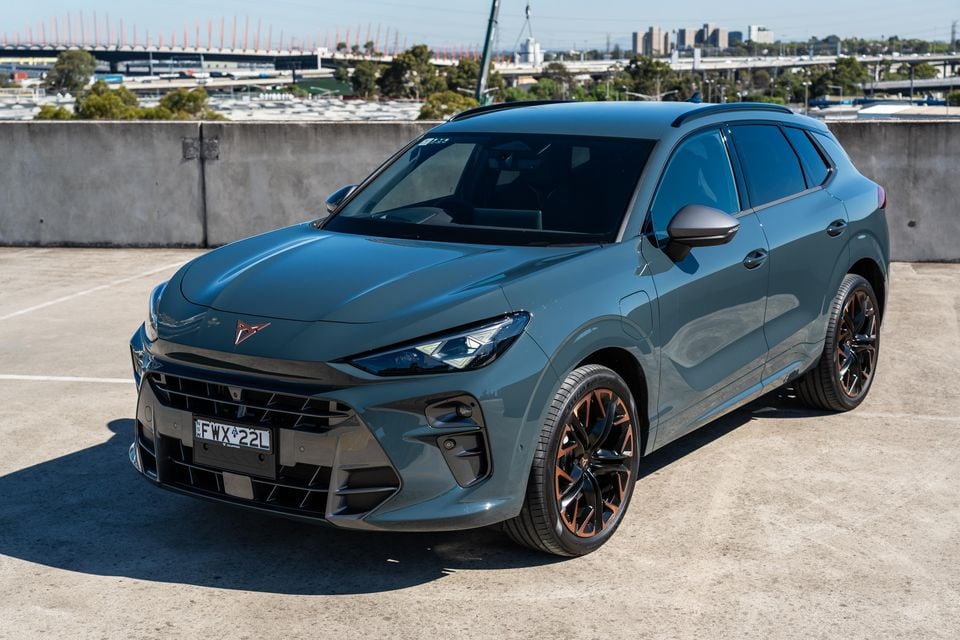
The plug-in hybrid VZe sits at the top of the Terramar lineup, priced from $77,990 before on-road costs. That makes it Cupra’s most expensive model in Australia.
| Model | Price before on-roads |
|---|---|
| 2026 Cupra Terramar S | $53,990 |
| 2026 Cupra Terramar V | $61,990 |
| 2026 Cupra Terramar VZ | $68,200 |
| 2026 Cupra Terramar VZe | $77,990 |
Compared to its Volkswagen Group stablemates, the Terramar is one of the more premium offerings. The related VW Tiguan 200TSI eHybrid R-Line with the same drivetrain starts from $74,550 plus on-roads, while the larger Tayron 200TSI eHybrid R-Line also undercuts the Terramar at $76,550 plus ORCs.
It’s also more expensive than the Cupra Leon Sportstourer VZe at $69,990 plus ORCs with the exact same powertrain, and the incoming Formentor with the same PHEV system will also likely be positioned beneath the Terramar in price.
Audi is yet to lock in pricing for its related 200kW Q3 e-hybrid, which is made in the same Hungarian factory as the Terramar.
Outside the VW Group, there aren’t any direct rivals for the Terramar VZe – at least not yet. You could consider a dealer-stock Alfa Romeo Tonale PHEV ($78,500 before on-roads), but incoming models like the Toyota RAV4 GR Sport PHEV ($66,340 before on-roads) and the new BMW X1 xDrive25e ($79,500 before on-roads) are also worth keeping an eye on.
Also important are the considerably cheaper Chinese options, including the larger Chery Tiggo 8 CSH Ultimate ($49,990 drive-away) and BYD Sealion 8 Premium ($70,990 before on-roads). Closer in size is the Omoda 9, which costs $61,990 before on-roads.
To see how the Cupra Terramar stacks up against its rivals, use our comparison tool
Buy your new car without the stress. It's fast, simple and completely free.

Great service from Travis and team, second time I have used this business would not hesitate to recommend them to anyone
Craig C.
Purchased a Ford Ranger in Sunshine Coast, QLD
CarExpert helped Craig save thousands on his Ford Ranger, now let us save you on your next new car.
Find my dealA comfortable cabin is essential for a long road trip, and we’re pleased to say the Terramar exceeded our expectations.
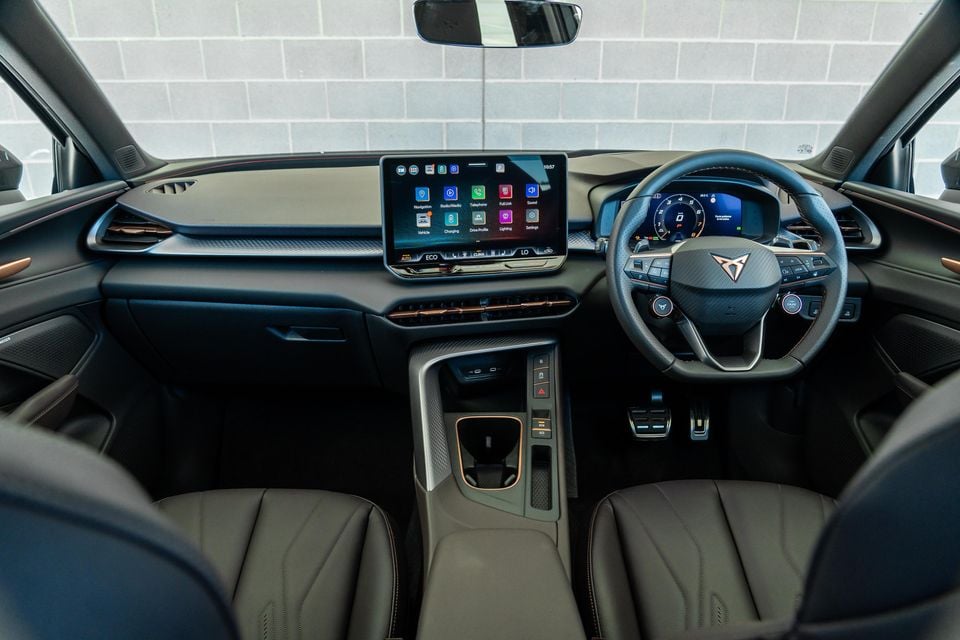
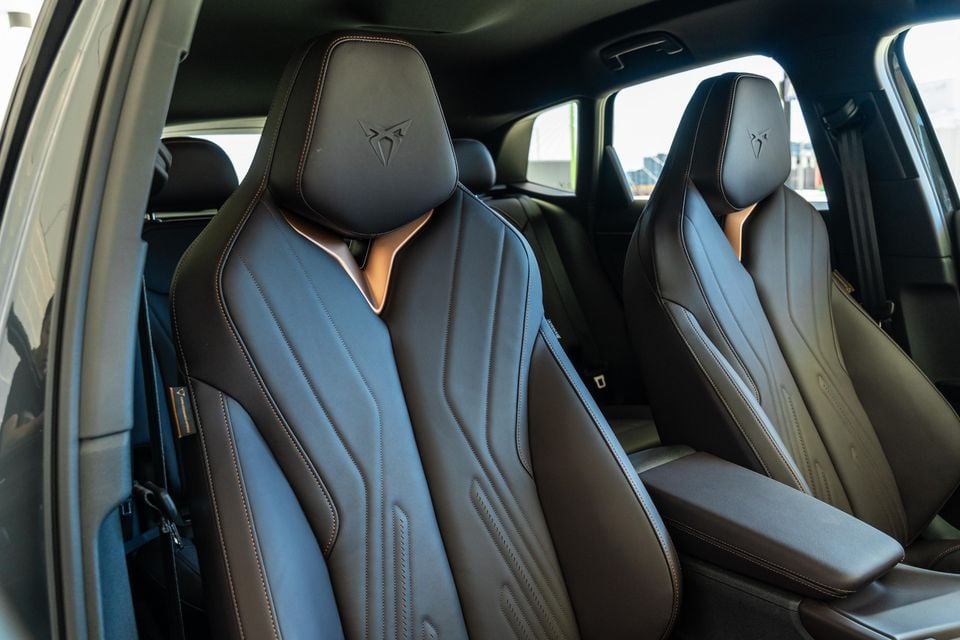
It’s easy to look at the clearly sports-inspired seats and steering wheel and assume you’ll be in for a harsh ride, but everything turns out to be surprisingly plush. The seats are quite wide and lack aggressive bolstering, which makes them softer and more comfortable than they look.
When lower back soreness began setting in after an hour or two at the helm, a quick lumbar adjustment soon had things sorted. From then on, there were no issues with seat comfort, even though it’s disappointing that there’s no ventilation function.
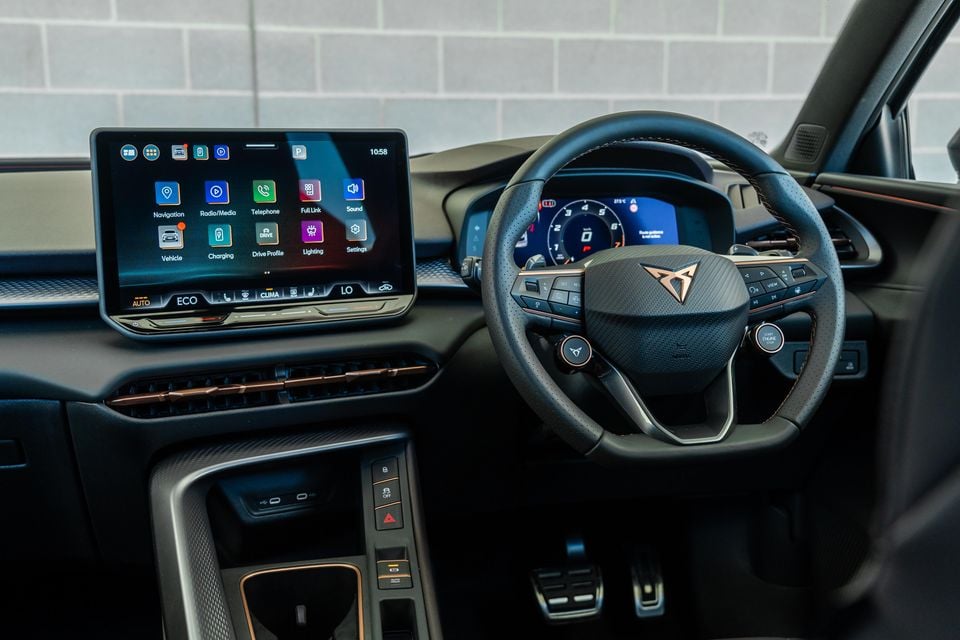
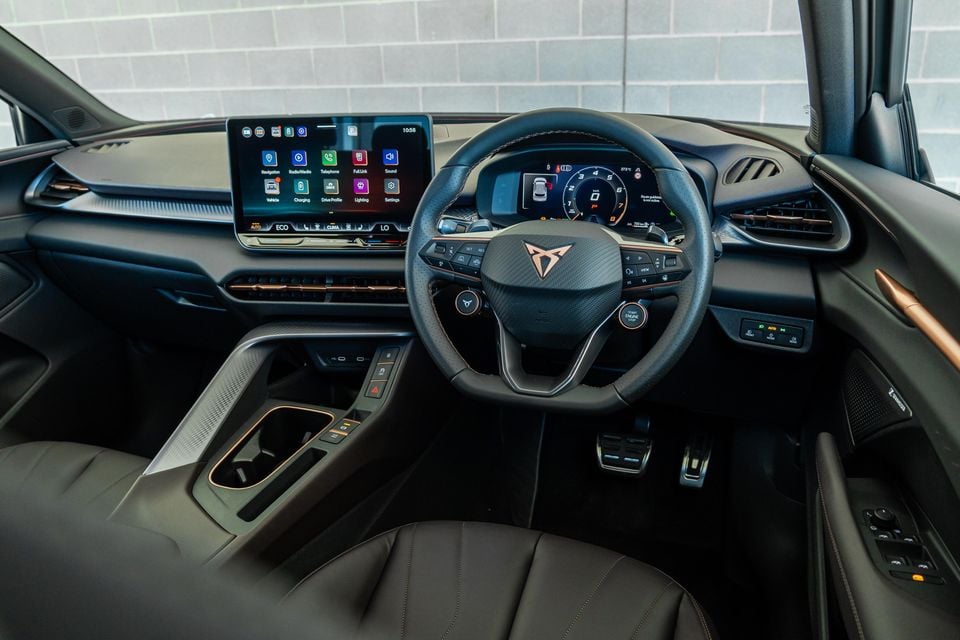
As is typical for Cupra, there are distinctive styling cues to help offset the features taken from the Volkswagen parts bin. The steering wheel, for instance, is wrapped in perforated leather, features sharp, angular sculpting, is finished with Cupra’s signature copper accents, and has unique ‘floating’ satellite buttons to adjust drive modes and start the car.
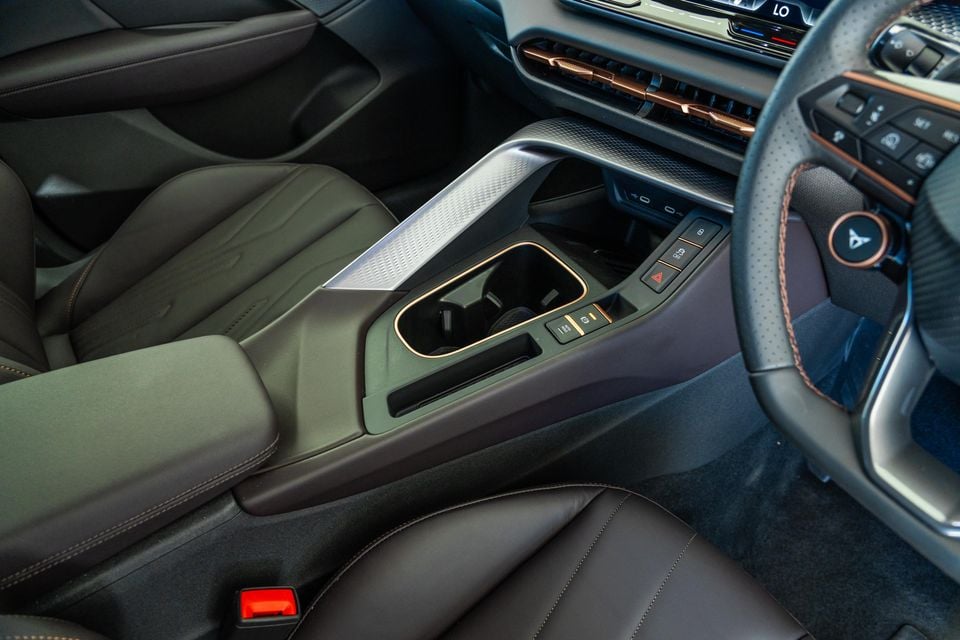
You also get a plastic ‘spine’ on the centre console, offset to the left, rather than copying the central positioning in the larger Cupra Tavascan. Mind you, the Tavascan’s interior is very bold with its unique layout, making the Terramar appear quite traditional in comparison.
In fact, the cabin’s overall layout isn’t that far removed from the setup in the related Volkswagen Tiguan. We like the way everything angles toward the driver, creating a cockpit feel that’s uncommon in SUVs.
The trade-off is a cabin that feels quite small despite the Terramar’s large-looking exterior, mimicking the feel of a lifted hatchback rather than a traditional wagon-shaped SUV. That’s to be expected given this vehicle replaces the similarly packaged Ateca, and we actually like the compact vibe – even on a long drive.
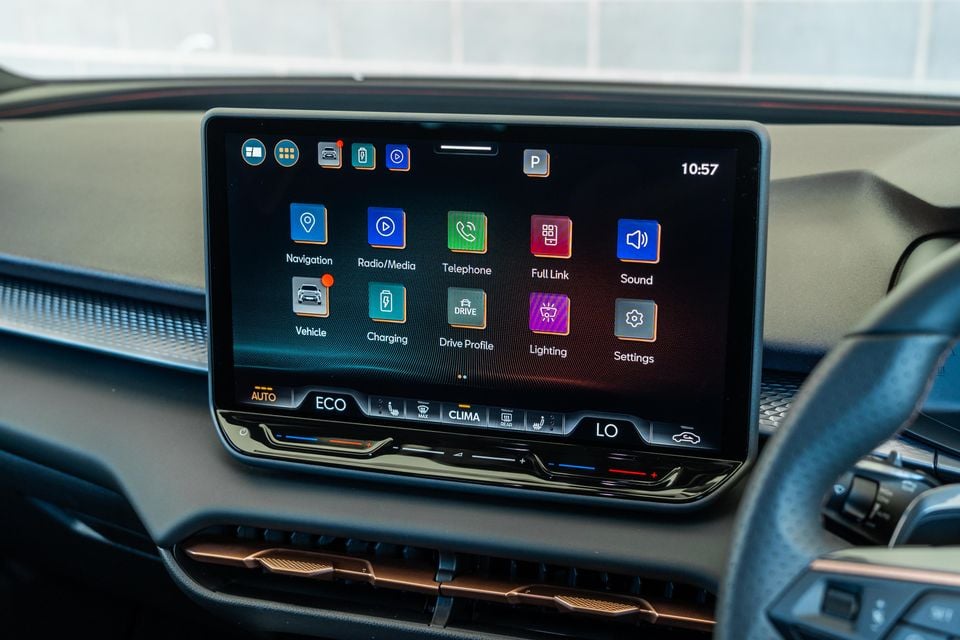
The car’s main control hub is the 12.9-inch touchscreen infotainment system. Perched high atop the dashboard, this screen is identical to that fitted to lower grades of the Tiguan, complete with the obnoxious and unnecessary touch-sensitive sliders at the bottom – however, higher-spec versions of the VW get a larger 15.0-inch touchscreen.
This is the only real blight on the Terramar’s cabin, as the sliders aren’t just fiddly, but they’re also a magnet for fingerprints and smudges, and can quickly look second-rate. They’re also a relic of Volkswagen’s recent haptic craze, which has thankfully passed as the Group has promised to return to real buttons – but at least they’re illuminated now.
The screen itself is quite sharp and snappy with its response times. It’s easy enough to figure out where everything is thanks to large, legible app icons, and there are a bunch of useful shortcuts at the top of the screen for frequently used functions.
Even more settings shortcuts are found by swiping down from the top of the screen – they’re all customisable, though it’s still annoying that climate control is largely digital-only. Wireless Apple CarPlay and Android Auto are also standard, though we noticed brief CarPlay hiccups when driving under Melbourne’s toll gantries.
A bonus in the Terramar VZe is its Sennheiser sound system. It not only sounds crisp but also offers loads of configurability, giving you full control over EQ, audio immersion, and audio location focus depending on how many people are in the car.
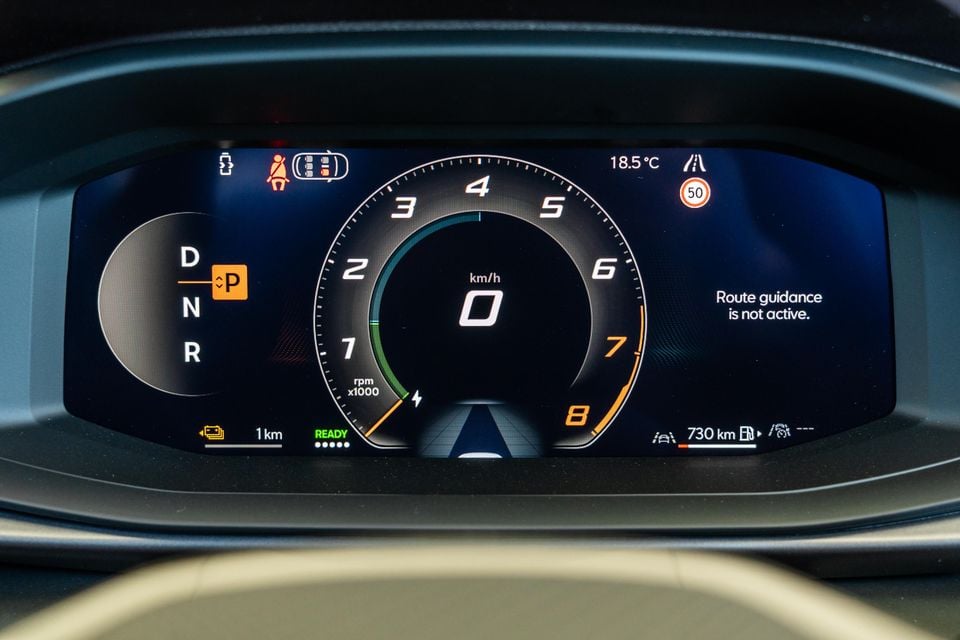
The 10.25-inch digital instrument display is also quite crisp, with a handful of styles to suit different tastes. You can configure various widgets on either side of the screen with all manner of information using the buttons and scroll wheel on the right side of the steering wheel.
Fortunately (and despite the use of haptic sliders), Cupra has retained proper buttons on the steering wheel. All of them press with a confident action, and they’re far easier to live with than the haptic tiller controls of old.
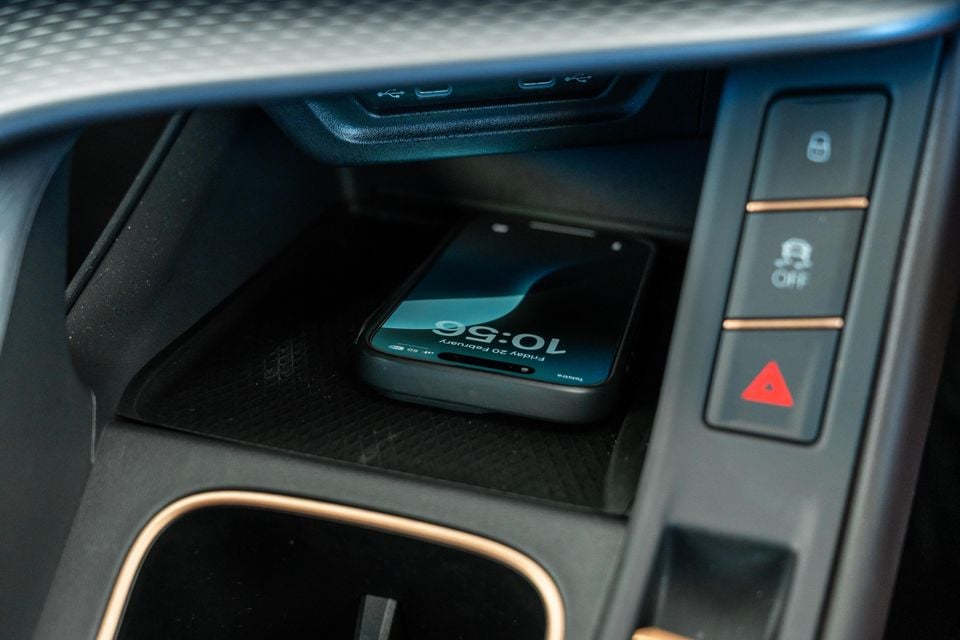
Storage is acceptable, but not outstanding. There are two cupholders of different sizes on the centre console, along with a small slot and a hidden wireless charger that holds phones nicely – our devices did get hot when charging, though, so the dual USB-C chargers above may be more practical.
Additionally, the cubbies in the doors can comfortably hold large 1.5-litre bottles, and there’s a decently sized storage box under the padded central armrest. This lid/armrest ratchets, too, so you can adjust it to various heights for extra support.
This was handy on our long drive, especially given the driver’s door armrest is a little far from the wheel for me to be perfectly comfortable. Cupra could also be a bit more generous with the padding here.
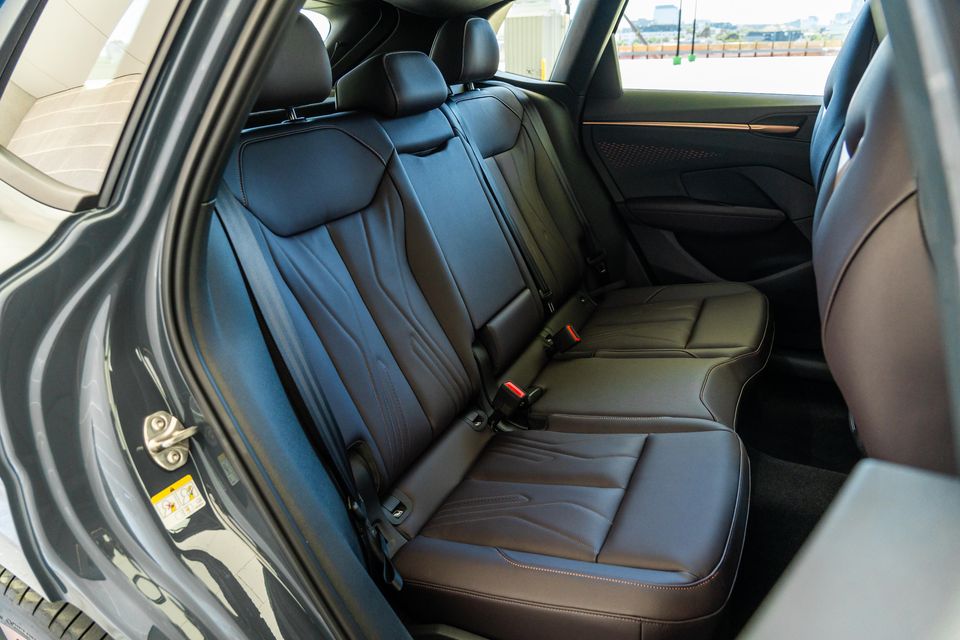
Despite the impression of compactness up front, the second row is fairly accommodating. At a modest 173cm, I had no issues with headroom or legroom, and taller friends were similarly comfortable – not just because the driver’s seat was in my seating position, either.
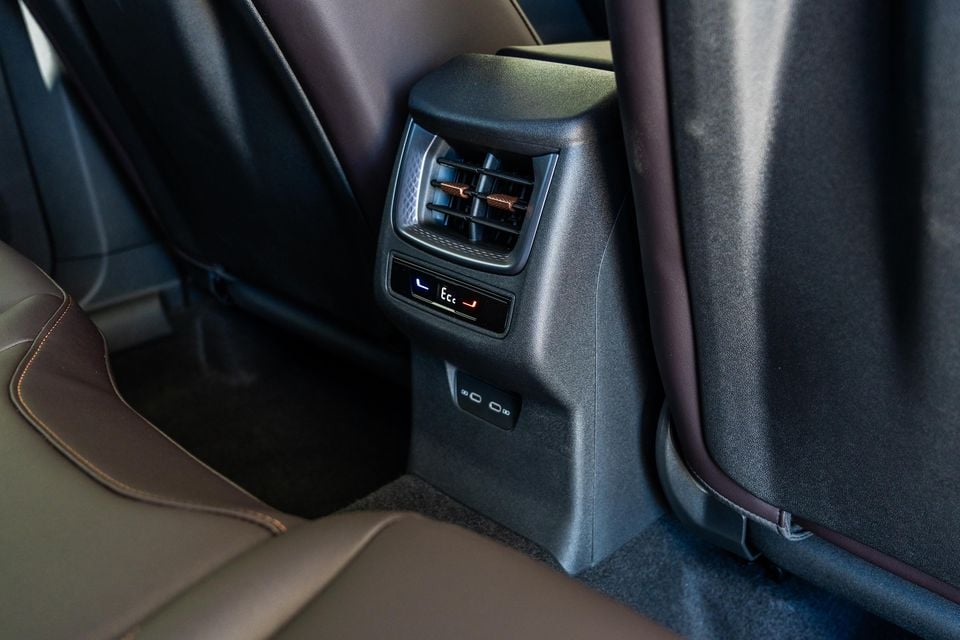
It is still best utilised as a two-seat bench, though, as the driveline tunnel is intrusive for middle-seat occupants. There’s a third zone of climate control back here, with a simple dedicated panel for temperature and fan speed on the back of the centre console, below which you’ll also find two USB-C ports.
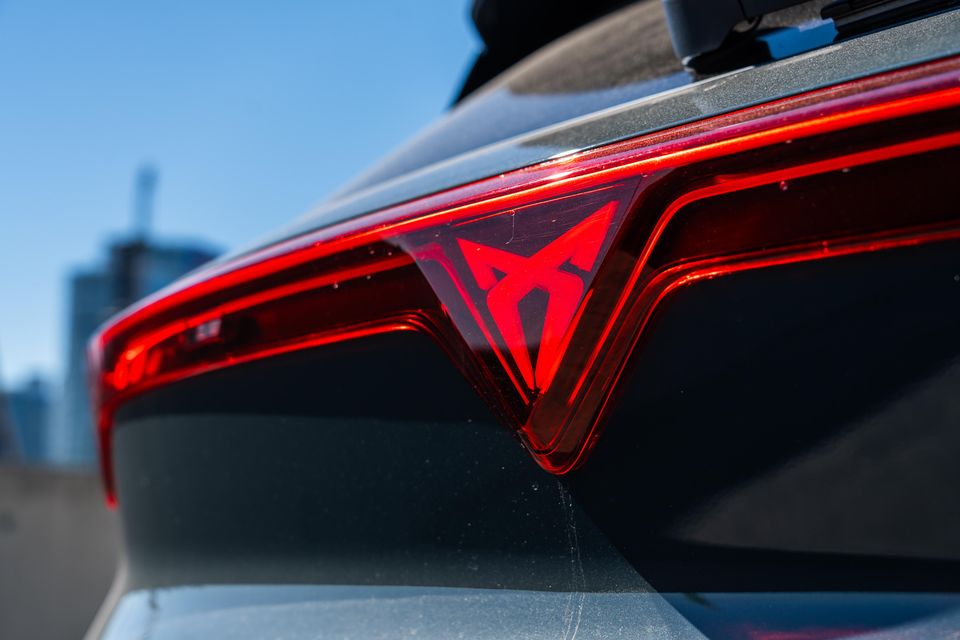
The interior ambience is elevated by triangulated lighting at the rear, which is somewhat diluted by the use of hard plastic on the tops of the door cards. There’s a fold-down armrest with cupholders, but Cupra has annoyingly skimped on map pockets for the front seatbacks. Instead there’s just scratchy plastic.
The Terramar’s boot is a good size, even in VZe trim. A power tailgate makes access easier, and there’s no drop from the boot opening to the load floor.
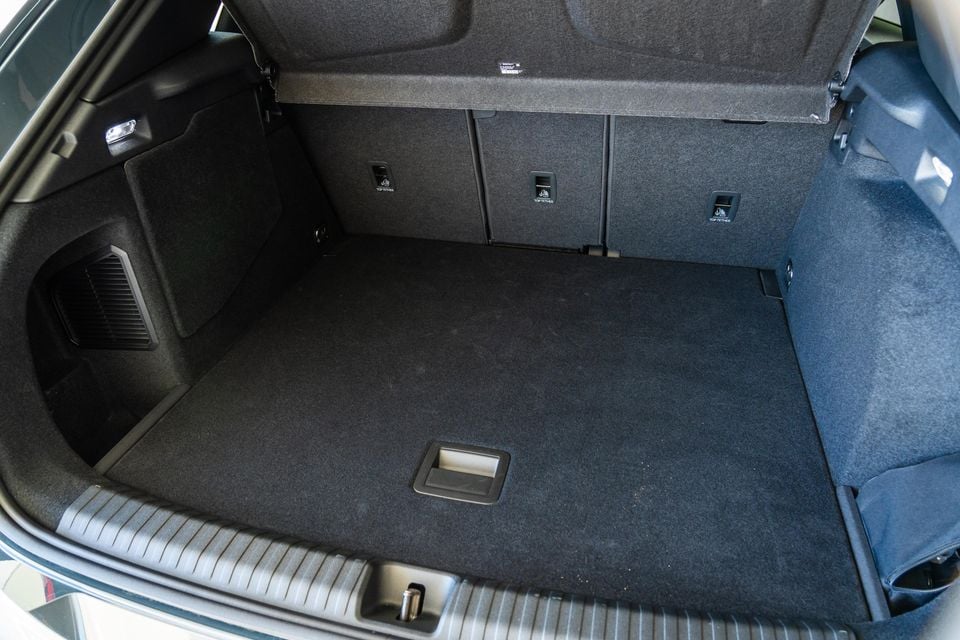
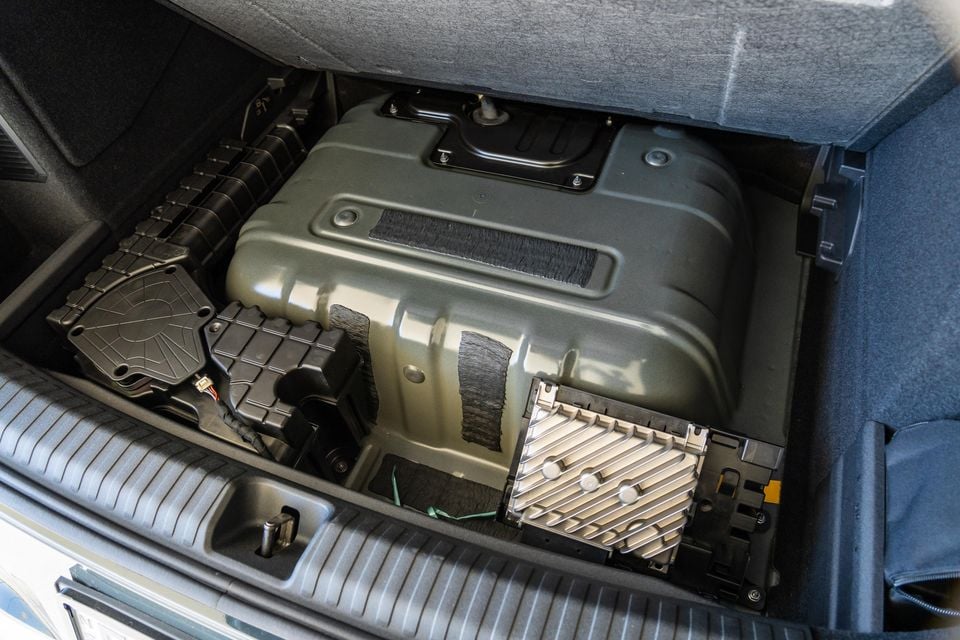
There are additional cubbies on either side of the cargo space for loose items, but unlike petrol-only variants the VZe lacks underfloor storage due to the placement of its battery. That isn’t the end of the world, but it certainly makes carrying spare charging cables a little more cumbersome, taking up otherwise practical space.
There’s no temporary spare wheel under the floor either, meaning a tyre repair kit is your only option. Compared to a non-hybrid Tiguan’s 652 litres, the Terramar VZe boot’s capacity of 400L is also lacking. The ‘normal’ Terramar’s capacity is quoted at 508L.
| Dimensions | Cupra Terramar VZe |
|---|---|
| Length | 4519mm |
| Width | 2087mm |
| Height | 1610mm |
| Wheelbase | 2681mm |
| Cargo capacity | 400L |
To see how the Cupra Terramar stacks up against its rivals, use our comparison tool
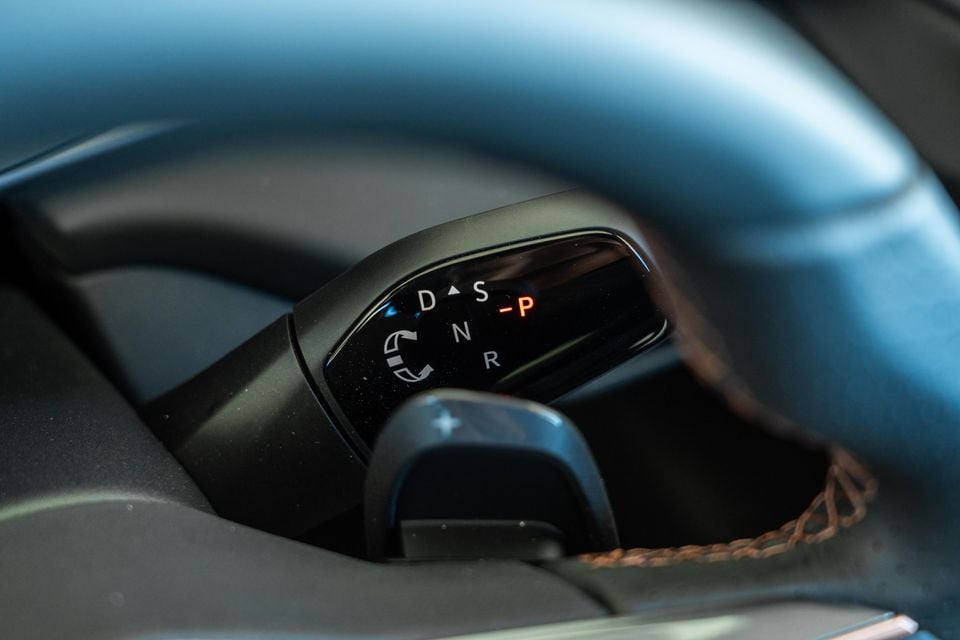
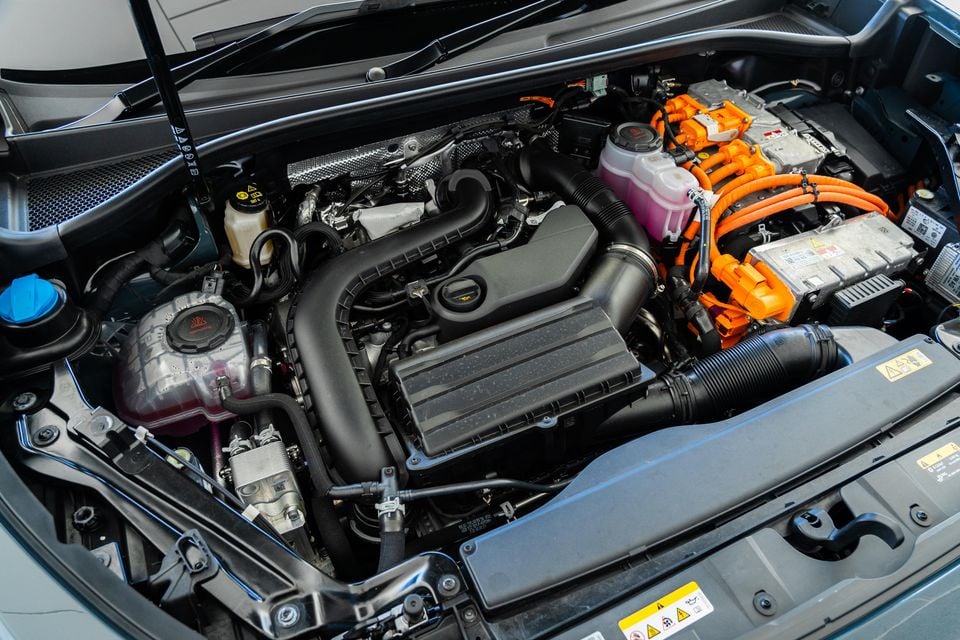
Powering the Terramar VZe is a plug-in hybrid system incorporating a 1.5-litre turbocharged four-cylinder petrol engine and an electric motor, with total outputs of 200kW of power and 400Nm of torque. Drive is sent only to the front wheels via a six-speed dual-clutch automatic transmission.
| Specifications | Cupra Terramar VZe |
|---|---|
| Engine | 1.5L 4cyl turbo-petrol |
| Engine outputs | 130kW / 250Nm |
| Peak electric motor outputs | 85kW / 330Nm |
| Peak system outputs | 200kW / 400Nm |
| Battery | 20kWh li-ion |
| Transmission | 6-speed dual-clutch auto |
| Drive type | Front-wheel drive |
| Tare mass | 1940kg |
| 0-100km/h (claimed) | 7.3 seconds |
| Fuel economy (claimed) | 0.5L/100km |
| Energy consumption (claimed) | 18.6kWh/100km |
| Electric driving range (claimed, WLTP) | 110km |
| Max. AC charge rate | 11kW |
| Max. DC charge rate | 50kW |
| Fuel tank capacity | 45L |
| Fuel requirement | 95-octane premium unleaded |
| CO2 emissions | 11g/km |
| Emissions standard | Euro 6 |
| Braked tow capacity | 2000kg |
We’ll go into detail about our fuel economy and energy consumption in the driving section below.
To see how the Cupra Terramar stacks up against its rivals, use our comparison tool
Before we get into the economy stuff, let’s first talk about how the Terramar drives. Fortunately, it’s a very easy car to settle into.
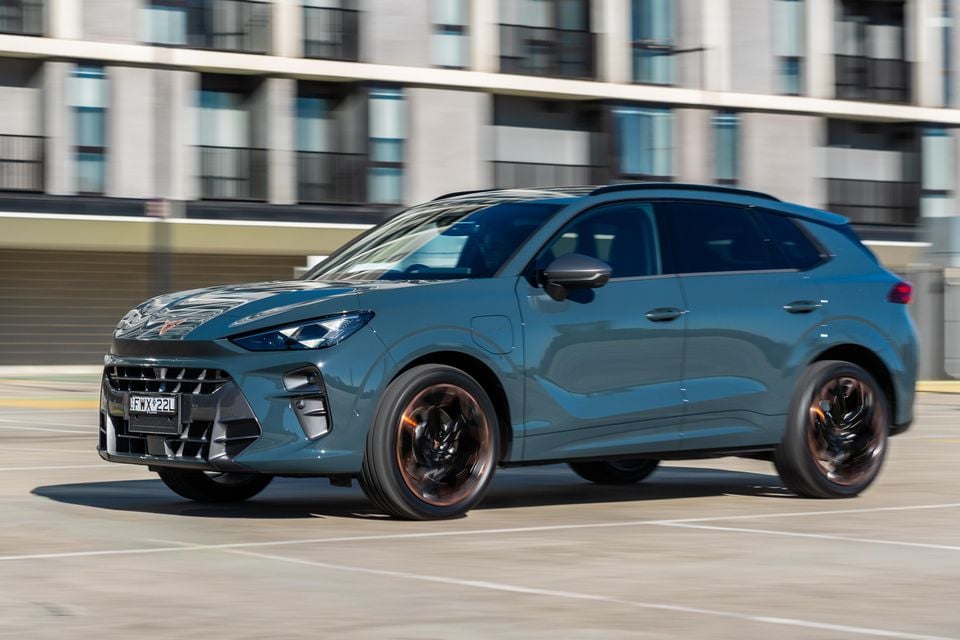
Given Cupra’s sportier leanings, we expected the Terramar to offer a harsh ride and loads of road noise from its 20-inch wheels. Once we reached the Hume Freeway’s 110km/h zone, however, we were pleased (and somewhat relieved) to find that it’s actually quite livable.
I’ve said before that all modern Volkswagen Group cars are vastly improved by the inclusion of Dynamic Chassis Control Pro (DCC Pro), and the Terramar is no different. This adaptive damping setup is fantastic at managing road imperfections and body control, which makes the Cupra predictable and surprisingly comfortable at speed.
That also translates to strong handling, including a quality steering feel. Granted, that isn’t the most important thing if you’re regularly driving on boring straight roads, but it’s always worth having up your sleeve.
If you need it to be sharper, engaging the ‘Performance’ or ‘Cupra’ drive modes stiffens up the suspension and adjusts electric/petrol management to prioritise power. We found this especially useful on freeway on-ramps, though we could do without the laughably fake engine noise piped through the speakers – it is just a 1.5L, after all.
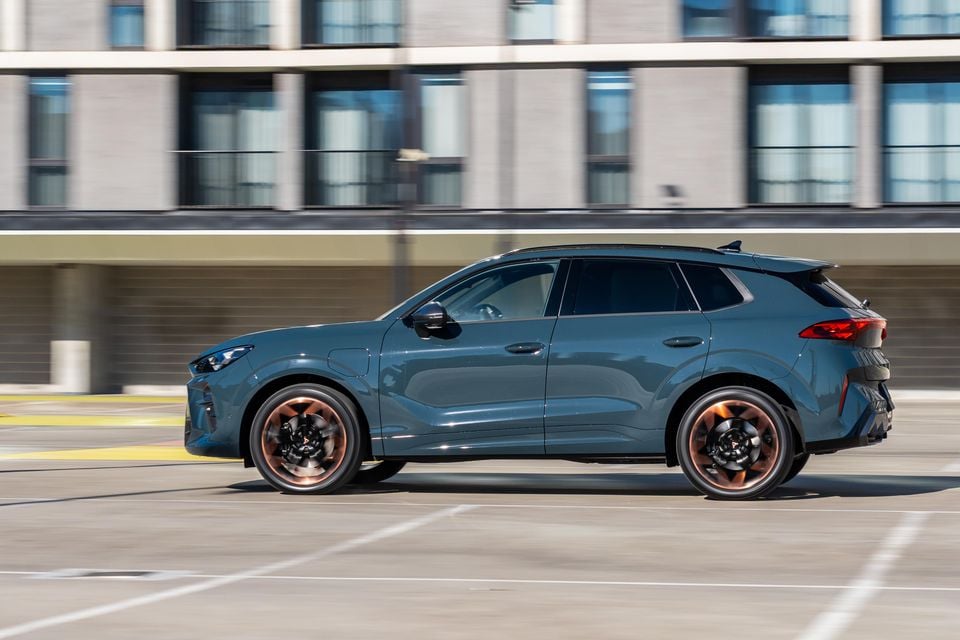
Road noise is well managed despite the huge alloys, though the Terramar is far from silent. Coarse-chip sections of freeway are still very audible, but smoother Victorian asphalt and New South Wales concrete surfaces are nice and quiet. Funnily enough, it seems the Hume’s southbound lanes are consistently worse than its northbound ones.
Wind noise is almost imperceptible, and the aforementioned Sennheiser system does a good job of cutting through other ambient noise.
Efficiency aside for now, the Terramar’s powertrain performance is strong. Its on-paper specs aren’t earth-shattering, but laying into the throttle provides a good push. However, it’s a shame this car isn’t all-wheel drive, because serious torque-steer presents itself unless you’re gentle on the throttle from standing starts and low-speed corners. The transmission is generally smooth, but there is a quirk there too.
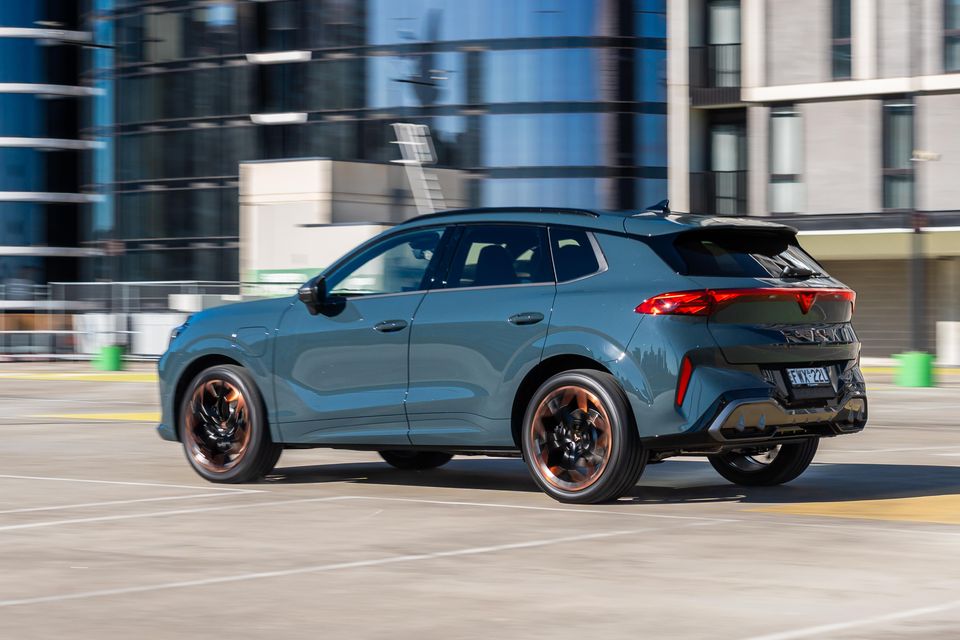
The Terramar VZe’s electric motor sits upstream of the transmission, so you can feel shifts when driving in electric-only mode. This will be an odd sensation for those familiar with a traditional electric vehicle (EV), particularly at low speeds, but it isn’t the end of the world.
CarExpert brings together reviews, research tools and trusted buying support, guiding you from research to delivery with confidence.
What’s less forgivable is the brake pedal feel, which is frankly terrible. It needs to be pressed very hard and far into its travel to provide real stopping power, which is not only difficult to adjust to but also annoying – we even had the anti-lock braking system kick in when trying to stop normally because of how far the pedal was pressed.
Fortunately, the vehicle can also be slowed by two different regenerative braking strengths, adjustable via either the infotainment system or the paddle shifters when in ‘Comfort’ mode. In the sportier modes, the paddles only shift gears.
A major strength of the Terramar is its safety gear. We spent practically the entire drive to and from Canberra with adaptive cruise control and lane-centring enabled, and they performed faultlessly. The car will comfortably hold a steady 110km/h around every freeway bend, and accelerate and overtake confidently if slowed by a vehicle ahead.
Despite some minor quirks, the Terramar is generally enjoyable to drive and a good long-distance cruiser once you’re on the open road. That solid baseline stayed true even in the torrential rain we experienced on the return drive.
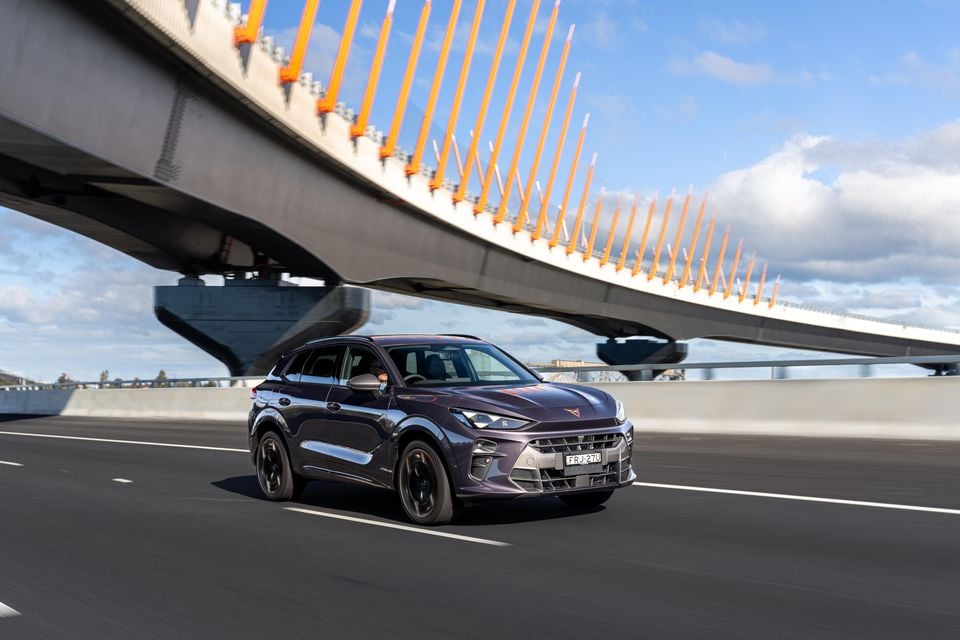
PHEV economy results
We departed CarExpert’s Melbourne office with a full tank and the battery charged to 80 per cent (as per Cupra’s recommendation), providing an indicated electric range estimate of 92km.
Obviously, that wouldn’t be enough for the ~660km journey ahead, so we engaged ‘Hybrid’ mode via the infotainment system. In this mode, the car claims it will manage electric and petrol propulsion to maximise travel distance using information derived from its in-built satellite navigation system.
With that knowledge, we simply set ‘Canberra’ as our destination and set off. We chose the most direct route from Melbourne to Canberra, via the Tullamarine Freeway (CityLink), Metropolitan Ring Road, Hume Freeway, and eventually the Barton Highway – so almost entirely freeway.
Traffic in greater metropolitan Melbourne was predictably abysmal, so the car prioritised electric power here. That saved fuel in stop-start driving, but with energy consumption now exceeding 10kWh/100km (still well below Cupra’s claim), the battery was depleting quicker than expected.
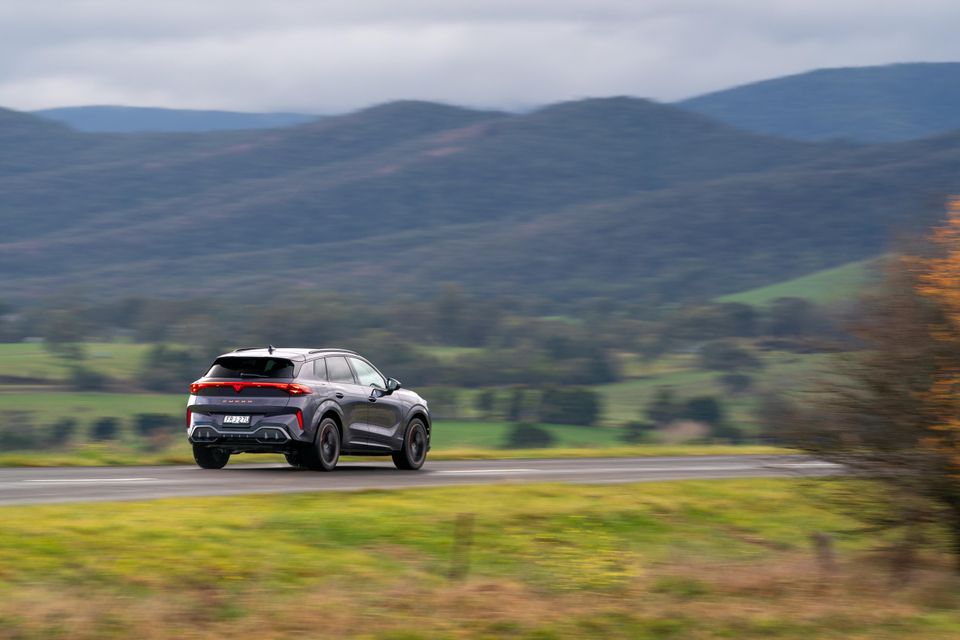
By the time I realised and hastily switched on the ‘preserve battery charge’ mode, the estimated EV range had dropped to 45km. Hardly ideal with 620km still to travel, but at least I still had a full tank of petrol in reserve.
And so the drive continued with the car doing its best to preserve charge. This naturally meant the engine had very little electric assistance, which increased fuel consumption to 5.3L/100km by the time we arrived at our destination. This was up from roughly 2.3L/100km at the start of the drive.
It’s worth mentioning that I made only a couple of brief bathroom stops to break up the drive, with the intention of completing it without charging or refuelling. Happily, I was successful and arrived in Canberra with a nearly-empty battery and 150km of fuel left in the tank nearly seven hours after setting off.
Not too bad, especially given I started the drive with a total range estimate of 750km, which means I gained around 60km of range despite keeping the electric motor dormant for most of the drive.
Recorded fuel economy and energy consumption figures are detailed below:
| Melbourne to Canberra | Cupra Terramar VZe |
|---|---|
| Fuel economy (as tested) | 5.3L/100km |
| Energy consumption (as tested) | 2.0kWh/100km |
| Distance covered | 661km |
| Average speed | 98km/h |
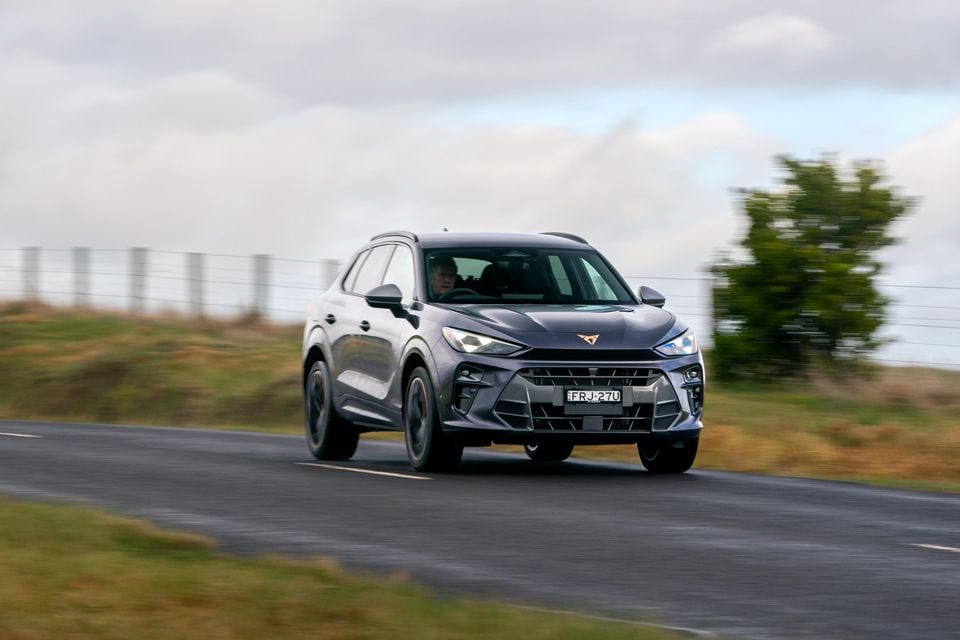
There were a couple of key observations. One is that despite the low charge and the car being set to maintain its battery level, the Terramar would still engage the electric motor when possible.
That meant it would switch off the engine and automatically maintain downhill speed using regenerative braking, and often drive on electric power until throttle inputs reached a certain level. We also noticed that performance isn’t significantly affected by the lack of electric assistance, at least not in normal driving.
Once in Canberra, the car was happy to mosey through the city on petrol power over the next couple of days before we looked for somewhere to charge. Much to my surprise, it was surprisingly difficult to find a charger in the nation’s capital.
The first two or three locations we tried were all completely occupied or out of order, but then we found a free charger hidden in a quiet corner of the Australian National University campus. I then downloaded and signed into the Exploren app (which I’d never heard of before), and plugged the car in.
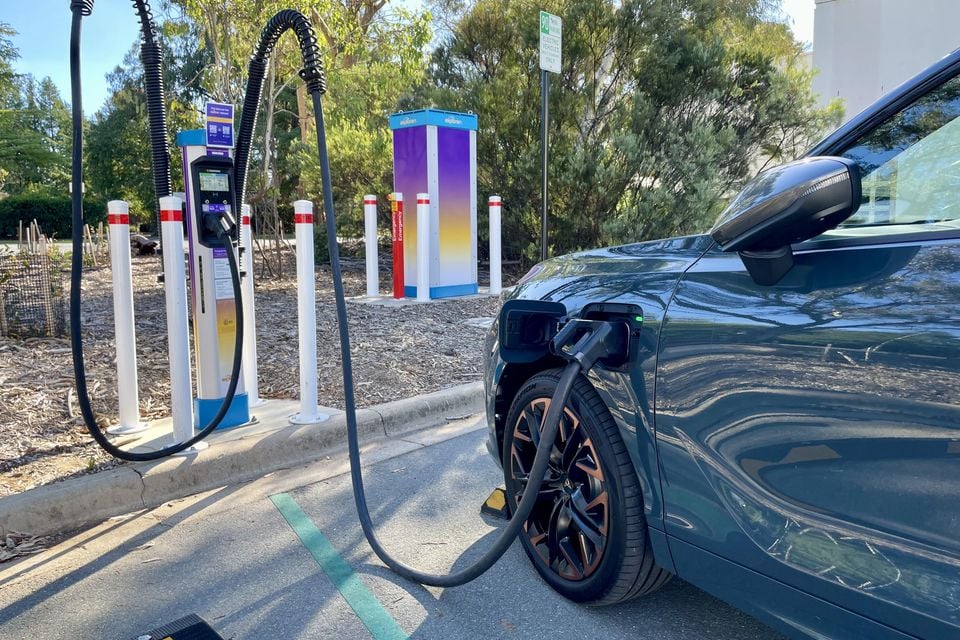
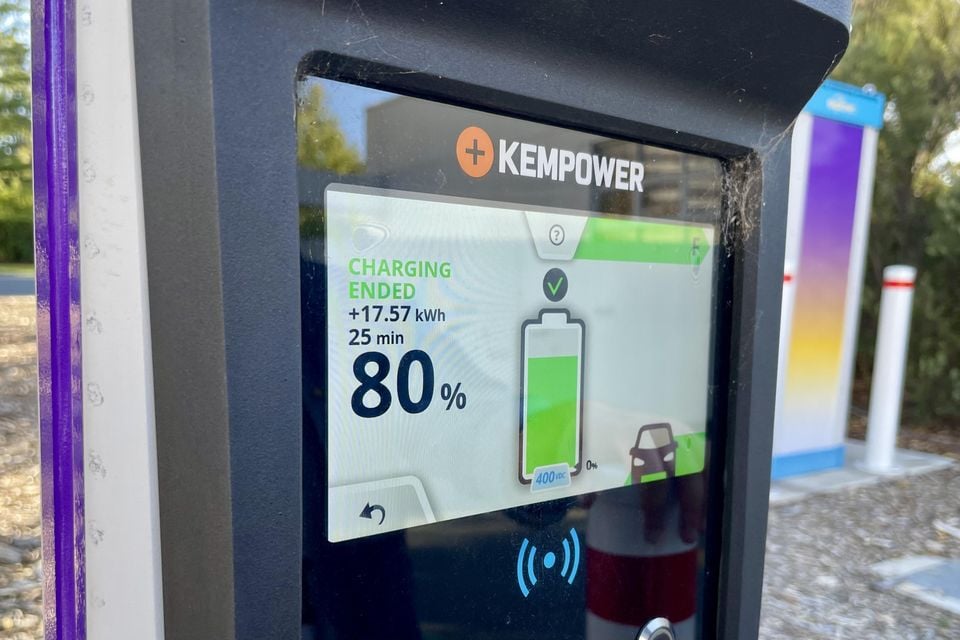
This allowed me to charge at the maximum 50kW for the first time, which may not sound like much in the context of modern EVs with 150kW-plus of maximum DC fast-charging capacity, but even at that rate the Terramar charged more quickly than expected. I barely had enough time to walk around the corner for something to eat before it was done.
Charging from near-zero to 80 per cent took 25 minutes, which seems about right – it could arguably be a touch quicker for such a small battery, but it’s about on par for PHEVs, and at least it can fast charge. For reference, the Omoda 9 has a slightly larger battery and can handle 70kW charging. And for context, slow-charging the Terramar at 11kW generally took about an hour and 40 minutes.
Regardless, with the car now charged, I again selected ‘preserve battery charge’ to keep it that way until it was time to drive home. I was somewhat confused by the fact the estimated EV range still dropped from 88km to 79km during low-speed driving, though.
The weather turned nasty by the time we departed Canberra, with rain for the entire six-hour drive and a deluge as we passed by Albury. This time, I again engaged Hybrid mode and ticked ‘preserve battery charge’, but turned it off when we hit the freeway.
The intention was to see how Hybrid mode would manage charge on its own, and we again set out to complete the drive without refuelling or recharging.
With no driver intervention, however, the battery was fully depleted with 3.5 hours still to go. This was disappointing but not all that surprising, although both petrol and energy consumption were higher than before. The adverse weather (requiring headlights and wipers, plus more rolling resistance from standing water) may have been the difference here.
In any case, we arrived in Melbourne’s north (55km from where we started a few days earlier) with an estimated 130km of combined range remaining after relying on the engine for the second half of the drive. A successful and worthwhile exercise.
Recorded fuel economy and energy consumption figures are detailed below:
| Canberra to (almost) Melbourne | Cupra Terramar VZe |
|---|---|
| Fuel economy (as tested) | 5.9L/100km |
| Energy consumption (as tested) | 2.4kWh/100km |
| Distance covered | 606km |
| Average speed | 98km/h |
To see how the Cupra Terramar stacks up against its rivals, use our comparison tool
There are three trim levels for the Cupra Terramar, with the top-spec VZe sharing the equipment list of the VZ.
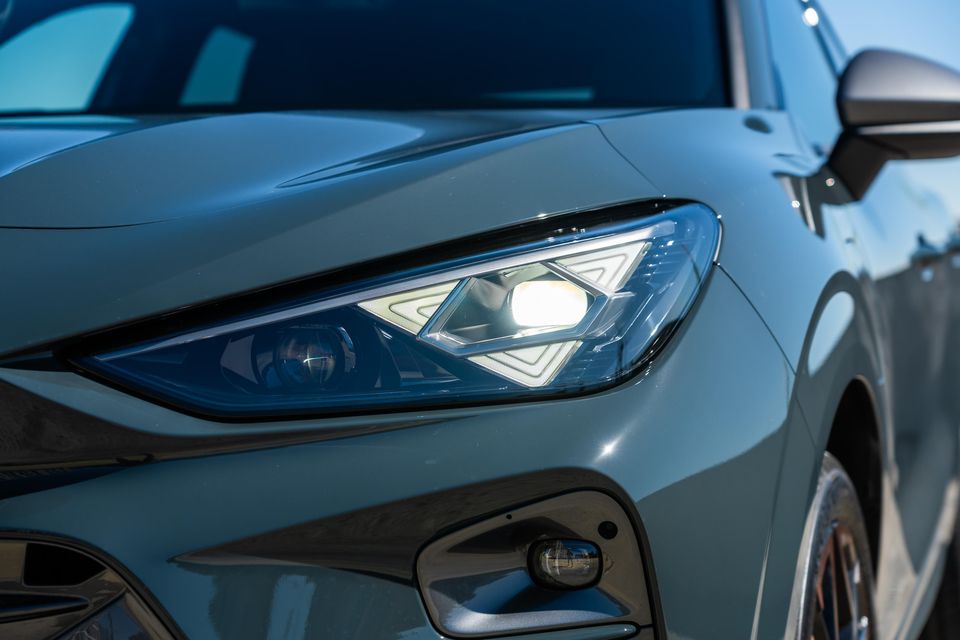
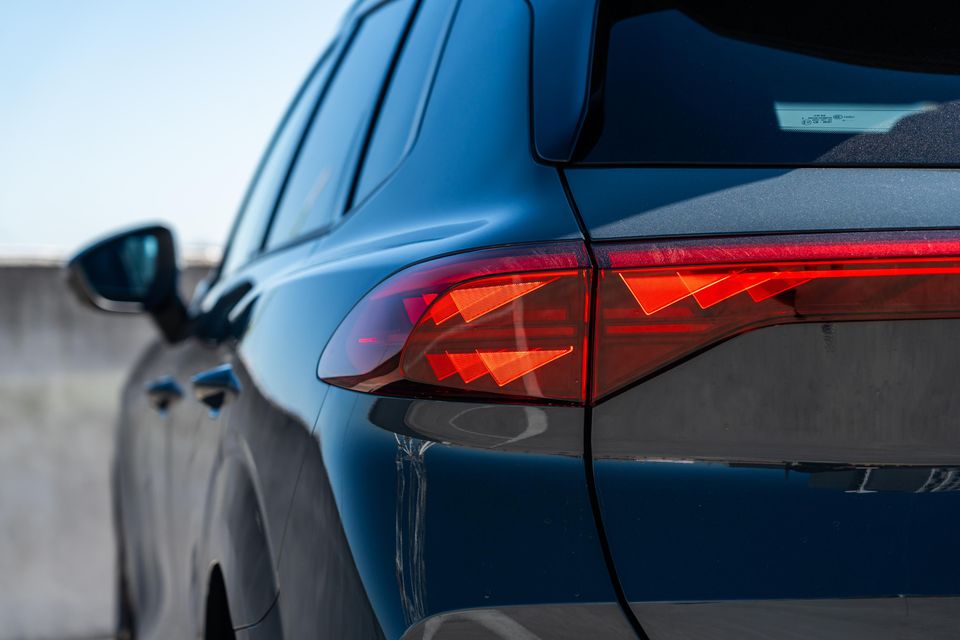
2026 Cupra Terramar S equipment highlights:
Terramar V adds:
Terramar VZ adds:
Terramar VZe adds:
To see how the Cupra Terramar stacks up against its rivals, use our comparison tool
The Cupra Terramar has a five-star ANCAP safety rating, based on testing conducted by Euro NCAP in 2025.
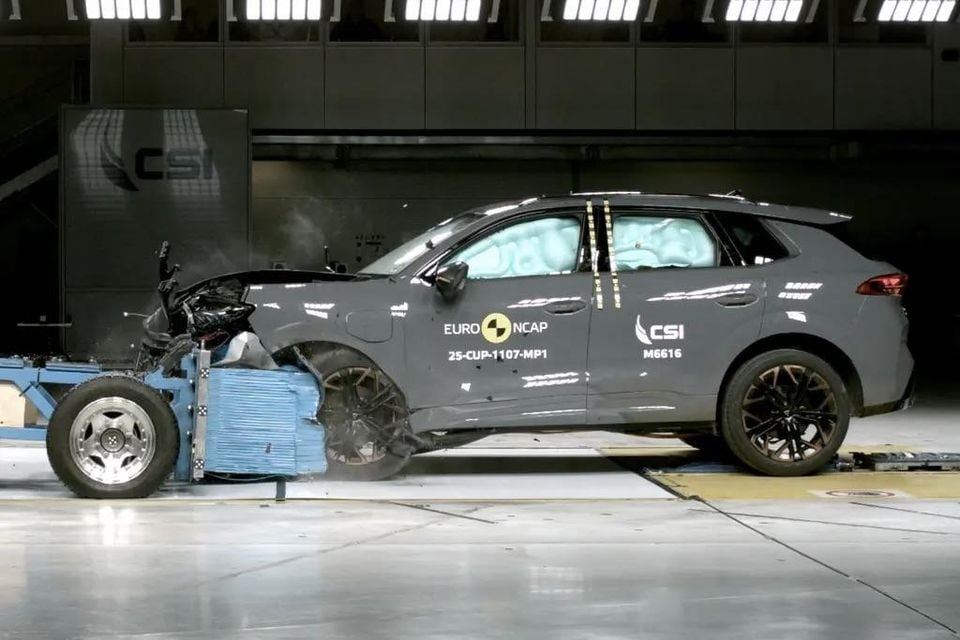
| Category | Cupra Terramar |
|---|---|
| Adult occupant protection | 89 per cent |
| Child occupant protection | 87 per cent |
| Vulnerable road user protection | 82 per cent |
| Safety assist | 78 per cent |
Standard safety equipment highlights:
To see how the Cupra Terramar stacks up against its rivals, use our comparison tool
Cupra Australia backs its range with a five-year, unlimited-kilometre warranty. Servicing for the Terramar is required every 12 months or 15,000km, whichever comes first.
| Servicing and Warranty | Cupra Terramar |
|---|---|
| Warranty | 5 years, unlimited kilometres |
| Roadside assistance | 5 years |
| Service intervals | 12 months or 15,000km |
| Capped-price servicing | Prepaid service plans |
| Total capped-price service cost | $1490 (3-year plan) $2590 (5-year plan) |
Given its Volkswagen Group relatives either offer similar powertrains or haven’t fully been launched yet, more useful maintenance cost comparisons can be drawn with Chinese competitors.
Over five years, the Tiggo 8 CSH costs $1595 to service (followed by a $1291.31 sixth-year service), while BYD has yet to outline pricing for the Sealion 8. The Omoda 9, meanwhile, costs $1895 to service over five years.
To see how the Cupra Terramar stacks up against its rivals, use our comparison tool
The Terramar VZe is a lovely car that’s comfortable and equipped with great safety tech, though our test largely reinforced the fact that PHEVs are much better suited to urban-oriented commuting rather than long-haul road-tripping, even if they do increase overall range.
We like the interior and almost everything about the way it drives (apart from the brake pedal), and all time spent commuting in the car was thoroughly enjoyable. The premium sound system was also a very welcome addition.
But for long-distance drives like our trip to Canberra, it’s fair to say that petrol-only vehicles are more suitable, and not just because you don’t need to think about charging them. So I’d suggest the non-PHEV Terramar VZ, which still has DCC Pro, would make for a more relaxed trip. And outside the Cupra range, there are also plenty of cheaper mid-size SUV options.
That’s not to say the Cupra Terramar VZe has no merit – far from it. We now just have a clear understanding of where its strengths lie. If you live up to 50km from your office or worksite, the VZe has more than enough electric range to get you to and from work without using even a drop of petrol, provided it starts with a full battery charge.
Therefore it’s essential that you plug your car in at home overnight, just as you would with your phone. While plenty of PHEV drivers never bother charging their cars in and therefore don’t maximise their EV capability, we’ve heard stories of PHEV owners going several months without visiting a petrol station because they plug in most nights, and the Terramar VZe is capable of doing exactly that.
And then when it is time to venture into the countryside, you have Hybrid mode at your disposal to maximise the car’s extended combined range. Keep in mind that before we ran out of battery while driving home from Canberra, we covered some 240km with just a tiny drop in the fuel gauge.
Sub-6L/100km fuel economy figures for the whole trip were also impressive, given most of the freeway driving was at 110km/h and using the engine alone.
There’s no getting around the fact the Terramar is expensive, though. It costs a lot more than many other larger Chinese PHEVs, and even more than the low-slung Cupra Leon Sportstourer VZe, which shares its powertrain.
But overall, the Terramar VZe holds up well when pushed outside its comfort zone, and you’re unlikely to be disappointed if you pull the trigger on one. Just make sure your use case fits the sizeable bill here.
CarExpert can save you thousands on a new Cupra Terramar. Click here to get a great deal.
Click the images for the full gallery
CarExpert brings together reviews, research tools and trusted buying support, guiding you from research to delivery with confidence.
Quickly see how this car stacks up against its competition. Select any benchmark to see more details.
Cupra Terramar
Cupra Terramar Sales rolling 12-months#
*Based on VFACTS and EVC data
Looking for complete Cupra Terramar price history?
Our Cupra Terramar Pricing Page shows exactly how prices have changed over time.
2026
$58,807
2026
$67,207
2026
$73,728
2026
$83,913
Max Davies is a CarExpert journalist with a background in regional media, with a passion for Japanese brands and motorsport.
Add CarExpert as a Preferred Source on Google so your search results prioritise writing by actual experts, not AI.
Max Davies
4 Hours Ago

Damion Smy
10 Hours Ago

Marton Pettendy
13 Hours Ago
Damion Smy
15 Hours Ago
Damion Smy
15 Hours Ago
Marton Pettendy
17 Hours Ago
Add CarExpert as a Preferred Source on Google so your search results prioritise writing by actual experts, not AI.
# Based on VFACTS and EVC data
† Displayed prices are based on the drive-away price of the vehicle, which includes delivery charges, registration fees, number plates, and applicable road taxes, based on a Sydney location. However, prices may vary between states and territories, and additional costs such as compulsory third party (CTP) insurance, dealer delivery fees, and optional extras are not included. These prices are subject to change without notice and may not reflect current market pricing or dealer offers.
 Automotive Vehicle Spec Data & 4K images Powered by JATO Dynamics Ltd