Car News
 CarExpert Podcast
 Car Reviews
 Owner Car Reviews
 Car Comparisons
 Showroom
 Car Chooser
 Car Specifications


Josh Nevett
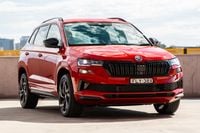
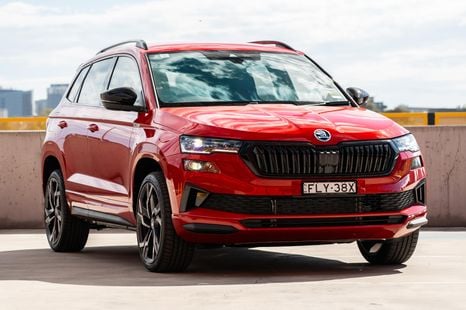
2026 Skoda Karoq review
Age is starting to weary Skoda's petrol-powered mid-size SUV, although its no-nonsense nature will still suit some.
3 Hours Ago
Australia's fleet of light vehicles is getting cleaner as more hybrids and electric vehicles join it, but new cars are continuing to grow in size.

News Editor
News Editor
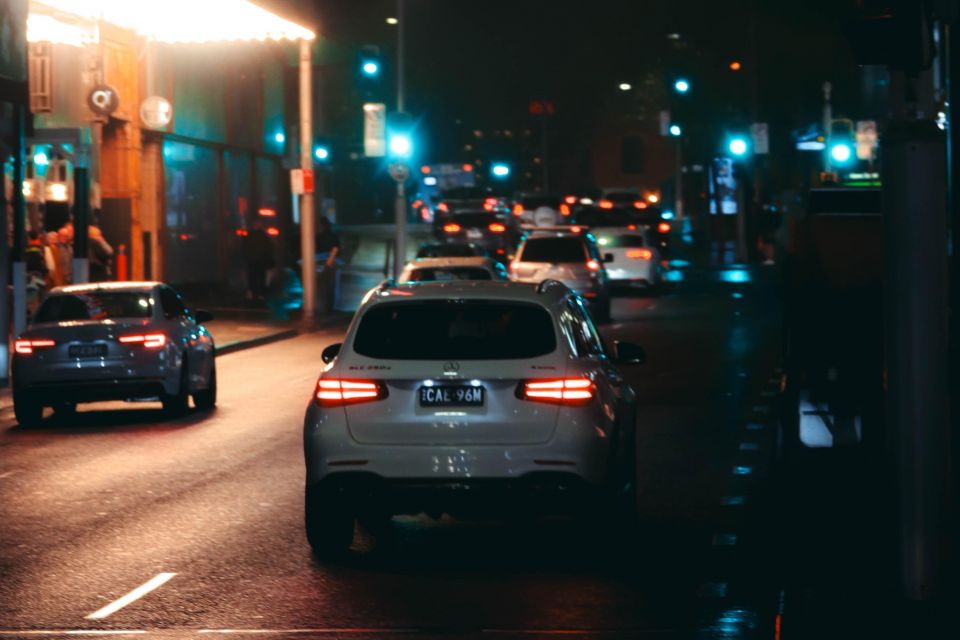
Australia’s fleet of light vehicles is continuing to get cleaner as hybrid and electric vehicles grow in popularity.
The National Transport Commission’s latest report, called Light Vehicle Emissions Intensity in Australia: Trends Over Time, looks at just over 17 million light vehicles registered and running on Australian roads as at January 2025.
You can view the full report here, which looks at data dating back to 2003 and the cars registered each year since then.
While the report discusses the rising popularity of hybrids, plug-in hybrids (PHEVs) and electric vehicles (EVs), which we’ve covered extensively on this site, it also covers data that doesn’t appear in VFACTS industry sales reports.
For instance, the emissions intensity – how much CO2 is emitted during a vehicle’s operation – for light vehicles first registered in 2024 fell by 3.9 per cent to 156.3g/km, following a 4.7 per cent drop with the 2023 cohort.
CarExpert can save you thousands on a new car. Click here to get a great deal.
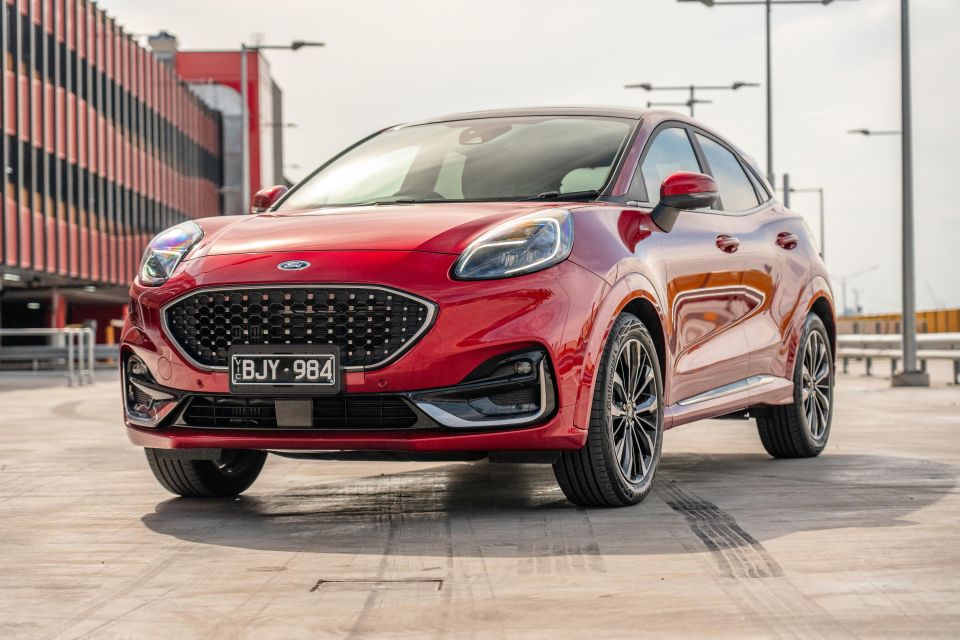
Across Australia’s light vehicle fleet, the sale of new, cleaner vehicles and the natural attrition of older, higher-emitting vehicles has reduced average emissions intensity to 190.8g/km, down from 193.7g/km a year ago.
Note that these emissions intensity figures only reflect tailpipe emissions and not emissions during a vehicle’s manufacturing and delivery.
Significant progress has been made in emissions reduction through the introduction of cleaner combustion engines as well as electrified vehicles. The average emissions figure for all light vehicles first registered in 2003 was 252g/km, while last year it sat at 156.3g/km.
Models manufactured in China are playing a large part in cleaning up Australia’s light vehicle fleet, with vehicles from this country collectively having the second-lowest average emissions intensity of any source country behind only Romania, which accounted for fewer than 9000 vehicles.
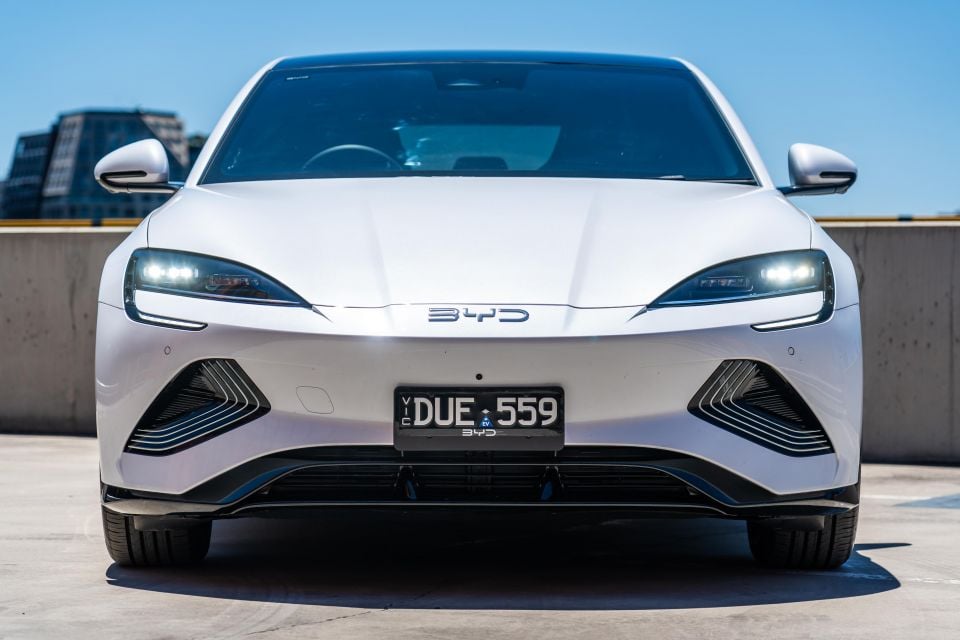
But while light vehicles may be collectively getting cleaner, they’re getting larger and heavier.
The average mass for all light vehicles grew by 13 per cent between 2003 and 2024, while utes entering the fleet for the first time in 2024 had an average footprint 1.6m² larger than in 2003, at 10.28m².
The report looks at the emissions intensity of 17,392,433 light vehicles, sold between 2003 and 2025, including SUVs, utes and vans. It excludes, among other vehicles, 156,912 heavy commercial vehicles, 123,775 private imports, and 62,597 vehicles for which sales weren’t reported to VFACTS.
Of the just over 17 million light vehicles on Australian roads under this methodology, only 240,417 – or 1.4 per cent – are electric vehicles (EVs), alongside 602,218 hybrids and 50,818 plug-in hybrids (PHEVs).
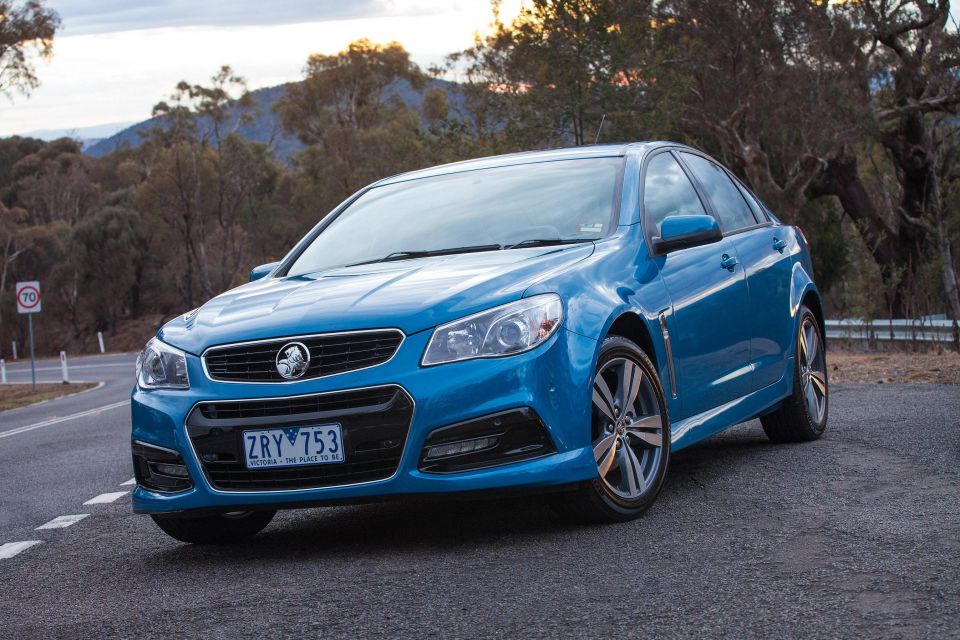
Despite marked growth for EVs, hybrids and PHEVs in recent years, 95 per cent of the light vehicles on Australian roads are powered only by internal-combustion engines. However, 17 per cent of new registrations since 2021 were of hybrid and electric vehicles.
The report also looked at the top 15 vehicle makes among registered light vehicles, which collectively account for around 89 per cent of all registered light vehicles.
Of these, Holden and Ford had the two highest average emissions intensities at 233.8g/km and 226.1g/km, respectively; Suzuki’s was the lowest at 154.2g/km, while Toyota was somewhere in between with 199.0g/km, just above the national fleet average of 190.8g/km.
William Stopford is an automotive journalist with a passion for mainstream cars, automotive history and overseas auto markets.
Josh Nevett
3 Hours Ago
William Stopford
11 Hours Ago

Damion Smy
12 Hours Ago
William Stopford
12 Hours Ago
Damion Smy
13 Hours Ago

CarExpert
14 Hours Ago