


James Wong
2027 Kia Seltos Hybrid likely to start under $40k drive-away in Australia
Kia has slipped some new local details for the new Seltos Hybrid, including its projected base price and lineup structure ahead of an October launch.
9 Hours Ago

The Kia Seltos is going hybrid-only in Australia for its second installment, and it has all the ingredients of a new small SUV segment leader.
Marketplace Editor
Marketplace Editor
Marketplace Editor
Marketplace Editor
CarExpert brings together reviews, research tools and trusted buying support, guiding you from research to delivery with confidence.
It's always hard to make a sequel after a successful debut, and in the automotive world we've seen countless examples of automakers fumbling follow-ups to great cars.
The first Kia Seltos was a massive sales success, not just in Australia but around the world, including in the Korean brand's own domestic market and key countries like the US, China and India.
Now Kia has launched its all-new, second-generation Seltos, and this time it's going properly global. For those not in the know, the first Seltos never made it to Europe or the UK as Kia's European division had its own small cars and crossovers, but that's about to change.
Even bigger news is that the 2027 Kia Seltos will be hybrid-only for markets like Australia and the UK, addressing a key hole in the brand's local lineup where hybrid SUV sales continue to boom.
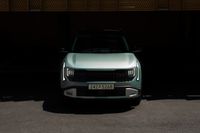
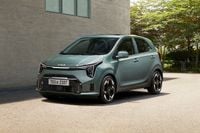
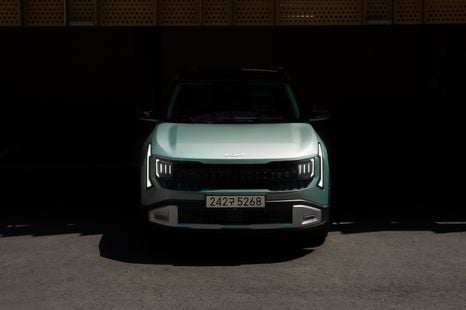
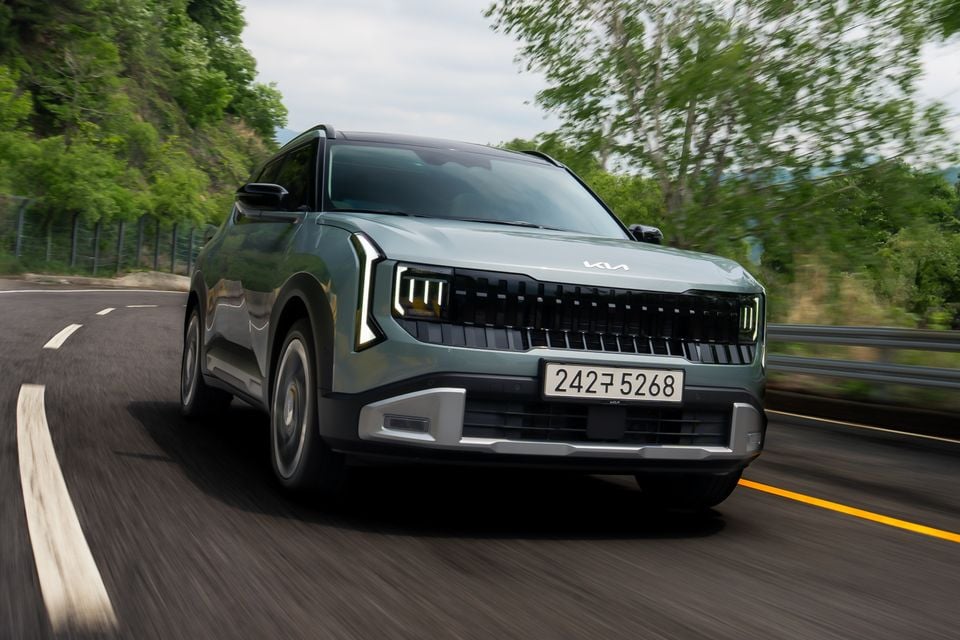
With its baby-EV5 styling, hybrid-heavy lineup and the promise of competitive pricing alongside key rivals, it seems Kia Australia is really looking to challenge the small SUV sales hierarchy Down Under, which is currently ruled by the Seltos' close relative, the Hyundai Kona.
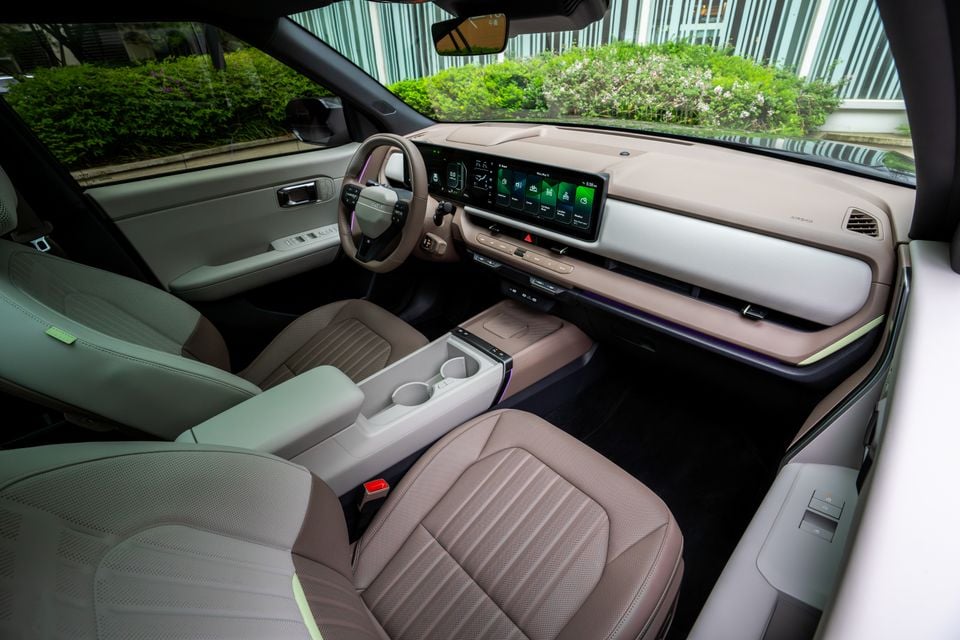
Ahead of the new Seltos' Australian arrival in the latter stages of 2026 – currently pegged for around October – Kia flew us to the international media launch in Seoul, South Korea, to get a first drive of the new Seltos Hybrid on its home roads, naturally without the Australian ride and handling tune that is currently being developed here.
Should you hold off for this small-ish hybrid SUV if you're in the market for a compact family crossover? Read on to find out.
Pricing and specifications for the Australian-market Seltos Hybrid range are still to be confirmed, but the Korean brand's local outpost has hinted at where this new model could sit.
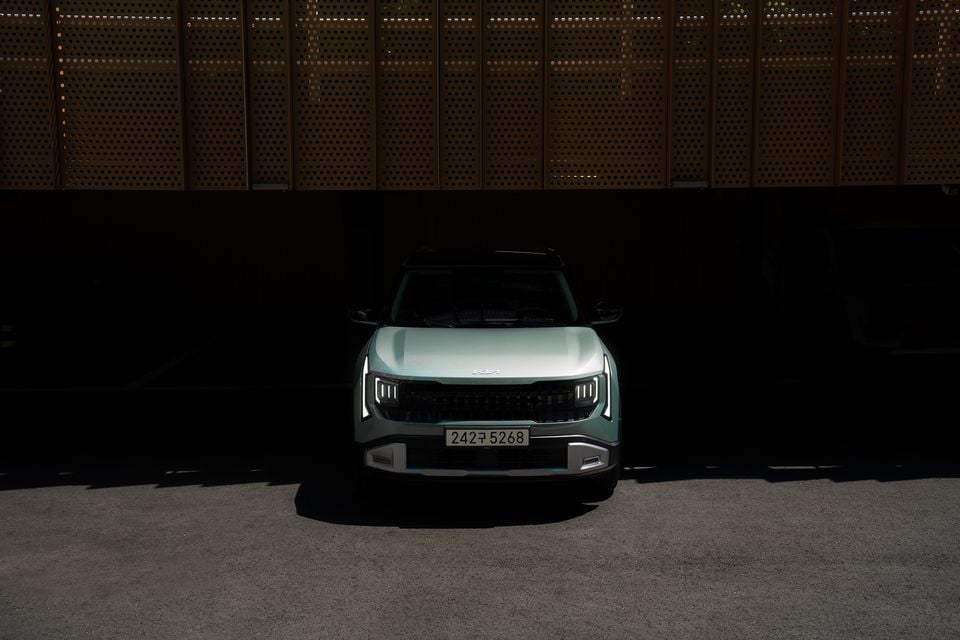
Kia Australia says it's anticipating Seltos pricing to be competitive with the Hyundai Kona – presumably the equivalent hybrid variants – with nationwide drive-away pricing across the range.
With that in mind, the most affordable Hyundai Kona Hybrid is priced from $36,950 plus on-road costs and is currently being advertised from $39,990 drive-away. If Kia can match or undercut the base Kona hybrid with the cheapest Seltos – which should include a solid level of standard kit, judging by Kia's other recent model launches – it could be onto a value winner.
We can expect a similar grade walk to the current range – S, Sport, Sport+ and GT-Line – with both 2WD and AWD configurations available depending on trim level. AWD will likely be reserved for Sport+ and GT-Line grades, as in the outgoing range.
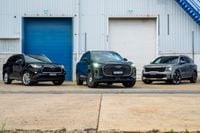
Beyond the Kona, the Seltos' other natural rivals in the small SUV segment will include the also hybrid-only Toyota Corolla Cross (from $37,440) and Nissan Qashqai (from $45,640). You can also throw in the GWM Haval Jolion HEV (from $32,990 D/A) and Jaecoo J5 EV (from $36,990 D/A) as cheaper Chinese alternatives in this space.
To see how the Kia Seltos lines up against the competition, check out our comparison tool
My much more youthful colleague Max got a first look at the interior of the new Seltos in Sydney recently, and was quite positive about the design and execution here – particularly relative to the previous model.
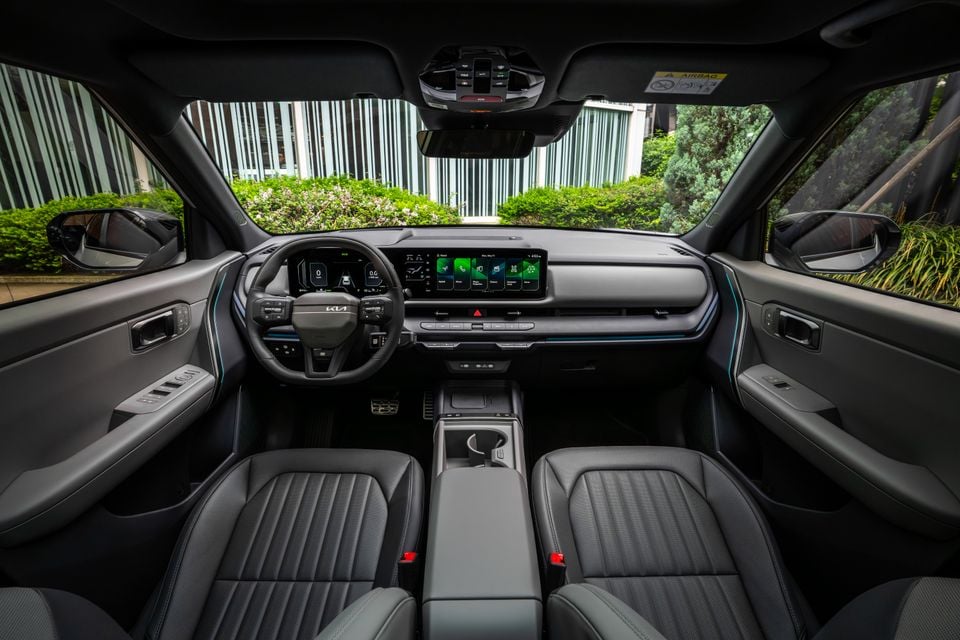
From the moment I first sat in the cabin of the high-spec Korean model, I was in agreeance – we cannot stress enough how much of a step (or steps) forward this is for the Seltos nameplate.
Where the original was cheaply trimmed and running display technology two generations behind some of Kia's latest product, the new Seltos is firmly at the forefront of Kia's current design and technology integration.
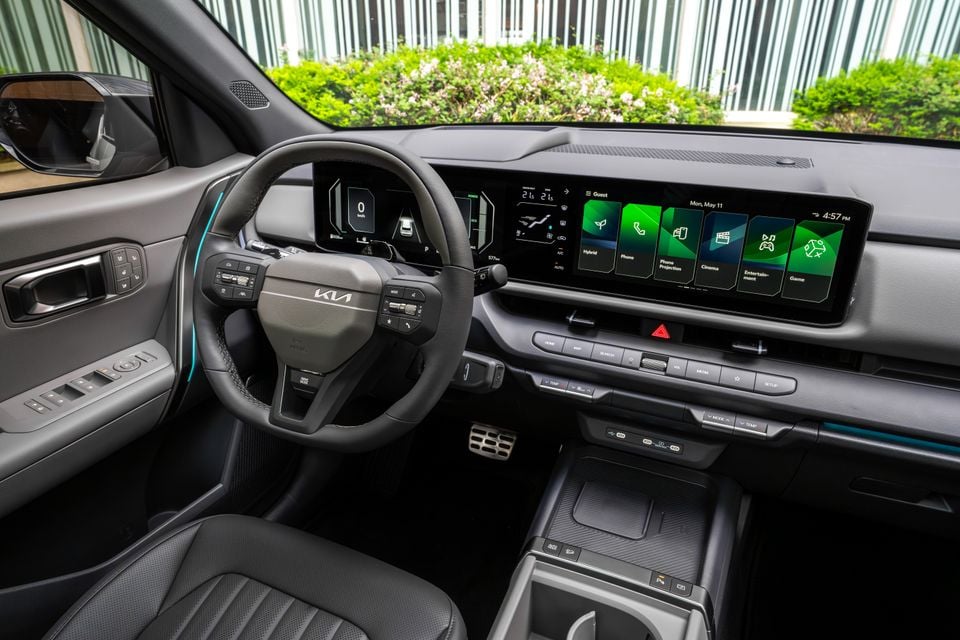
As you'll find in much larger and more expensive models from the Korean brand, dual-12.3-inch high-resolution displays proudly sit across the dash, with a 5.0-inch digital climate control panel sandwiched in between.
It's running a slightly updated version of the interface available in Australian models, which appears to have crisper graphics and some new widgets and menus. And don't forget that while there's a digital climate panel, there are still physical rocker switches to adjust temperature and fan speed, which are much more intuitive to use on the move.
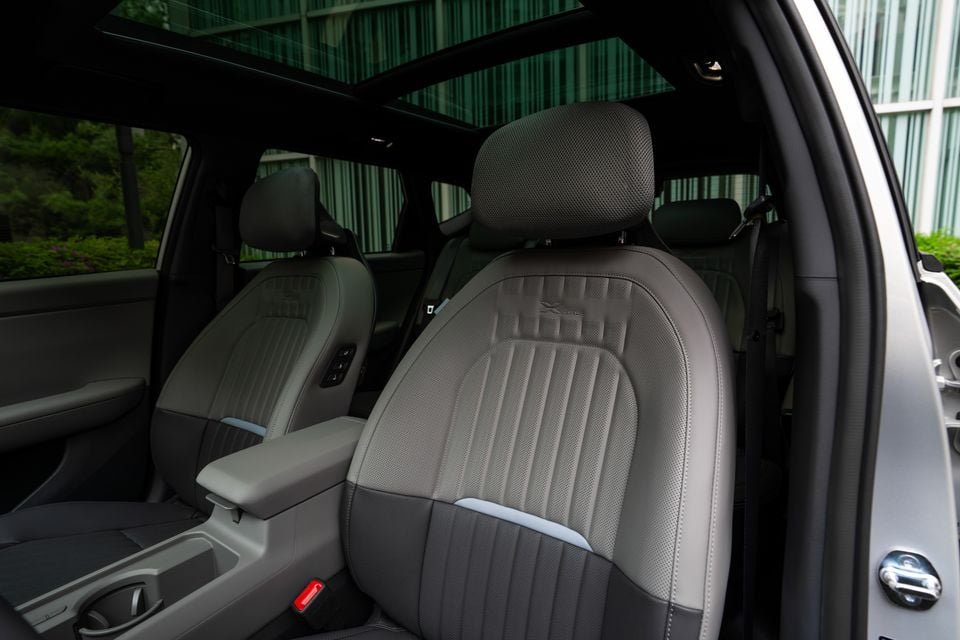
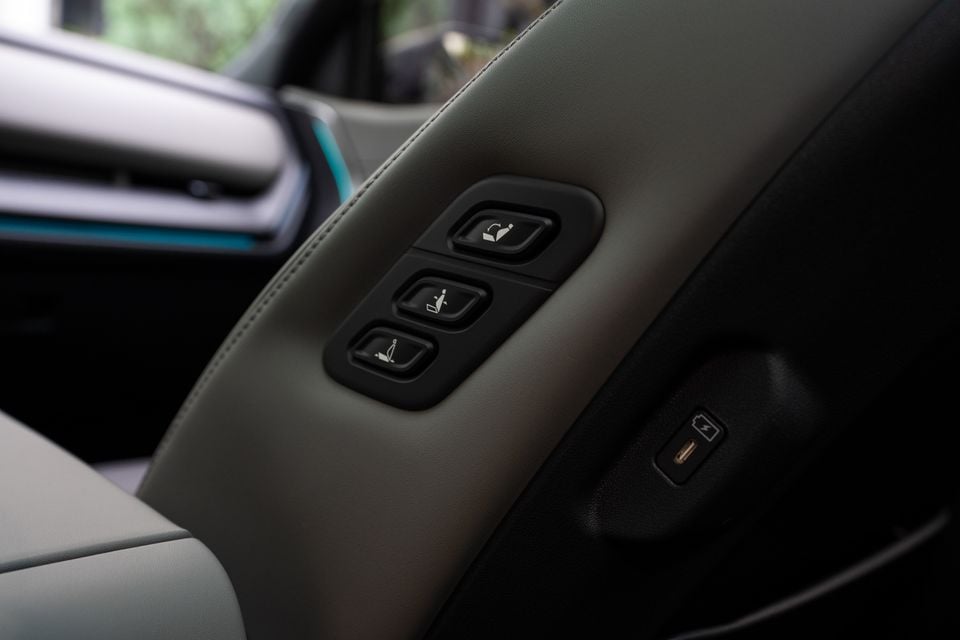
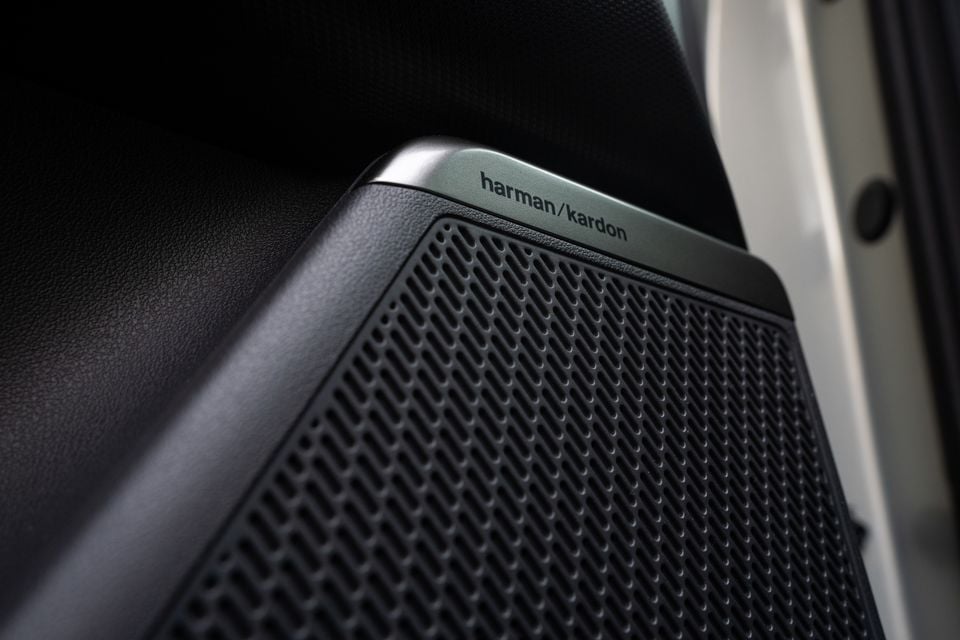
Material quality has seen a tangible uplift too, with more soft-touch materials across the dashboard and doors, up from pretty much zero on the outgoing generation. There are a few interesting colourways available in the domestic market too – from chocolate browns to sage greens, as well as more boring and Australia-friendly grey/black.
In high-spec Korean variants you get stuff like heated and ventilated front seats, remote electric front passenger seat adjustment (and full power adjustment for both front seats), a one-touch premium relaxation seat for the driver, and a massive panoramic sunroof that stretches right back to the heads of second-row occupants.
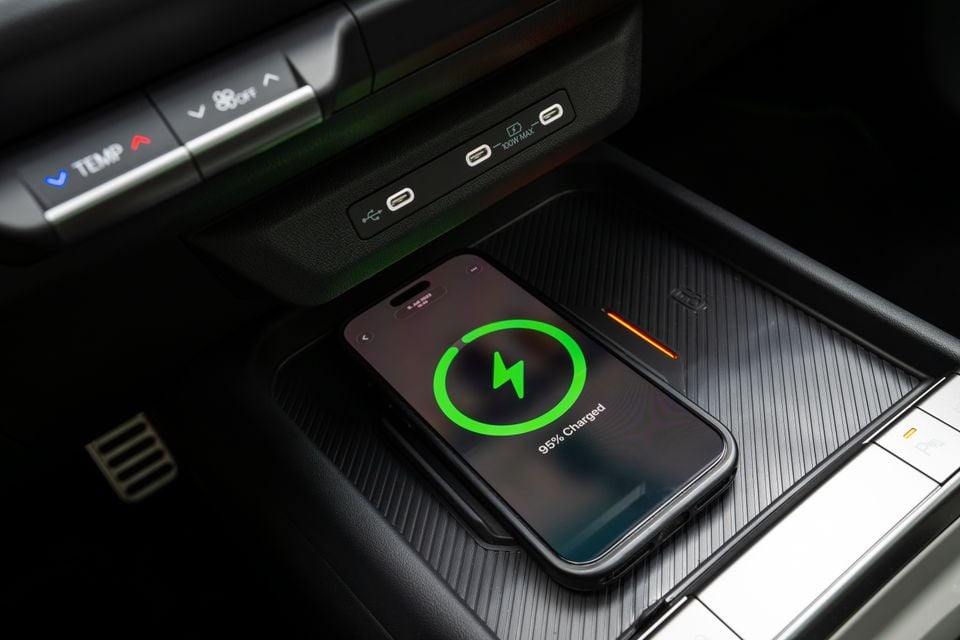
The open-plan design means there's an airy and spacious feel in both rows, augmented by the tall and boxy body profile and generous glasshouse. Storage is good too, with heaps of nooks and crannies to store your stuff in, including a modular console with cupholders and a shelf housing a wireless phone charging pad.
You also have USB-C ports up the wazoo, including dual 100W outlets up front and a couple more fast-charging units integrated into the rear of the front seats.
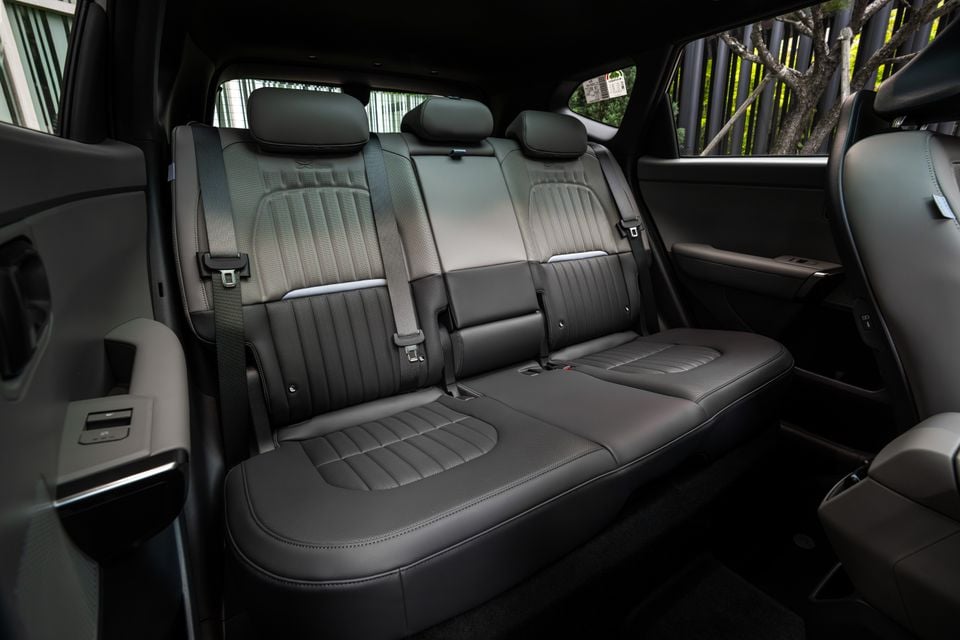
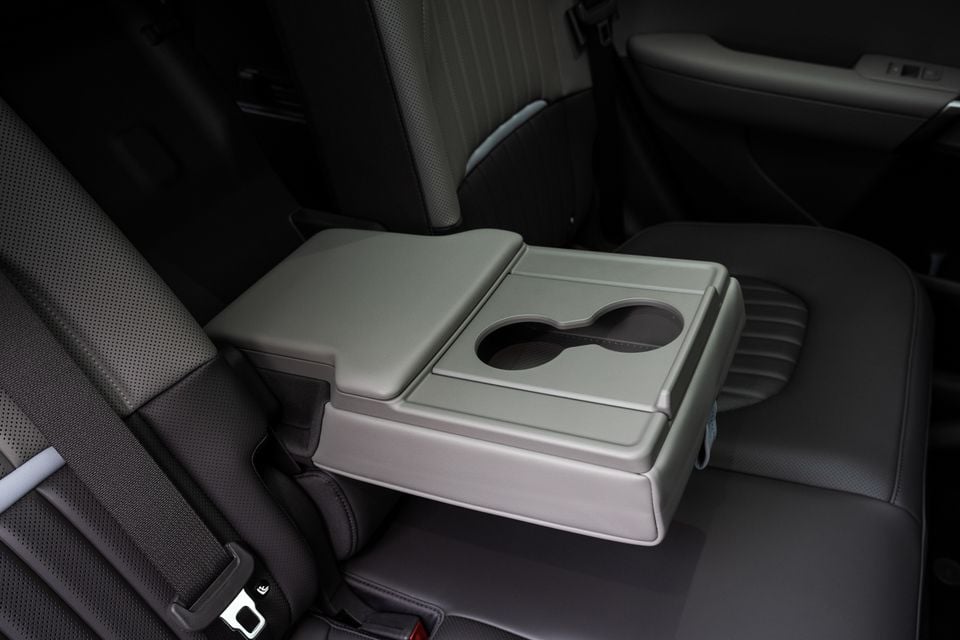
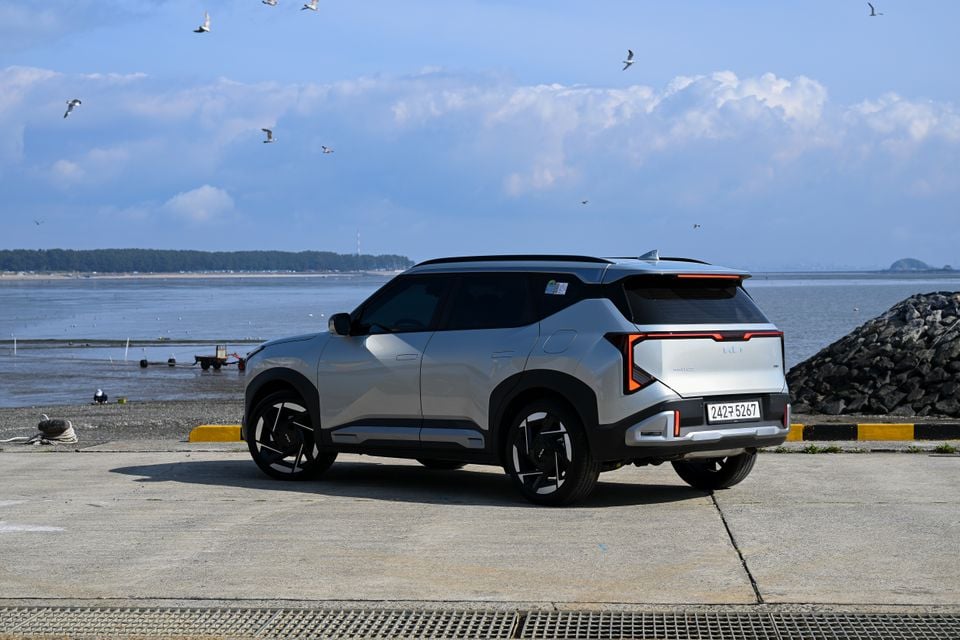
The Seltos has always been one of the larger entrants in the small SUV segment, but the second-generation model improves on that even more with its rear accommodation and cargo area.
At just over 6'1" tall, I had plenty of room ahead of my legs and knees as well as above my head, even with the panoramic sunroof fitted. You can also recline the rear seats for a more relaxing posture as well as open up more headroom if you're on the taller side like me.
Officially, Kia says headroom has increased by 14mm compared to the previous Seltos (without the sunroof), while legroom has increased by 25mm, and that's what it looks like in reality.
The wide and flat rear seat means this SUV can carry two adults easily and three at a pinch, making this a good compact family car or potentially even a rideshare vehicle. High-spec model grades in Korea get heated outboard rear seats, and other highlights include directional vents behind the centre console, as well as a large fold-down centre armrest with cupholders.
Bottle holders in the doors and map pockets behind the front seats round out the key amenities, and parents are also afforded ISOFIX and top-tether child seat anchor points.
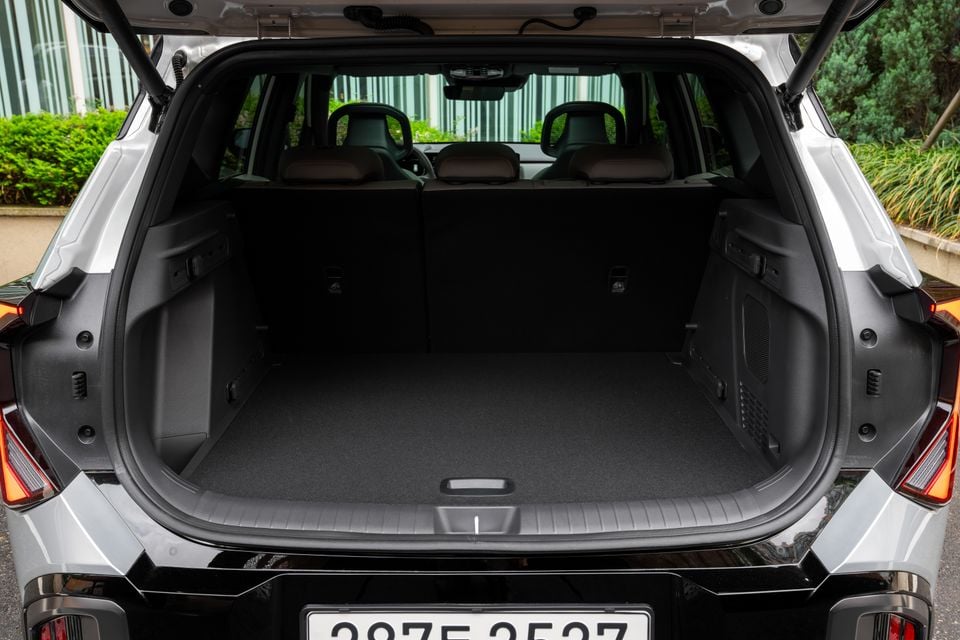
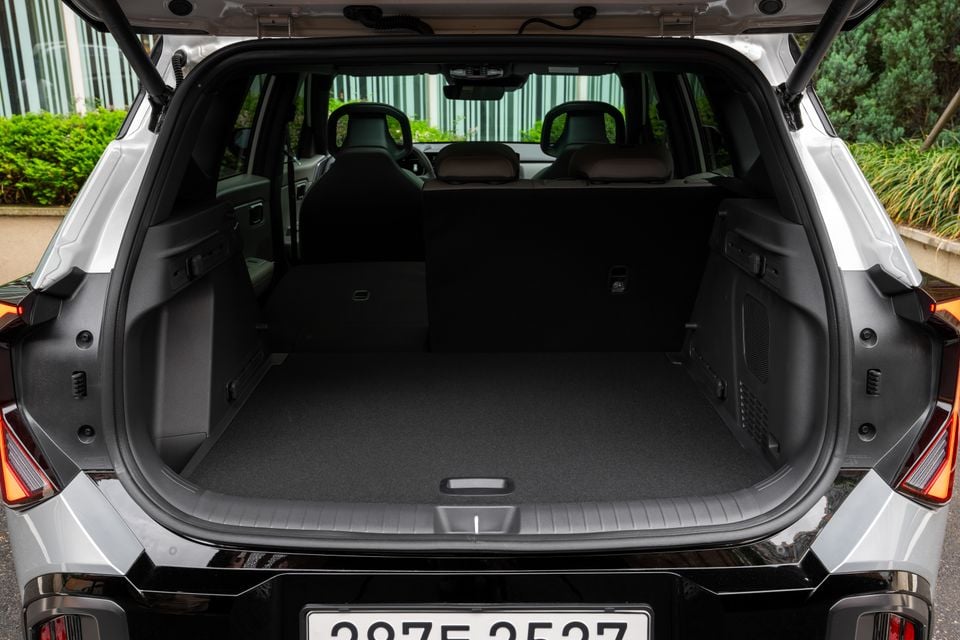
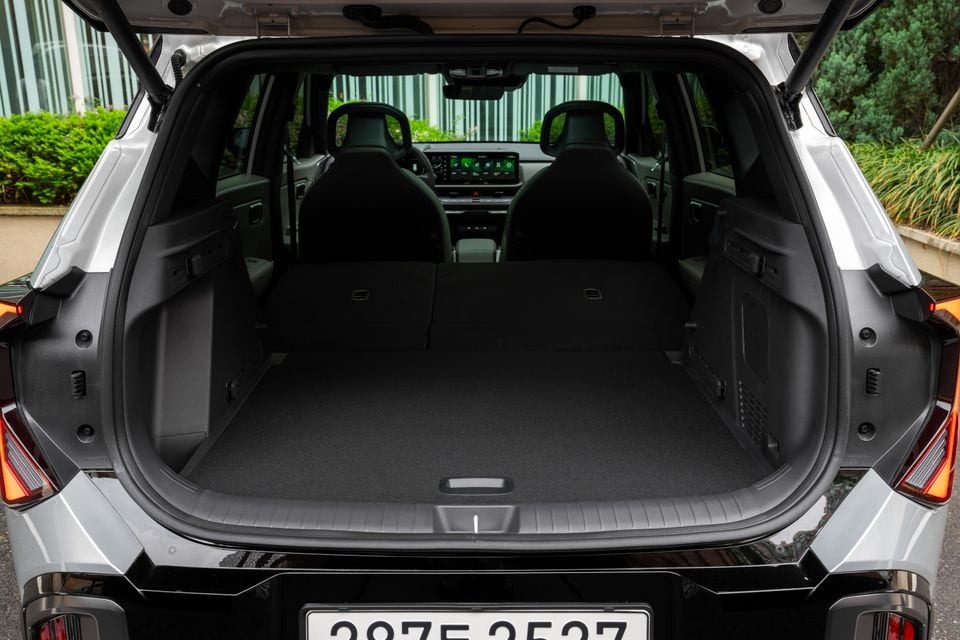
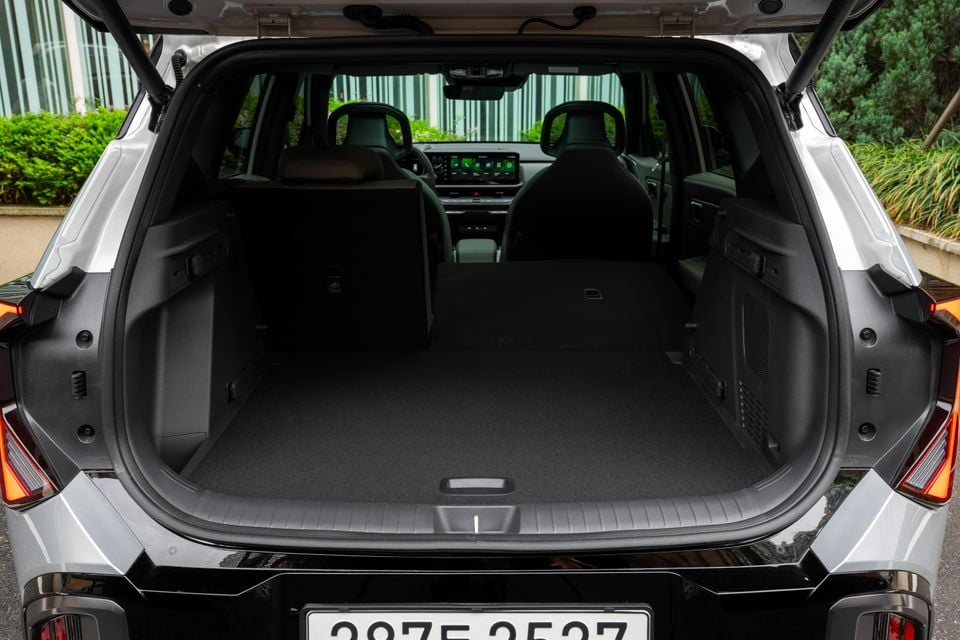
Behind that second row of seats, Kia claims a 38-litre increase in cargo capacity to 536L using the VDA method, which puts it up there with the best in the segment. For reference, the larger Sportage SUV quotes 542-586L depending on spec, though Kia doesn't quote a literage with the rear seatbacks folded down for the Seltos, yet.
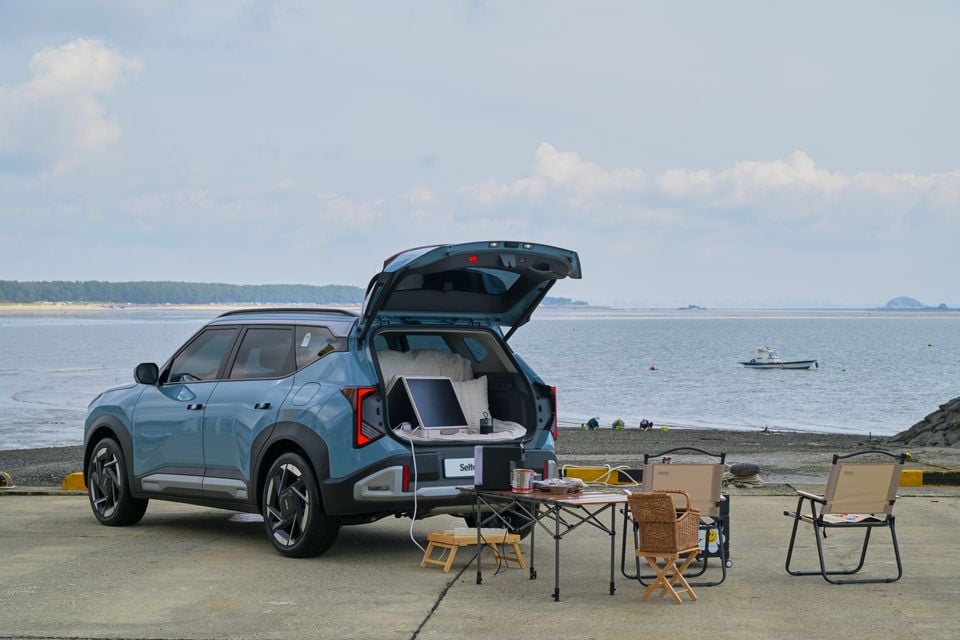
It's understood that 2WD models in Australia will get a space-saver spare – which is why we can't have the vehicle-to-load (V2L) outlet in the cargo area, but e-AWD versions with their extra electric motor on the rear axle result leave no room for a spare – and Kia Australia won't offer V2L in that, either.
| Dimensions | Kia Seltos HEV* |
|---|---|
| Length | 4430mm |
| Width | 1830mm |
| Height | 1600mm |
| Wheelbase | 2690mm |
| Cargo capacity | 536L – VDA |
To see how the Kia Seltos lines up against the competition, check out our comparison tool
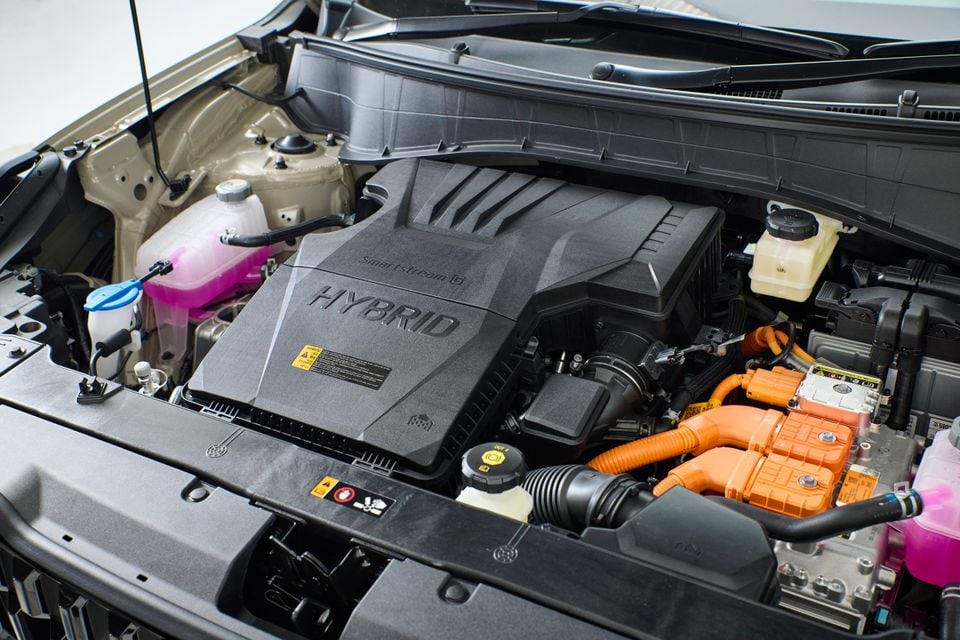
All versions of the new Kia Seltos in Australia will be powered by a 1.6-litre naturally aspirated four-cylinder petrol engine teamed with at least one electric motor and a small battery pack – though most powertrain details remain to be confirmed at this point in time.
| Specifications | Kia Seltos HEV 2WD | Kia Seltos HEV e-AWD |
|---|---|---|
| Engine | 1.6L 4cyl petrol | 1.6L 4cyl petrol |
| Engine outputs | 144.2Nm | 144.2Nm |
| Electric motor outputs | - | - |
| System outputs | 113kW + 265Nm | 133kW |
| Battery | - | - |
| Transmission | 6-speed DCT | 6-speed DCT |
| Drive type | FWD | e-AWD |
| Weight | - | - |
| 0-100km/h (claimed) | - | - |
| Fuel economy (claimed) | - | - |
| Fuel economy (as tested) | 4.5-5.7L/100km | - |
| Fuel tank capacity | - | - |
| Fuel requirement | - | - |
| CO2 emissions | - | - |
| Emissions standard | Euro 6d | Euro 6d |
| Braked towing capacity | - | - |
Kia Australia has indicated that UK specifications serve as a solid guide as to what to expect in Australia, though details still remain pretty light-on.
We didn't drive the e-AWD version at launch, but we saw indicated fuel consumption of 4.5-5.7L/100km over a few hundred kilometres of driving in mixed conditions, as you'll read below.
To see how the Kia Seltos lines up against the competition, check out our comparison tool
We drove the new Seltos from the thick of Seoul down to Gunsan on day one, and then to Gwangjuon on day two, amounting to about 230km for the first leg and 110km for the second using the most direct route.
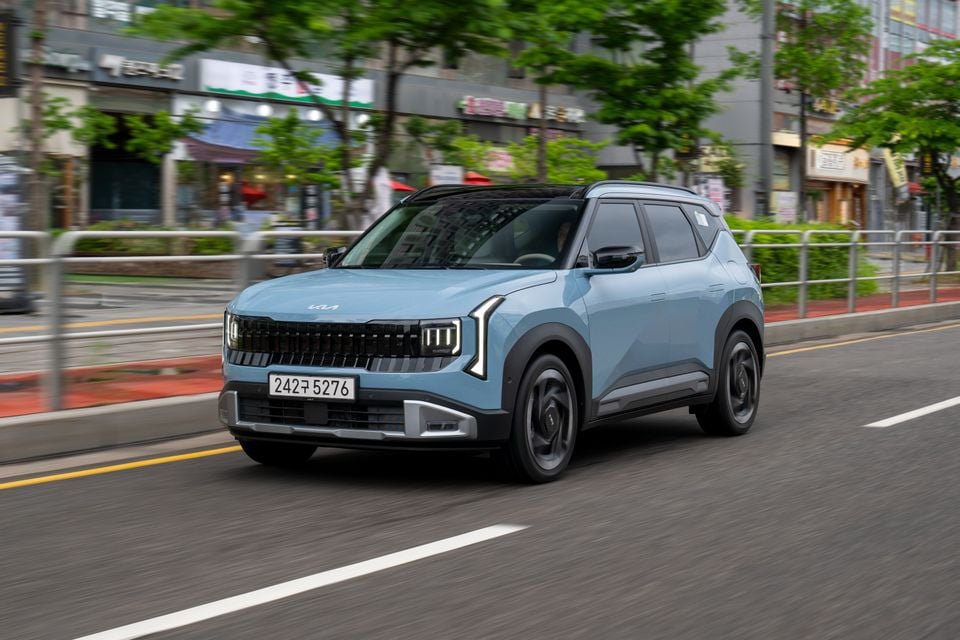
Our test cars were Korean-spec Signature and X-Line trims, both fully loaded and fitted with the HEV 2WD drivetrain – so impressions of the electrified AWD version will have to wait for now.
Leaving the bustling city roads of Seoul and hitting the traffic-jammed freeway out of the big smoke, the Seltos' hybrid powertrain was smooth, quiet and well-sorted. Immediately I noticed a big uptick in refinement compared to the first-generation car, which feels a bit tinny and coarse these days.
While Kia doesn't fully detail the specific outputs of the petrol engine and electric motor in isolation, we know that in the related Niro HEV crossover the e-motor makes 32kW and 170Nm, the latter being the key figure for rolling about town.
In EV mode the Seltos is nicely responsive without pinning you back in your seat, and with measured throttle inputs on flat ground, you can get to 40-60km/h using just that e-motor (battery charge permitting).
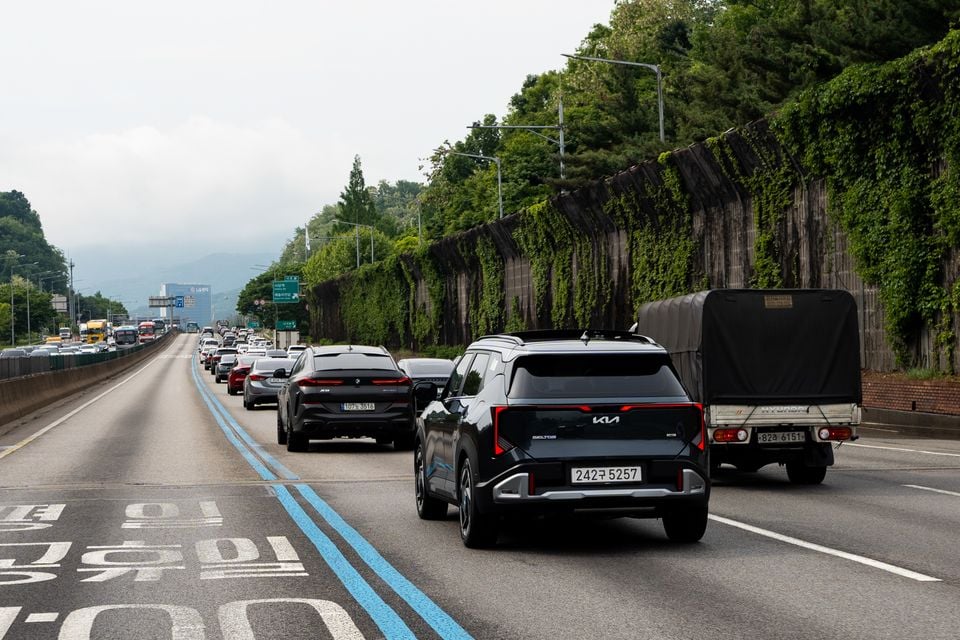
At lower traffic speeds the Korean-spec Seltos was also very well sorted in terms of steering feel, ride and handling. The Korean market usually favours a super-cushy tune with wobbly body control and looser steering, to cater for a more comfort-focused audience.
But the new Seltos has a nicely neutral feel that's borderline European in flavour, which makes me wonder how far Kia Australia will go in terms of tuning the steering map and suspension tune for the local market.
Kia's local team has already said we should expect it should be "more responsive, firmly damped and with reduced body roll for local Australian tastes when compared to Korean-spec cars on launch. Adjustments have been made to the damper and spring rates, with a different steering tune being applied to the cars too".
Picking up the speed to 110km/h on the freeways, the Seltos had no issues accelerating to and holding said limit, but don't expect to hit freeway speeds quickly. The 113kW 2WD SUV offers decent response off the line and at city speeds, but starts to run out of puff once you're around the 100km/h mark, particularly on an incline.
It took large bridge joins and dips at 110km/h to really show up any weakness – if you'd even call it that – in the domestic-market chassis setup. It took one, maybe two extra movements than I'd like to settle, but it was nowhere near as floaty as the Kia EV3 I tested in Seoul a couple of years ago.
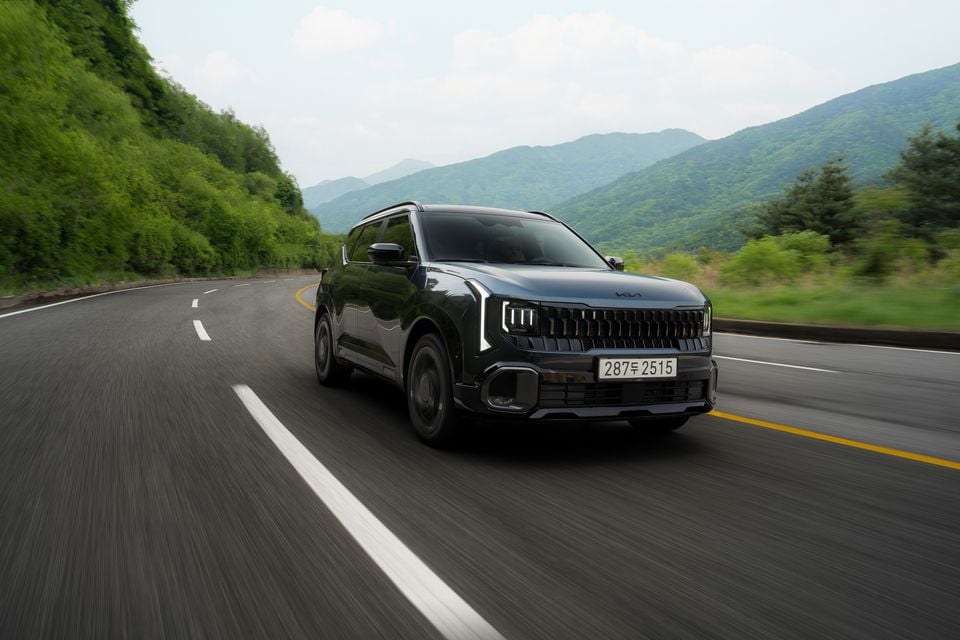
The Korean steering tune offered natural weight and communicates well enough without feeling particularly engaging, but given the target market for this vehicle, accurate and fluid nails the brief.
Through some of the twistier and more technical stretches of B-road that we drove on, the Seltos demonstrated good response and body control, though you can feel it approaching its limits if you start to push.
With that said, this is not a vehicle that's intended to be particularly sporting, so wringing its neck on 60-70km/h signed public roads in Korea just wasn't necessary. No doubt the changes promised by the local tuning team should tighten everything up a bit to make it more engaging, but really the domestic model is far from unsatisfactory.
Korea's roads aren't all that perfect either. And as noted earlier, the Seltos remained impressively composed and compliant on its home tarmac, which bodes well for the Australian model later this year.
Even at 110km/h on patchy freeway, the Seltos was well insulated from the outside world, and rarely did the suspension thud or slap over sharper hits. Worth noting also is the fact the hybrid Seltos (including all Australian versions) gets MacPherson-strut front and multi-link rear suspension – front-drive petrol vehicles sold overseas get a cheaper torsion-beam rear-end.
The naturally aspirated petrol engine is also more muted under load than I expected. You can hear it working when you boot it, but its raspy note isn't as coarse or prevalent in the cabin as you might expect.
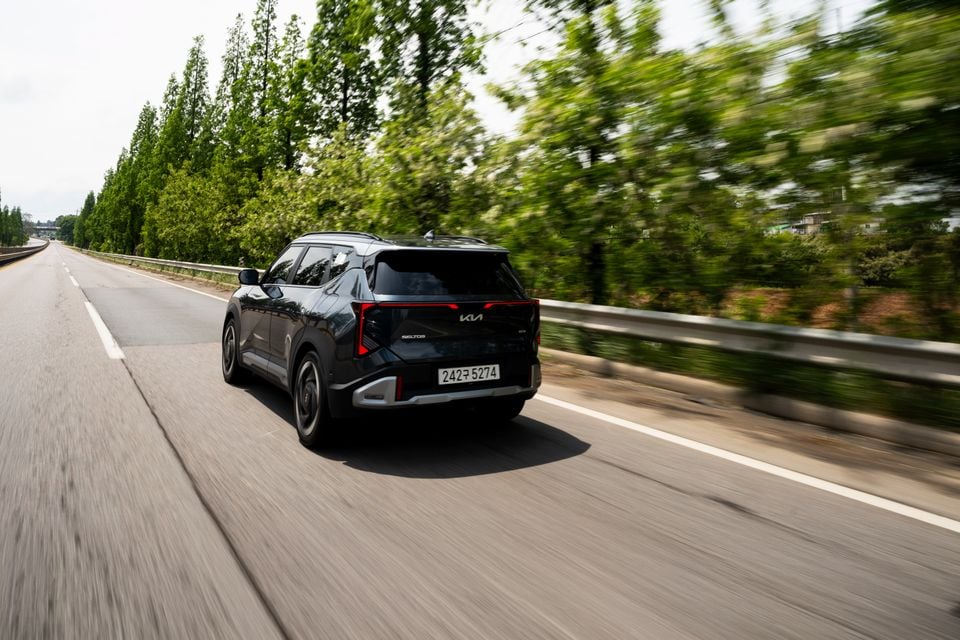
Fuel consumption – at least as indicated on the trip computer – seemed reasonable given the conditions. We saw between 17-22km/L in the domestic-spec vehicles at various points, which works out to 4.5-5.7L/100km.
The higher figure was recorded on a windier leg with plenty of uphill sections. Even at 110km/h you'll see around 5L/100km based on our testing, which is pretty good for what is effectively a reasonably large box on wheels. I imagine that with more time spent in urban environments at 40 to 60km/h, you'd get much closer to 4L/100km.
Now for the driver assistance suite, which is much more comprehensive than before and more in line with the Korean brand's latest products – including some of its most expensive ones.
The new Seltos – at least in Korea – basically offers everything that Kia has in its armoury. From the semi-autonomous Highway Driving Assist (HDA) with lane change assist, to the connected navigation, Blind Spot View Monitor cameras and adaptive cruise control functions, it's pretty much the same portfolio of safety tech that you'll find in a decked-out Sorento or EV9.
Furthermore, the Korean market supports things like contactless payments via the infotainment system for toll booths and parking lots, which I'd really like to see rolled out locally at some point.
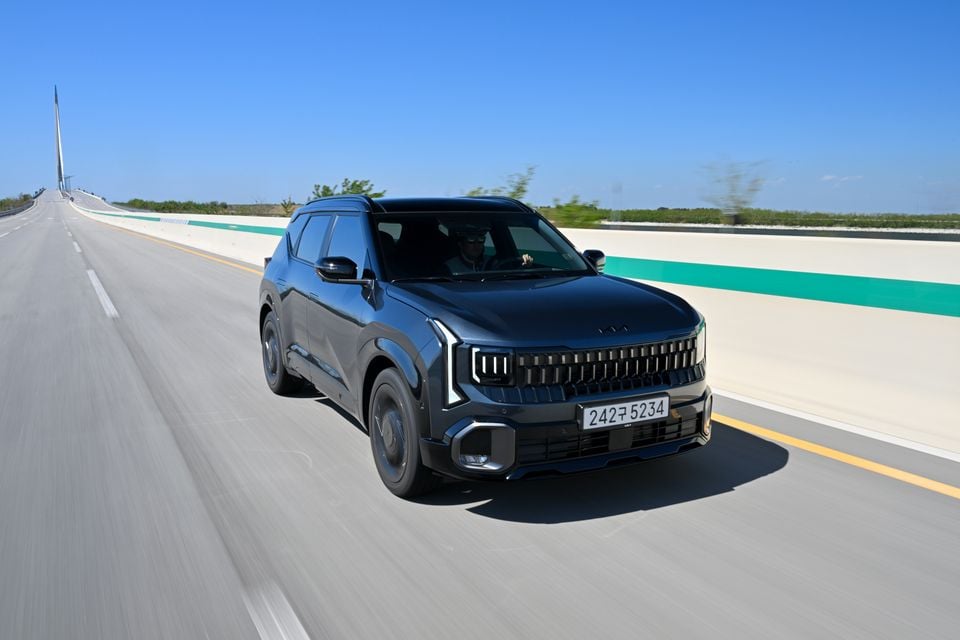
CarExpert brings together reviews, research tools and trusted buying support, guiding you from research to delivery with confidence.
There's even a speed bump notification baked into the embedded satellite navigation – though that's one I can live without, given how many there are in suburban and city areas in Korea – as well as a warning as you approach roundabouts that says "watch out for turning and rotating vehicles".
But while some of the audible warnings and prompts can be a little annoying at times, the domestic-market Seltos wasn't too overzealous with its beeps and bongs, and the lane-keep assist likewise wasn't too heavy-handed, at least on its home turf. Thankfully, like in Australia, a long press of the mute button shuts off the (quieter) audible speed limit assist function.
If Kia Australia maintains a similar calibration for the Seltos' assistance suite when it arrives here in October, it'll certainly be a point of difference to some of the Chinese brands.
To see how the Kia Seltos lines up against the competition, check out our comparison tool
Kia hasn't detailed specifications for the new Seltos lineup in Australia just yet, but it has indicated we can expect a model lineup similar to outgoing model – S, Sport, Sport+ and GT-Line.
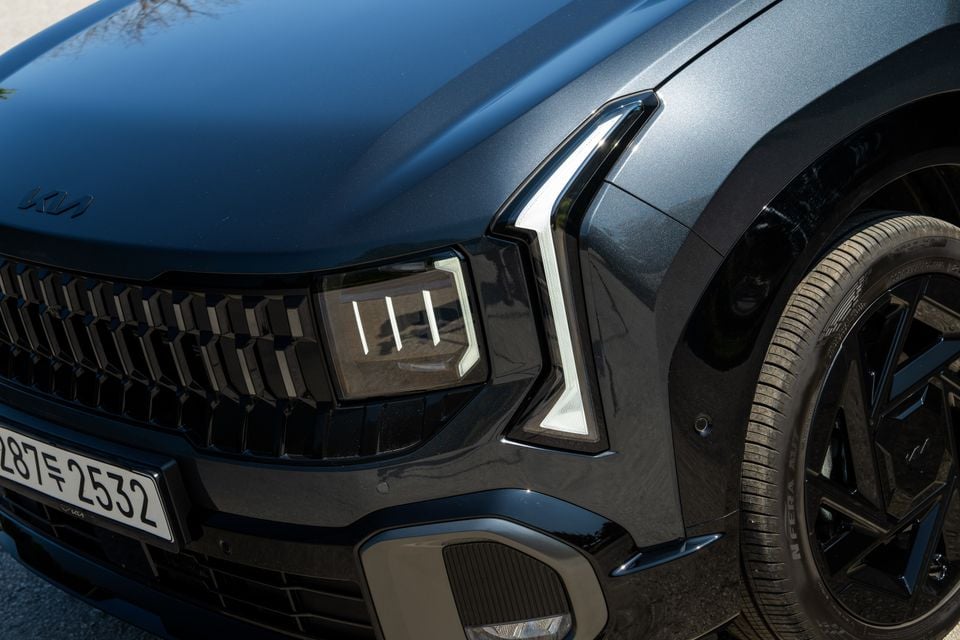
Available features overseas include:
Stay tuned to CarExpert for a full price and spec breakdown for Australian models in the lead-up to the Seltos' local launch in October.
To see how the Kia Seltos lines up against the competition, check out our comparison tool
The new Kia Seltos is yet to be tested by Euro NCAP or ANCAP – though no doubt Kia Australia will be aiming for the full five-star rating.
In the UK at least, an extensive suite of driver assistance systems will be offered, including:
To see how the Kia Seltos lines up against the competition, check out our comparison tool
While not fully detailed for Australia yet, the Seltos Hybridwill be covered by Kia's seven-year, unlimited-kilometre new-vehicle warranty. Expect the high-voltage hybrid battery to get the same coverage, but with a 150,000km mileage cap.
| Servicing and Warranty | Kia Seltos HEV |
|---|---|
| Warranty | 7 years, unlimited kilometres – Vehicle 7 years or 150,000 kilometres – HEV battery |
| Roadside assistance | 7 years |
| Service intervals | TBC |
| Capped-price servicing | 7 years |
| Total capped-price service cost | TBC |
Given the Seltos HEV isn't a turbocharged hybrid like the larger Sportage and Sportage, the new SUV should have longer 15,000km service intervals with 12-month gaps, rather than the 10,000km intervals for Kia's turbo-petrol engines.
For reference, the MY25 Niro HEV with the same powertrain cost $2849 to service for the first five years according to Kia's capped-price servicing calculator. Hopefully it's cheaper for the Seltos.
To see how the Kia Seltos lines up against the competition, check out our comparison tool
The first hybrid Seltos makes a very strong first impression, and has the makings of a new segment favourite – provided Kia Australia can get the price positioning and specs right.
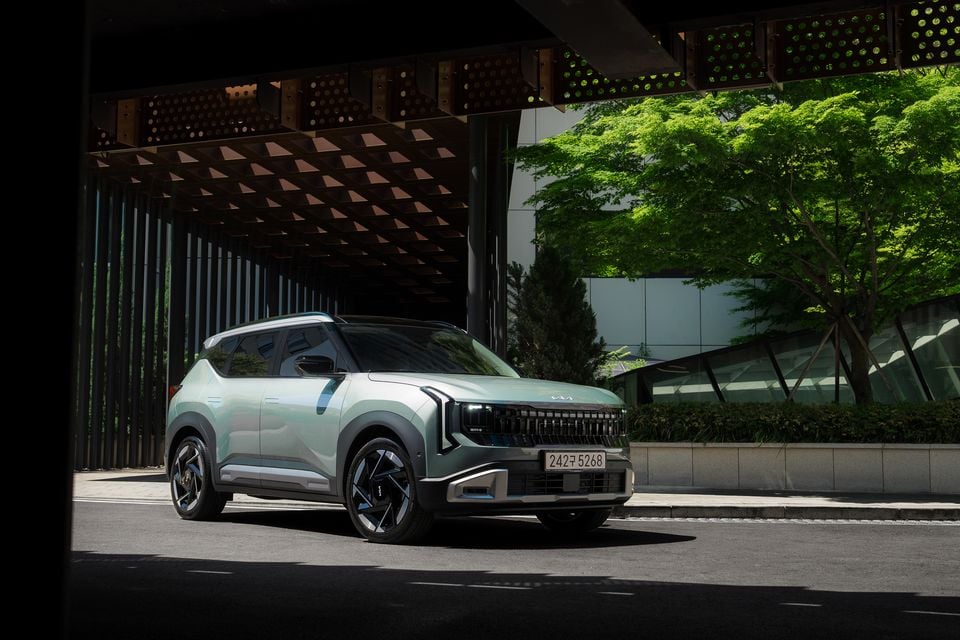
Even in more cushy Korean spec, the new Seltos Hybrid offers a refined and efficient driving experience, a much-improved cabin with a generational jump in technology, as well as segment-busting practicality. It could perhaps use a touch more grunt in FWD guise, but it remains competitive with most hybrid-powered rivals in the small SUV segment.
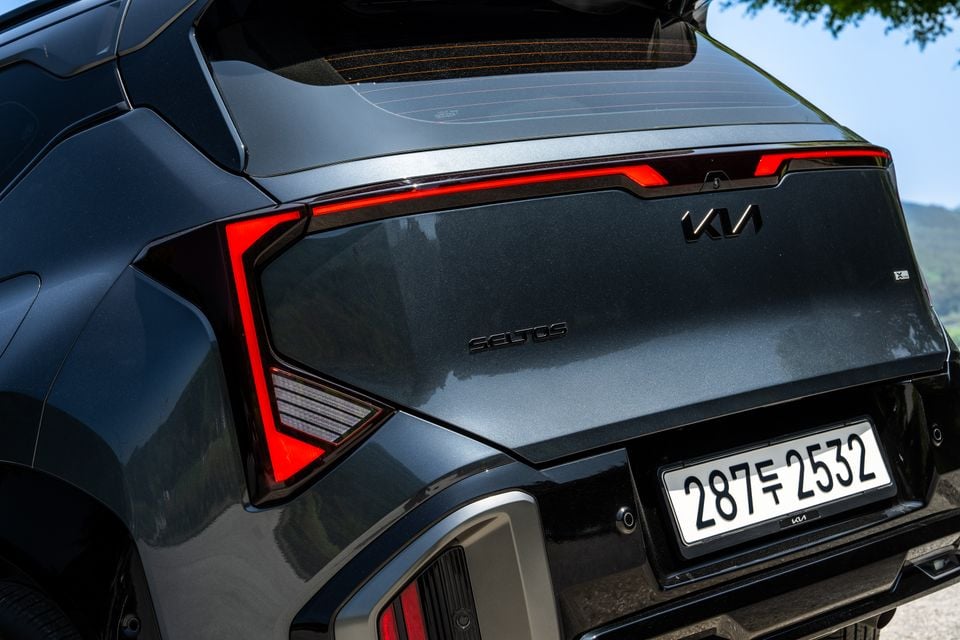
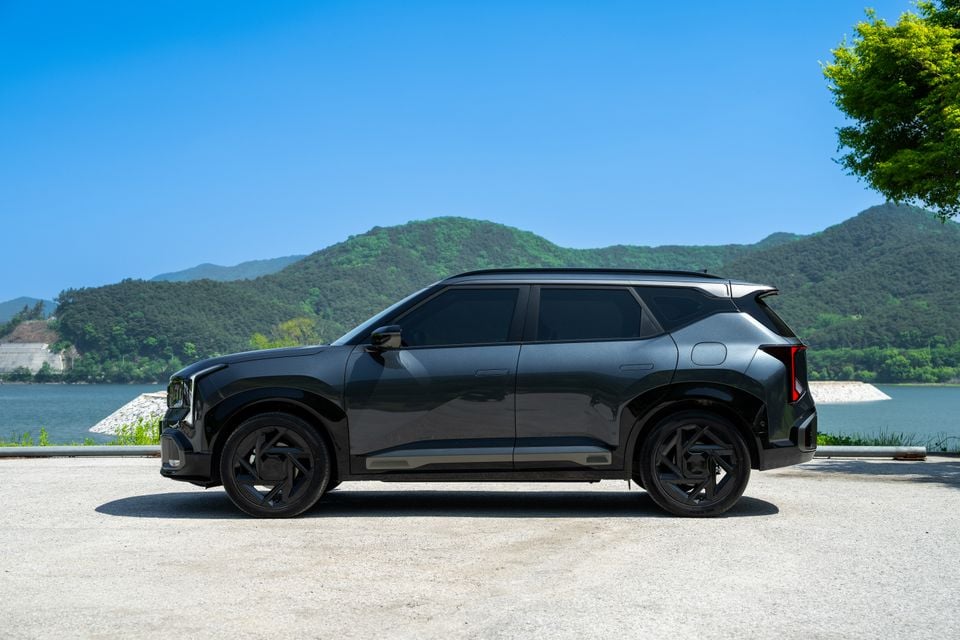
Those who like Kia's current design language will no doubt love the boxy exterior and far more premium interior, but it appears Australia will miss out on some of the cooler colour options like the matte finishes and the Iceberg Green pictured above, because our vehicles will be sourced from a different Korean factory than the domestic and US vehicles. And I imagine our interior choices will likewise be less adventurous...
The decision not to bring V2L tech Down Under also seems like a misstep. Given the useful feature is a key talking point in the Seltos' global communications, it seems silly that Kia Australia opted out altogether, citing the spare tyre argument when e-AWD versions won't come with a spare tyre anyway...
It's hard to deliver a definitive final verdict on the new Seltos while we wait for local pricing and specs, but if you're thinking of getting into a small hybrid SUV and you're not in a mad rush, I'd suggest this one is worth waiting for.
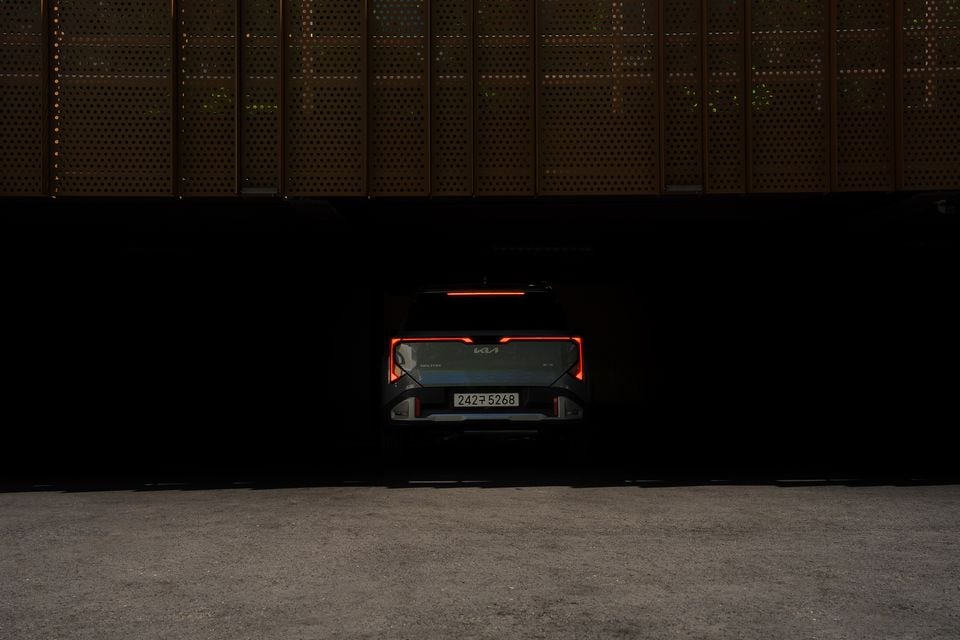
Interested in buying a Kia Seltos? Let CarExpert find you the best deal here
Click the images for the full gallery
CarExpert brings together reviews, research tools and trusted buying support, guiding you from research to delivery with confidence.
Quickly see how this car stacks up against its competition. Select any benchmark to see more details.
Kia Seltos
Kia Seltos Sales rolling 12-months#
*Based on VFACTS and EVC data
Looking for complete Kia Seltos price history?
Our Kia Seltos Pricing Page shows exactly how prices have changed over time.
2026
$35,009
2026
$38,305
2026
$41,498
2026
$47,369
2026
$47,369
James Wong is an automotive journalist and former PR consultant, recognised among Australia’s most prolific motoring writers.
Add CarExpert as a Preferred Source on Google so your search results prioritise writing by actual experts, not AI.
James Wong
9 Hours Ago
James Wong
9 Hours Ago


Damion Smy
5 Days Ago

Max Davies
5 Days Ago

Andrew Maclean
7 Days Ago
James Wong
10 Days Ago
Add CarExpert as a Preferred Source on Google so your search results prioritise writing by actual experts, not AI.
# Based on VFACTS and EVC data
† Displayed prices are based on the drive-away price of the vehicle, which includes delivery charges, registration fees, number plates, and applicable road taxes, based on a Sydney location. However, prices may vary between states and territories, and additional costs such as compulsory third party (CTP) insurance, dealer delivery fees, and optional extras are not included. These prices are subject to change without notice and may not reflect current market pricing or dealer offers.
 Automotive Vehicle Spec Data & 4K images Powered by JATO Dynamics Ltd